
Tackl Academy · Rigs
Boat Fishing Rigs: Booms, Gilling and Jigging
Boat fishing lets you lower or work a rig beneath the vessel, but drift, tide and depth still shape the presentation. Booms, bait traces and worked lures each solve different problems.
By Tackl · Reviewed by TACKL · Updated 13 October 2026
Bottom bait rigs and booms
A boom holds the start of a snood away from the main line or trace body. The source includes spreader, multiple-boom and other bottom arrangements. The aim is to organise bait positions and reduce contact between strands, not guarantee that a rig cannot tangle.
Gilling traces and slow retrieval
The book’s gilling rig uses a boom and trailing snood with a lure or suitable natural bait. It is described as a slow-retrieve method. This differs from simply leaving a baited bottom trace stationary. The length and behaviour of the snood need to suit the depth, drift and crew’s fishing method.
Jigging and pirks
A jigging or pirk presentation uses movement of a weighted lure rather than only a static bait. The source contains both boat jigging and pirk-casting material; those should not be treated as identical manoeuvres. Rig weight and hook arrangement must fit the tackle and the actual method being used.
Drift changes the line angle
As the boat moves, the lead or lure may fish away from directly beneath the rod. Depth, tide and wind influence how the line behaves and whether rigs cross. Follow the skipper’s instructions on weight, lowering and retrieval rather than choosing a number from an old printed example.
Large-fish traces need specialist handling
The book includes separate conger, ling and tope arrangements. Those are not interchangeable general boat rigs. Landing and release procedures matter as much as trace construction, and the source’s historical wire, hook and mono choices are not current universal recommendations. Ask an experienced skipper before targeting large fish.
Specialised layouts remain review work
Regional and species-specific designs such as the Portland, Wessex, wishbone and turbot-and-brill arrangements need separate practical verification before full tying guides are published. This page provides the family-level comparison instead of pretending that a text-only overview replaces their rig demonstrations.
Source and review notes
Original Tackl explanation informed by Planet Sea Fishing, Book of Saltwater Rigs, PDF pages 53–59, 62–87. The source carries Planet Sea Fishing copyright notices dated 2009. Publisher: https://www.planetseafishing.com/. No book illustrations or source pages are reproduced. Historical dimensions and hook choices are examples, not current legal or safety standards. This draft still needs hands-on angler review and approved original rig photos.
Questions
Does a boom stop every tangle?
No. It helps separate the hooklength from other line, but movement, bait and retrieval can still cause tangles.
Should every boat angler use the same lead weight?
No. Tackle, depth, drift and the skipper’s instructions govern the choice; historical source figures are not universal limits.
Related
Shop this on Tackl
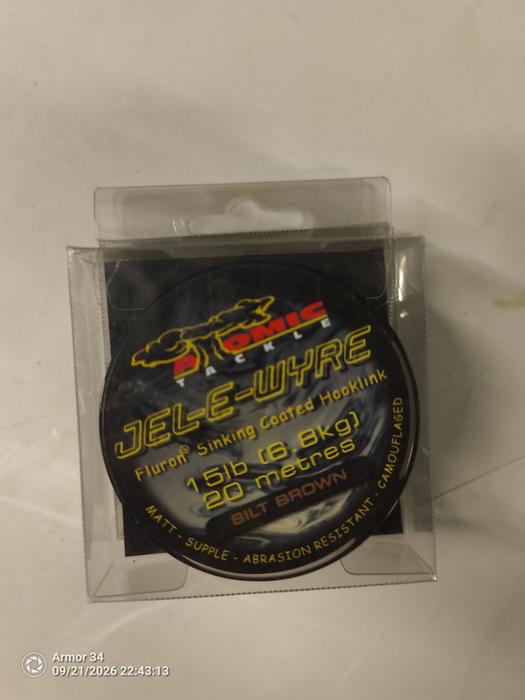
Atomic Tackle Hooklink Braided Sinking Coated Hooklink
£5.49New
Sold by Tackl
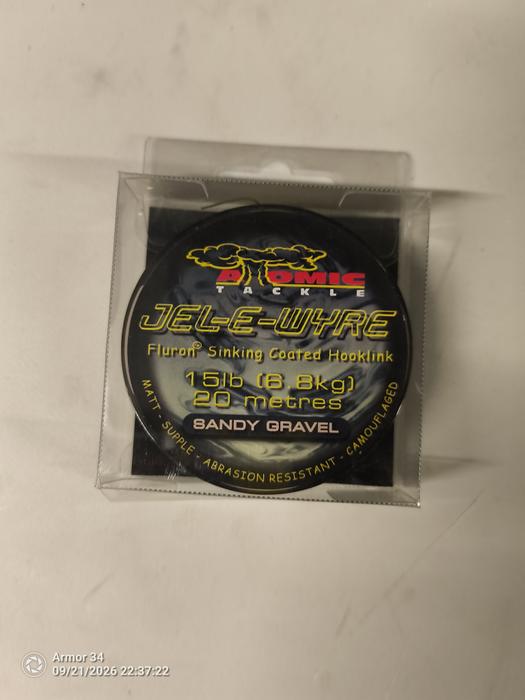
Atomic Tackle hooklink coated hooklink
£5.49New
Sold by Tackl
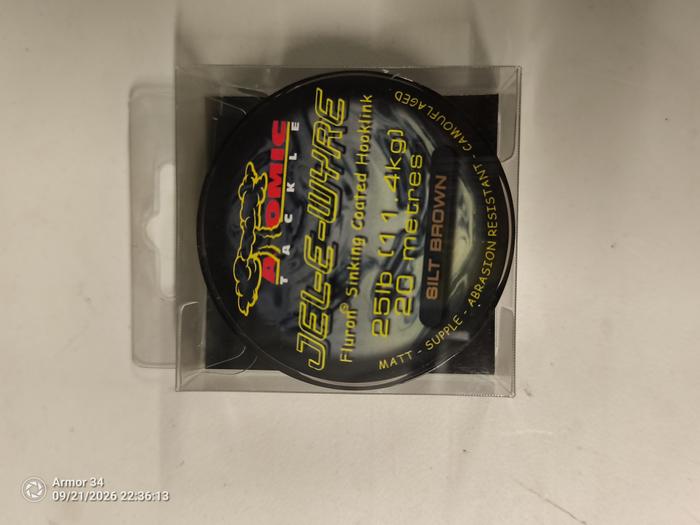
Atomic Tackle Hooklink Fluron Sinking Coated Hooklink
£5.49New
Sold by Tackl
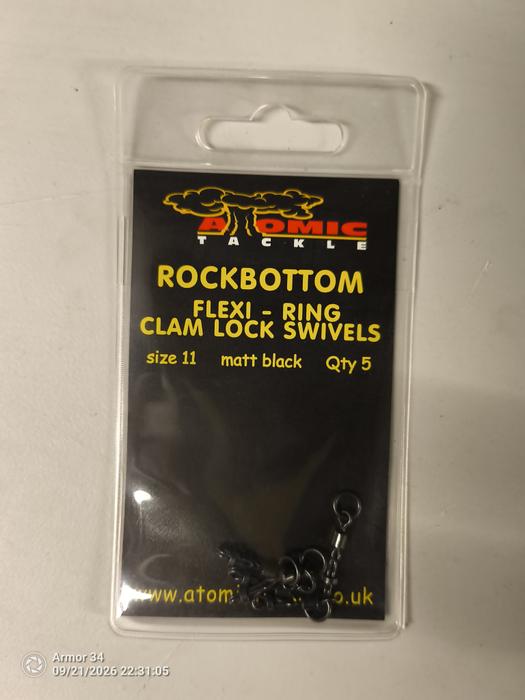
Atomic Tackle
£2.58New
Sold by Tackl
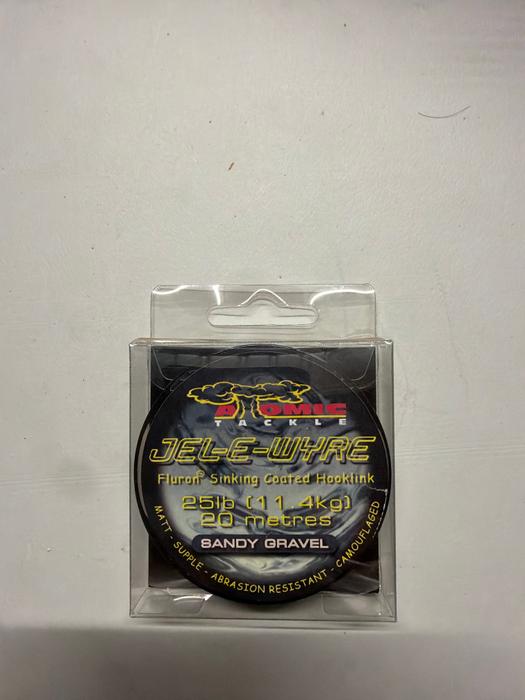
Atomic Tackle Line Fluorocarbon 25lbs 25lb (11.4kg) 20 metres
£5.49New
Sold by Tackl
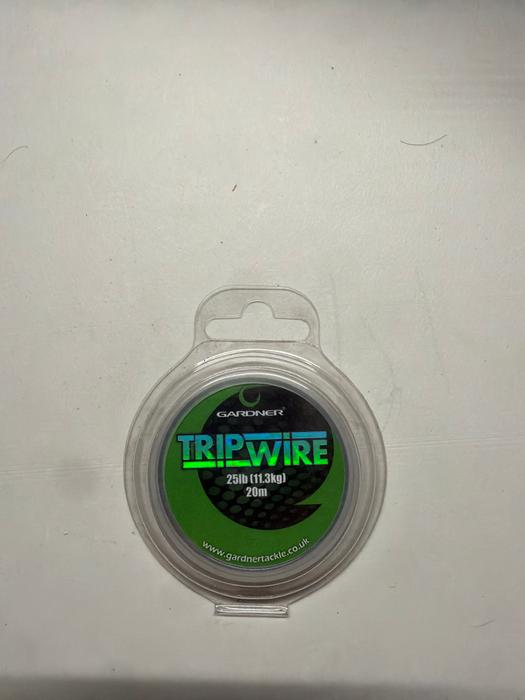
Gardner trip wire Line fishing line 25lbs
£3.00New
Sold by Tackl
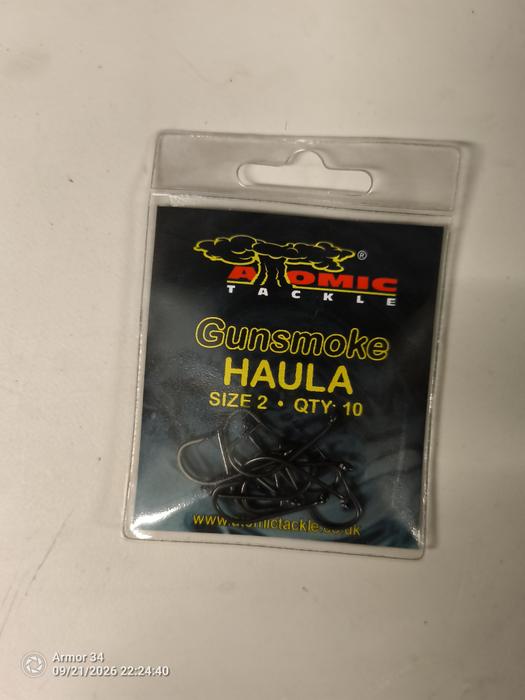
Atomic Tackle haula 2
£2.37New
Sold by Tackl
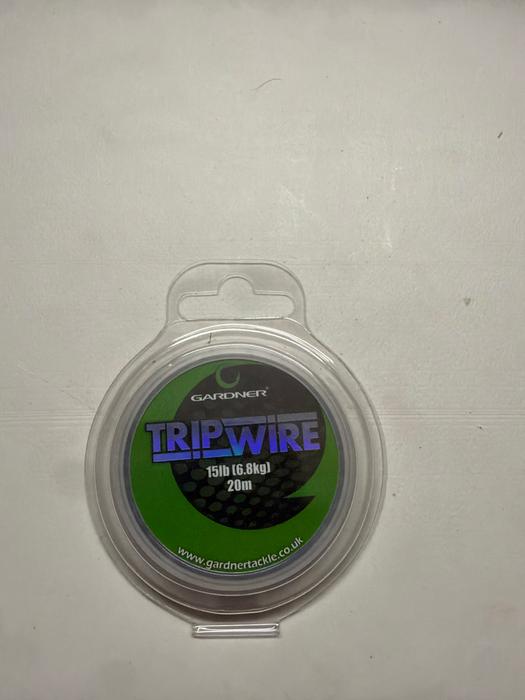
Gardner Trip Wire 15lb 20m
£4.24New
Sold by Tackl
General guidance, not professional advice. Always follow the venue's rules and current Environment Agency, NRW or Scottish regulations.