
Tackl Academy · Rigs
Sea Fishing Float Rigs: Fixed, Surface and Sliding
Sea float rigs suspend bait in the water rather than relying only on a bottom lead. Select the float and loading for the depth, bait and conditions you intend to fish.
By Tackl · Reviewed by TACKL · Updated 13 October 2026
Surface and shallow presentations
The source describes a surface float for species including mullet, garfish and mackerel. Its presentation differs from a heavily loaded float fishing deeper water. Bait weight and any shot influence how the float sits; a float chosen without the bait can behave differently once the rig is fishing.
Fixed waggler arrangements
A waggler is attached at its lower end. In a fixed arrangement, attachment and loading hold its position on the line. The book describes a short-to-medium-distance setup, with some shot around the float and the remainder between float and hook. The correct loading depends on the actual float, not a universal split-shot recipe.
Sliding floats for adjustable depth
A sliding float moves along the line until a stop limits its travel. A stop knot and bead control its position while the weight and hooklength hang below. The depth at the hook includes the line below the weight, so the stop’s distance is not the whole depth calculation.
Loading and stop-knot checks
Choose a float that supports the bait and weights you intend to use. The source advises moistening a Powergum stop before moving it to reduce friction damage. Check that its stop holds without damaging the line, the bead cannot slip through the float fitting, and the sliding parts move as intended. Stop-knot tying needs a verified demonstration; this overview does not invent one from a diagram.
The conditions still control the bait
Wind and current can move the float and lift or sweep the bait away from the expected depth. Adjust presentation thoughtfully and keep track of the rig’s movement near rocks, boats and other anglers. The book’s livebait and hook examples are not permission to use a bait or hook setup wherever you fish.
Source and review notes
Original Tackl explanation informed by Planet Sea Fishing, Book of Saltwater Rigs, PDF pages 24–26, 29–30, 60–61. The source carries Planet Sea Fishing copyright notices dated 2009. Publisher: https://www.planetseafishing.com/. No book illustrations or source pages are reproduced. Historical dimensions and hook choices are examples, not current legal or safety standards. This draft still needs hands-on angler review and approved original rig photos.
Questions
Why use a sliding sea float?
It allows the float to travel on the line while a stop sets the intended fishing position, useful where a fixed arrangement would be awkward.
Does the stop position equal the exact hook depth?
Not by itself. Allow for the hooklength and line below the weight, and for the angle caused by current.
Related
Shop this on Tackl
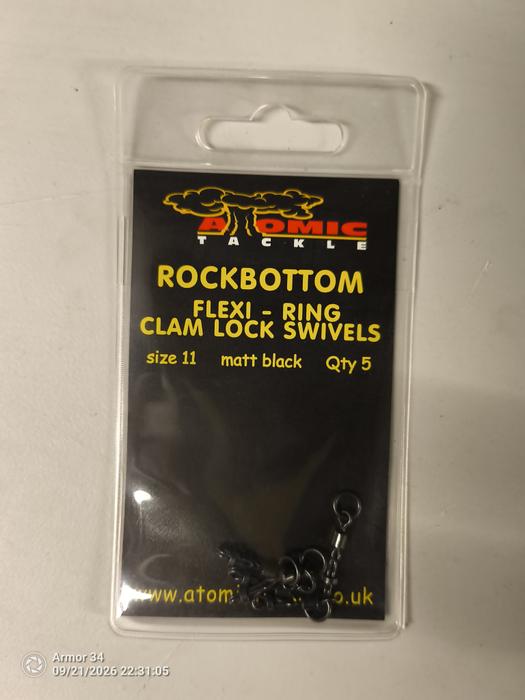
Atomic Tackle
£2.58New
Sold by Tackl
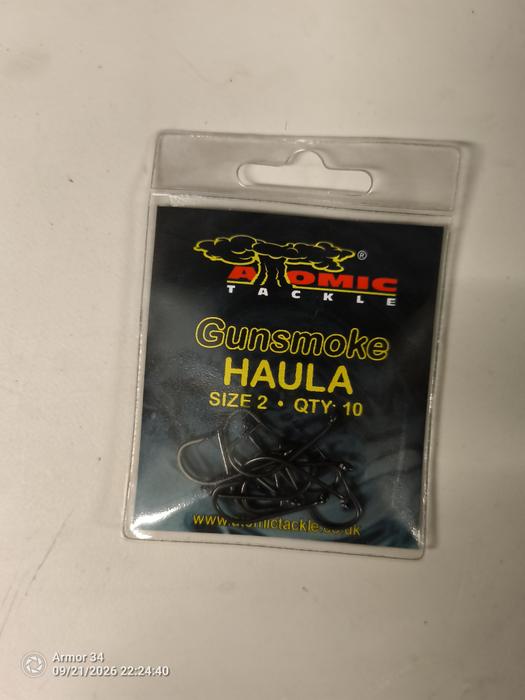
Atomic Tackle haula 2
£2.37New
Sold by Tackl

Atomic Tackle stinga 2
£2.37New
Sold by Tackl
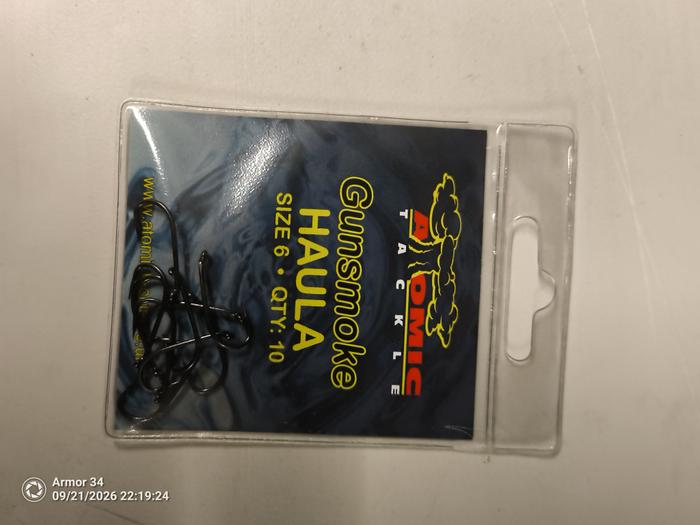
Atomic Tackle haula 6
£2.37New
Sold by Tackl
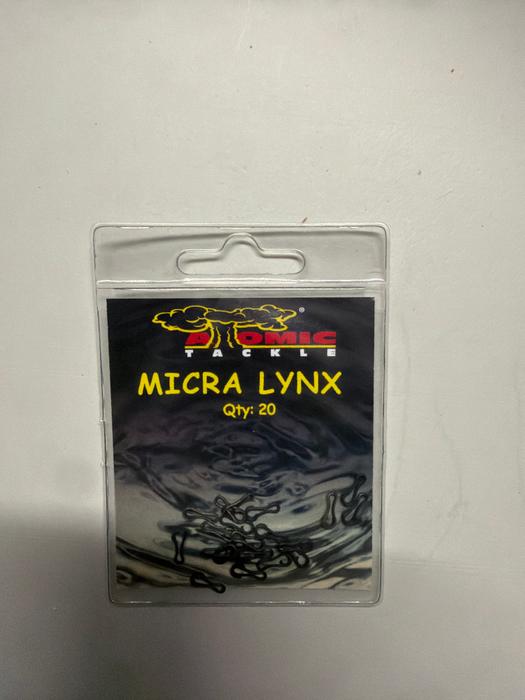
Atomic tackle micra lynx Swivels qty20
£2.06New
Sold by Tackl
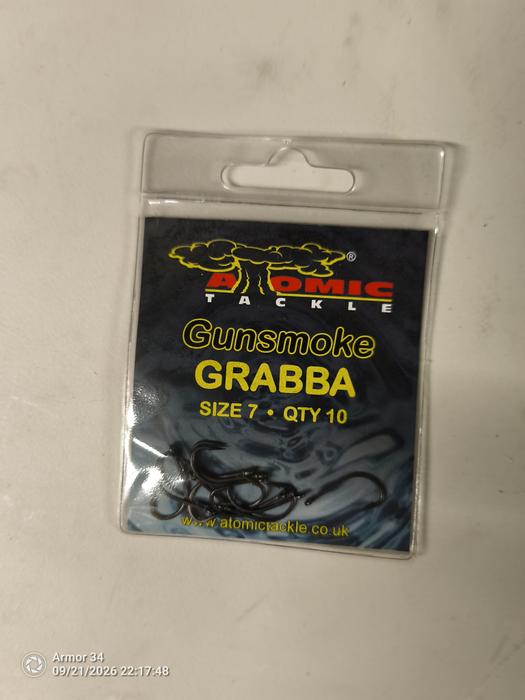
Atomic Tackle Hooks grabba 7
£2.37New
Sold by Tackl
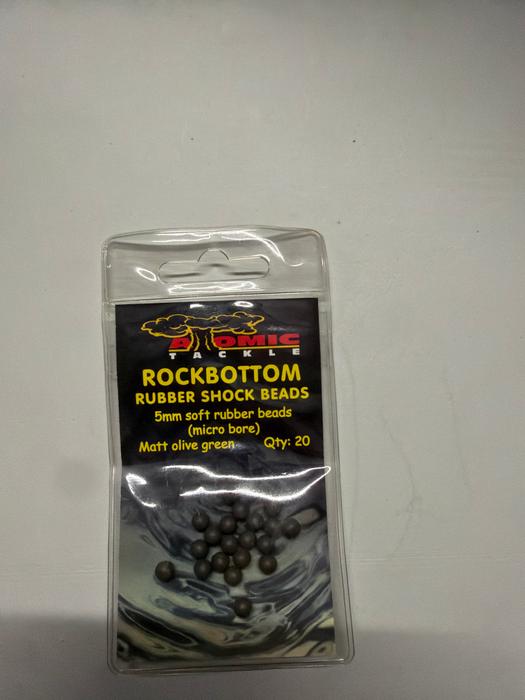
Atomic Tackle 5mm soft rubber Matt olive Green shock beads
£2.58New
Sold by Tackl
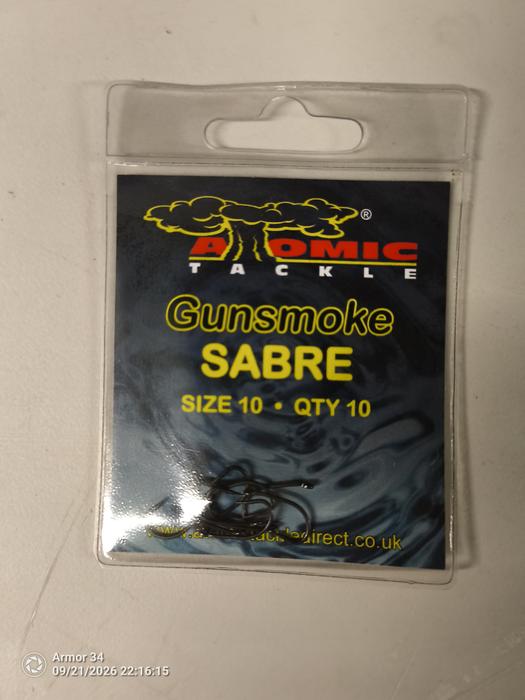
Atomic Tackle Hooks sabre 10
£2.37New
Sold by Tackl
General guidance, not professional advice. Always follow the venue's rules and current Environment Agency, NRW or Scottish regulations.