

Sturgeon Fishing UK
By Tackl · Updated 10 October 2026

Acipenser
A primitive, prehistoric-looking fish, sturgeon are a non-native species stocked into some UK stillwaters. Prized by specimen hunters for their immense size and fighting power, they are instantly recognisable by their bony plates (scutes), shark-like tail, and underslung mouth with sensitive barbels for locating food on the lakebed.
Photo: This illustration was made by Citron You must credit this : Citron / CC-BY-SA-3.0, CC BY-SA 3.0, via Wikimedia Commons
- Typical size
- 10-80lb, with specimens exceeding 100lb in some waters.
- British record
- 164lb 14oz (2021)
- Found in
- lake, gravel pit, reservoir, pond
- Peak season
- Summer and early Autumn
How to identify a sturgeon
Unmistakable. Sturgeon have a long, torpedo-shaped body lacking traditional scales, instead featuring five distinct rows of bony plates called scutes along their back and sides. The head is elongated with a pointed snout, beneath which are four fleshy barbels preceding a toothless, extendable, underslung mouth. The overall colour is typically grey or olive-brown on the back, fading to a paler, yellowish-white belly. The upper lobe of the tail fin is noticeably longer than the lower one, a feature known as a heterocercal tail, similar to that of a shark. Different stocked species like Diamondback and Siberian have subtle variations in snout shape and scute appearance.
Where it lives
In the UK, sturgeon are confined to man-made, well-managed stillwaters such as specimen carp lakes, gravel pits, and dedicated catfish/sturgeon venues. They are not a self-sustaining wild species in British rivers. They thrive in large, deep, and well-oxygenated water bodies with ample room to roam. As bottom-dwellers, they spend most of their time cruising over gravel, silt, and clay bottoms in search of food. They will often follow established patrol routes around islands, along margins, or through deeper channels in the lakebed. They are rarely found in shallow water, except during specific feeding spells.
What it eats and the best baits
Sturgeon are primarily benthic feeders, using their sensitive barbels to locate food on the bottom. Their natural diet consists of snails, mussels, crustaceans like crayfish, insect larvae, worms, and small fish. In a fishery environment, they readily adapt to high-protein angler's baits, especially those with a strong, savoury, or fishy scent. They actively patrol the lakebed, hoovering up food items with their protrusible, tube-like mouths. They are not fussy eaters but respond well to quality food sources.
- Fishmeal boilies
- Halibut pellets
- Lobworms
- Squid
- Prawns
- Luncheon meat
- Oily fish sections
Best time of year
- Jan – quieter
- Feb – quieter
- Mar – quieter
- Apr – quieter
- May – good
- Jun – good
- Jul – good
- Aug – good
- Sep – good
- Oct – good
- Nov – quieter
- Dec – quieter
As sturgeon are only found in stillwaters in the UK, they are not subject to the statutory coarse fish close season which applies to rivers, streams, and some canals and lakes.
How to catch sturgeon
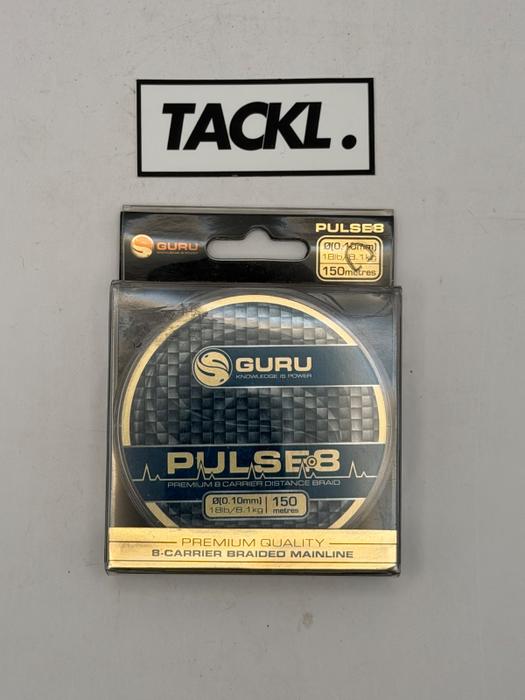
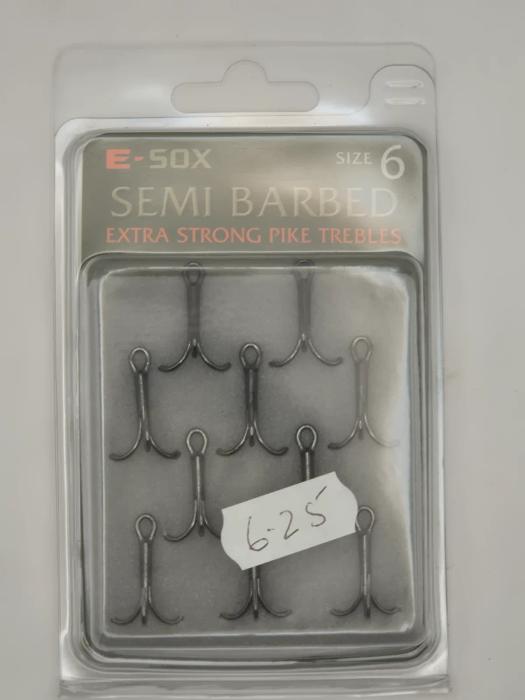
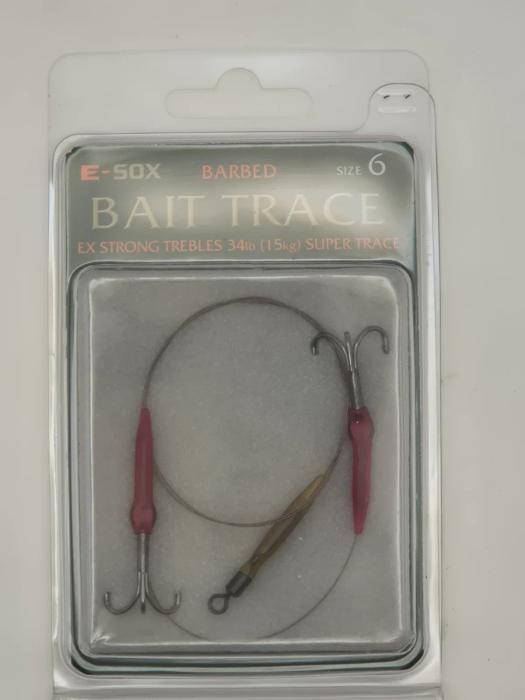
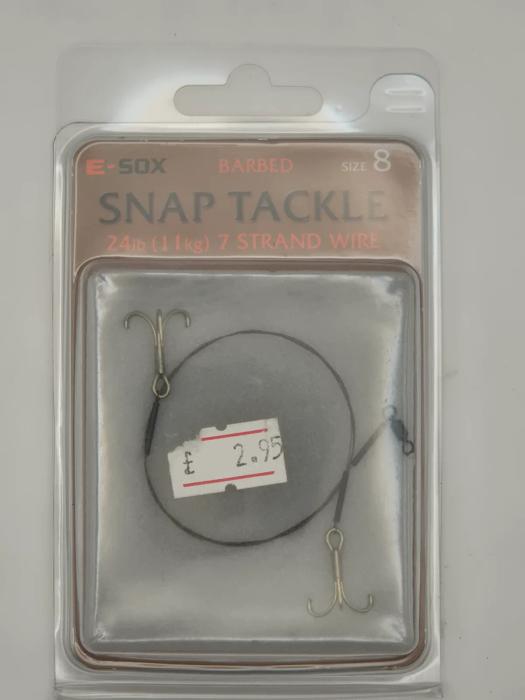
Heavy-duty specimen tackle is non-negotiable. Use strong carp or dedicated catfish rods with a test curve of at least 3.5lb, paired with a large big-pit style reel loaded with a minimum of 20lb monofilament or 50lb braid. Braid is often preferred for its lack of stretch, which aids bite indication. Terminal tackle must be robust and simple. A running ledger or a semi-fixed bolt rig with a short, strong hooklink of 35lb+ coated braid or fluorocarbon is ideal. Hooks should be large (size 2-6), strong, and barbless or micro-barbed as per fishery rules. Bites can range from a single bleep to a screaming run. When hooked, sturgeon are known for long, powerful runs and spectacular, airborne leaps. A large, deep landing net and a very large, well-padded unhooking mat are essential for fish welfare. Handle them with extreme care and return them quickly.
Legal notes
An Environment Agency rod licence is required to fish for any species in England and Wales. The native European Sturgeon (*Acipenser sturio*) is critically endangered, protected, and illegal to target. All sturgeon caught in UK fisheries are stocked non-native species and must be returned to the water unharmed. It is illegal to introduce non-native species, including sturgeon, without specific permits.
Rules change. Check current Environment Agency, NRW or Scottish regulations and the venue's own rules before fishing. Not professional or legal advice.
Where to catch sturgeon in the UK
We don't have venues confirmed for sturgeon yet. Browse all venues.
Tackle for sturgeon
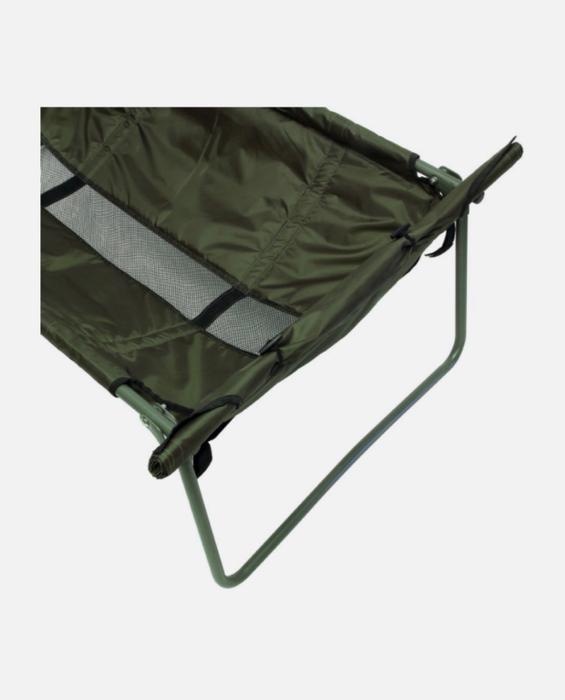
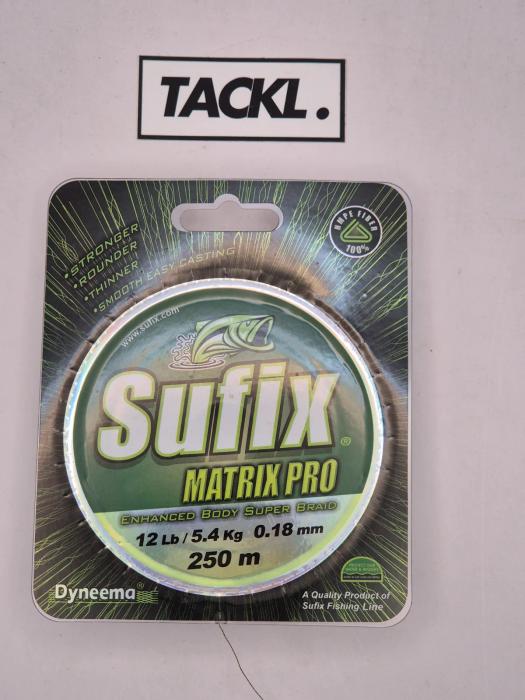
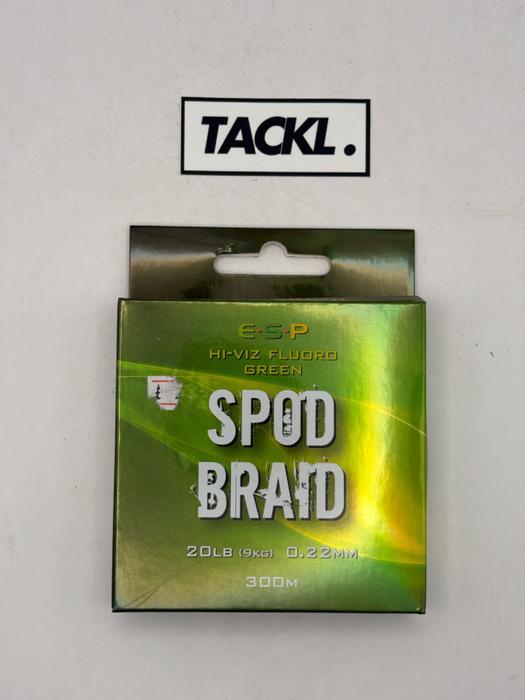
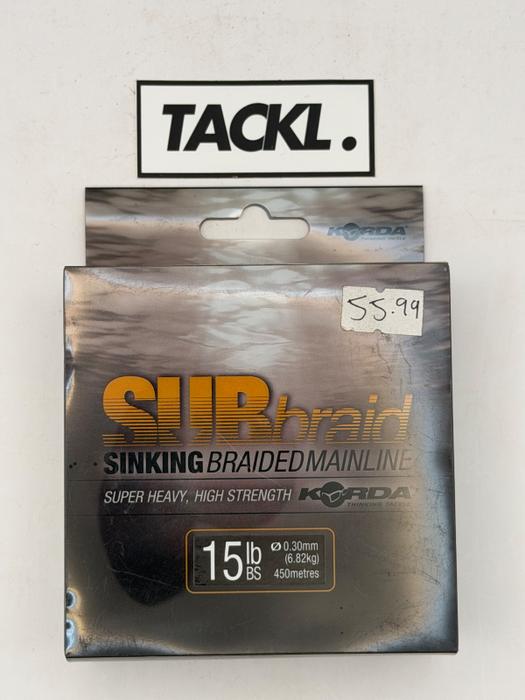
Sturgeon guides
- Coarse Fishing Close Season: When and Where You Can Fish in England & Wales
- Fish Catch and Size Limits in England & Wales: What You Can Keep
- Fishing Conditions Explained: How Weather Affects Fish
- Fishing Tackle Rules in England & Wales: Rods, Bait, Lead and Nets
- Rod Fishing Licence UK: Prices, Types, Rod Limits and How to Buy (2026)
- The Moon and Fishing: Phases, Solunar Theory and What Actually Matters
Sturgeon fishing questions
Are sturgeon native to the UK?
No. The fish anglers catch are non-native species stocked in commercial fisheries. The native European Sturgeon is functionally extinct in UK rivers and is a highly protected species. Any capture of a native sturgeon would be an exceptional event and must be reported to the authorities immediately.
What tackle do I need to catch a sturgeon?
Heavy-duty carp or catfish gear is essential due to their size and power. Use a rod with a test curve of 3.5lb or more, a large reel, and strong line (20lb+ mono or 50lb+ braid). Terminal tackle and hooks must be equally robust to handle the fight.
Can I eat a sturgeon I catch in the UK?
No. All sturgeon are caught on a catch-and-release basis in the UK. It is illegal to remove them from a fishery or to kill them. They must be returned to the water unharmed as quickly as possible.
Why do sturgeon jump out of the water?
This is a natural behaviour, believed to be for communication, to gulp air, to clear parasites from their gills, or simply due to high activity levels. It is a common and spectacular sight when playing a hooked fish or just observing them in a lake.
Do sturgeon have teeth?
No, sturgeon are toothless. They feed using a protrusible, tube-like mouth to vacuum up food from the bottom. This means they do not bite baits in the traditional sense and cannot bite an angler handling them.


