

Burbot Fishing UK
By Tackl · Updated 10 October 2026

Lota lota
The Burbot is a unique, eel-like freshwater member of the cod family, distinguished by a single chin barbel. Historically found in eastern English rivers, it is now officially considered extinct in the wild in the UK. It is a nocturnal, bottom-dwelling predator that was once a specialist winter quarry.
Photo: Wikimedia Commons contributor, CC BY-SA 3.0, via Wikimedia Commons
- Typical size
- Historically 1-3lb
- British record
- No official record
- Found in
- river
- Peak season
- Late Autumn & Winter
How to identify a burbot
The Burbot has a distinctive, elongated body, somewhat eel-like but with a broader, flattened head typical of the cod family. Its most prominent feature is the single, central barbel on its chin. It possesses two dorsal fins: a short first fin and a very long second fin that extends almost to the rounded tail. The pelvic fins are situated forward, just below the gills. Its skin is smooth and slimy with tiny, embedded scales, featuring a mottled pattern of dark brown and yellow blotches over a lighter background, providing excellent camouflage. This combination of features makes it unmistakable, though it could be confused with an eel by a novice at first glance.
Where it lives
Historically in the UK, Burbot inhabited slow-moving, clean, and well-oxygenated lowland rivers, particularly the great river systems of East Anglia and the Midlands, such as the Trent, Derwent, Ouse, and Cam. They required cool, clear water and preferred substrates of sand or gravel. Burbot are reclusive, nocturnal fish, spending daylight hours hidden in secure cover like undercut banks, submerged tree roots, dense weed beds, or beneath large stones. They were true bottom-dwellers, rarely venturing into mid-water. The loss and degradation of this specific habitat was a primary factor in their extinction in British waters.
What it eats and the best baits
A carnivorous predator, the Burbot's diet consists mainly of other fish, particularly bottom-dwellers like bullheads, gudgeon, and stone loach, as well as small roach and perch. It is also known to consume crayfish where available, along with large aquatic invertebrates and fish eggs. As a nocturnal hunter, it uses its chin barbel and excellent sense of smell to locate prey in low light conditions close to the riverbed, often ambushing its victims from cover.
Best time of year
- Jan – good
- Feb – good
- Mar – quieter
- Apr – quieter
- May – quieter
- Jun – quieter
- Jul – quieter
- Aug – quieter
- Sep – quieter
- Oct – good
- Nov – good
- Dec – good
As a river species, Burbot were historically subject to the coarse fishing close season (15 March to 15 June inclusive) on rivers in England and Wales. This regulation remains in force on all rivers, regardless of target species.
How to catch burbot
This information is provided for historical context only. Burbot must not be targeted by anglers in the UK. Historically, the most effective method was static legering at night, as Burbot are nocturnal feeders. A simple running leger rig or a free-lined bait was favoured, allowing the fish to take the bait with minimal resistance. Terminal tackle was kept straightforward, typically comprising a size 4 to 8 hook baited with a small dead fish like a gudgeon, a fish section, or a large lobworm. Anglers would cast to likely-looking features such as undercut banks, submerged roots, or deeper channels and wait for a slow, deliberate take. Due to their protected status, should a Burbot be caught by accident, it must be unhooked with care and returned to the water immediately.
Legal notes
The Burbot is considered extinct in the wild in the UK and is a protected species under Schedule 5 of the Wildlife and Countryside Act 1981. It is illegal to intentionally target, harm, or kill Burbot. Conservation projects are attempting to reintroduce the species; any accidentally caught fish must be returned to the water immediately and unharmed.
Rules change. Check current Environment Agency, NRW or Scottish regulations and the venue's own rules before fishing. Not professional or legal advice.
Where to catch burbot in the UK
We don't have venues confirmed for burbot yet. Browse all venues.
Tackle for burbot

Korda Subline Tapered mainline
£8.00

Snowbee Fly Fishing Reel
£149.99

Fishing Reel Greys fin Cassette salmon
£59.99
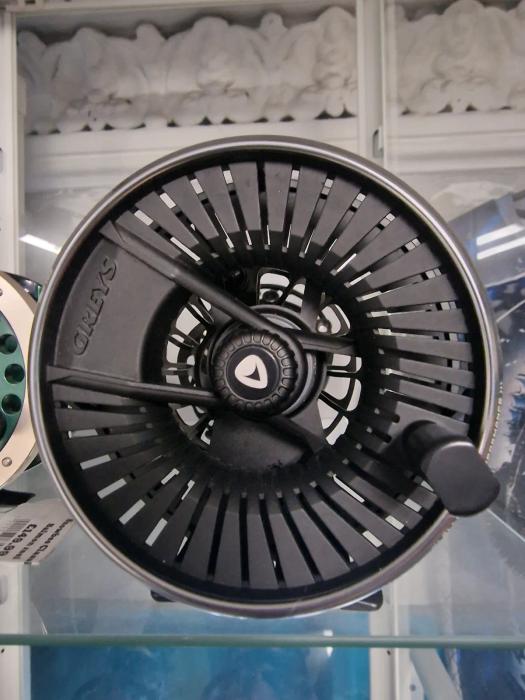
Greys Fly Reel Fishing Reel
£59.99
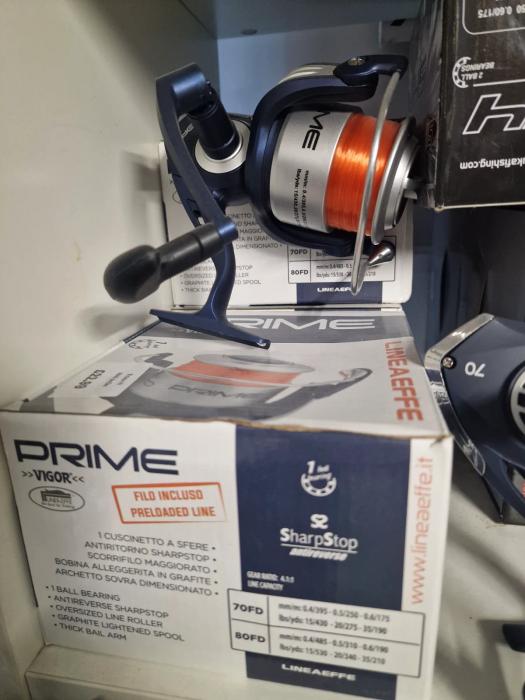
Lineaeffe Spinning 7000 Fishing Reel
£19.99
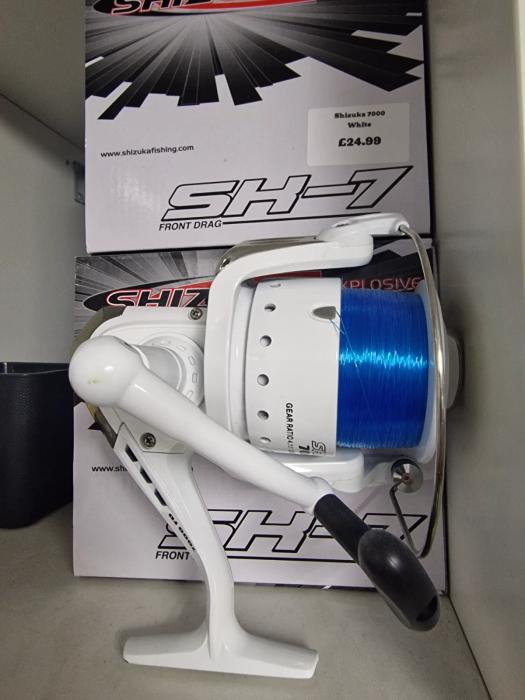
Shizuka Big Pit 7000 Fishing Reel
£23.99
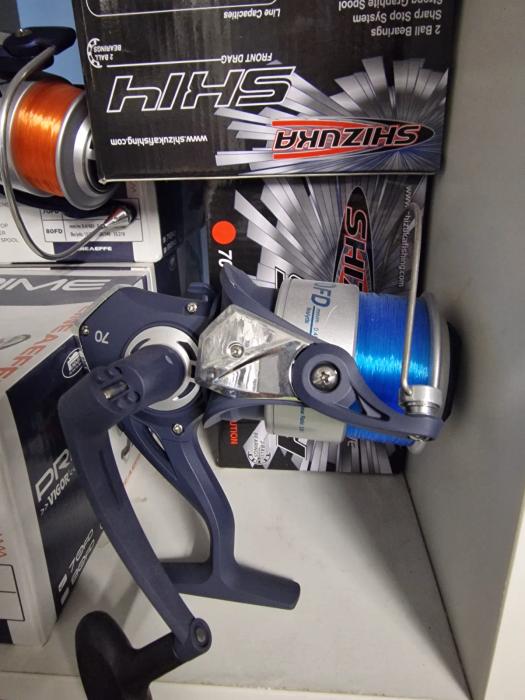
Shizuka Spinning 7000 Fishing Reel
£21.99
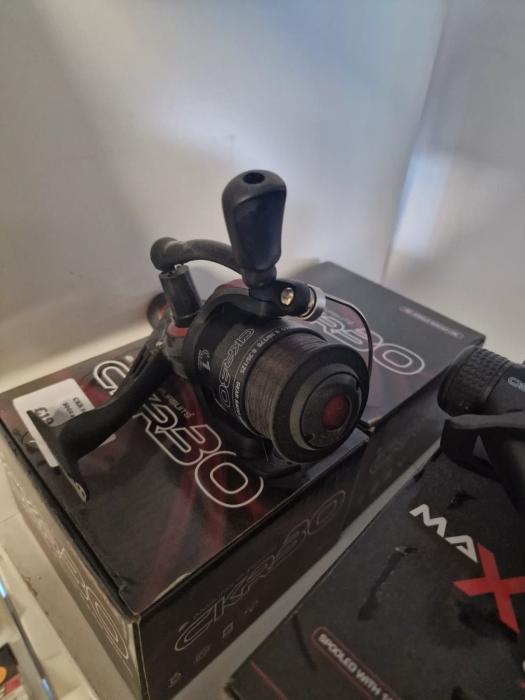
Angling Pursuits Rear Drag 3000 Fishing Reel
£19.99
Burbot guides
- Coarse Fishing Close Season: When and Where You Can Fish in England & Wales
- Fish Catch and Size Limits in England & Wales: What You Can Keep
- Fishing Conditions Explained: How Weather Affects Fish
- Fishing Tackle Rules in England & Wales: Rods, Bait, Lead and Nets
- Rod Fishing Licence UK: Prices, Types, Rod Limits and How to Buy (2026)
- The Moon and Fishing: Phases, Solunar Theory and What Actually Matters
Burbot fishing questions
Are there still Burbot in the UK?
No, the Burbot is officially considered extinct in the wild in Great Britain, with the last confirmed capture being in 1969. Reintroduction projects are underway, but there are no established, self-sustaining wild populations for anglers to encounter.
Why did Burbot go extinct in the UK?
The decline was caused by a combination of factors, primarily habitat loss from river channelisation and the construction of weirs that blocked migration. Water pollution from industrial and agricultural sources during the 20th century was also a major contributor to their demise.
What should I do if I think I've caught a Burbot?
Given their status, this is highly unlikely but possible due to reintroductions. Handle it with extreme care, minimise its time out of the water, and return it immediately. It is vital to report the capture with photographic evidence and location details to the Environment Agency.
What was the last official UK record for Burbot?
The British Record Fish Committee no longer lists a record for Burbot. However, the last widely recognised record was a fish of 5lb 0oz caught by T. H. Gower from a tributary of the River Trent in 1969, shortly before the species was declared extinct.
Are Burbot related to eels or catfish?
Despite its eel-like body and single barbel, the Burbot is not related to either. It is a unique species, being the only member of the cod family (Gadidae) that lives exclusively in freshwater, sharing ancestors with marine species like Cod, Haddock, and Pollack.


