

Tackl Academy · Rigs
Rotten Bottom Rigs: Weak Links and Casting Safety
A rotten bottom is a weaker connection intended to release a snagged lead. The crucial safety issue is how the lead is retained during casting—not simply how weak the link is.
By Tackl · Reviewed by Ashley Francis · Updated 13 October 2026
Why a sacrificial lead link is used
If the lead becomes stuck, a deliberately weaker link may part before the rest of the tackle. This can reduce the amount of gear lost, but it does not guarantee recovery of the hooklength or fish. The hook or main line can still snag elsewhere.
The weak link must not carry an unsafe cast
Casting a lead generates a different load from holding it still. A weak link used as the only casting connection can release the lead dangerously. A system intended to retain the lead for the cast and release it while fishing must be used exactly as specified by its maker.
The book’s power-casting warning
The source explicitly warns that neither of its two improvised rotten-bottom arrangements is suitable for power casting. That restriction is retained here. This guide does not reproduce its homemade pin-and-foam construction or recommend it as a modern casting solution.
Commercial clips still require checks
A bought clip is not automatically suitable for every lead or cast. Check the lead eye, release clearance and the manufacturer’s limits. A jammed release may stop the lead shedding; an insecure casting connection may let it fly free. Do not guess compatibility from the clip’s appearance.
Rough ground and responsible tackle use
A weak link is not a reason to leave gear behind unnecessarily. Use the least complicated suitable arrangement and check for damage between casts. Do not rely on a pulley action or a weak lead link to compensate for unsafe fishing positions, weather or unsuitable tackle.
Source and review notes
Original Tackl explanation informed by Planet Sea Fishing, Book of Saltwater Rigs, PDF pages 15, 20–21, 46–47. The source carries Planet Sea Fishing copyright notices dated 2009. Publisher: https://www.planetseafishing.com/. No book illustrations or source pages are reproduced. Historical dimensions and hook choices are examples, not current legal or safety standards. This draft still needs hands-on angler review and approved original rig photos.
Questions
Can I power cast an improvised rotten bottom?
No. The source explicitly excludes power casting for its improvised designs. Use a verified system intended for your casting method.
Does a rotten bottom make a pulley rig?
No. A rotten bottom is a lead-release principle; a pulley is a moving rig arrangement.
Related
More guides in Sea Fishing
- Boat Fishing Rigs: Booms, Gilling and Jigging
- Clipped-Down Sea Fishing Rigs: Bait Clips and Distance
- Flapper and Paternoster Rigs for Sea Fishing
- Mackerel Feathers and Sabiki Rigs Explained
- Pennel Rig: Two Hooks for Larger Sea Fishing Baits
- Pulley Rig for Shore Fishing: How It Works
- Running Leger Rig for Sea Fishing
- Sea Fishing Float Rigs: Fixed, Surface and Sliding
- Sea Fishing Rigs: Choosing a Shore or Boat Setup
- UK Commercial Fishing Methods Explained
- Rod Fishing Licence UK: Prices, Types, Rod Limits and How to Buy (2026)
- All Sea Fishing guides
Shop this on Tackl
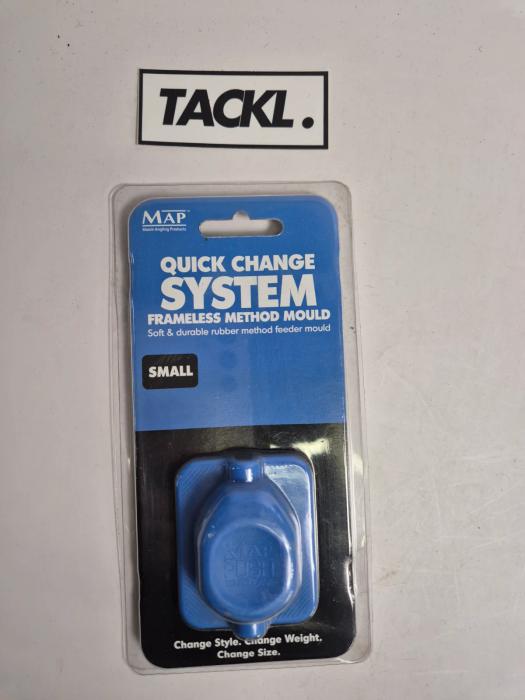
MAP quick change system frameless method mould small
£2.58New
Sold by Tackl
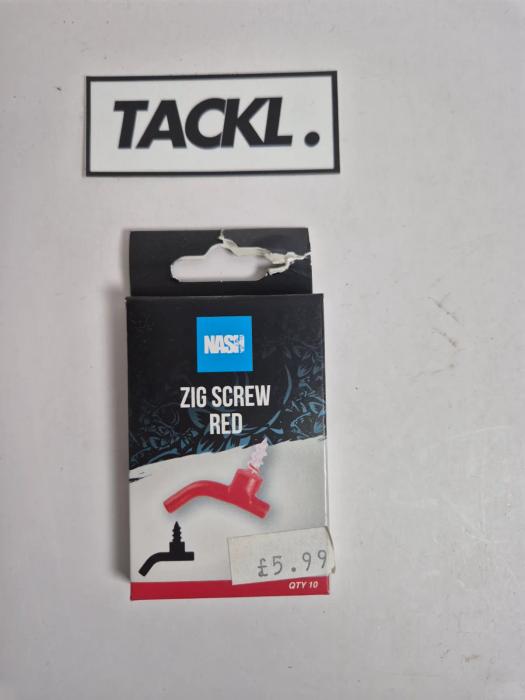
Nash zig screw red
£4.66New
Sold by Tackl
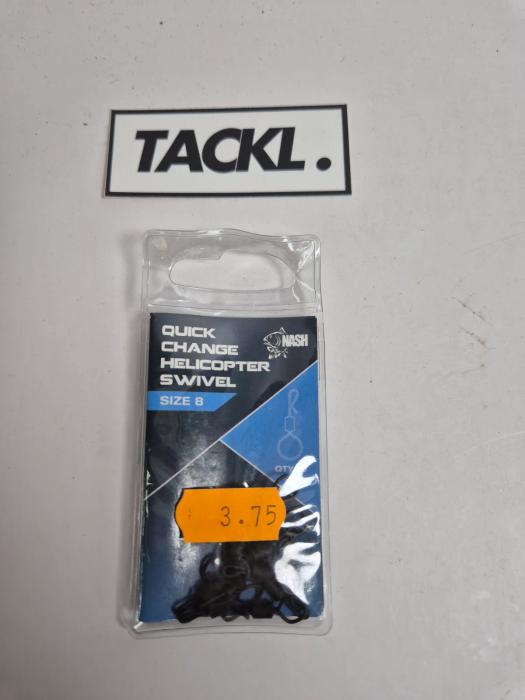
Nash quick change helicopter Swivels size 8
£3.36New
Sold by Tackl
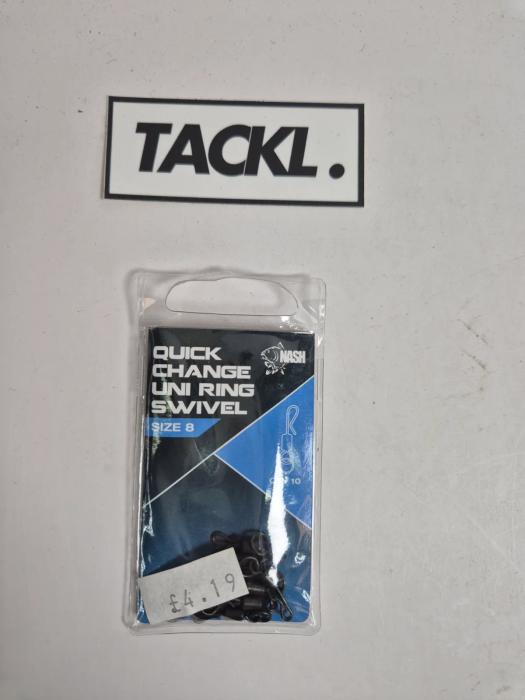
Nash quick change uni ring Swivels
£3.88New
Sold by Tackl
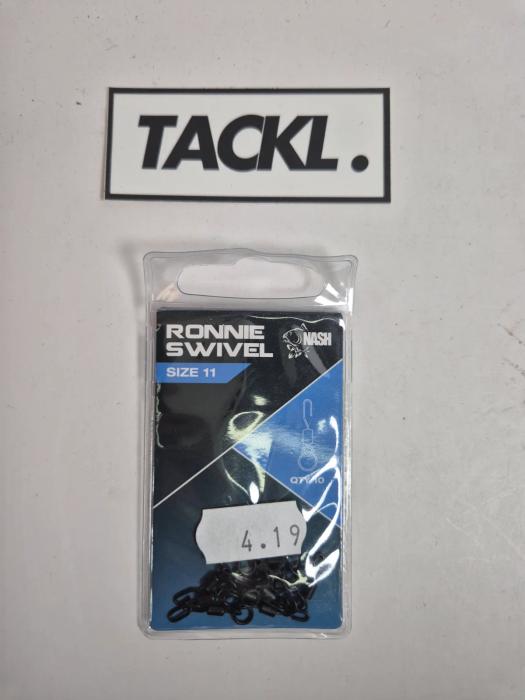
Nash Ronnie Swivels size 11
£3.62New
Sold by Tackl
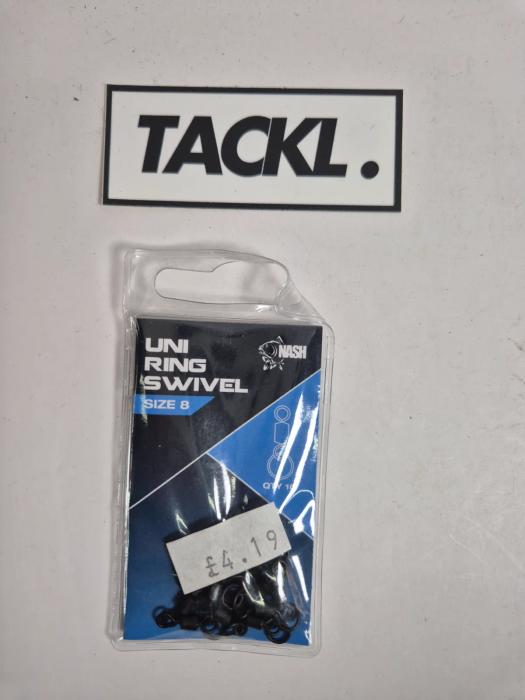
Nash uni rig Swivels size 8
£3.36New
Sold by Tackl
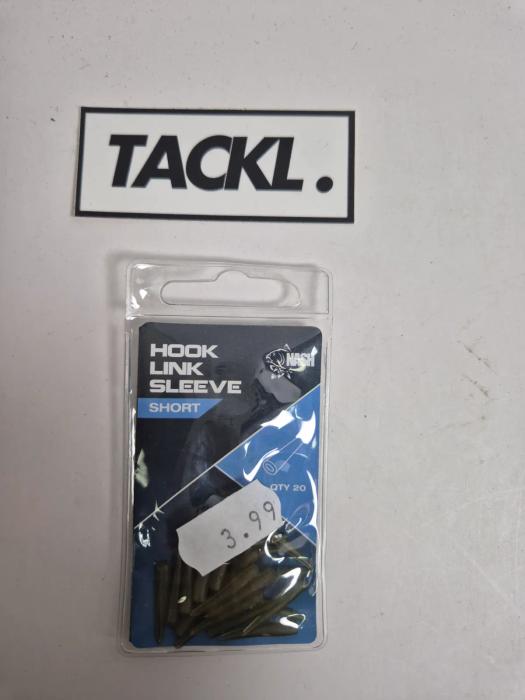
Nash hook link sleeve short
£3.10New
Sold by Tackl
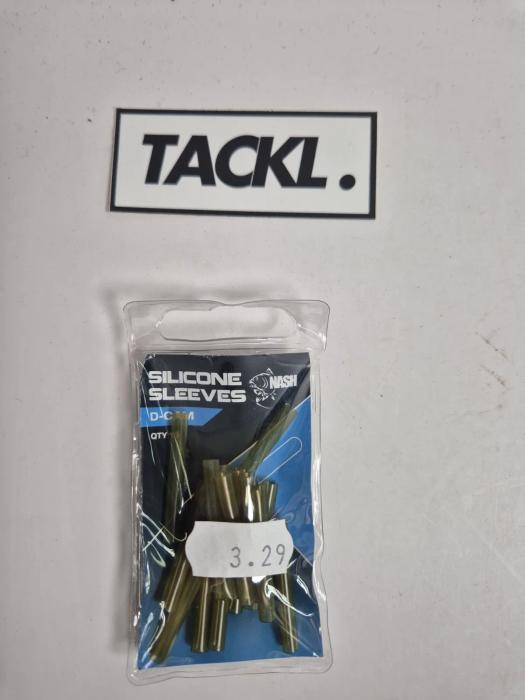
Nash silicone sleeve d_cam
£2.58New
Sold by Tackl
General guidance, not professional advice. Always follow the venue's rules and current Environment Agency, NRW or Scottish regulations.