

Red Gurnard Fishing UK
By Tackl · Updated 30 October 2026

Chelidonichthys cuculus
Red gurnard are striking, bright red fish with large, bony heads and leg-like fin rays that they use to walk along the seabed. They are a common summer catch from rock marks and beaches in the south and west. They take baits readily, and many anglers catch them while targeting other species, but they are worth targeting for themselves.
Photo: Barney Livingston, CC BY-SA 2.0, via Wikimedia Commons
- Typical size
- 8oz–1lb from the shore; a fish over 2lb is a specimen.
- From the shore
- Rocks, beaches
- Found in
- sea
- Peak season
- Summer and early autumn
How to identify a red gurnard
A medium-sized fish with a large, bony, armoured head, a sloping profile and a tapering body. Colour is bright red to orange-red, with a paler belly. The lateral line is lined with plate-like scales forming a row of ridges. The pectoral fins are fairly short and reddish, and the first three rays are separate and finger-like, used to walk and feel for food. The tub gurnard is bigger, with very large pectoral fins edged in bright blue or green. Grey gurnard are grey-brown with white spots. Red mullet have barbels under the chin, and a smoother head.
Where it lives
Red gurnard live on sand, gravel and mixed ground, often near rocky areas, in moderately deep water. Shore anglers catch them from rock marks with deep water close in, steep shingle beaches and piers. They are most common in south-west England, along the south coast, around Wales and the west coast of Scotland and Ireland, with fewer fish further east and north. They are generally a summer and autumn catch from the shore.
What it eats and the best baits
Red gurnard feed on the seabed, using their finger-like pectoral rays to find shrimps, crabs, prawns and other crustaceans, along with worms and small fish. Fish strip, especially mackerel, gives off scent and flutters in the tide, attracting gurnard. Worm baits match their natural food and are also effective, especially on clean sand and mixed ground.
- Mackerel strip
- Squid strip
- Ragworm
- Lugworm
- Small soft plastics
Best time of year
- Jan – quieter
- Feb – quieter
- Mar – quieter
- Apr – quieter
- May – good
- Jun – good
- Jul – good
- Aug – good
- Sep – good
- Oct – good
- Nov – quieter
- Dec – quieter
Typical best months for shore anglers in England and Wales. What's in season
How to catch red gurnard
A two-hook flapper or paternoster with size 2–1/0 hooks baited with mackerel strip, squid strip or worm works well. Use a 3–5oz lead depending on tide and depth, and a light beachcaster or bass rod so you can feel bites and enjoy the fight. Red gurnard are also caught on LRF and drop-shot tackle with small soft plastics, scented worms or tiny metals bounced along the bottom. Daytime fishing in summer is usually best, especially on flooding tides and around high water. Look for rock marks with sand or mixed ground nearby. Bites are positive pulls and rattles, often followed by the rod tip bending round. Gurnard grunt when caught, which surprises many anglers. Fight is lively for their size, but they come in quickly once turned.
Size and bag rules
We haven't confirmed a red gurnard size or bag limit from an official source yet. Check: Northumberland IFCA, North Eastern IFCA, Eastern IFCA, Kent & Essex IFCA, Sussex IFCA, Southern IFCA, Devon & Severn IFCA, Cornwall IFCA, Isles of Scilly IFCA, North Western IFCA, Wales, Scotland, Northern Ireland.
Rules change, especially for bass: always check the official source before keeping a fish. All sea fishing rules
Handling and release
Red gurnard have sharp spines on the gill covers and dorsal fin, so handle them with wet hands and hold them firmly but gently behind the head. Use forceps to unhook and return fish promptly if you are not keeping them. Avoid holding them by the jaw, and support the body. Check the size and bag rules for your area below if keeping fish.
Where to catch red gurnard in the UK
We don't have venues confirmed for red gurnard yet. Browse all venues.
Tackle for red gurnard
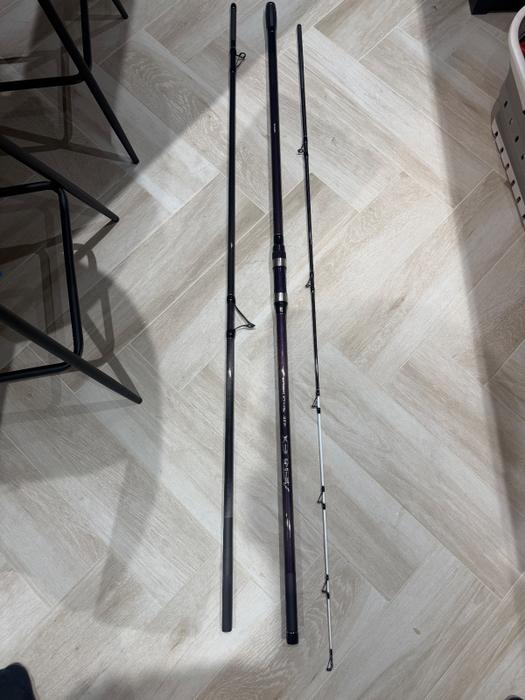
Shimano Aerlex 425cx Tublar 3 Piece Beach / Surf Rod Fishing Rod
£99.00
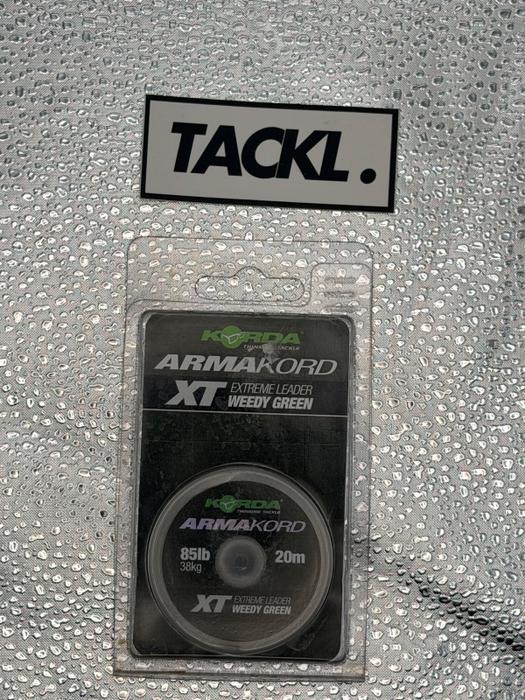
Korda Armakord extreme leader weedy green
£10.00
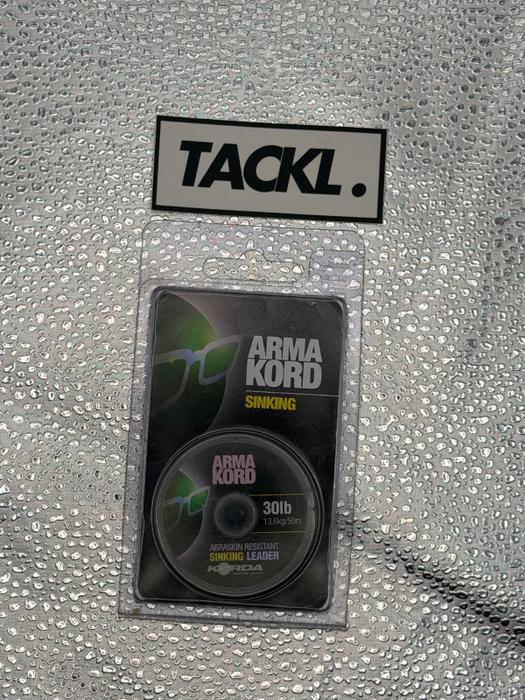
Korda Armamord sinking leader
£15.00
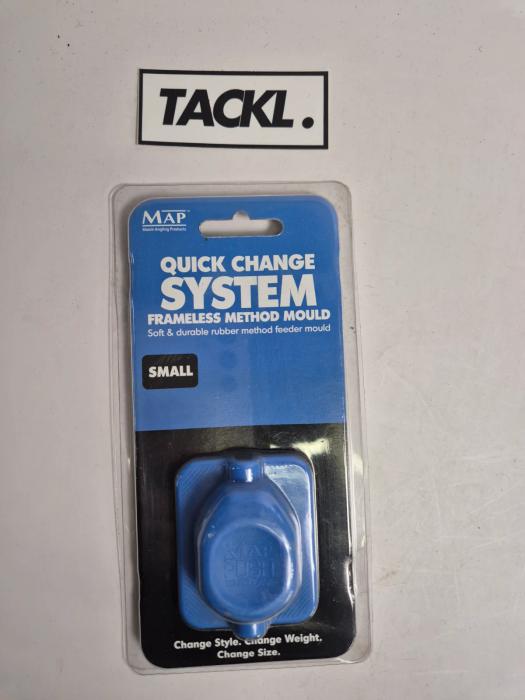
MAP quick change system frameless method mould small
£2.00
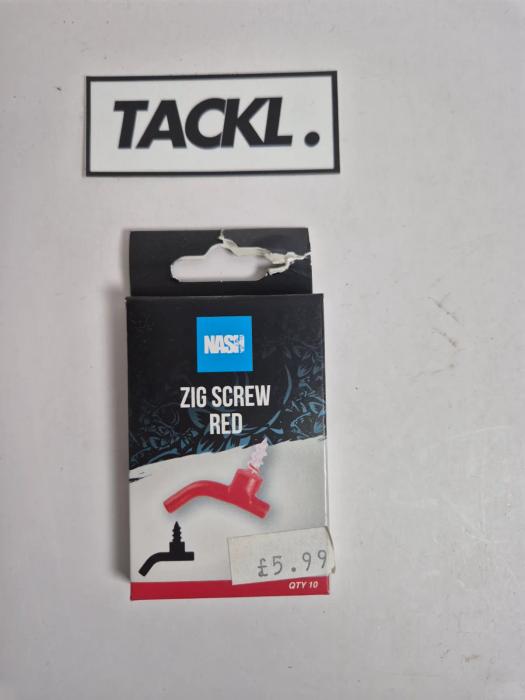
Nash zig screw red
£4.00
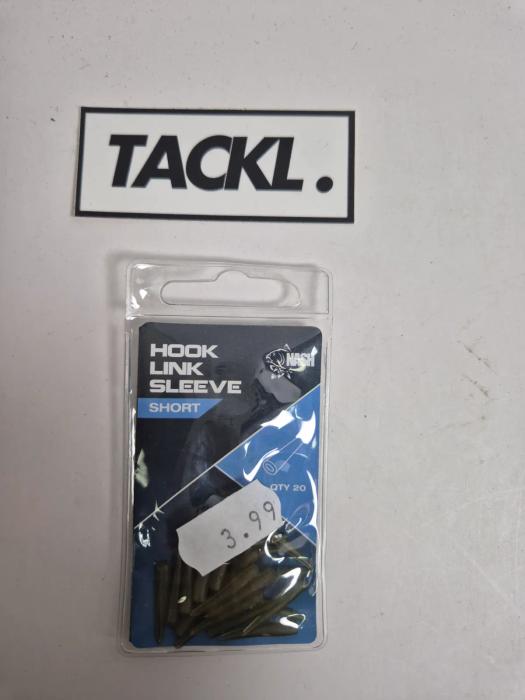
Nash hook link sleeve short
£2.50
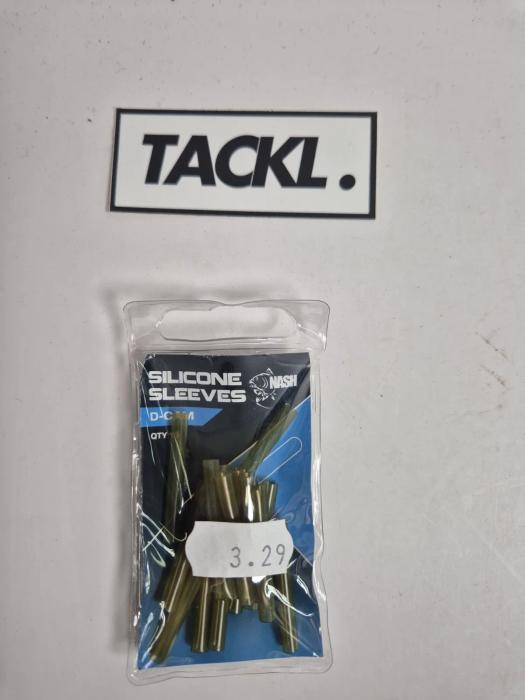
Nash silicone sleeve d_cam
£2.00
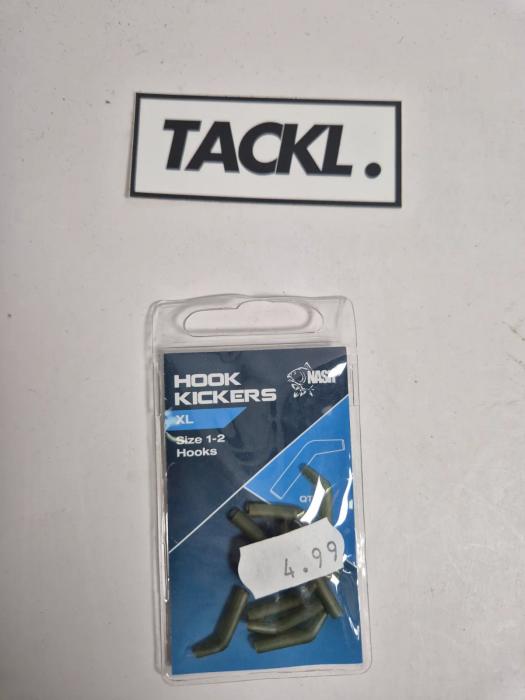
Nash hook kickers
£3.00
Red Gurnard guides
Red Gurnard fishing questions
Can you eat red gurnard?
Yes, red gurnard have firm, sweet white flesh and are very good eating. They are bony, so filleting takes care, but they are excellent in stews, soups and grilled whole. Take only what you need and check the size and bag rules for your area below.
How do I tell a red gurnard from a tub gurnard?
Tub gurnard are bigger and have very large pectoral fins edged in bright blue or green, which are obvious when spread. Red gurnard have shorter, reddish pectoral fins and a row of plate-like scales along the lateral line. Both are red, so check the fins carefully.
Why do gurnards grunt?
Gurnards make grunting or croaking sounds by vibrating muscles attached to their swim bladder. It is thought to be used for communication. It is perfectly normal when you land one, and it does not mean the fish is in distress beyond the usual stress of being caught.


