

Dragonet Fishing UK
By Tackl · Updated 30 October 2026

Callionymus lyra
The dragonet is a small, flattened bottom-dwelling fish found on sandy beaches around the UK. The males are among the most colourful fish in British waters, and dragonets are a common summer catch for anglers using small hooks and worm baits, as well as an interesting species for those collecting different fish.
Photo: Hans Hillewaert, CC BY-SA 4.0, via Wikimedia Commons
- Typical size
- 1–4oz from the shore; a fish over 6oz is a big one.
- From the shore
- Sandy beaches
- Found in
- sea
- Peak season
- Spring and summer
How to identify a dragonet
Dragonets have a flattened head, a slender, tapering body, eyes on top of the head and a small, protrusible mouth. Each gill cover has a strong, hooked spine. Mature males are spectacular, with bright blue and yellow markings and a very tall first dorsal fin with a long first ray. Females and young males are smaller and sandy brown with darker blotches. Weevers can be confused with them but have an upward-slanting mouth, a black first dorsal fin with venomous spines and a deeper body. Gobies have two dorsal fins and a rounded head.
Where it lives
Dragonets live on clean sand, muddy sand and fine gravel, from shallow water down to deeper offshore grounds. From the shore they are caught on sandy beaches, around harbour mouths and from piers over sand. They are found all around the UK and are common on many beaches in the south and south-west of England, Wales and the Irish Sea. In spring and summer they move into shallower water to breed, which is when shore anglers catch the most.
What it eats and the best baits
Dragonets feed on small invertebrates living in the sand, such as tiny worms, amphipods, small shrimps and other crustaceans. Their small mouths are suited to tiny prey, which is why small worms, such as pieces of ragworm or lugworm, work well. A small bait on a small hook is far more effective than a large one.
- Ragworm
- Lugworm
- Small worm
- Mussel
- Shrimp
Best time of year
- Jan – quieter
- Feb – quieter
- Mar – quieter
- Apr – quieter
- May – good
- Jun – good
- Jul – good
- Aug – good
- Sep – good
- Oct – quieter
- Nov – quieter
- Dec – quieter
Typical best months for shore anglers in England and Wales. What's in season
How to catch dragonet
Dragonets are usually caught on light tackle with small hooks. A two-hook flapper rig with size 6 to 2 hooks and small pieces of worm is ideal, cast a short distance over sand from beaches or piers. Light rock fishing gear works well too, using a running rig or drop-shot with size 10 to 6 hooks. Leads of 1 to 3oz are plenty on most calm summer days, or use split shot on LRF tackle. Dragonets feed in daylight, and they can be caught at most states of tide, though the flood tide is often good. Bites are small taps and tremors on the rod tip, as dragonets nibble at the bait. Wait for the tip to pull round before winding in, and keep baits small to improve hook-ups.
Size and bag rules
We haven't confirmed a dragonet size or bag limit from an official source yet. Check: Northumberland IFCA, North Eastern IFCA, Eastern IFCA, Kent & Essex IFCA, Sussex IFCA, Southern IFCA, Devon & Severn IFCA, Cornwall IFCA, Isles of Scilly IFCA, North Western IFCA, Wales, Scotland, Northern Ireland.
Rules change, especially for bass: always check the official source before keeping a fish. All sea fishing rules
Handling and release
Dragonets have a sharp, hooked spine on each gill cover, so handle them gently with wet hands to avoid being pricked. They are not venomous, but take care, and do not mistake them for weevers, which sting. Unhook quickly with forceps or a disgorger and return them promptly, keeping them out of the water as briefly as possible.
Where to catch dragonet in the UK
We don't have venues confirmed for dragonet yet. Browse all venues.
Tackle for dragonet
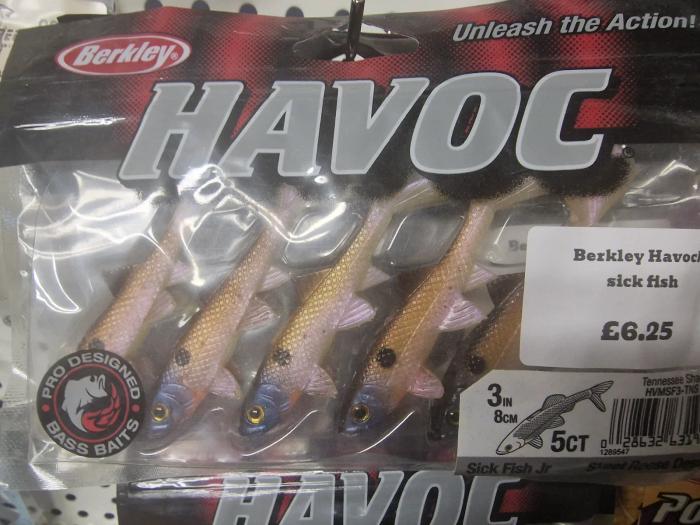
Berkley Havoc perch sick fish lure for bass/ Pike
£6.25
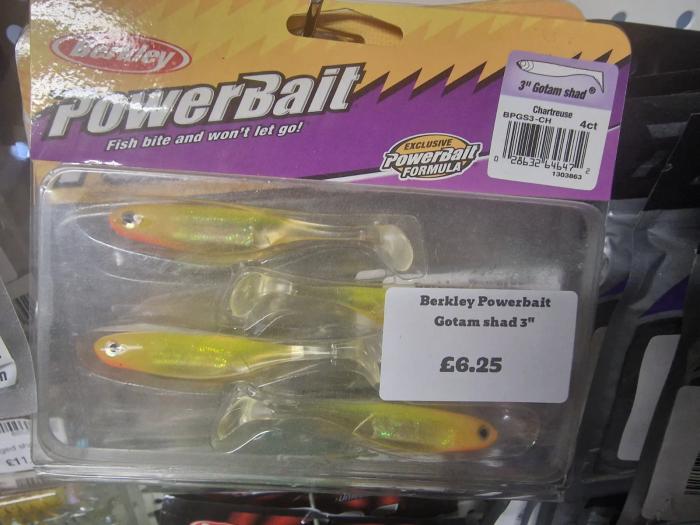
Berkley Soft Plastic / Shad Fishing Lure
£6.25
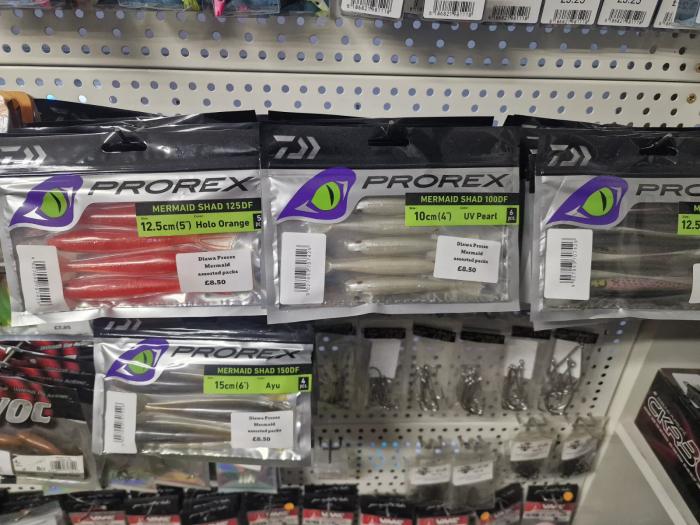
Daiwa Soft Plastic / Bass Fishing Lure Prorex mermaid
£8.50
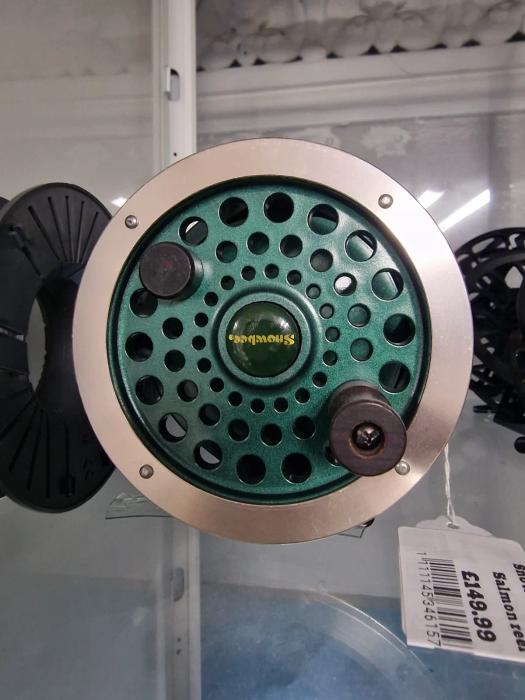
Snowbee Fly Fishing Reel
£149.99
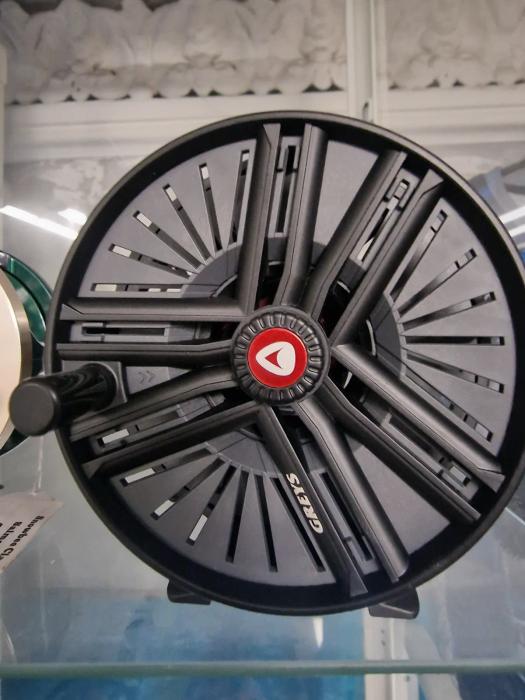
Fishing Reel Greys fin Cassette salmon
£59.99
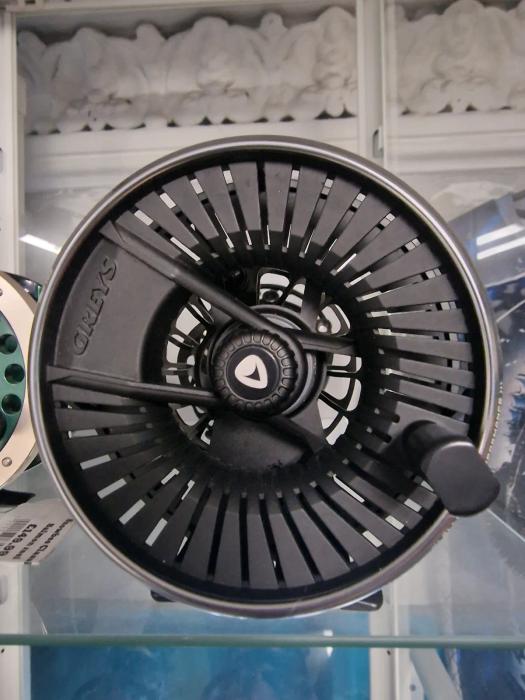
Greys Fly Reel Fishing Reel
£59.99
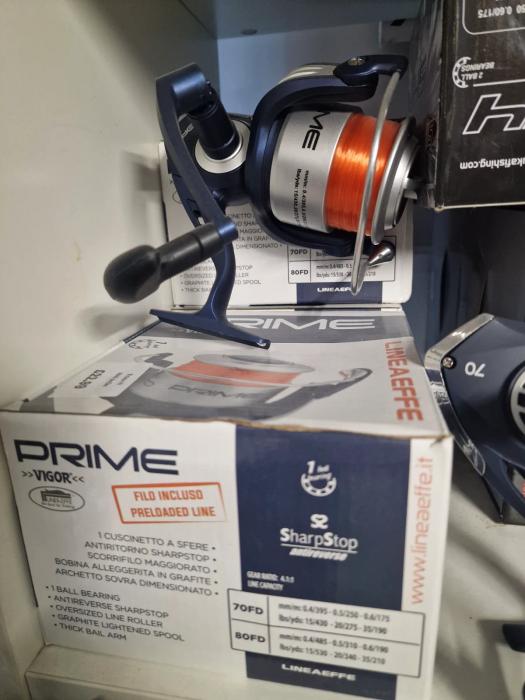
Lineaeffe Spinning 7000 Fishing Reel
£19.99
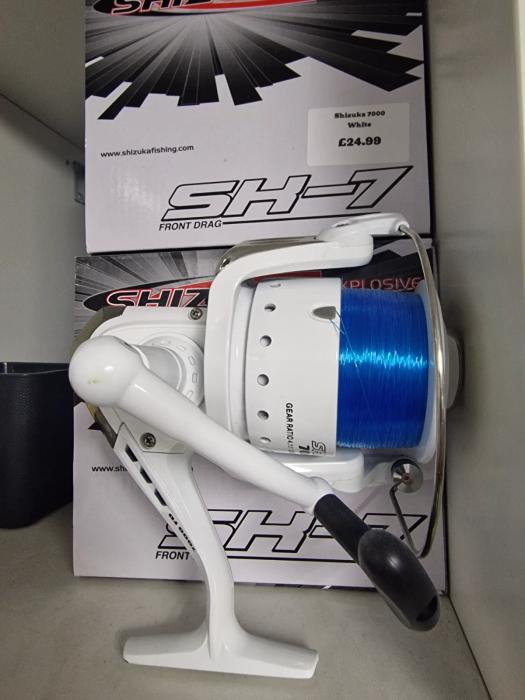
Shizuka Big Pit 7000 Fishing Reel
£23.99
Dragonet guides
Dragonet fishing questions
How do I tell a dragonet from a weever?
Dragonets have a flattened head, eyes on top and a small mouth, with a hooked spine on each gill cover. Weevers have an upward-slanting mouth, a deeper body and a black first dorsal fin with venomous spines. If you are unsure, handle the fish with great care or use forceps.
Are dragonets venomous?
No, dragonets are not venomous, but they do have a sharp, hooked spine on each gill cover that can prick fingers. Take care when handling them. They are sometimes mistaken for weevers, which do have venomous spines and sting, so it pays to know the difference.
What is the best bait for dragonets?
Small pieces of worm, such as ragworm or lugworm, on small hooks are best. Dragonets have tiny mouths and feed on small invertebrates, so small baits on size 6 to 2 hooks, or smaller on LRF tackle, work much better than large baits.


