

Lesser Weever Fishing UK
By Tackl · Updated 30 October 2026

Echiichthys vipera
The lesser weever is a small fish that lies buried in sand in shallow water, with venomous spines on its back and gill covers. It is not a target species, but beach anglers often catch it by accident on small hooks in summer. Knowing how to recognise and handle it safely is important for anyone fishing sandy beaches.
Photo: Hans Hillewaert, CC BY-SA 4.0, via Wikimedia Commons
- Typical size
- 3–5in from the shore; a fish over 6in is large.
- From the shore
- Sandy beaches
- Found in
- sea
- Peak season
- Summer
How to identify a lesser weever
A small, slender fish, usually under six inches, with a yellowish to sandy-brown back and paler sides and belly. The eyes sit high on the head and the mouth slopes steeply upwards, so the fish can lie buried with only its eyes and back showing. The first dorsal fin is short, black and carries sharp, venomous spines, and there is also a venomous spine on each gill cover. The greater weever is bigger, longer and has diagonal lines on its flanks, and lives in deeper water. Dragonets are flatter, with wider heads and colourful fins, and sandeels have no spiny dorsal fin.
Where it lives
Lesser weevers live in shallow, sandy areas, often buried in the sand just below the low-tide line. They are found around much of the UK, especially along the south coast, in south-west England, Wales and parts of the east coast in summer. Shore anglers catch them from shallow sandy beaches, sandy bays and estuary mouths. They are most often encountered in warm weather, when they move into shallower water.
What it eats and the best baits
Lesser weevers ambush shrimps, small crabs, other small crustaceans and small fish, striking from their hiding place in the sand. Worm baits, especially small pieces of lugworm or ragworm on small hooks, are taken readily because they are exactly what weevers expect to find on the seabed. This is why they so often turn up on sole and flatfish rigs.
- Lugworm
- Ragworm
- Small worm sections
- Peeler crab
Best time of year
- Jan – quieter
- Feb – quieter
- Mar – quieter
- Apr – quieter
- May – quieter
- Jun – good
- Jul – good
- Aug – good
- Sep – good
- Oct – quieter
- Nov – quieter
- Dec – quieter
Typical best months for shore anglers in England and Wales. What's in season
How to catch lesser weever
Most lesser weevers are caught by accident on two-hook flapper or paternoster rigs with small size 4–8 hooks baited with worm, fished on shallow sandy beaches in summer. They bite boldly, with sharp tugs on the rod tip. If you want to avoid them, use larger hooks and baits, as weevers have small mouths. Fishing further out, in deeper water, can also reduce encounters. Fish at night or in daylight; weevers can be caught at any time but are often more common on warm, calm days and evenings. When you reel in a small fish from a sandy beach, always check it carefully before touching it. Keep a pair of long forceps and a towel or rag in your tackle box, and never handle a weever directly.
Size and bag rules
Venomous spines — handle with care
We haven't confirmed a lesser weever size or bag limit from an official source yet. Check: Northumberland IFCA, North Eastern IFCA, Eastern IFCA, Kent & Essex IFCA, Sussex IFCA, Southern IFCA, Devon & Severn IFCA, Cornwall IFCA, Isles of Scilly IFCA, North Western IFCA, Wales, Scotland, Northern Ireland.
Rules change, especially for bass: always check the official source before keeping a fish. All sea fishing rules
Handling and release
Lesser weevers sting. Never touch the black dorsal fin or gill covers. Use long forceps or pliers to unhook, or hold the fish with a folded towel. If you cannot unhook it safely, cut the line close to the hook. If stung, soak the area in hot water, as hot as you can bear without scalding, and seek medical help if needed. Return the fish to the water promptly.
Where to catch lesser weever in the UK
We don't have venues confirmed for lesser weever yet. Browse all venues.
Tackle for lesser weever
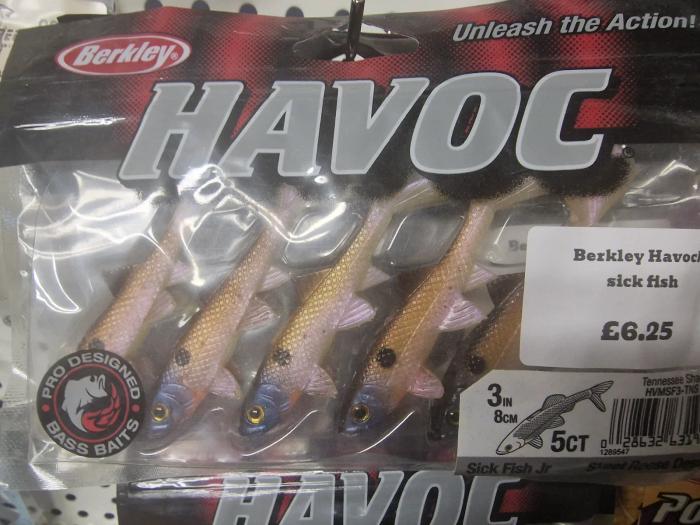
Berkley Havoc perch sick fish lure for bass/ Pike
£6.25
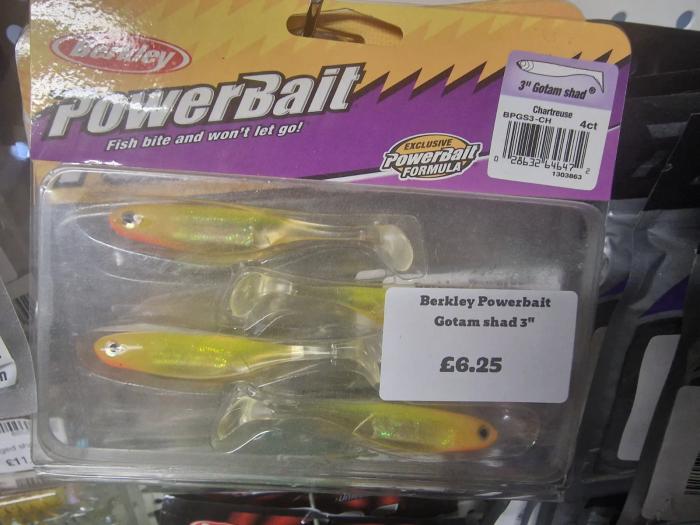
Berkley Soft Plastic / Shad Fishing Lure
£6.25
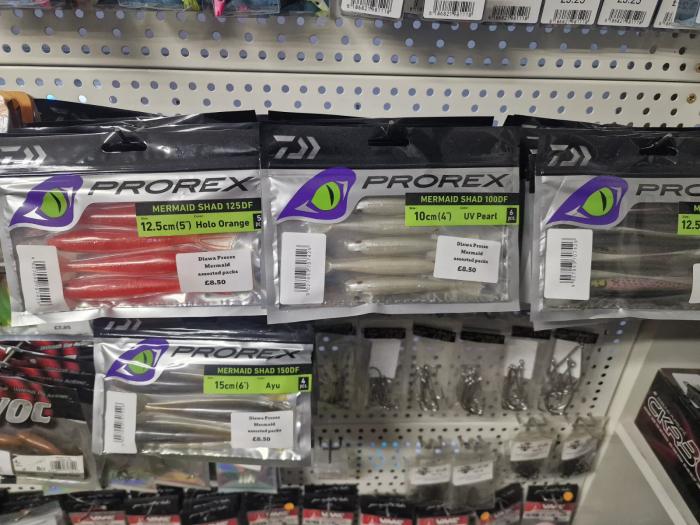
Daiwa Soft Plastic / Bass Fishing Lure Prorex mermaid
£8.50
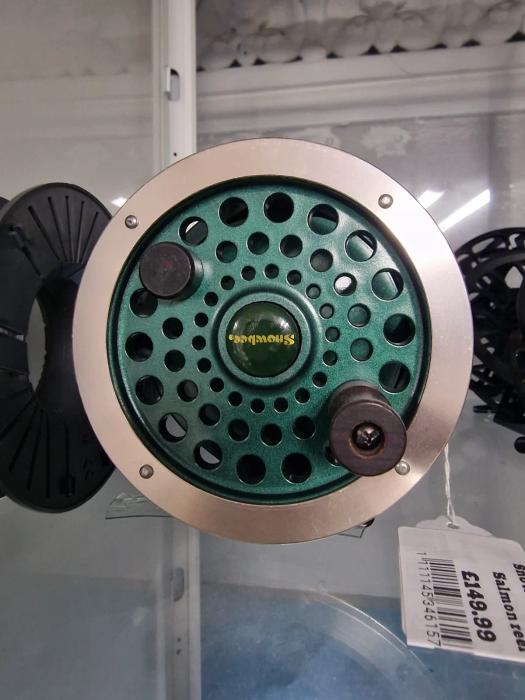
Snowbee Fly Fishing Reel
£149.99
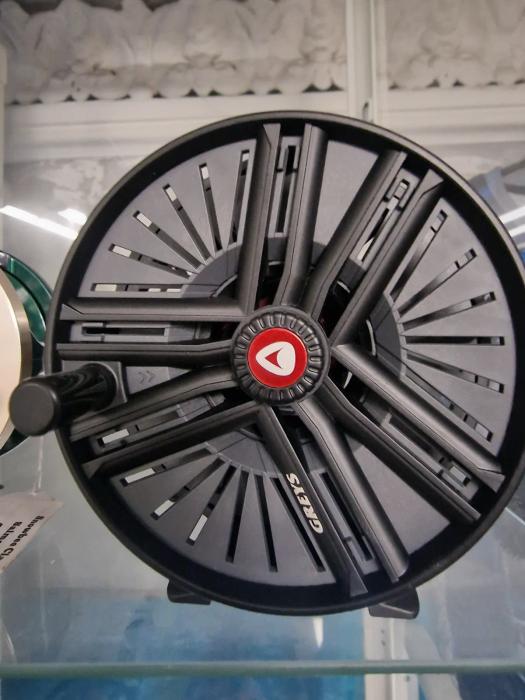
Fishing Reel Greys fin Cassette salmon
£59.99
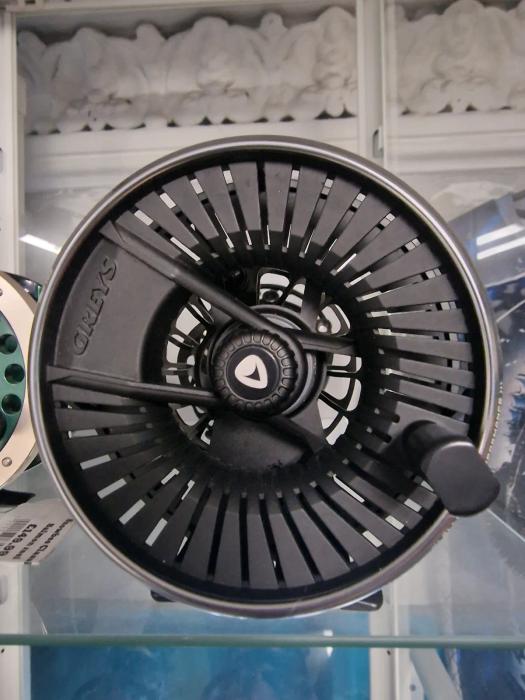
Greys Fly Reel Fishing Reel
£59.99
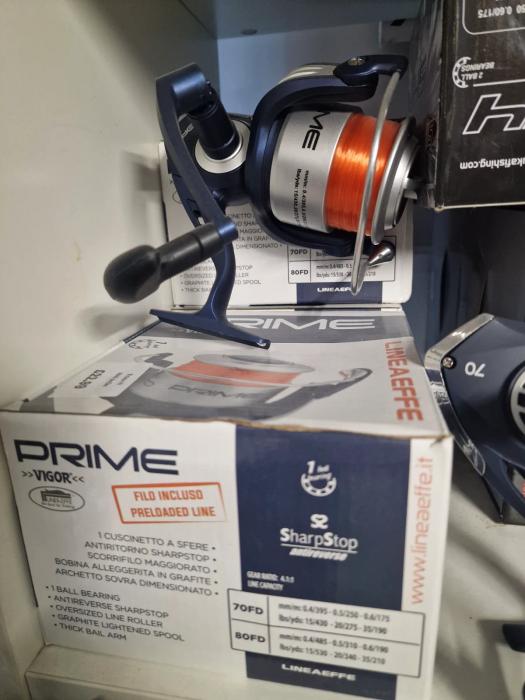
Lineaeffe Spinning 7000 Fishing Reel
£19.99
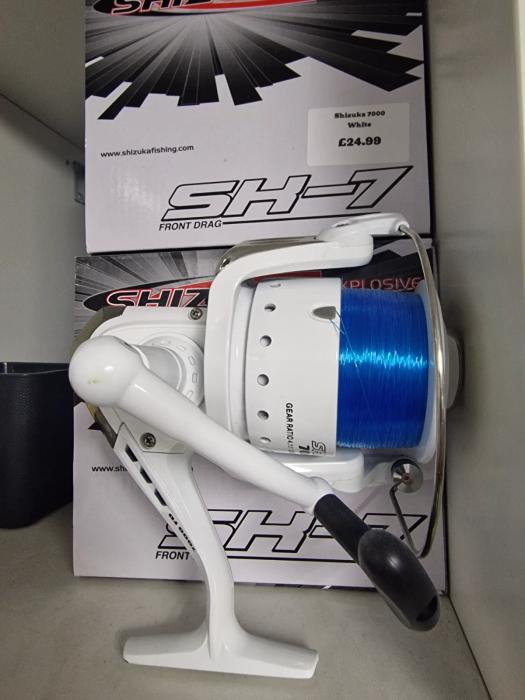
Shizuka Big Pit 7000 Fishing Reel
£23.99
Lesser Weever guides
Lesser Weever fishing questions
What should I do if I am stung by a weever?
Immerse the affected area in hot water, as hot as you can tolerate without scalding, for at least 30 minutes, as heat helps break down the venom. Seek medical help if pain is severe, you feel unwell or you have an allergic reaction. Never cut or suck the wound.
How can I avoid catching lesser weevers?
Use bigger hooks and baits, as weevers have small mouths. Fishing slightly deeper water or further out can help, and they are less common on rough ground. On shallow sandy beaches in summer, though, some encounters are likely, so always be ready with forceps and a towel.
How do I tell a lesser weever from a greater weever?
Lesser weevers are small, usually under six inches, and sandy coloured without strong markings. Greater weevers grow much bigger, have diagonal lines along their flanks and live in deeper water. Both have venomous spines, so treat any weever with great care.


