

Greater Weever Fishing UK
By Tackl · Updated 30 October 2026

Trachinus draco
The greater weever is a slim sea fish with venomous spines that sting, found on sandy and muddy ground mainly in the south and west. Shore anglers rarely target it deliberately, but it is caught from deep beaches and piers in summer, and knowing how to recognise and handle it safely is essential.
Photo: Tomasz Sienicki, CC BY 1.0, via Wikimedia Commons
- Typical size
- 8oz–1lb from the shore; a fish over 1lb 8oz is a specimen.
- From the shore
- Beaches, piers
- Found in
- sea
- Peak season
- Summer
How to identify a greater weever
Greater weever have a long, slim body, a sloping mouth and eyes set high on the head. The flanks are yellowish brown or sandy with fine blue and yellow diagonal lines. The short first dorsal fin is black and carries venomous spines, and there is a sharp venomous spine on each gill cover. The lesser weever is smaller and stockier, without the diagonal lines, and lives buried in shallow surf. Dragonets have flattened heads and lack the black spiny first dorsal fin.
Where it lives
Greater weever live on sand, mud and fine gravel, usually in deeper water than the lesser weever. From the shore they are caught from deeper beaches, piers and harbour walls over clean ground, mostly in summer. They are commonest in south-west England, the Channel coast and Wales, and are less often caught further north and east. They often lie buried in sand with only their eyes and spines showing.
What it eats and the best baits
Greater weever ambush small fish, shrimps, crabs and worms from the seabed, often while partly buried in sand. Worm baits work well because they match the creatures living in the sand. Fish strip also attracts them, as weevers are active predators drawn to scent and movement near the bottom.
- Ragworm
- Lugworm
- Mackerel strip
- Squid
- Sandeel
Best time of year
- Jan – quieter
- Feb – quieter
- Mar – quieter
- Apr – quieter
- May – quieter
- Jun – good
- Jul – good
- Aug – good
- Sep – good
- Oct – quieter
- Nov – quieter
- Dec – quieter
Typical best months for shore anglers in England and Wales. What's in season
How to catch greater weever
Most weevers are caught by accident on standard beach rigs, such as a two-hook flapper or clipped-down rig with size 1 to 1/0 hooks baited with worm or fish strip. A 4 to 5oz grip lead and a light beachcaster or bass rod are typical. Summer is the main season, and they feed both day and night, with the flood tide often productive. Bites are sharp knocks followed by a firm pull. If you are fishing an area known for weevers, keep long-nose pliers, a towel and a disgorger ready before you start, so you can deal with the fish without touching it. Never wade barefoot on sandy beaches where weevers are present.
Size and bag rules
Venomous spines — handle with care
We haven't confirmed a greater weever size or bag limit from an official source yet. Check: Northumberland IFCA, North Eastern IFCA, Eastern IFCA, Kent & Essex IFCA, Sussex IFCA, Southern IFCA, Devon & Severn IFCA, Cornwall IFCA, Isles of Scilly IFCA, North Western IFCA, Wales, Scotland, Northern Ireland.
Rules change, especially for bass: always check the official source before keeping a fish. All sea fishing rules
Handling and release
Weevers sting. Never touch the black dorsal fin or gill cover spines. Pin the fish with a folded towel or use pliers to unhook it on the ground. If stung, seek medical advice, and immerse the area in water as hot as can be safely tolerated. Return unwanted fish carefully using pliers or the towel.
Where to catch greater weever in the UK
We don't have venues confirmed for greater weever yet. Browse all venues.
Tackle for greater weever
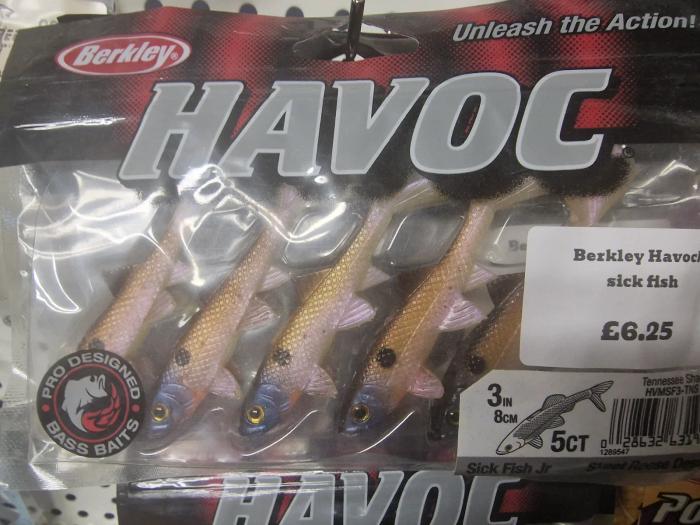
Berkley Havoc perch sick fish lure for bass/ Pike
£6.25
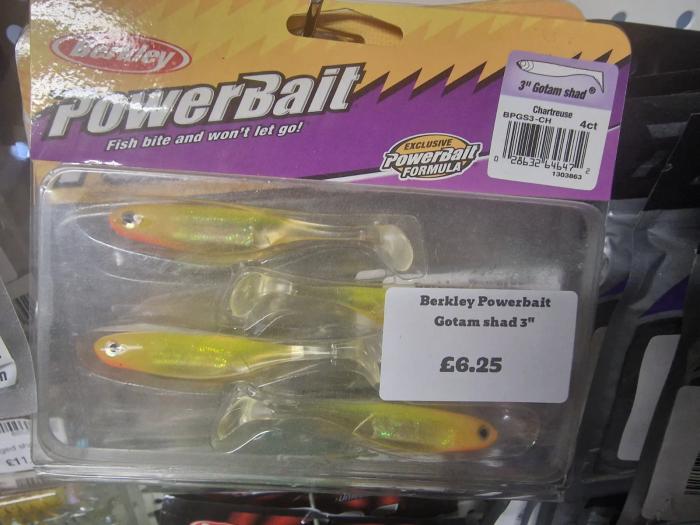
Berkley Soft Plastic / Shad Fishing Lure
£6.25
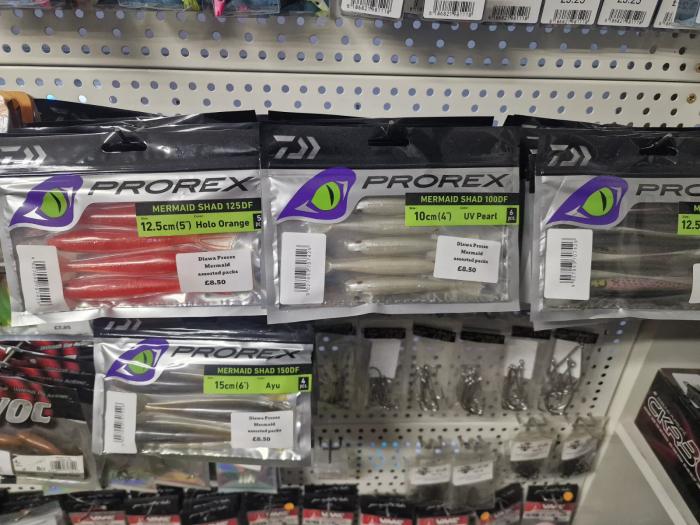
Daiwa Soft Plastic / Bass Fishing Lure Prorex mermaid
£8.50
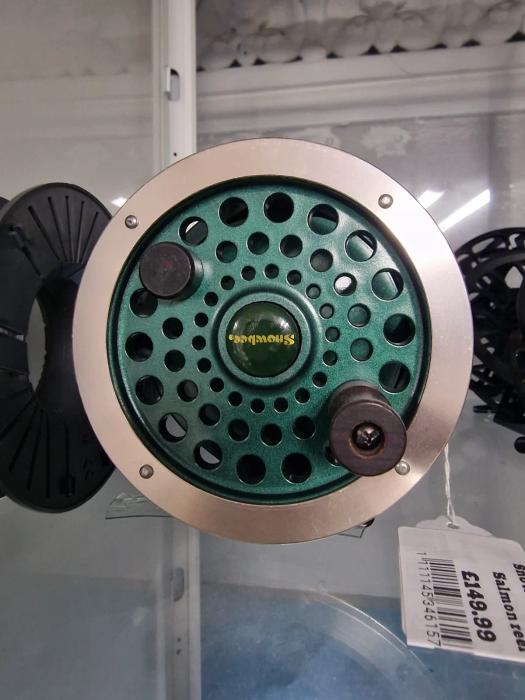
Snowbee Fly Fishing Reel
£149.99
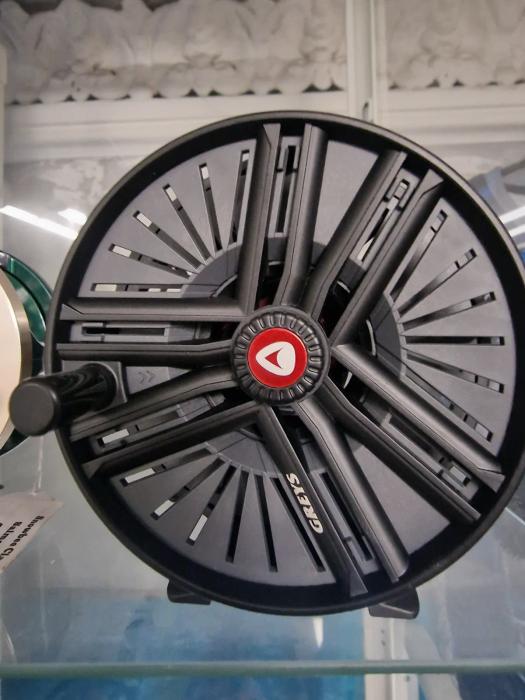
Fishing Reel Greys fin Cassette salmon
£59.99
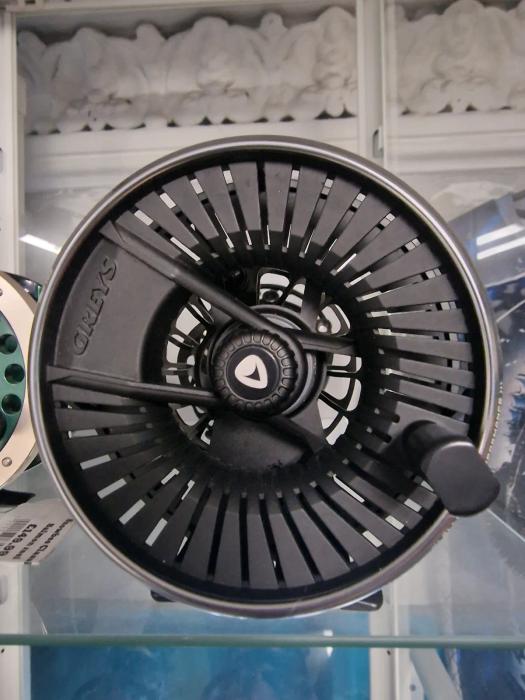
Greys Fly Reel Fishing Reel
£59.99
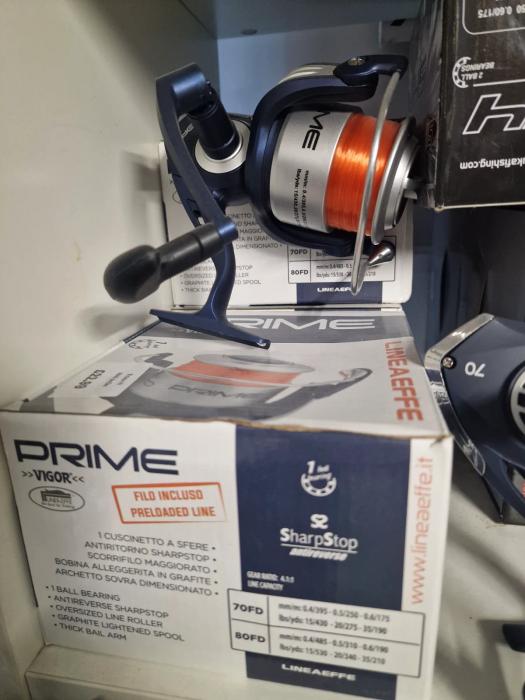
Lineaeffe Spinning 7000 Fishing Reel
£19.99
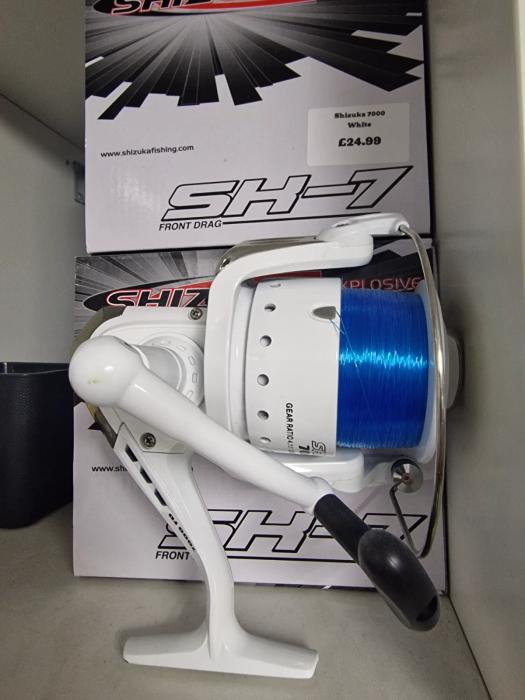
Shizuka Big Pit 7000 Fishing Reel
£23.99
Greater Weever guides
Greater Weever fishing questions
What should I do if a weever stings me?
Seek medical advice, especially if the pain is severe or symptoms worsen. As first aid, immerse the area in water as hot as can be safely tolerated without scalding, which can help ease the pain. Remove any spine fragments carefully, and always handle weevers with pliers and a towel.
How do I tell a greater weever from a lesser weever?
Greater weevers are longer and slimmer, with fine blue and yellow diagonal lines on the flanks, and usually live in deeper water. Lesser weevers are short and stocky without the diagonal lines, and bury themselves in shallow surf where paddlers can step on them. Both have venomous spines.
Can you eat greater weever?
Yes, weever flesh is good to eat and is used in fish stews in parts of Europe. The venomous spines must be removed with care before preparing the fish. Wear gloves and use scissors to cut the spines away, and check the size and bag rules for your area below.


