

Long-spined Sea Scorpion Fishing UK
By Tackl · Updated 30 October 2026

Taurulus bubalis
The long-spined sea scorpion, also known as the father lasher, is a small, spiny fish of rocky shores and harbours. It is a common catch for light rock fishing anglers and children dangling baits from harbour walls, and its fierce appearance and bold appetite make it a fun, characterful fish to catch.
Photo: Yashca, CC BY-SA 3.0, via Wikimedia Commons
- Typical size
- 2–6oz from the shore; a fish over 8oz is a big one.
- From the shore
- Rocks, harbours
- Found in
- sea
- Peak season
- All year
How to identify a long-spined sea scorpion
Long-spined sea scorpions have a large, broad, spiny head, a tapering body and big fan-like pectoral fins. Colour varies widely, from mottled brown, green and red to orange, helping them blend into rocks and weed. Key features are a long, sharp spine on each gill cover and a small fleshy flap at the corner of the mouth. The short-spined sea scorpion is larger, has shorter gill cover spines and lacks the flap at the mouth corner. Tompot blennies have tentacles above the eyes and lack the spiny head.
Where it lives
Long-spined sea scorpions live among rocks, weed and kelp, from rock pools on the lower shore down to fairly deep water. They are common around harbour walls, breakwaters, piers and rocky shores all around the UK. They often sit motionless on rocks or in crevices waiting for prey to pass. They are found year-round and, being so widespread, can be caught almost anywhere there is rocky ground or weed close to the shore.
What it eats and the best baits
Sea scorpions are ambush predators that feed on small crabs, shrimps, prawns, worms and small fish such as gobies and blennies. Small worms, particularly ragworm, are a natural food and wriggle enticingly near rocks. Fish strip has a strong scent and stays on small hooks, making it ideal for drawing sea scorpions out of cover. They will also attack small soft lures.
- Ragworm
- Mackerel strip
- Small soft plastic lures
- Prawn
- Small crab
Best time of year
- Jan – good
- Feb – good
- Mar – good
- Apr – good
- May – good
- Jun – good
- Jul – good
- Aug – good
- Sep – good
- Oct – good
- Nov – good
- Dec – good
In season now. Typical best months for shore anglers in England and Wales. What's in season
How to catch long-spined sea scorpion
Light rock fishing is the best method. Use an LRF rod rated around 1 to 10g with light braid and a fluorocarbon leader, and size 10 to 6 hooks. A split-shot rig, drop-shot rig or small jig head with a piece of ragworm, fish strip or a small soft plastic lure works well when worked slowly across the bottom near rocks and weed. Drop baits down close to harbour walls and into gaps between rocks rather than casting far. Sea scorpions can be caught at any time of day and state of tide, as they sit in the same spots for long periods, though dawn and dusk can be lively. Bites are usually bold, with the fish grabbing the bait in a sudden snatch. Strike quickly, as they can swallow small baits deeply.
Size and bag rules
We haven't confirmed a long-spined sea scorpion size or bag limit from an official source yet. Check: Northumberland IFCA, North Eastern IFCA, Eastern IFCA, Kent & Essex IFCA, Sussex IFCA, Southern IFCA, Devon & Severn IFCA, Cornwall IFCA, Isles of Scilly IFCA, North Western IFCA, Wales, Scotland, Northern Ireland.
Rules change, especially for bass: always check the official source before keeping a fish. All sea fishing rules
Handling and release
Sea scorpions have sharp spines on the head and gill covers. These are not venomous, but they can cut, so handle the fish carefully with wet hands, gripping it gently around the body behind the head. They often flare their gill covers when handled. Unhook quickly with forceps and return them close to where they were caught.
Where to catch long-spined sea scorpion in the UK
We don't have venues confirmed for long-spined sea scorpion yet. Browse all venues.
Tackle for long-spined sea scorpion
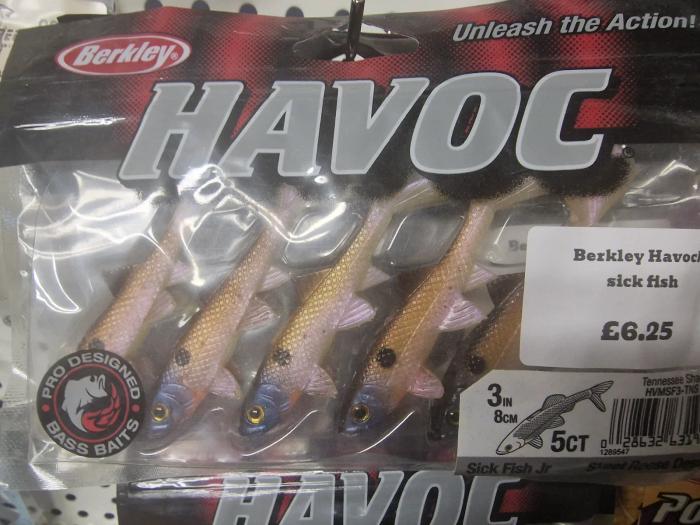
Berkley Havoc perch sick fish lure for bass/ Pike
£6.25
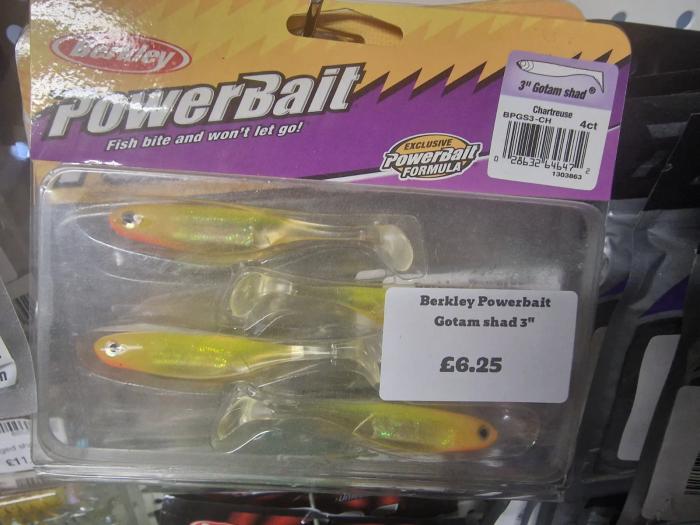
Berkley Soft Plastic / Shad Fishing Lure
£6.25
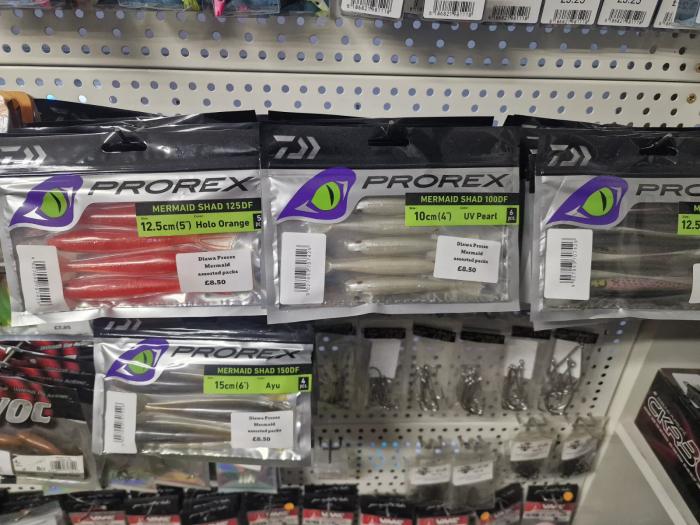
Daiwa Soft Plastic / Bass Fishing Lure Prorex mermaid
£8.50
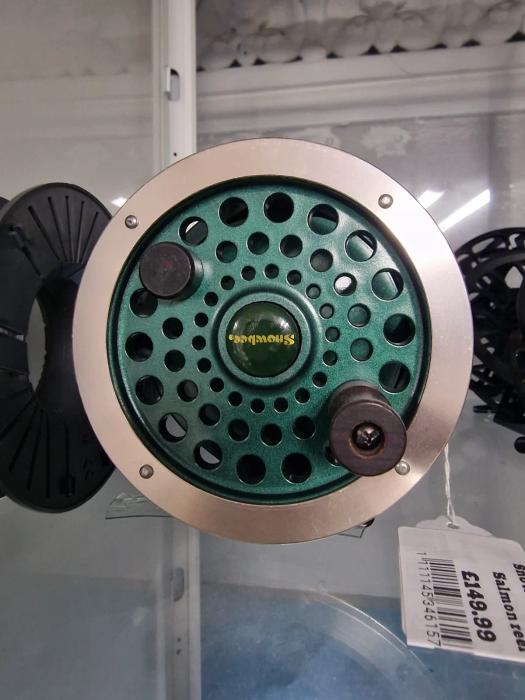
Snowbee Fly Fishing Reel
£149.99
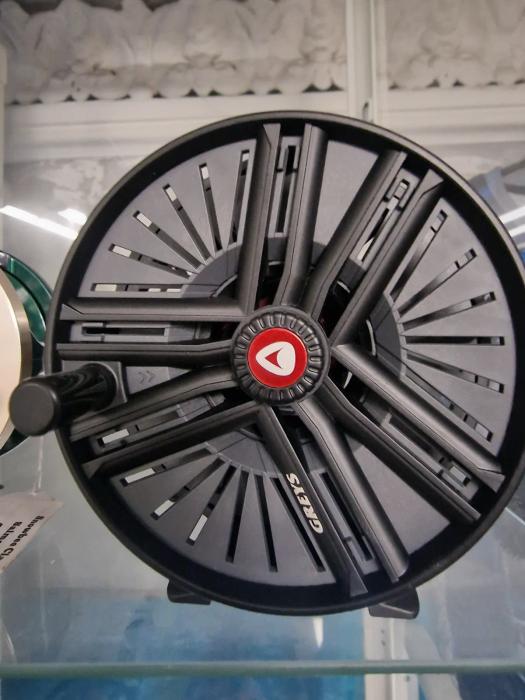
Fishing Reel Greys fin Cassette salmon
£59.99
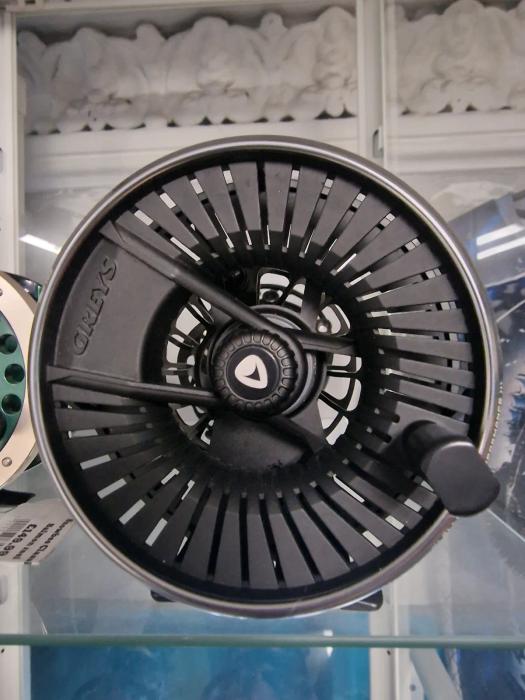
Greys Fly Reel Fishing Reel
£59.99
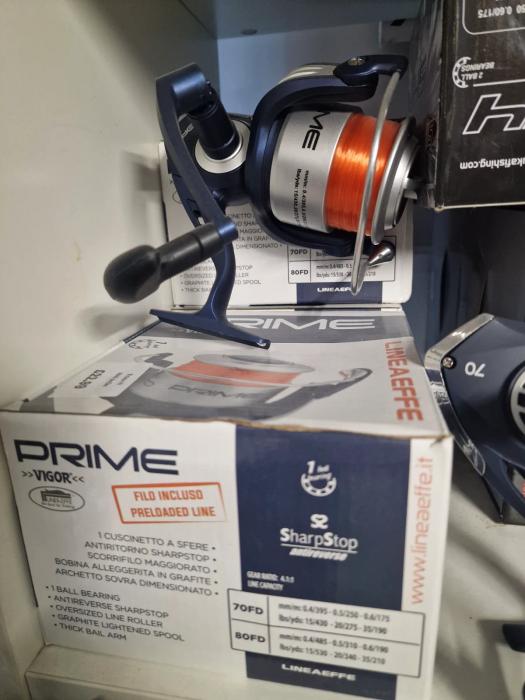
Lineaeffe Spinning 7000 Fishing Reel
£19.99
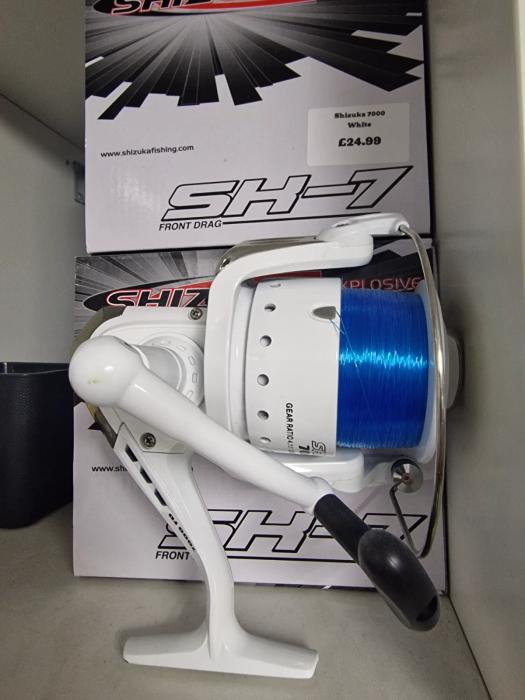
Shizuka Big Pit 7000 Fishing Reel
£23.99
Long-spined Sea Scorpion guides
Long-spined Sea Scorpion fishing questions
Are sea scorpions venomous?
No. Despite their name and fierce look, long-spined sea scorpions are not venomous. They do have sharp spines on the head and gill covers that can prick or cut, so handle them carefully with wet hands. Weevers, by contrast, have venomous spines and sting.
How do I tell a long-spined sea scorpion from a short-spined sea scorpion?
Long-spined sea scorpions have a long gill cover spine and a small fleshy flap at the corner of the mouth. Short-spined sea scorpions grow larger, have shorter gill cover spines and lack that flap. The long-spined species is the one most often caught from the shore.
What is the best way to catch sea scorpions?
Use light rock fishing tackle with small hooks and a piece of ragworm or fish strip, dropped close to harbour walls, rocks or weed. Small soft lures worked slowly along the bottom also work well. They bite boldly, so a quick strike usually hooks them.


