

Conger Eel Fishing UK
By Tackl · Updated 30 October 2026

Conger conger
The conger eel is the biggest and strongest fish most UK shore anglers will ever hook. It lives in holes among rocks, wrecks, harbour walls and pier supports, and comes out to feed at night. Shore anglers target conger for the brute power of the fight and the challenge of landing a big one.
Photo: Holger Krisp, CC BY 3.0, via Wikimedia Commons
- Typical size
- 5–20lb from the shore; an eel over 30lb is a specimen.
- From the shore
- Piers, harbours, rocks
- Found in
- sea
- Peak season
- All year, best summer and autumn nights
How to identify a conger eel
Conger are long, scaleless and snake-like, usually grey, brown or almost black above with a paler belly. The dorsal fin runs from just behind the pectoral fins to join the tail and anal fin in one continuous fringe. The mouth is large with strong jaws, and the upper jaw is level with or slightly longer than the lower. The European eel is smaller and slimmer, with its dorsal fin starting much further back and a lower jaw that juts out. Ling have a barbel, scales and separate fins.
Where it lives
Conger live in rocky ground, wrecks, harbour walls, breakwaters and old pier pilings all around the UK, wherever there are holes and crevices to hide in. Shore anglers catch them from deep rock marks, harbour walls and piers, especially older structures with plenty of cover. They are commonest in south-west England, Wales and western coasts but are found widely. Harbours where fish waste or scraps collect often hold good numbers.
What it eats and the best baits
Conger are powerful predators and scavengers that feed mainly at night on fish, squid, cuttlefish, crabs and lobsters. Mackerel is a top bait because its oily scent spreads quickly and draws eels out of their holes. Squid is tough and stays on the hook, which matters with a fish that tugs and worries at the bait.
- Mackerel
- Squid
- Cuttlefish
- Bluey
- Pouting
- Mackerel head
Best time of year
- Jan – good
- Feb – good
- Mar – good
- Apr – good
- May – good
- Jun – good
- Jul – good
- Aug – good
- Sep – good
- Oct – good
- Nov – good
- Dec – good
In season now. Typical best months for shore anglers in England and Wales. What's in season
How to catch conger eel
Conger fishing needs strong gear. Use a simple running leger with a single 6/0 to 8/0 hook on a short trace of heavy mono of 100lb or more, or wire. Add a rotten-bottom link so the lead can break free in snags. A powerful rod rated for heavy leads, a strong reel and 30lb plus mainline are essential. Baits are big: whole mackerel fillets, a mackerel head and guts, or a whole squid. Fishing is best after dark, often around high water at harbours and on the flood at rock marks. Bites start as a series of knocks and tugs, followed by a firm pull. Strike hard, then keep pressure on to stop the eel getting back into its hole.
Size and bag rules
| Area | Rule | Source |
|---|---|---|
| Cornwall IFCA | Minimum size 58cmFrom byelaws Cornwall IFCA inherited; some rivers and estuaries aren't covered. Check the official page. | Official page |
| North Western IFCA | Minimum size 58cm | Official page |
Other areas (no confirmed number for this species yet): Northumberland IFCA, North Eastern IFCA, Eastern IFCA, Kent & Essex IFCA, Sussex IFCA, Southern IFCA, Devon & Severn IFCA, Isles of Scilly IFCA, Wales, Scotland, Northern Ireland.
Rules last checked 23 October 2026. Rules change, especially for bass: always check the official source before keeping a fish. All sea fishing rules
Handling and release
Conger have powerful jaws and strong teeth, so keep fingers clear and never put a hand near the mouth. Where possible, unhook big eels in the water or at the edge. If the hook is deep, cut the trace close to the mouth. Avoid dragging large eels up high pier walls, and release them as quickly as possible.
Best shore marks for conger eel
Where to catch conger eel in the UK
We don't have venues confirmed for conger eel yet. Browse all venues.
Tackle for conger eel
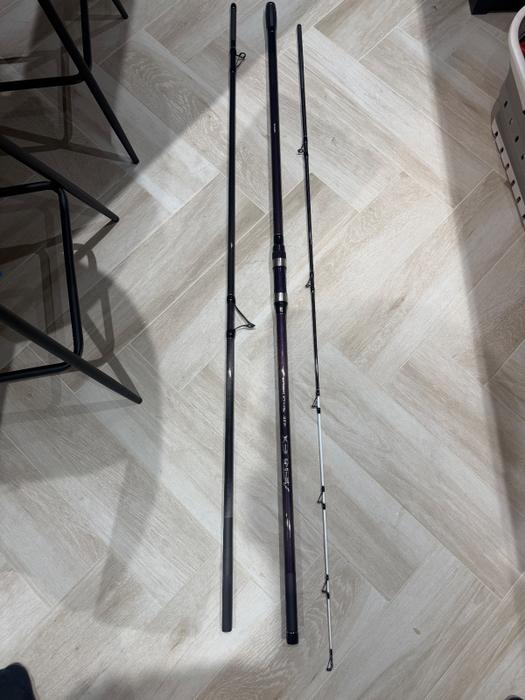
Shimano Aerlex 425cx Tublar 3 Piece Beach / Surf Rod Fishing Rod
£99.00
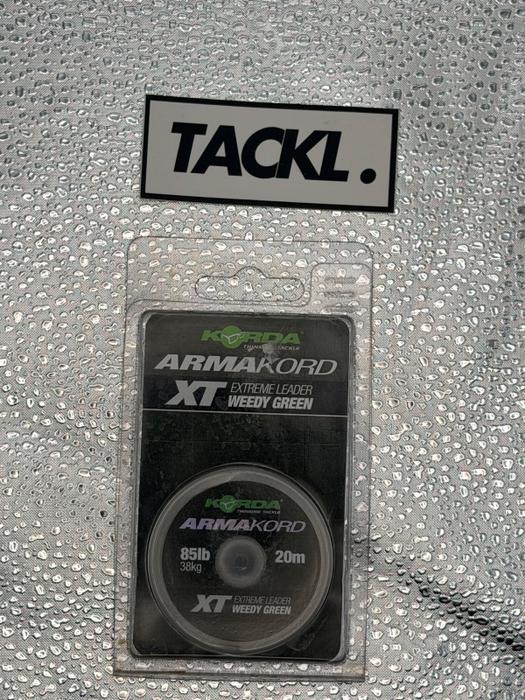
Korda Armakord extreme leader weedy green
£10.00
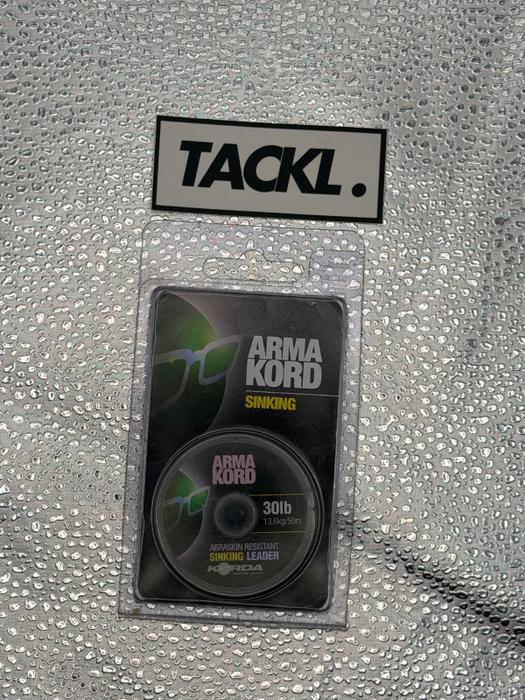
Korda Armamord sinking leader
£15.00
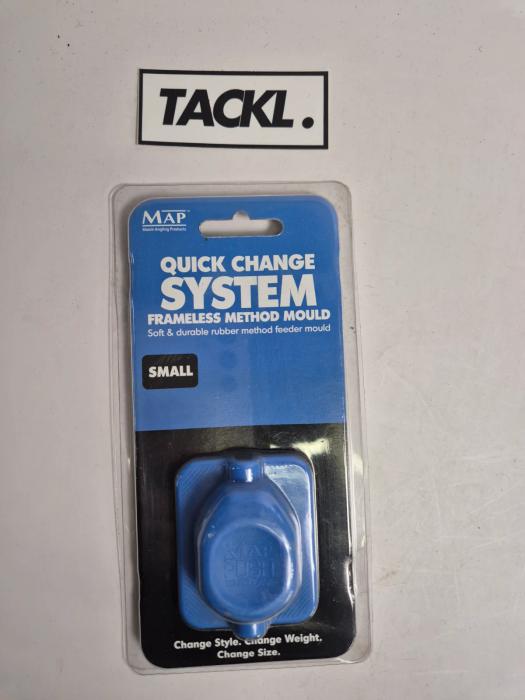
MAP quick change system frameless method mould small
£2.00
Nash zig screw red
£4.00
Nash hook link sleeve short
£2.50
Nash silicone sleeve d_cam
£2.00
Nash hook kickers
£3.00
Conger Eel guides
Conger Eel fishing questions
When is the best time to catch conger from the shore?
Conger can be caught all year, but summer and autumn nights are usually most productive, with the water at its warmest. Fish after dark, especially around high water at harbours and on a flooding tide at rock marks. Calm, warm nights often see conger at their most active.
What tackle do I need for conger fishing?
You need a strong rod, a robust reel and heavy mainline, as conger head straight for snags. Use a single 6/0 to 8/0 hook on a short, heavy trace and a rotten-bottom lead link. A big drop net or a safe landing spot is useful for heavy eels.
Can you eat conger eel?
Conger is edible, and used in stews in some countries, but it is bony and most UK shore anglers release their eels. Many big conger are old fish, so releasing them in good condition helps future sport. Check the size and bag rules for your area below before keeping any.


