

Bull Huss Fishing UK
By Tackl · Updated 30 October 2026

Scyliorhinus stellaris
The bull huss, also called the greater spotted dogfish or nursehound, is a large, powerful dogfish found over rough ground. It is a popular target for rock anglers in the south and west, giving a dogged, heavy fight and a much more satisfying catch than its smaller cousin, the lesser spotted dogfish.
Photo: Mario Antonio Pena Zapatería, CC BY-SA 2.0, via Wikimedia Commons
- Typical size
- 5–12lb from the shore; a fish over 15lb is a specimen.
- From the shore
- Rocky ground
- Found in
- sea
- Peak season
- Spring to late autumn
How to identify a bull huss
Bull huss are sandy brown or grey with large, well-spaced dark spots, some of which can be big blotches. The skin is very rough. The key feature is the nasal flaps under the snout: on bull huss they are separate and do not reach the mouth. On the lesser spotted dogfish, which has many small, dense spots, the nasal flaps join together and reach the upper lip. Bull huss are also much heavier for their length, with a broader head.
Where it lives
Bull huss live over rocky and broken ground, often among boulders, reefs and weed, from shallow water down to quite deep marks. Shore anglers mainly catch them from rock marks and rough-ground beaches, and occasionally from piers and harbour walls next to rocks. They are commonest in south-west England, the Channel coast, Wales, the Bristol Channel and western Scotland. Deep water close in over broken ground is the classic huss mark.
What it eats and the best baits
Bull huss scavenge and hunt on the seabed for crabs, prawns, squid, octopus, small fish and worms, finding food mostly by smell. Mackerel is popular because its oily scent spreads well over rough ground. Squid is tough and long lasting, so it survives the attention of crabs and small fish while a huss homes in.
- Mackerel
- Squid
- Cuttlefish
- Bluey
- Peeler crab
Best time of year
- Jan – quieter
- Feb – quieter
- Mar – good
- Apr – good
- May – good
- Jun – good
- Jul – good
- Aug – good
- Sep – good
- Oct – good
- Nov – good
- Dec – quieter
In season now. Typical best months for shore anglers in England and Wales. What's in season
How to catch bull huss
Use a strong running leger or a single-hook pulley rig with a rotten-bottom link, so the lead can break free in snags. A 4/0 to 6/0 hook on a heavy mono trace of 60 to 80lb or a short wire trace copes with the rough skin. Big fillets of mackerel, whole squid or a cocktail of both work well. Fish a 5 to 6oz plain or grip lead on a powerful rock rod or beachcaster with strong mainline. Night fishing on a big flood tide is usually best, though coloured water can bring daytime bites. Bites are often a slow pull or a series of knocks. Give the fish time, then wind down firmly and keep its head up to stop it reaching snags.
Size and bag rules
We haven't confirmed a bull huss size or bag limit from an official source yet. Check: Northumberland IFCA, North Eastern IFCA, Eastern IFCA, Kent & Essex IFCA, Sussex IFCA, Southern IFCA, Devon & Severn IFCA, Cornwall IFCA, Isles of Scilly IFCA, North Western IFCA, Wales, Scotland, Northern Ireland.
Rules change, especially for bass: always check the official source before keeping a fish. All sea fishing rules
Handling and release
Bull huss have very rough skin that can graze your hands and damage line, so handle them with care and consider gloves. They often wrap their tails round your arm; hold the tail and behind the head. Support the body, unhook quickly with pliers and return them. They grow slowly, so release is encouraged.
Where to catch bull huss in the UK
We don't have venues confirmed for bull huss yet. Browse all venues.
Tackle for bull huss
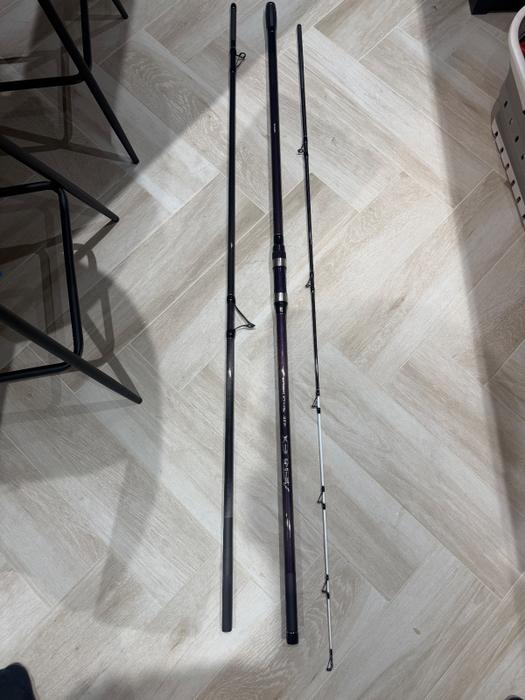
Shimano Aerlex 425cx Tublar 3 Piece Beach / Surf Rod Fishing Rod
£99.00
Korda Armakord extreme leader weedy green
£10.00
Korda Armamord sinking leader
£15.00
MAP quick change system frameless method mould small
£2.00
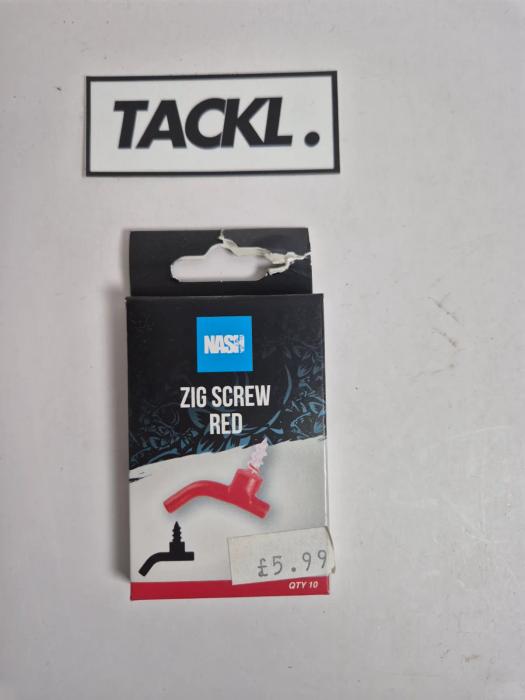
Nash zig screw red
£4.00
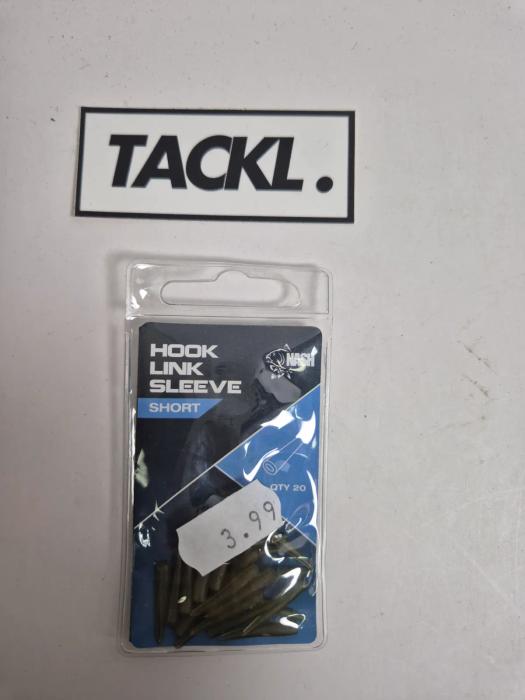
Nash hook link sleeve short
£2.50
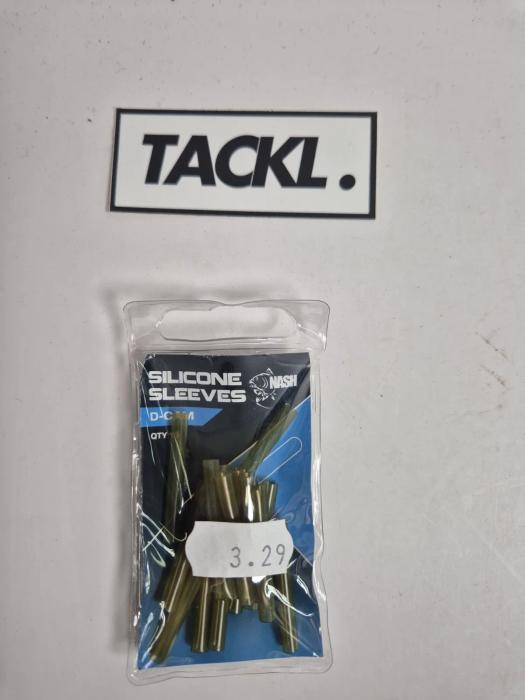
Nash silicone sleeve d_cam
£2.00
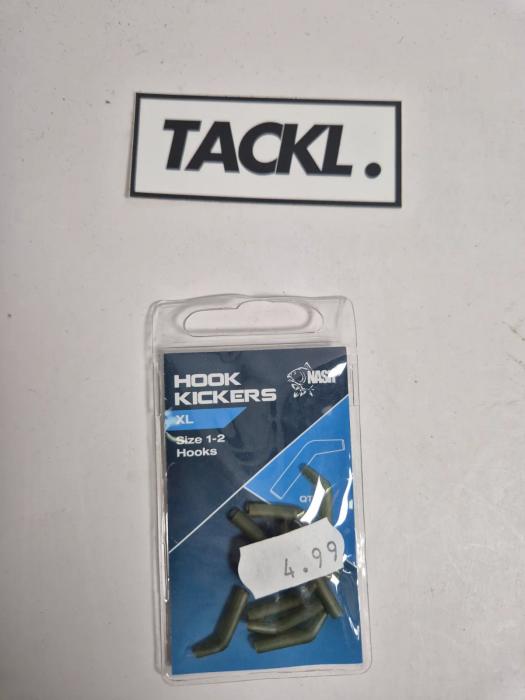
Nash hook kickers
£3.00
Bull Huss guides
Bull Huss fishing questions
How do I tell a bull huss from a lesser spotted dogfish?
Check under the snout. Bull huss have two separate nasal flaps that do not reach the mouth, while the lesser spotted dogfish has joined flaps that reach the lip. Bull huss also have fewer, larger spots, a broader head and a much heavier body for their length.
What is the best bait for bull huss?
Fresh mackerel and squid are the main baits, often combined into a big cocktail. Huss find food by smell, so oily, fresh baits work best. Bind them with elastic and recast regularly to keep a good scent trail going over the rough ground.
Can you eat bull huss?
Huss has been sold as rock salmon and the flesh is edible once skinned. However, bull huss are slow growing, so most anglers return them. If you are considering keeping one, check the size and bag rules for your area below and take only what you will use.


