

Lesser Spotted Dogfish Fishing UK
By Tackl · Updated 30 October 2026

Scyliorhinus canicula
The lesser spotted dogfish, or small-spotted catshark, is a small shark that lives all around the UK and is probably the most common fish caught from the beach. Anglers chasing rays and bass often see it as a nuisance, but it is a reliable bite, a useful learning fish for newer anglers and keeps sessions busy year round.
Photo: Hans Hillewaert, CC BY-SA 4.0, via Wikimedia Commons
- Typical size
- 1–2lb from the shore; a fish over 3lb is a specimen.
- From the shore
- Everywhere
- Found in
- sea
- Peak season
- All year, best at night
How to identify a lesser spotted dogfish
A slim, sandy-brown to greyish shark with many small dark spots across the back and sides and a pale cream underside. The skin is very rough, like sandpaper. There are two dorsal fins set well back towards the tail, and the tail itself is long and low. Look under the snout: the nasal flaps join together and reach the mouth. The bull huss, or greater spotted dogfish, is bigger and thicker with larger, fewer spots, and its nasal flaps are separate and do not reach the mouth. Smoothhounds are plain grey with no spots, and spurdog have a spine in front of each dorsal fin.
Where it lives
Lesser spotted dogfish are found right around the UK and Ireland, on sand, mud, gravel and mixed ground, and also over rough ground close to rocks. They are caught from almost every kind of mark, including open beaches, steep shingle, piers, harbours and rock platforms. They are present all year, though numbers inshore often rise in the evening and at night. Some areas, including much of south-west England, Wales and the west coast, can produce dogfish on nearly every cast.
What it eats and the best baits
Dogfish are scavengers and opportunistic hunters, feeding on crabs, shrimps, worms, molluscs and small fish, as well as anything dead on the seabed. They track food by scent, which is why oily mackerel, squid and worm baits work so well. A bait that has been in the water a while and leaked its scent still attracts dogfish, so they are often the first fish to find it.
- Mackerel
- Squid
- Lugworm
- Ragworm
- Sandeel
- Peeler crab
Best time of year
- Jan – good
- Feb – good
- Mar – good
- Apr – good
- May – good
- Jun – good
- Jul – good
- Aug – good
- Sep – good
- Oct – good
- Nov – good
- Dec – good
In season now. Typical best months for shore anglers in England and Wales. What's in season
How to catch lesser spotted dogfish
Almost any bottom rig will catch dogfish. A two-hook flapper rig with size 1–2/0 hooks is ideal for general fishing, while a pulley rig with a single 2/0–3/0 hook suits rougher ground and larger baits. Use a 4–6oz lead depending on tide and range, and a standard 12–14ft beachcaster. Strips of mackerel, squid, or a mackerel and squid cocktail are top baits, and worm baits also catch plenty. Dogfish feed throughout the day but are most active from dusk and through the night, and they often feed hard on the flood. Bites are fairly distinctive: a series of rattles and knocks followed by the rod tip pulling down as the fish turns, and they often hook themselves. Dogfish tend to roll and spin on the way in, so a swivel on the rig helps prevent line twist.
Size and bag rules
We haven't confirmed a lesser spotted dogfish size or bag limit from an official source yet. Check: Northumberland IFCA, North Eastern IFCA, Eastern IFCA, Kent & Essex IFCA, Sussex IFCA, Southern IFCA, Devon & Severn IFCA, Cornwall IFCA, Isles of Scilly IFCA, North Western IFCA, Wales, Scotland, Northern Ireland.
Rules change, especially for bass: always check the official source before keeping a fish. All sea fishing rules
Handling and release
Dogfish wrap their tails around your arm and their skin is rough enough to graze, so hold them firmly behind the head with the tail tucked, or fold the tail back towards the head. Use wet hands and forceps to unhook, and cut the line close to the hook if it is deep. Return them promptly, low to the water. They are tough, but quick handling still matters.
Best shore marks for lesser spotted dogfish
Where to catch lesser spotted dogfish in the UK
We don't have venues confirmed for lesser spotted dogfish yet. Browse all venues.
Tackle for lesser spotted dogfish
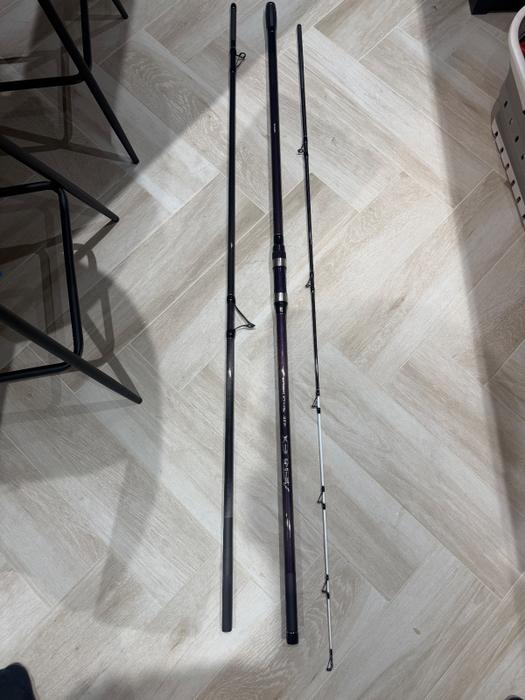
Shimano Aerlex 425cx Tublar 3 Piece Beach / Surf Rod Fishing Rod
£99.00
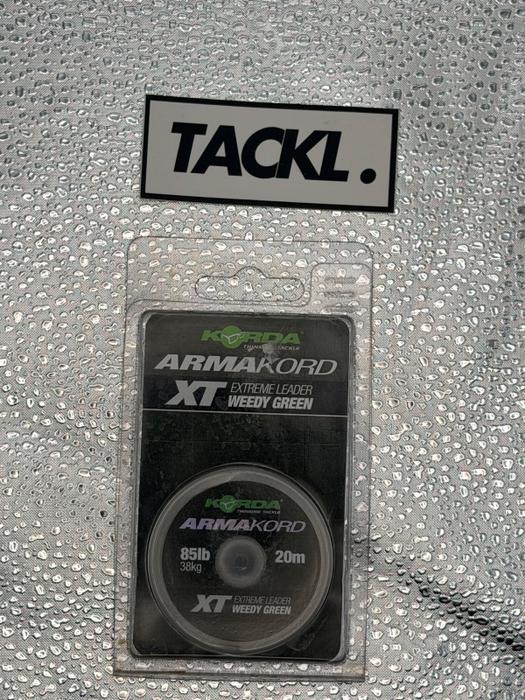
Korda Armakord extreme leader weedy green
£10.00
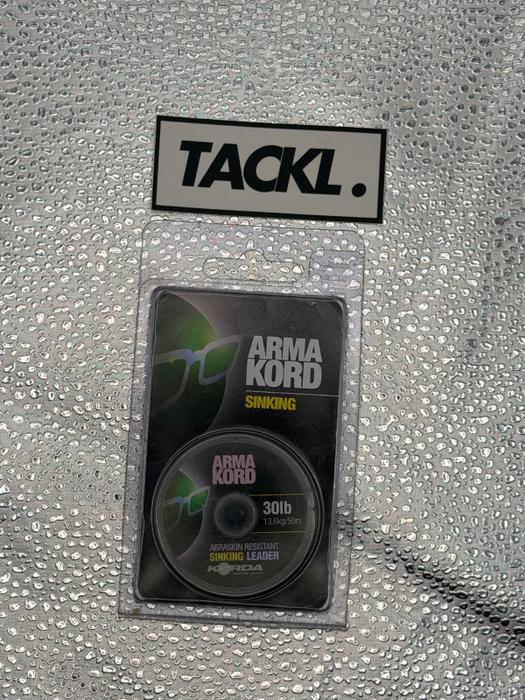
Korda Armamord sinking leader
£15.00
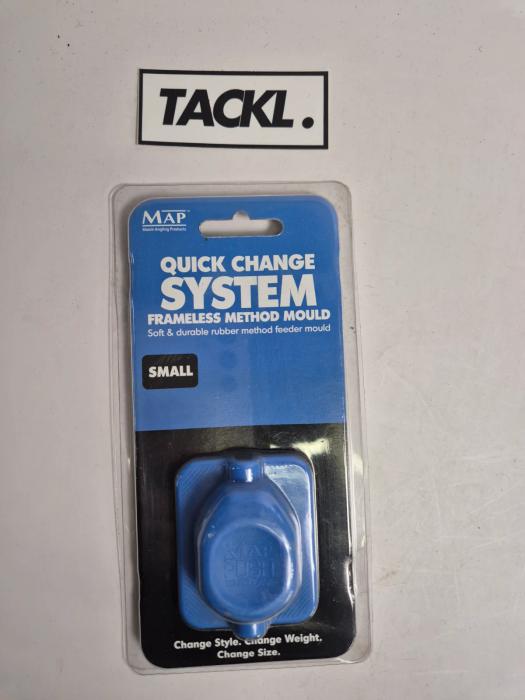
MAP quick change system frameless method mould small
£2.00
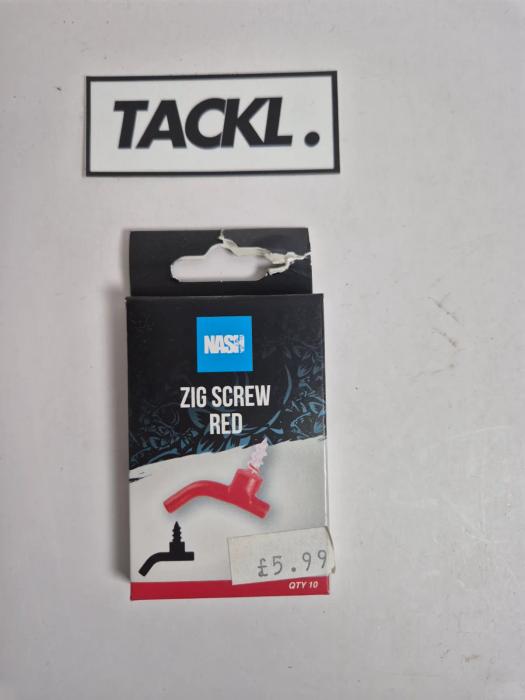
Nash zig screw red
£4.00
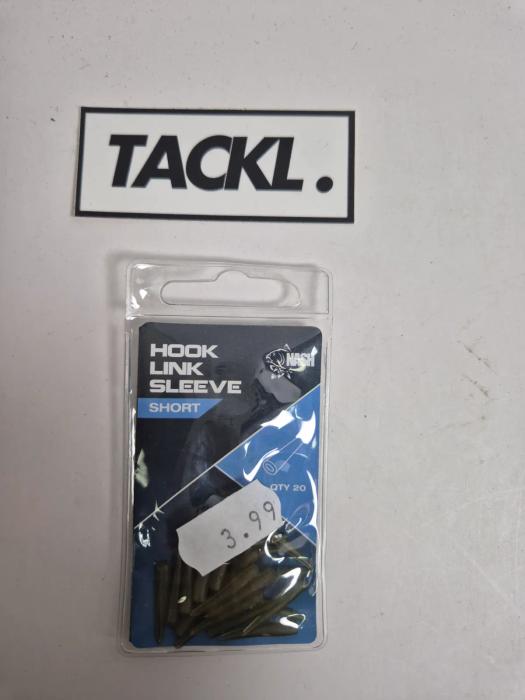
Nash hook link sleeve short
£2.50
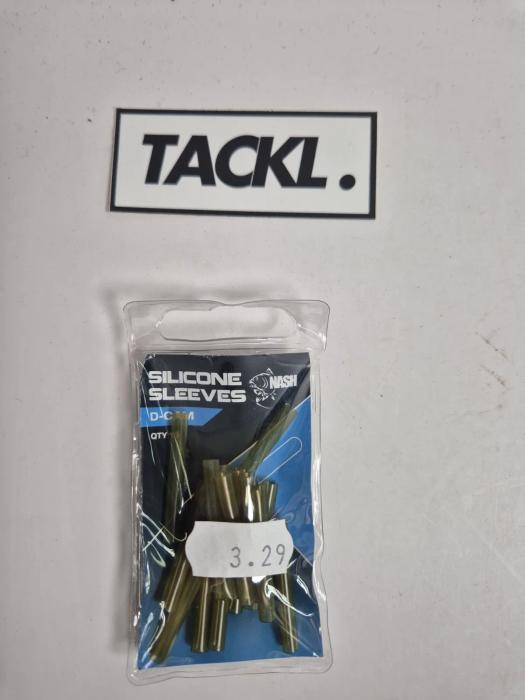
Nash silicone sleeve d_cam
£2.00
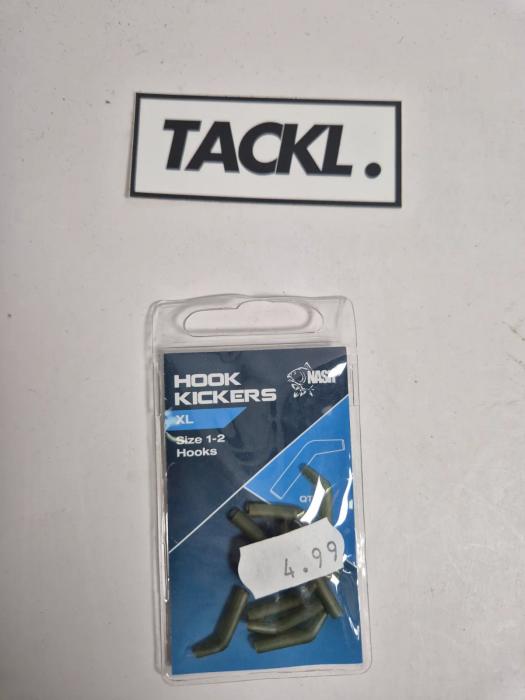
Nash hook kickers
£3.00
Lesser Spotted Dogfish guides
Lesser Spotted Dogfish fishing questions
Can you eat dogfish?
Yes, dogfish are edible and have been sold in the past as rock salmon or huss, though that name also covers related sharks. They need to be skinned and prepared soon after capture. Many anglers prefer to return them, as they are not as highly regarded on the plate as many other sea fish.
How do I avoid catching so many dogfish?
It is hard to avoid them entirely, but using worm or crab baits instead of mackerel and squid helps, as does using bigger hooks and baits for target species. Fishing in daylight rather than after dark, and moving away from ground that is full of them, can also reduce the numbers you catch.
How do I tell a lesser spotted dogfish from a bull huss?
Bull huss grow much bigger and have larger, darker, fewer spots. The best check is under the snout: in the lesser spotted dogfish the nasal flaps join and reach the mouth, while in the bull huss they are separate and well clear of the mouth. Bull huss also feel noticeably thicker in the body.


