

Smoothhound Fishing UK
By Tackl · Updated 30 October 2026

Mustelus mustelus
Smoothhounds are small, slender sharks that arrive inshore in late spring and summer to feast on crabs. They are one of the hardest-fighting fish UK shore anglers can catch, making fast, powerful runs, and they are a popular summer target from beaches and estuaries, especially on peeler crab around the time crabs moult.
Photo: Emőke Dénes, CC BY-SA 4.0, via Wikimedia Commons
- Typical size
- 4–10lb from the shore; a fish over 15lb is a specimen.
- From the shore
- Beaches, estuaries
- Found in
- sea, estuary
- Peak season
- Late spring and summer
How to identify a smoothhound
Smoothhounds are slim, grey sharks with a pale underside, two large dorsal fins of similar size and no spines in front of them. Inside the mouth they have flat, pavement-like teeth for crushing crabs, not sharp cutting teeth. Two closely related species are caught in UK waters: the starry smoothhound usually has scattered small white spots on the back, while the common smoothhound generally lacks them. Tope look similar but have sharp, triangular teeth, a more pointed snout and a much smaller second dorsal fin. Spurdog have a sharp spine in front of each dorsal fin.
Where it lives
Smoothhounds feed over sand, mud and mixed ground, often near mussel beds and crab-rich areas. They move into shallow water from about May to September and are caught from open beaches, shingle banks, estuary channels and harbour mouths. Good numbers are found along the south and south-east coasts of England, the Thames estuary area, the Bristol Channel and Wales, with fish also reaching the north-west and further north in warmer summers.
What it eats and the best baits
Smoothhounds are crab specialists. They hunt shore crabs, hermit crabs, swimming crabs and other crustaceans, plus some worms and small fish. Peeler crab, caught as crabs prepare to shed their shells, gives off a powerful scent they find hard to ignore. Hermit crab is another natural, tough bait that resists small fish and crabs well, making both ideal for these hounds.
- Peeler crab
- Hermit crab
- Shore crab
- Squid
- Mackerel strip
Best time of year
- Jan – quieter
- Feb – quieter
- Mar – quieter
- Apr – quieter
- May – good
- Jun – good
- Jul – good
- Aug – good
- Sep – good
- Oct – quieter
- Nov – quieter
- Dec – quieter
Typical best months for shore anglers in England and Wales. What's in season
How to catch smoothhound
A pulley rig or a running ledger with a single 2/0 to 4/0 hook keeps the bait on the bottom and lets the fish run. Tie on a fairly long trace of 60lb mono or so, as their skin and teeth can wear lighter line. A 13 to 15ft beachcaster with 5 to 6oz leads suits most marks, using grip leads in tide. Bind peeler crab on neatly with elasticated thread. Smoothhounds often move along channels and gullies in packs, so try casting into the edges of features and changes in ground. The flood tide, especially in the evening and into the night, is usually most productive. Bites are positive: a sharp rattle followed by the rod hooping over or the line falling slack as the fish runs. Set the reel's drag fairly light and keep the rod in a secure rest so it is not pulled in.
Size and bag rules
We haven't confirmed a smoothhound size or bag limit from an official source yet. Check: Northumberland IFCA, North Eastern IFCA, Eastern IFCA, Kent & Essex IFCA, Sussex IFCA, Southern IFCA, Devon & Severn IFCA, Cornwall IFCA, Isles of Scilly IFCA, North Western IFCA, Wales, Scotland, Northern Ireland.
Rules change, especially for bass: always check the official source before keeping a fish. All sea fishing rules
Handling and release
Smoothhounds are slow to mature, and most anglers release them. Wet your hands, support the fish's body horizontally and never lift it by the tail. Their skin is rough, so handle gently and avoid dragging them over sand or shingle. Unhook quickly with long forceps or cut the line close to the hook if deep, and return the fish to the water promptly.
Best shore marks for smoothhound
Where to catch smoothhound in the UK
We don't have venues confirmed for smoothhound yet. Browse all venues.
Tackle for smoothhound
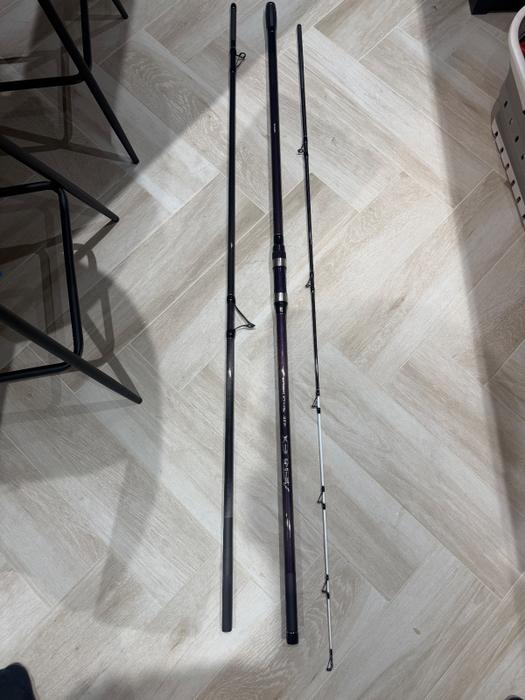
Shimano Aerlex 425cx Tublar 3 Piece Beach / Surf Rod Fishing Rod
£99.00
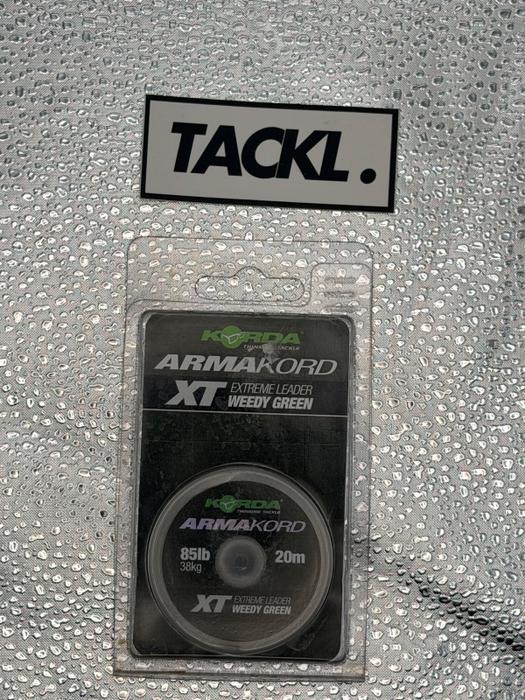
Korda Armakord extreme leader weedy green
£10.00
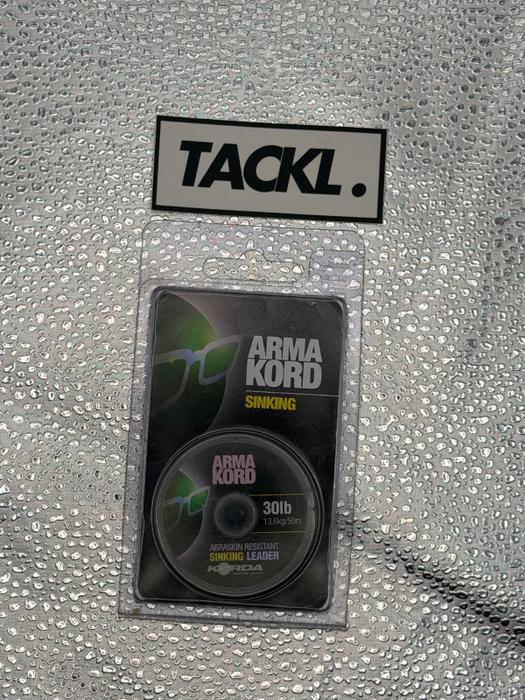
Korda Armamord sinking leader
£15.00
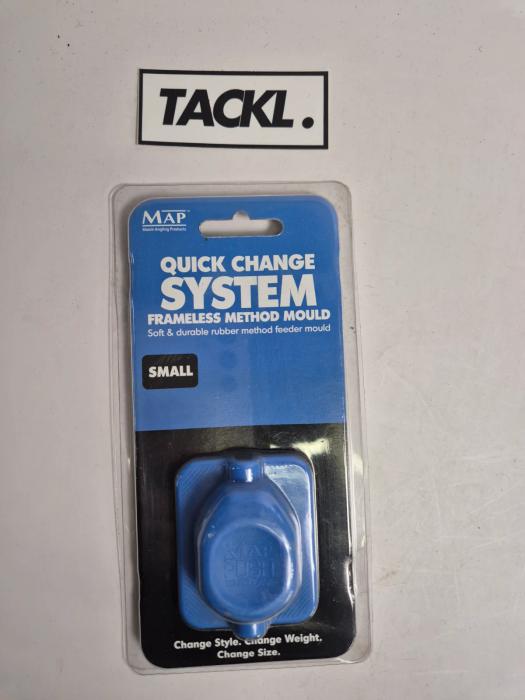
MAP quick change system frameless method mould small
£2.00
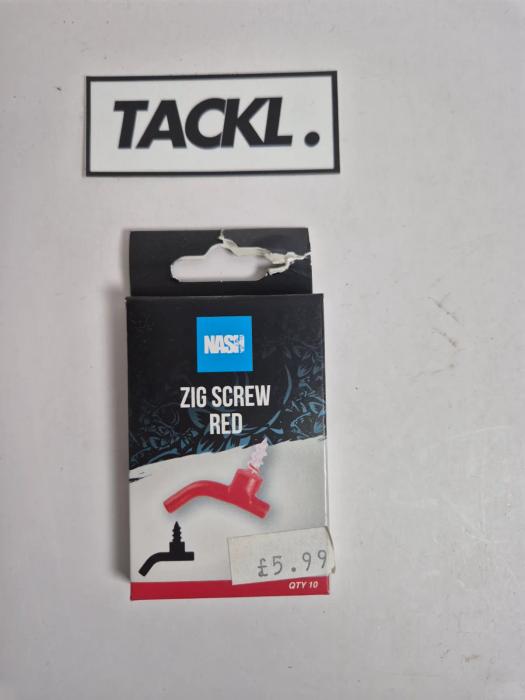
Nash zig screw red
£4.00
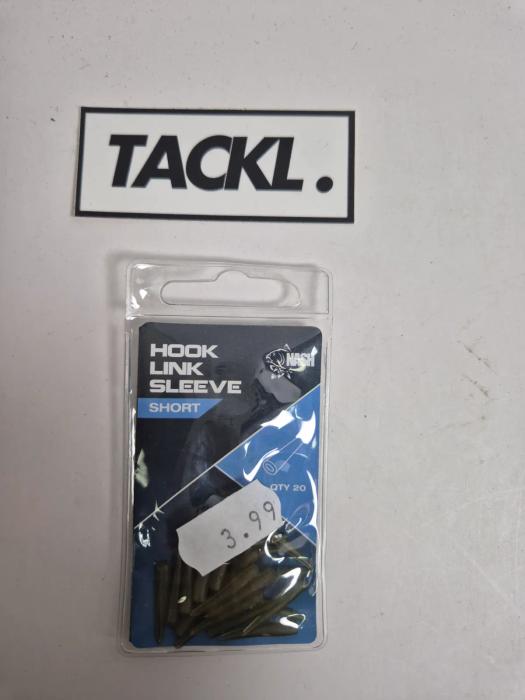
Nash hook link sleeve short
£2.50
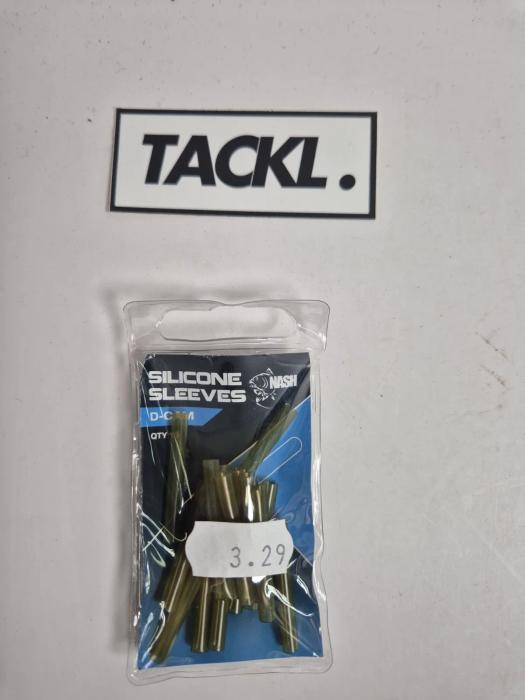
Nash silicone sleeve d_cam
£2.00
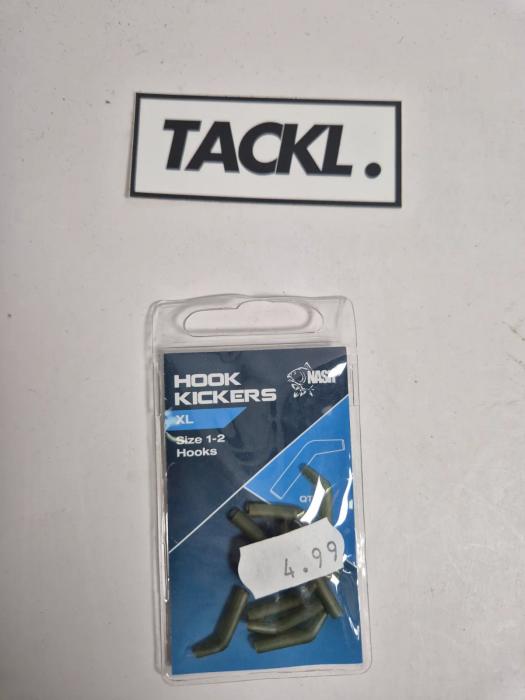
Nash hook kickers
£3.00
Smoothhound guides
Smoothhound fishing questions
What is the best bait for smoothhound?
Peeler crab is the top bait by far, especially from May to July when crabs are moulting. Hermit crab is an excellent alternative and is tough on the hook. Squid or mackerel can catch, but in most areas smoothhounds strongly prefer crab and will ignore fish baits if crab is about.
How do I tell a smoothhound from a tope?
Check the teeth and the fins. Smoothhounds have flat, crushing teeth and two dorsal fins of similar size. Tope have sharp, triangular teeth, a more pointed snout and a second dorsal fin much smaller than the first. Spurdog have a spine in front of each dorsal fin.
When can I catch smoothhounds from the shore?
From late spring to early autumn, peaking from May to July in many areas. They come inshore with warmer water and are often caught on evening and night flood tides from beaches and estuaries. Big spring tides can bring them in close in good numbers.


