

Tope Fishing UK
By Tackl · Updated 30 October 2026

Galeorhinus galeus
Tope are a medium-sized shark and one of the most exciting fish a UK shore angler can hook, famous for long, powerful first runs. They are a summer target from deep beaches and rock marks. Tope are slow-growing and vulnerable, so shore anglers treat them strictly as catch and release, using strong tackle and careful handling.
Photo: D Ross Robertson, Public domain, via Wikimedia Commons
- Typical size
- 15–30lb from the shore; a fish over 40lb is a specimen.
- From the shore
- Deep beaches, rocks
- Found in
- sea
- Peak season
- Summer
How to identify a tope
A slim, streamlined shark with a slate-grey back, paler grey flanks and a white belly. The snout is long and pointed, the eyes are large, and the mouth is full of sharp, blade-like teeth. The first dorsal fin is large and set roughly midway along the back. The second dorsal and the anal fin are small and roughly equal in size, and the tail has a large upper lobe with a deep notch near its tip. Smoothhounds look similar but have flat, crushing teeth, a bigger second dorsal fin and a blunter head. Spurdog have a spine in front of each dorsal fin and no anal fin.
Where it lives
Tope are found all around the UK and Ireland in summer, moving into shallower water to feed and to breed. Shore anglers catch them from beaches with deep water or strong tidal flow close in, from shingle banks next to channels, and from rock marks that give access to clean or mixed ground. They are particularly well known on parts of the Welsh coast, around the Irish Sea, in south-west Scotland and in south-west England, with fish appearing elsewhere too.
What it eats and the best baits
Tope are active predators that hunt fish such as mackerel, whiting, pouting, flatfish, sandeels and small dogfish, plus squid and crabs. Whole or half mackerel and other fresh fish baits work because they match that diet and pump out oily scent. Fresh baits matter: many tope anglers catch their own mackerel or whiting on the day to use as bait.
- Whole mackerel
- Mackerel flapper
- Whiting
- Pouting
- Squid
- Sandeel
Best time of year
- Jan – quieter
- Feb – quieter
- Mar – quieter
- Apr – quieter
- May – good
- Jun – good
- Jul – good
- Aug – good
- Sep – good
- Oct – quieter
- Nov – quieter
- Dec – quieter
Typical best months for shore anglers in England and Wales. What's in season
How to catch tope
Use a strong 13–15ft beachcaster with a reel loaded with 20–30lb line and a long shockleader. A running leger or pulley rig with a trace of heavy mono or light wire, around 2–3ft long, protects against the tope's sharp teeth and rough skin. Circle hooks of 6/0–8/0 are recommended as they usually hook in the corner of the mouth and help with safe release. A 5–6oz grip lead holds bottom in the tide. Whole mackerel, mackerel flappers or large fish fillets are standard baits. Tope can feed at any time of day, but warm summer weather, clear water and strong tides often bring them in, and the flood is usually best. A take is often a dropped-back slack line followed by a long, fast run. Set the drag sensibly, let the circle hook take hold as the line tightens, and expect a long fight.
Size and bag rules
Cornwall IFCA: Can't be kept: return alive.
| Area | Rule | Source |
|---|---|---|
| Cornwall IFCA | Can't be kept: return aliveTope can't be landed: return every tope alive. | Official page |
Other areas (no confirmed number for this species yet): Northumberland IFCA, North Eastern IFCA, Eastern IFCA, Kent & Essex IFCA, Sussex IFCA, Southern IFCA, Devon & Severn IFCA, Isles of Scilly IFCA, North Western IFCA, Wales, Scotland, Northern Ireland.
Rules last checked 23 October 2026. Rules change, especially for bass: always check the official source before keeping a fish. All sea fishing rules
Handling and release
Tope are slow-growing and vulnerable, so release every fish. Keep it in the water or on wet sand, support the body horizontally and never lift it by the tail alone or by the gills. Wear gloves against the abrasive skin and sharp teeth, and use long forceps or a T-bar. Cut the trace if a hook is deep, then hold it upright in the water until it swims away strongly.
Best shore marks for tope
Where to catch tope in the UK
We don't have venues confirmed for tope yet. Browse all venues.
Tackle for tope
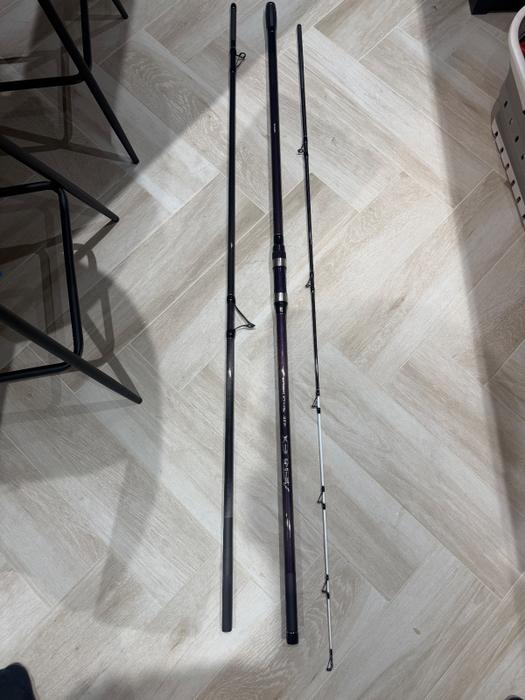
Shimano Aerlex 425cx Tublar 3 Piece Beach / Surf Rod Fishing Rod
£99.00
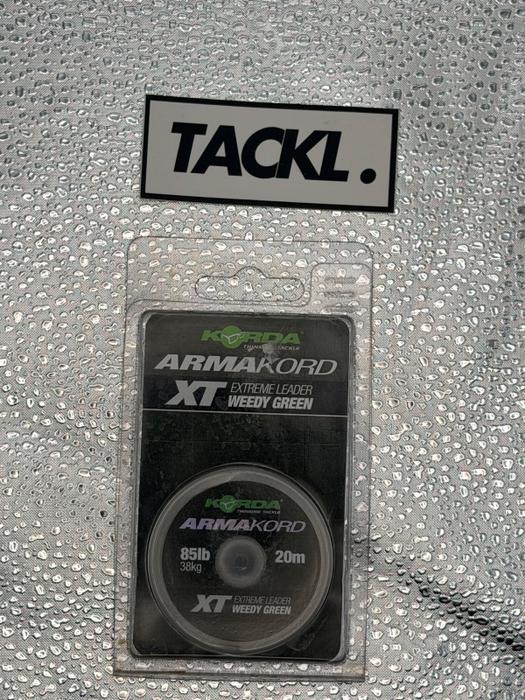
Korda Armakord extreme leader weedy green
£10.00
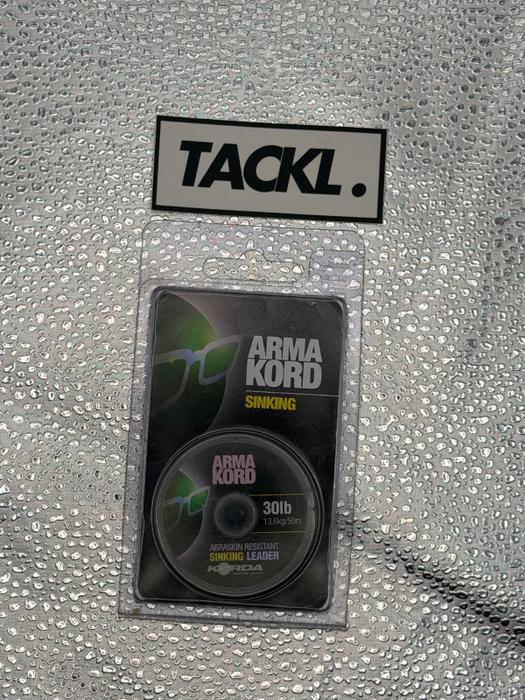
Korda Armamord sinking leader
£15.00
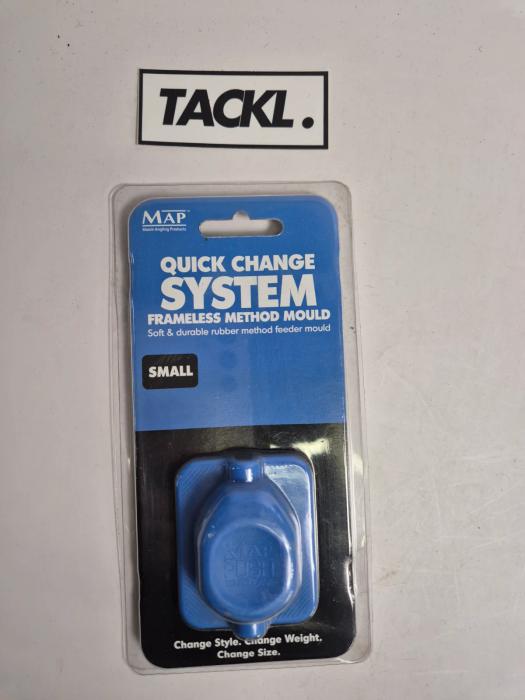
MAP quick change system frameless method mould small
£2.00
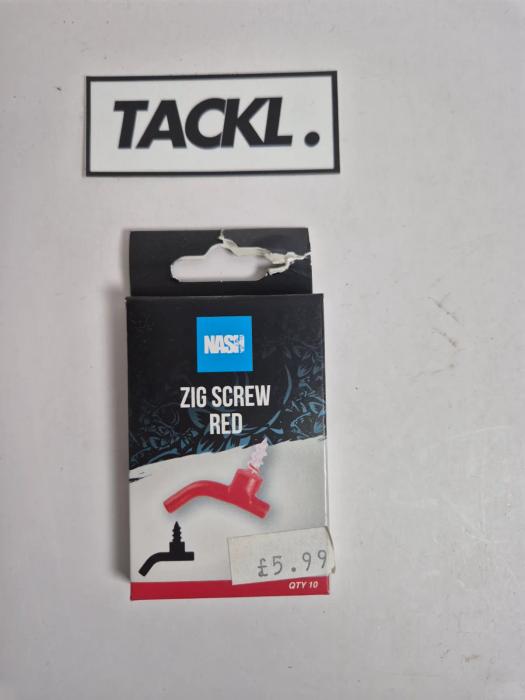
Nash zig screw red
£4.00
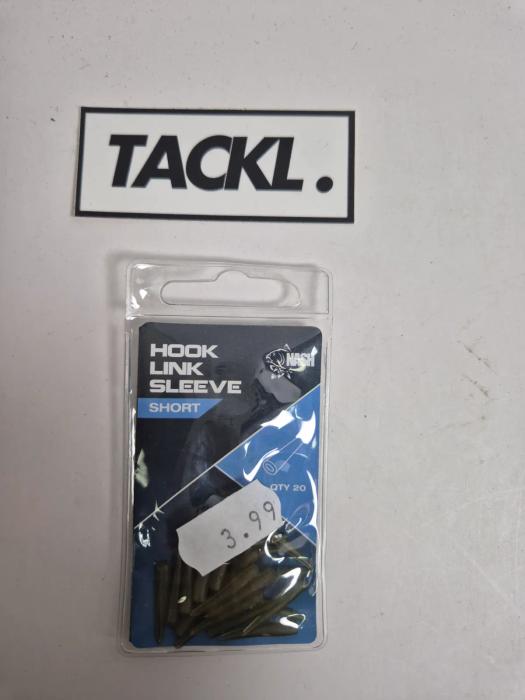
Nash hook link sleeve short
£2.50
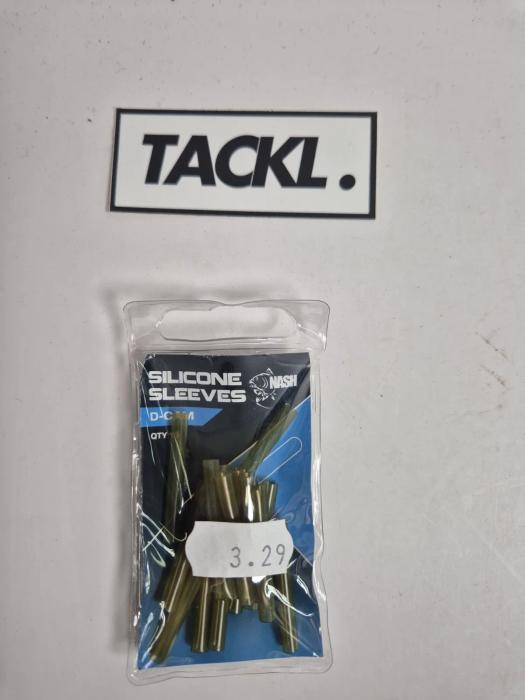
Nash silicone sleeve d_cam
£2.00
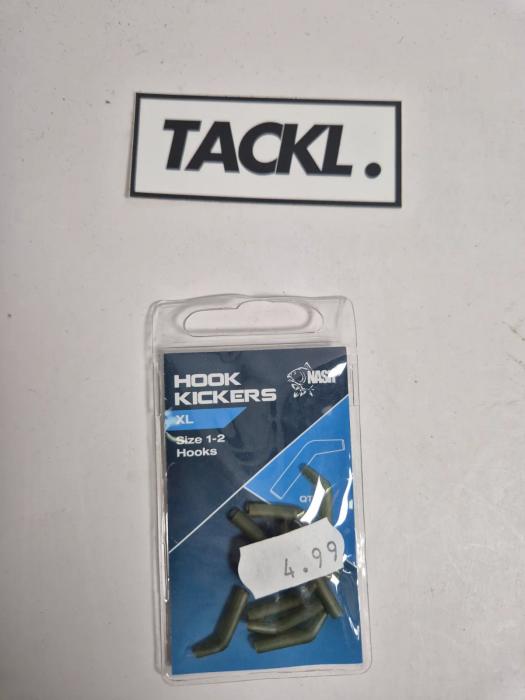
Nash hook kickers
£3.00
Tope guides
Tope fishing questions
Can I keep a tope?
Tope should be returned alive. They are slow-growing and late to mature, so populations recover very slowly. Recreational anglers treat them as catch and release, and you should check the rules for your area below. Take a quick photograph on wet ground or in the water, then let it go as soon as possible.
What tackle do I need for tope from the shore?
A powerful beachcaster, a reel with plenty of 20–30lb line, a strong shockleader and a heavy mono or wire trace are essential. Circle hooks of 6/0–8/0 are best for safe hooking. Bring long forceps, a T-bar or wire cutters, gloves and a wet mat so you can handle and release fish safely.
How do I tell a tope from a smoothhound?
Look at the teeth and fins. Tope have sharp, triangular cutting teeth, a small second dorsal fin roughly the same size as the anal fin, and a deeply notched tail tip. Smoothhounds have flat, plate-like teeth for crushing crabs, a larger second dorsal fin and a blunter, rounder snout.


