

Cuckoo Wrasse Fishing UK
By Tackl · Updated 30 October 2026

Labrus mixtus
Cuckoo wrasse are among the most colourful fish in UK waters, with males sporting electric blue and orange, and females orange-pink with dark spots. They live on deeper rocky ground and are a prize catch for light rock fishing (LRF) anglers from deep-water rock marks. Their striking colours make them memorable catches.
Photo: heartypanther, Public domain, via Wikimedia Commons
- Typical size
- 6–10oz from the shore; a fish over 1lb is a specimen.
- From the shore
- Deeper rocks
- Found in
- sea
- Peak season
- Summer
How to identify a cuckoo wrasse
A slender wrasse with a pointed head and a long dorsal fin. Males are bright orange with an electric blue head and blue stripes and markings on the back and sides. Females are orange-pink to reddish, with three dark spots on the back near the tail, separated by white patches. Cuckoo wrasse can change sex, with females turning into males as they grow. Ballan wrasse are much stockier and thicker-lipped, with mottled green, brown or red colours. Corkwing wrasse have a dark spot on the tail wrist and are smaller. Goldsinny have a dark spot at the front of the dorsal fin and tail wrist.
Where it lives
Cuckoo wrasse live on rocky reefs and rough ground, often in deeper water than other wrasse. Shore anglers catch them from deep-water rock marks, ledges and some harbour walls and piers with deep water nearby. They are most common in south-west England, Wales, the west coast of Scotland and Ireland, with fewer fish along the east coast. Summer is the main season for catching them from the shore.
What it eats and the best baits
Cuckoo wrasse feed on small crustaceans, shrimps, crabs, worms and shellfish living on rocky reefs. Worm baits, such as ragworm and lugworm, match their natural food and are taken readily. Fish strip, especially thin mackerel strips, gives off scent and attracts them too. Small soft plastics and scented artificial worms on LRF tackle can also be effective.
- Ragworm
- Lugworm
- Mackerel strip
- Scented artificial worms
- Small soft plastics
Best time of year
- Jan – quieter
- Feb – quieter
- Mar – quieter
- Apr – quieter
- May – good
- Jun – good
- Jul – good
- Aug – good
- Sep – good
- Oct – quieter
- Nov – quieter
- Dec – quieter
Typical best months for shore anglers in England and Wales. What's in season
How to catch cuckoo wrasse
Light rock fishing (LRF) and light ledgering are the best ways to catch cuckoo wrasse. Use a light rod, 2–6lb line, and size 6–10 hooks. Drop-shot rigs, split-shot rigs or small jig heads fished close to deep rocky ledges work well. Baits include small sections of ragworm or lugworm, thin mackerel strips or scented artificial worms. Lower the bait to the bottom and lift and drop it gently, or hold it still near rocks. Fish deep water close in, ideally on calm days with clear water. Daylight is best, as wrasse are inactive at night. Bites are sharp tugs or rattles. Strike quickly and steadily lift to bring the fish up.
Size and bag rules
We haven't confirmed a cuckoo wrasse size or bag limit from an official source yet. Check: Northumberland IFCA, North Eastern IFCA, Eastern IFCA, Kent & Essex IFCA, Sussex IFCA, Southern IFCA, Devon & Severn IFCA, Cornwall IFCA, Isles of Scilly IFCA, North Western IFCA, Wales, Scotland, Northern Ireland.
Rules change, especially for bass: always check the official source before keeping a fish. All sea fishing rules
Handling and release
Cuckoo wrasse can suffer from pressure changes when brought up from deep water, so bring them up steadily and return them promptly. Handle them with wet hands and use forceps to unhook gently. Avoid holding them by the jaw. They are slow-growing and change sex, so returning them helps protect local populations. Most anglers practise catch and release.
Where to catch cuckoo wrasse in the UK
We don't have venues confirmed for cuckoo wrasse yet. Browse all venues.
Tackle for cuckoo wrasse
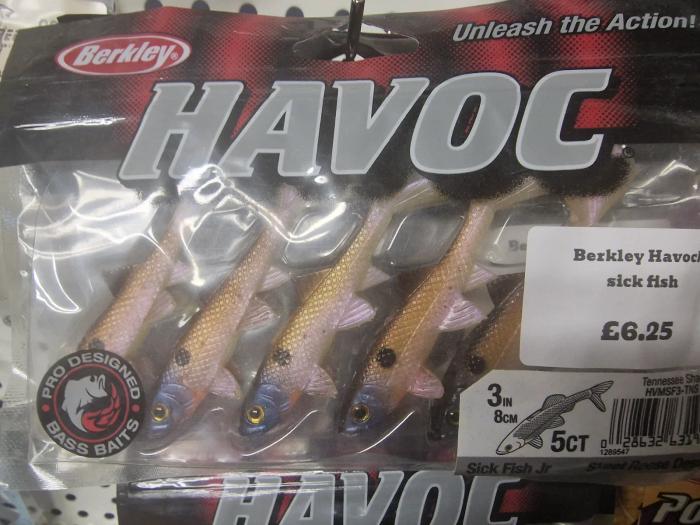
Berkley Havoc perch sick fish lure for bass/ Pike
£6.25
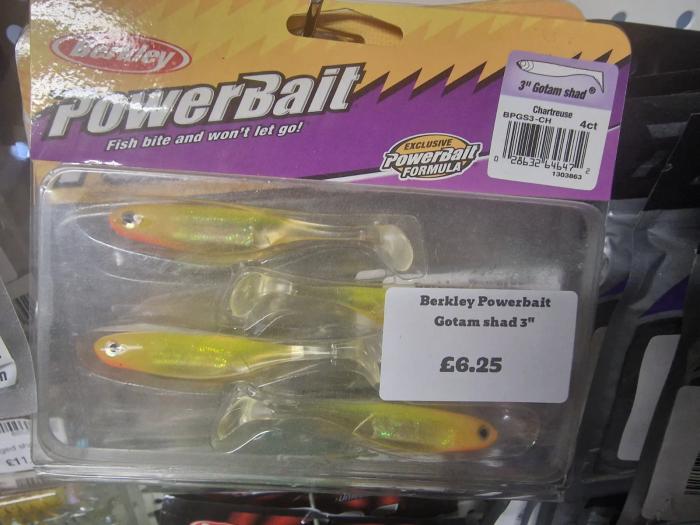
Berkley Soft Plastic / Shad Fishing Lure
£6.25
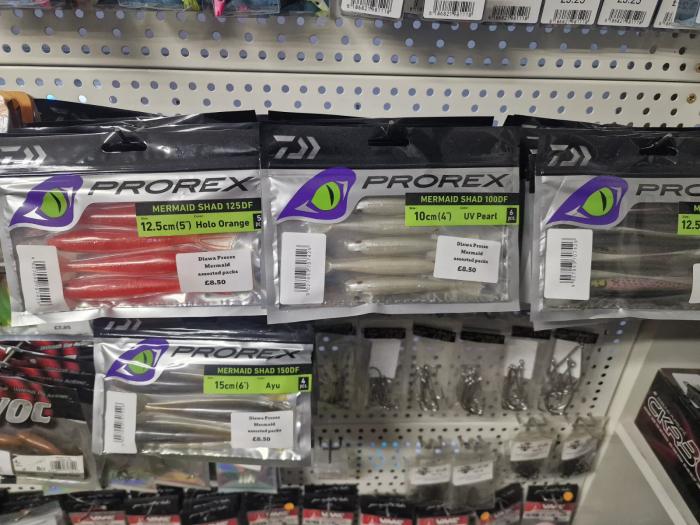
Daiwa Soft Plastic / Bass Fishing Lure Prorex mermaid
£8.50
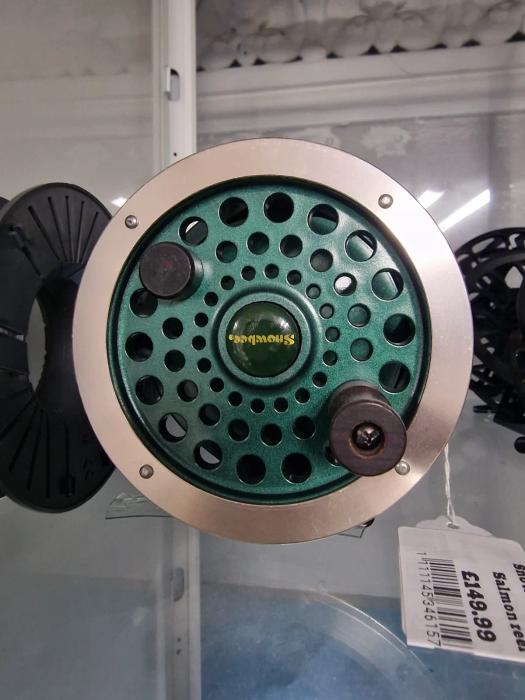
Snowbee Fly Fishing Reel
£149.99
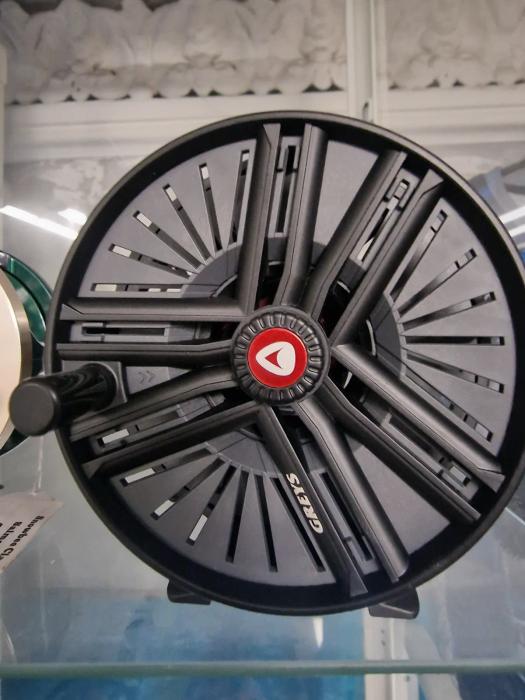
Fishing Reel Greys fin Cassette salmon
£59.99
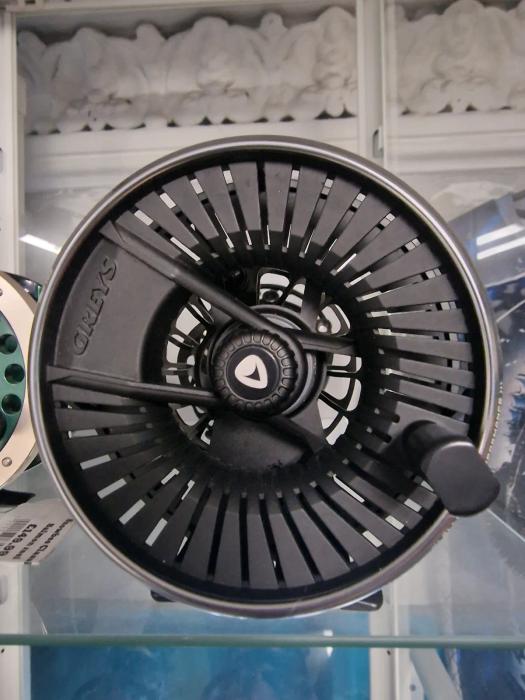
Greys Fly Reel Fishing Reel
£59.99
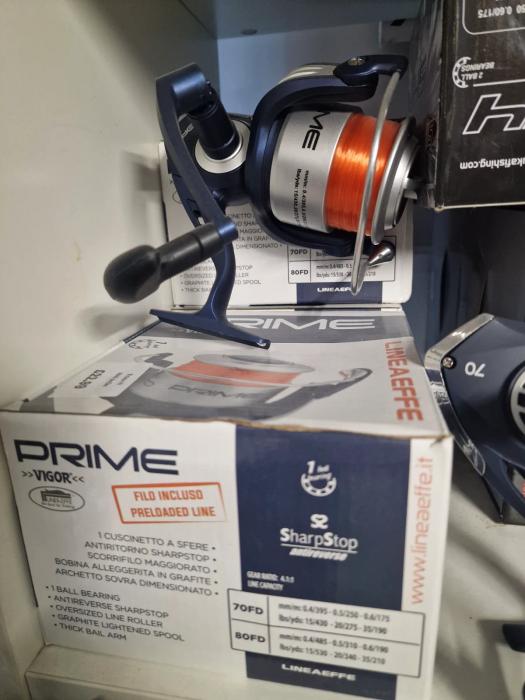
Lineaeffe Spinning 7000 Fishing Reel
£19.99
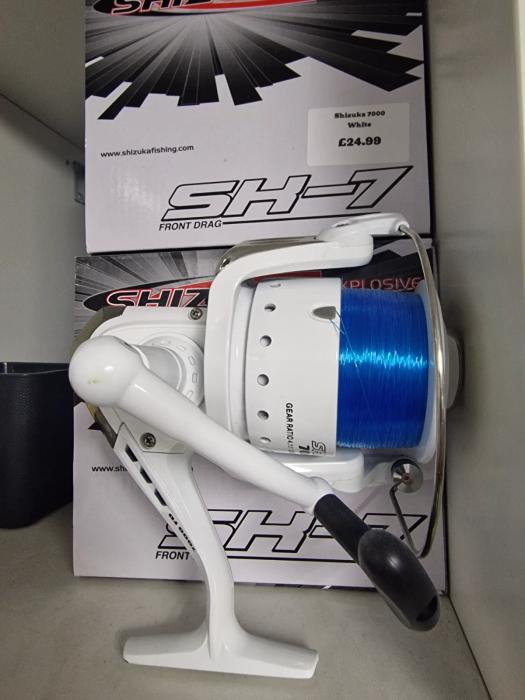
Shizuka Big Pit 7000 Fishing Reel
£23.99
Cuckoo Wrasse guides
Cuckoo Wrasse fishing questions
How do I tell a male cuckoo wrasse from a female?
Males are bright orange with an electric blue head and blue markings. Females are orange-pink with three dark spots on the back near the tail, separated by white patches. Females can turn into males as they grow, so you may see fish with mixed colours.
Where can I catch cuckoo wrasse from the shore?
Look for deep-water rock marks, ledges and harbour walls with deep water nearby, especially in south-west England, Wales, the west coast of Scotland and Ireland. Calm, clear summer days give the best chances. Light rock fishing gear is ideal for targeting them.
Can you eat cuckoo wrasse?
Cuckoo wrasse are not usually eaten. They are small, bony and slow-growing, and most anglers return them after a quick photograph. Returning them helps protect local populations, especially as their unusual sex-changing biology means removing larger males can affect breeding groups.


