

Corkwing Wrasse Fishing UK
By Tackl · Updated 30 October 2026

Symphodus melops
The corkwing wrasse is a small, colourful wrasse common on rocky shores and harbour walls in summer. It is a favourite target for light rock fishing, where its bright colours and lively fight make it great sport on fine tackle, and it is often one of the first species caught by people trying LRF.
Photo: Diego Delso, CC BY-SA 4.0, via Wikimedia Commons
- Typical size
- 2–5oz from the shore; a fish over 8oz is a specimen.
- From the shore
- Rocks, harbour walls
- Found in
- sea
- Peak season
- Spring to autumn
How to identify a corkwing wrasse
Corkwing wrasse are small, deep-bodied wrasse with thick lips and a single long dorsal fin. The key mark is a dark spot in the middle of the tail stalk, just in front of the tail fin, and there is often a dark crescent mark behind the eye. Breeding males are brilliantly coloured with blue-green bodies and blue lines on the head; females are browner. Goldsinny have their dark spot on the upper edge of the tail stalk, and rock cook have a much smaller mouth and lack the central spot. Young ballan wrasse lack the tail spot and grow far larger.
Where it lives
Corkwing wrasse live among rocks, kelp and weed in shallow water, typically within a few metres of the surface. They are common around harbour walls, breakwaters, piers with weedy legs and rocky shores, and also turn up in large rock pools. They are found right around the UK but are most abundant in the south and south-west of England, Wales and the west of Scotland. In summer, males build nests of seaweed in crevices among the rocks.
What it eats and the best baits
Corkwings pick food from rocks and weed, eating small crustaceans such as amphipods, shrimps and tiny crabs, plus small molluscs and worms. Ragworm is irresistible to them and stays lively on small hooks. Small crabs match their natural prey, and cut pieces of crab or tiny peeler crab work well. Prawn and small soft lures can also catch.
- Ragworm
- Small crab
- Peeler crab
- Prawn
- Small soft plastic lures
Best time of year
- Jan – quieter
- Feb – quieter
- Mar – quieter
- Apr – good
- May – good
- Jun – good
- Jul – good
- Aug – good
- Sep – good
- Oct – good
- Nov – quieter
- Dec – quieter
Typical best months for shore anglers in England and Wales. What's in season
How to catch corkwing wrasse
Light rock fishing is the best method. Use an LRF rod rated around 1 to 10g, light braid and a fluorocarbon leader, with size 10 to 6 hooks. A simple split-shot rig, a drop-shot rig or a small float rig presenting a piece of ragworm close to the weed is very effective. Small soft plastics, especially scented worm-style lures, on light jig heads also catch. Fish tight to harbour walls, weed lines and rock gullies, dropping the bait straight down rather than casting far. Daylight is when wrasse feed, with the middle hours of the day and mid tide often best. Bites are sharp, fast taps, sometimes followed by a pull as the fish tries to bolt back into cover; strike quickly or it will strip the bait.
Size and bag rules
We haven't confirmed a corkwing wrasse size or bag limit from an official source yet. Check: Northumberland IFCA, North Eastern IFCA, Eastern IFCA, Kent & Essex IFCA, Sussex IFCA, Southern IFCA, Devon & Severn IFCA, Cornwall IFCA, Isles of Scilly IFCA, North Western IFCA, Wales, Scotland, Northern Ireland.
Rules change, especially for bass: always check the official source before keeping a fish. All sea fishing rules
Handling and release
Wrasse are slow-growing and territorial, and nesting males guard eggs in summer, so please return corkwings promptly. Handle with wet hands and support the body. Small barbless hooks make unhooking quick and easy. Return them close to where they were caught so they can find cover. Avoid hanging them by the jaw.
Where to catch corkwing wrasse in the UK
We don't have venues confirmed for corkwing wrasse yet. Browse all venues.
Tackle for corkwing wrasse
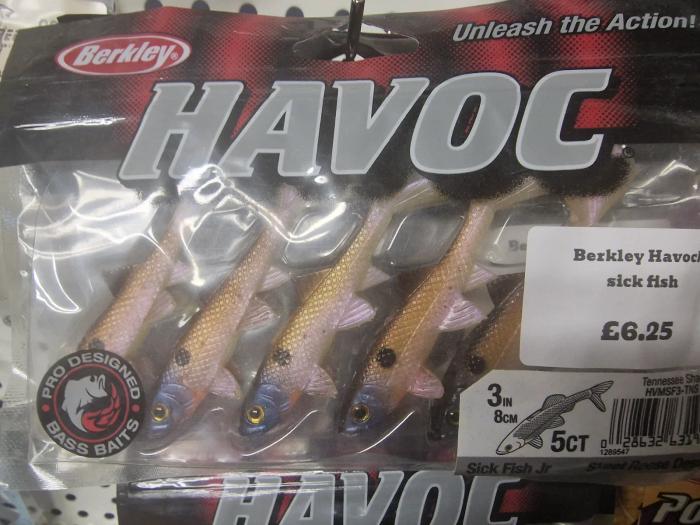
Berkley Havoc perch sick fish lure for bass/ Pike
£6.25
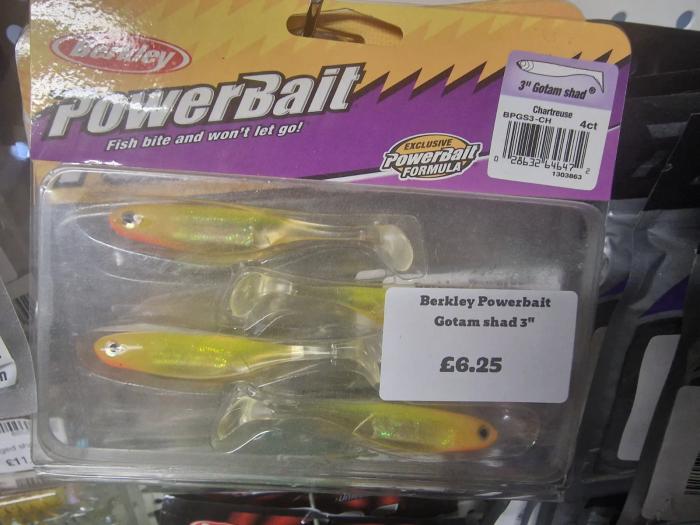
Berkley Soft Plastic / Shad Fishing Lure
£6.25
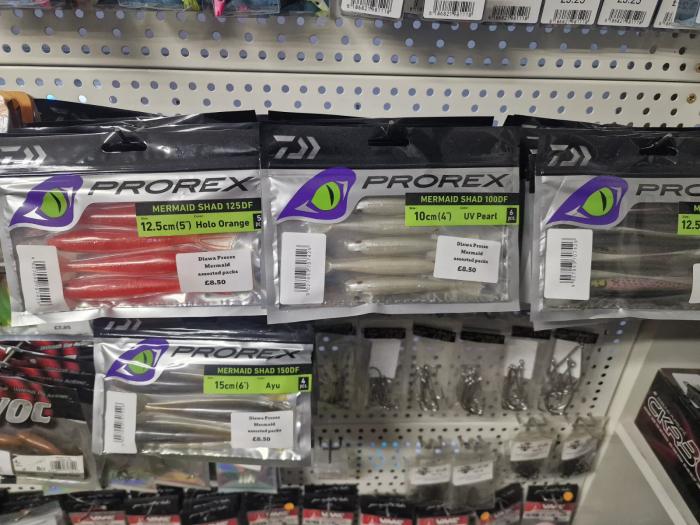
Daiwa Soft Plastic / Bass Fishing Lure Prorex mermaid
£8.50
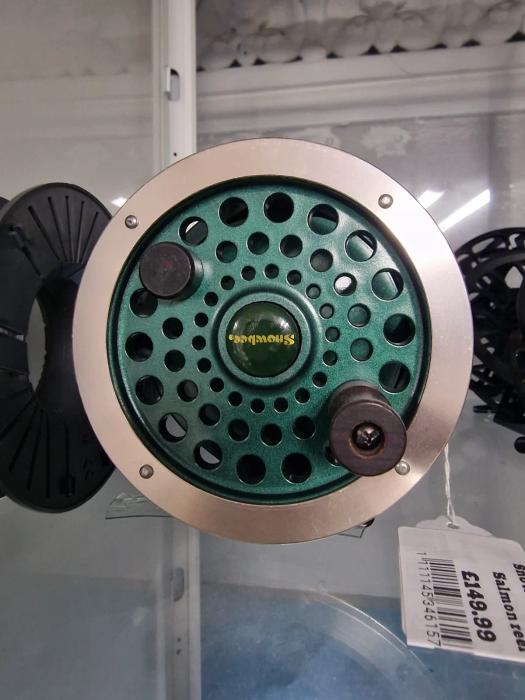
Snowbee Fly Fishing Reel
£149.99
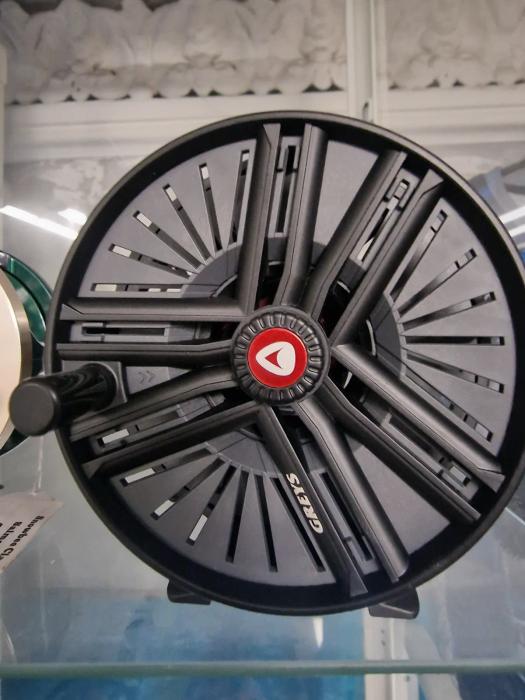
Fishing Reel Greys fin Cassette salmon
£59.99
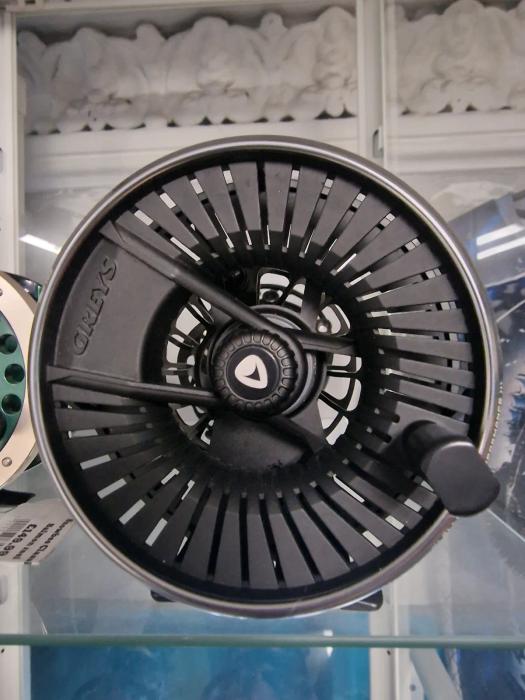
Greys Fly Reel Fishing Reel
£59.99
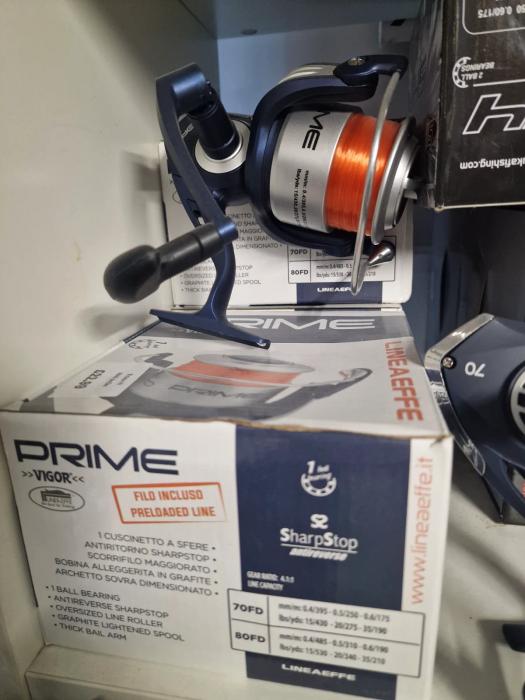
Lineaeffe Spinning 7000 Fishing Reel
£19.99
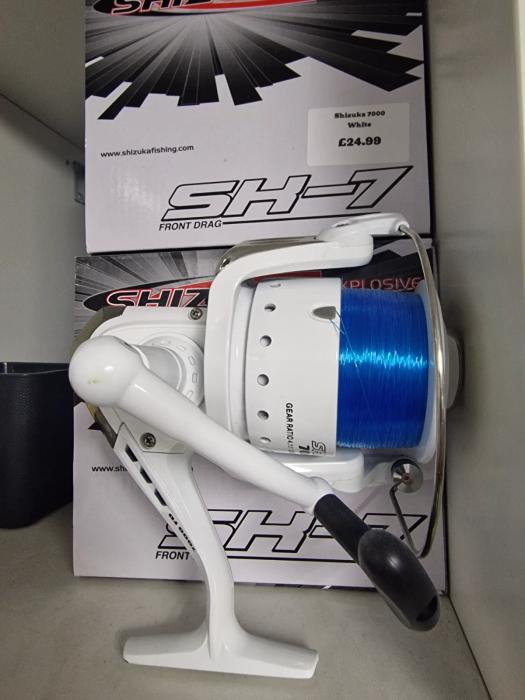
Shizuka Big Pit 7000 Fishing Reel
£23.99
Corkwing Wrasse guides
Corkwing Wrasse fishing questions
How do I tell a corkwing wrasse from a goldsinny?
Check the position of the dark spot near the tail. Corkwings have it in the middle of the tail stalk, while goldsinny have it on the upper edge. Corkwings also often show a dark mark behind the eye and a deeper body, and breeding males are vividly blue-green.
What tackle do I need for corkwing wrasse?
Light rock fishing gear is ideal: an LRF rod of about 1 to 10g, light braid, a fluorocarbon leader and size 10 to 6 hooks. Fish a small piece of ragworm on a split-shot or drop-shot rig close to harbour walls or weed, and strike quickly at the first sharp taps.
Can you eat corkwing wrasse?
Corkwing wrasse are small and bony and are not generally eaten. They are also used as cleaner fish in fish farming, and they are territorial nest builders. Nearly all anglers return them. Check the size and bag rules for your area below if you are unsure.


