

Shanny Fishing UK
By Tackl · Updated 30 October 2026

Lipophrys pholis
The shanny, or common blenny, is a small, scaleless fish found in rock pools and around harbour walls. It is one of the first fish many children catch, and is a favourite with light rock fishing (LRF) anglers, who enjoy targeting the many small species that live among rocks and weed.
Photo: Gilles San Martin, CC BY-SA 3.0, via Wikimedia Commons
- Typical size
- 2–5 inches from the shore; a fish near 6 inches is a big one.
- From the shore
- Rock pools, harbours
- Found in
- sea
- Peak season
- All year, best spring to autumn
How to identify a shanny
Shannies have a long, scaleless and slimy body with a large, rounded head, thick lips and eyes set high on the head. The colour is usually olive, brown or greenish with darker blotches, helping them blend into rocks. The dorsal fin runs along most of the back, with a notch in the middle. The tompot blenny is larger and has branched tentacles above the eyes, which the shanny lacks. Gobies have two separate dorsal fins and fused pelvic fins.
Where it lives
Shannies live on rocky shores all around the UK, especially in rock pools, among weed and in crevices on the lower shore. From the shore they are caught from rock pools, harbour walls, breakwaters and pier legs, often in very shallow water. They are common in south-west England, Wales and western Scotland but found on most rocky coasts. They can survive out of water for a while at low tide by sheltering under damp rocks and weed.
What it eats and the best baits
Shannies feed on barnacles, small crabs, shrimps, worms and small molluscs, which they pick from rocks with their strong jaws. Small pieces of worm, especially ragworm, work well because they match the worms and small creatures found among rocks and weed. Tiny pieces of prawn or fish can also catch them.
- Ragworm
- Small worm
- Prawn
- Small soft lures
- Isome
Best time of year
- Jan – good
- Feb – good
- Mar – good
- Apr – good
- May – good
- Jun – good
- Jul – good
- Aug – good
- Sep – good
- Oct – good
- Nov – good
- Dec – good
In season now. Typical best months for shore anglers in England and Wales. What's in season
How to catch shanny
Shannies are best caught on light rock fishing (LRF) tackle. Use a light LRF rod with fine braid or mono, a small drop-shot or split-shot rig, and size 10 to 14 hooks baited with tiny pieces of ragworm. Small soft lures and isome worm imitations can also work. Fish close in, dropping the bait into holes, cracks and weed along harbour walls and in rock pools. Shannies are active in daylight and can be caught on most states of tide, though the period around low water at rock pools and the flood along harbour walls is often good. Bites are quick, sharp tugs. Lift steadily before the fish retreats into a crevice. They are a great target for youngsters on a simple handline.
Size and bag rules
We haven't confirmed a shanny size or bag limit from an official source yet. Check: Northumberland IFCA, North Eastern IFCA, Eastern IFCA, Kent & Essex IFCA, Sussex IFCA, Southern IFCA, Devon & Severn IFCA, Cornwall IFCA, Isles of Scilly IFCA, North Western IFCA, Wales, Scotland, Northern Ireland.
Rules change, especially for bass: always check the official source before keeping a fish. All sea fishing rules
Handling and release
Shannies are small and delicate, so handle them with wet hands and as little as possible. Unhook carefully with small forceps. Avoid leaving them in a bucket for long. Return them gently into the rock pool or water where you caught them, ideally near cover so they can hide quickly.
Where to catch shanny in the UK
We don't have venues confirmed for shanny yet. Browse all venues.
Tackle for shanny
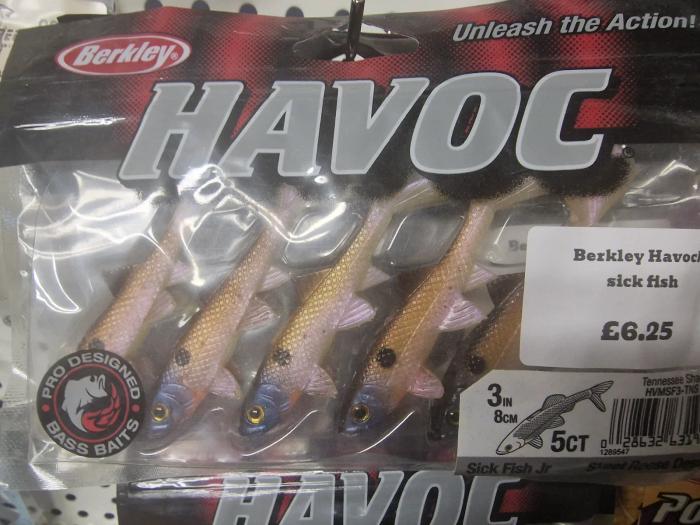
Berkley Havoc perch sick fish lure for bass/ Pike
£6.25
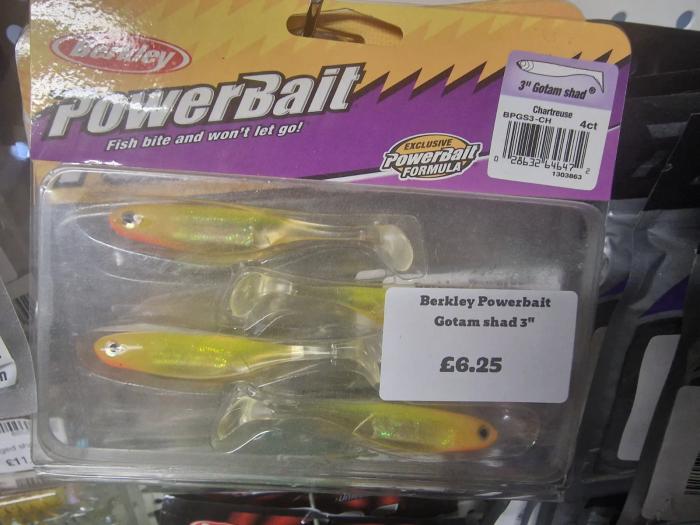
Berkley Soft Plastic / Shad Fishing Lure
£6.25
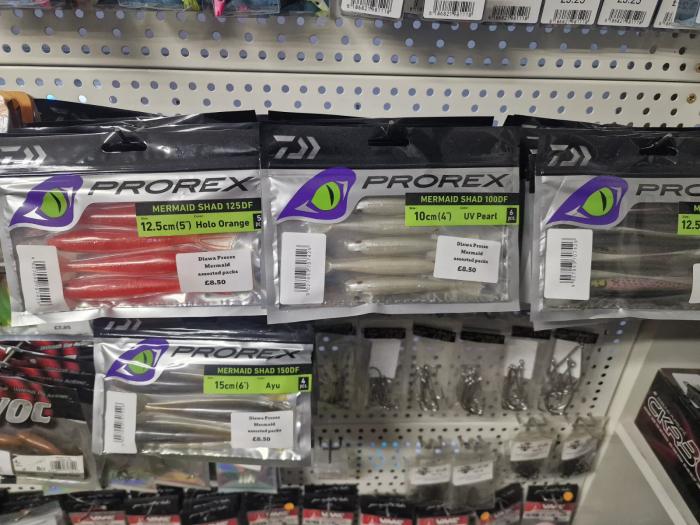
Daiwa Soft Plastic / Bass Fishing Lure Prorex mermaid
£8.50
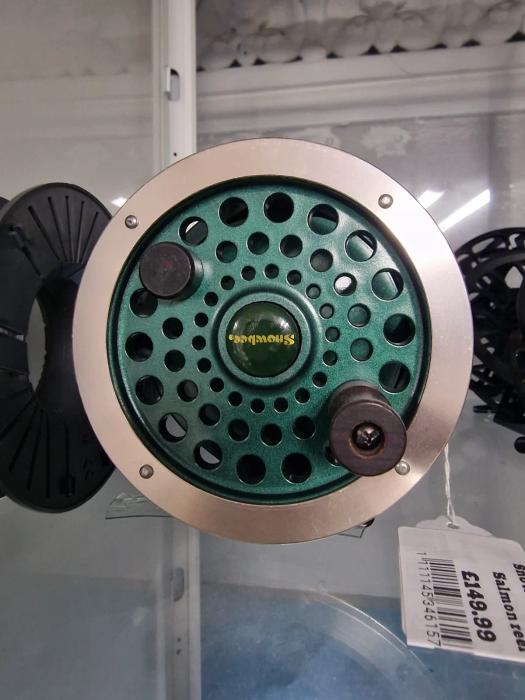
Snowbee Fly Fishing Reel
£149.99
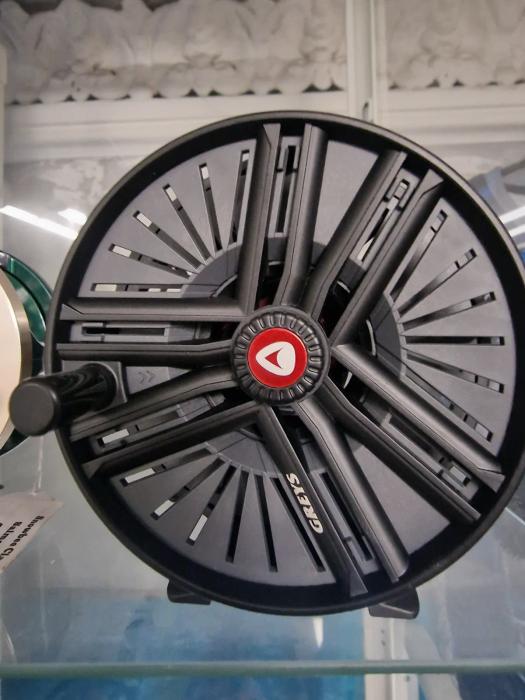
Fishing Reel Greys fin Cassette salmon
£59.99
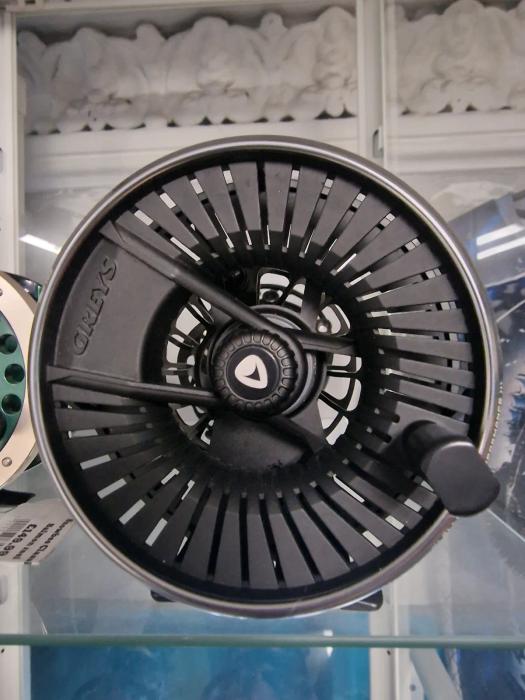
Greys Fly Reel Fishing Reel
£59.99
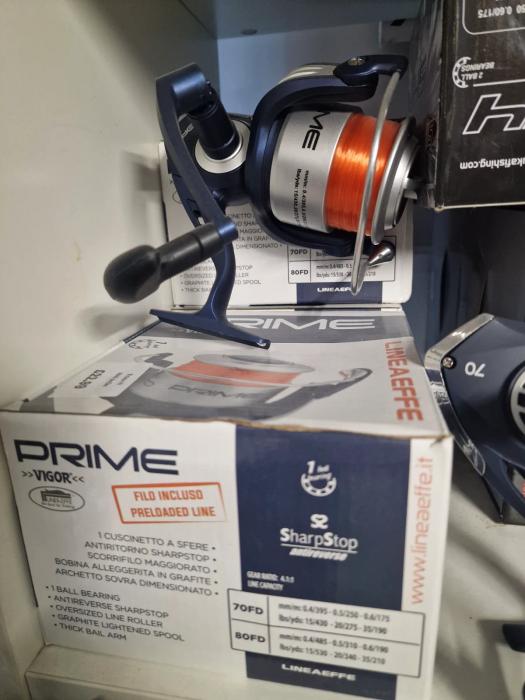
Lineaeffe Spinning 7000 Fishing Reel
£19.99
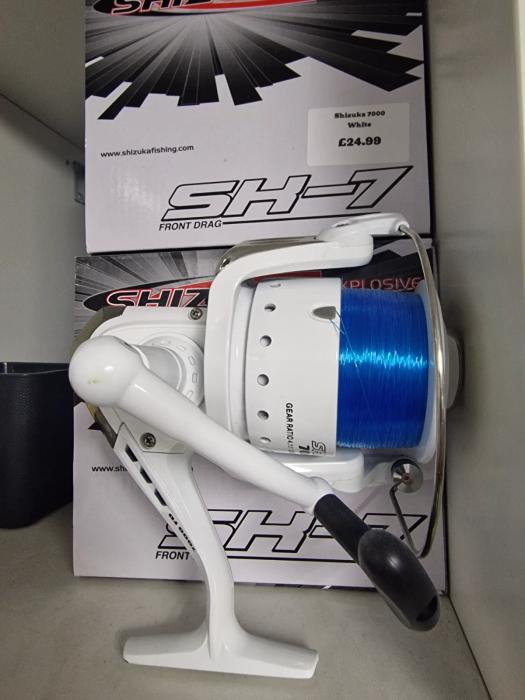
Shizuka Big Pit 7000 Fishing Reel
£23.99
Shanny guides
Shanny fishing questions
How do I catch a shanny?
Use light rock fishing tackle or a simple handline with a size 10 to 14 hook and a tiny piece of ragworm. Drop the bait into holes and cracks in harbour walls or rock pools. Shannies bite quickly, so lift steadily as soon as you feel a tug, before the fish backs into a crevice.
How do I tell a shanny from a tompot blenny?
Look above the eyes. Tompot blennies have branched tentacles there, while shannies do not. Tompots are also larger and often have brighter colours, with reddish or brown bands. Both are blennies, with a long dorsal fin and no scales, and both are common around rocky shores.
Can you eat a shanny?
Shannies are not usually eaten in the UK, as they are very small and bony. They are best enjoyed as a fun catch and returned to where they came from. They are a great introduction to fishing for children and a popular target for anglers collecting different species.


