

Ballan Wrasse Fishing UK
By Tackl · Updated 30 October 2026

Labrus bergylta
Ballan wrasse are the largest wrasse in UK waters, chunky rock-dwelling fish with thick lips and strong teeth for crushing shellfish. They are a favourite summer target for rock anglers, famous for violent dives into kelp and weed, and they take natural baits and soft lures in shallow, clear water.
Photo: Fernando Losada Rodríguez, CC BY-SA 4.0, via Wikimedia Commons
- Typical size
- 2–4lb from the shore; a fish over 5lb is a specimen.
- From the shore
- Rocks, harbour walls
- Found in
- sea
- Peak season
- Late spring to autumn
How to identify a ballan wrasse
Ballan wrasse have a deep, solid body, large scales, thick lips and a single long dorsal fin with a spiny front section. Colour varies widely: green, brown, orange or reddish, usually with pale spots or a mottled pattern. Corkwing wrasse are smaller, with a dark spot on the tail wrist and a dark mark behind the eye. Cuckoo wrasse are slimmer, and the males are brightly marked with blue and orange. Goldsinny are small with a dark spot on the front of the dorsal fin and on the tail wrist.
Where it lives
Ballan wrasse live among rocks, reefs, kelp and weed in clear water, usually from the shallows down to moderate depths. Shore anglers catch them from rock marks, gullies, harbour walls and breakwaters, often very close to their feet. They are commonest in south-west England, the Channel coast, Wales, western Scotland and Ireland, and less common on the sandy North Sea coast. Clear water and calm or gentle seas suit them best.
What it eats and the best baits
Ballan wrasse eat crabs, mussels, limpets, barnacles, prawns and other small creatures picked from rocks and weed. Their strong teeth crush shells easily. Peeler crab is a natural and favourite food. Ragworm is lively and attractive in clear water, and soft lures fished slowly near weed draw aggressive strikes from these territorial fish.
- Peeler crab
- Ragworm
- Soft lures
- Hardback crab
- Prawn
- Mussel
Best time of year
- Jan – quieter
- Feb – quieter
- Mar – quieter
- Apr – good
- May – good
- Jun – good
- Jul – good
- Aug – good
- Sep – good
- Oct – good
- Nov – quieter
- Dec – quieter
Typical best months for shore anglers in England and Wales. What's in season
How to catch ballan wrasse
Over rough rock, use a strong running leger with a rotten-bottom lead link and a single strong 1/0 to 2/0 hook, or a simple float rig set so the bait sits just above the weed. Use 15 to 30lb line, as wrasse dive hard for cover. A light rock rod or bass rod is ideal, with 2 to 4oz leads at most. For lure fishing, rig weedless soft lures Texas or Cheb style on an LRF or light spinning rod and work them slowly through weed and gullies. Wrasse feed in daylight and go quiet at night. Fish the flood or ebb in clear water. Bites are sharp knocks followed by a hard pull. Strike firmly and keep the fish out of the weed.
Size and bag rules
We haven't confirmed a ballan wrasse size or bag limit from an official source yet. Check: Northumberland IFCA, North Eastern IFCA, Eastern IFCA, Kent & Essex IFCA, Sussex IFCA, Southern IFCA, Devon & Severn IFCA, Cornwall IFCA, Isles of Scilly IFCA, North Western IFCA, Wales, Scotland, Northern Ireland.
Rules change, especially for bass: always check the official source before keeping a fish. All sea fishing rules
Handling and release
Ballan wrasse are slow growing and can change from female to male as they age, so please release them. Watch the spiny dorsal fin. Hold them with wet hands and support the body. They can suffer from pressure changes if wound up fast from deep water, so return them quickly and let them swim off.
Best shore marks for ballan wrasse
- Aberystwyth, Ceredigion
- Brixham Breakwater, Devon
- Eyemouth, Scottish Borders
- Falmouth, Cornwall
- Filey Brigg, North Yorkshire
- Flamborough, East Yorkshire
- Fowey, Cornwall
- Llandudno Pier, Conwy
- Looe Banjo Pier, Cornwall
- Lyme Regis Cobb, Dorset
- Mull of Galloway, Dumfries and Galloway
- Penmon Point, Anglesey, Anglesey
Where to catch ballan wrasse in the UK
We don't have venues confirmed for ballan wrasse yet. Browse all venues.
Tackle for ballan wrasse
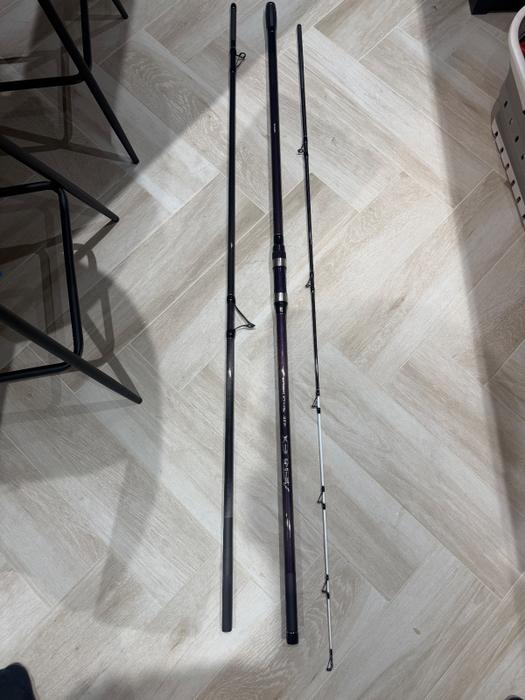
Shimano Aerlex 425cx Tublar 3 Piece Beach / Surf Rod Fishing Rod
£99.00
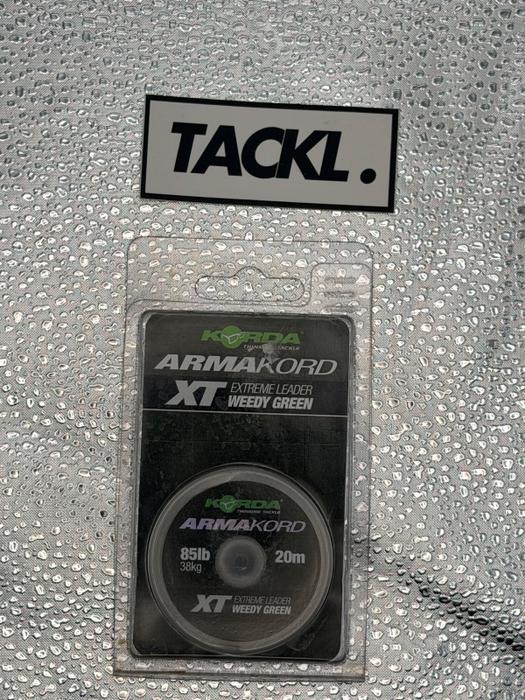
Korda Armakord extreme leader weedy green
£10.00
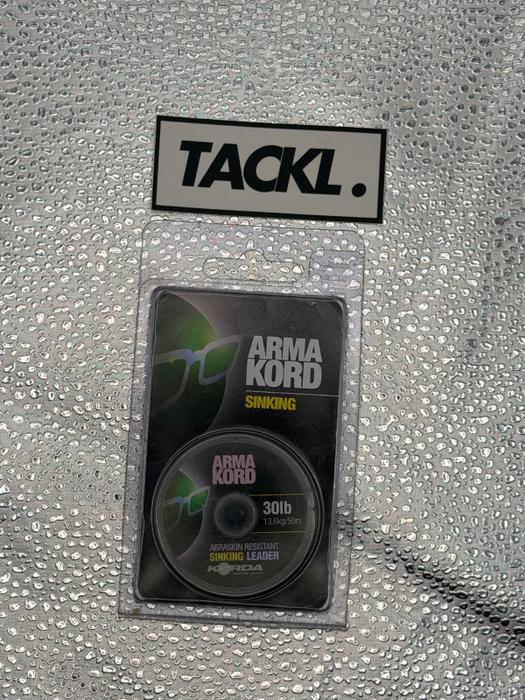
Korda Armamord sinking leader
£15.00
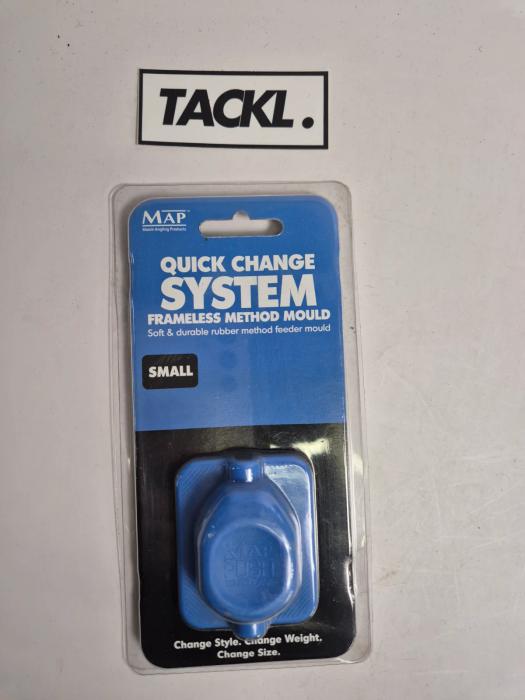
MAP quick change system frameless method mould small
£2.00
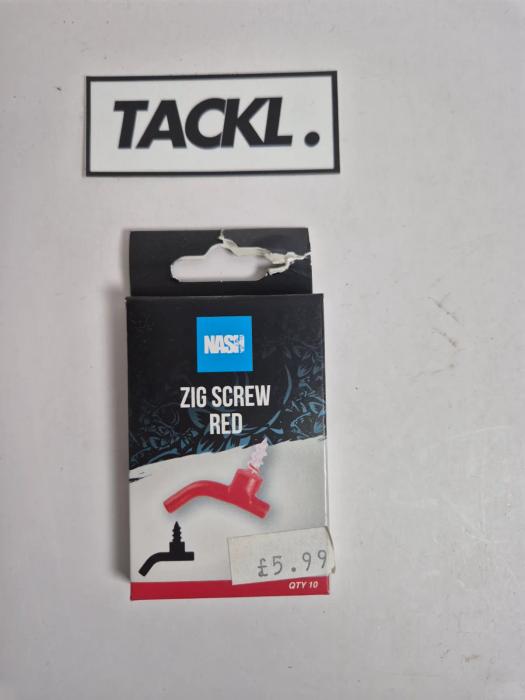
Nash zig screw red
£4.00
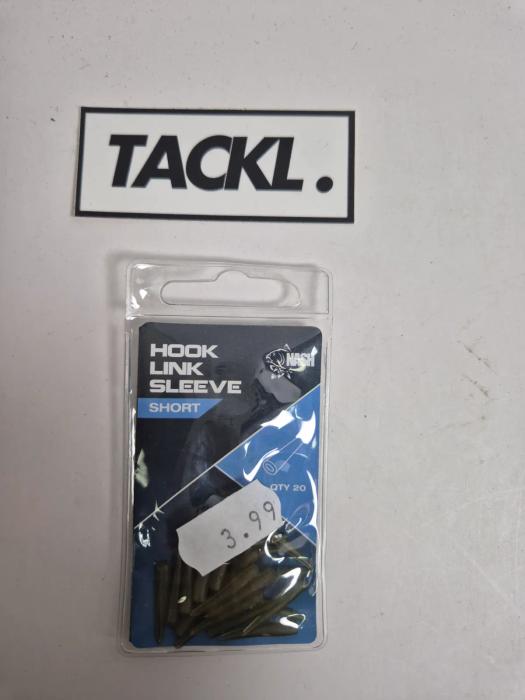
Nash hook link sleeve short
£2.50
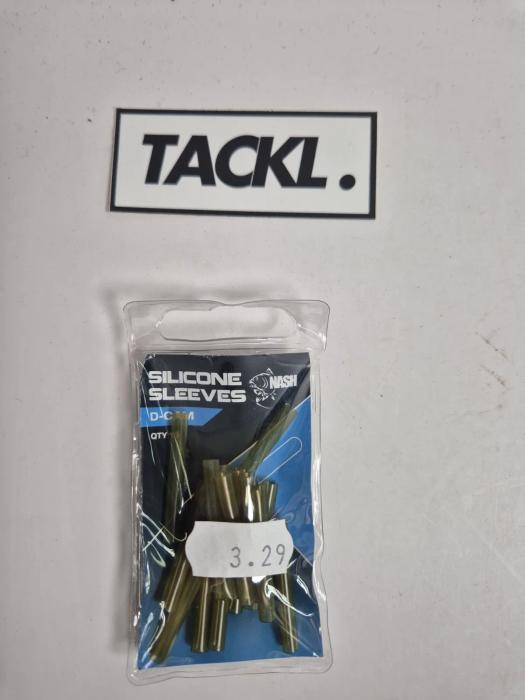
Nash silicone sleeve d_cam
£2.00
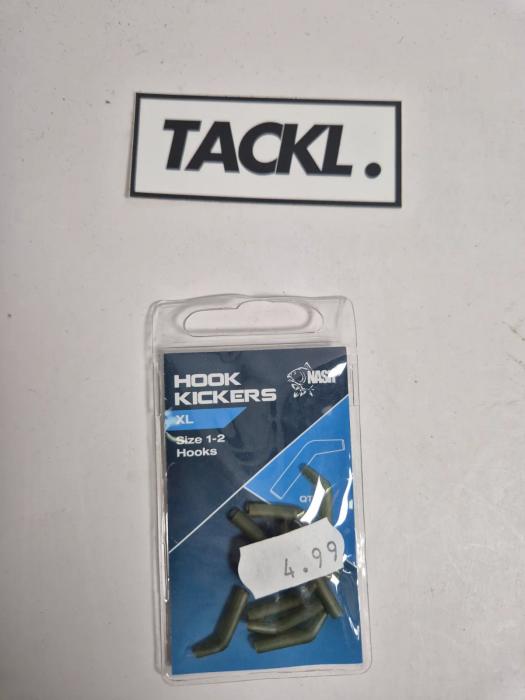
Nash hook kickers
£3.00
Ballan Wrasse guides
Ballan Wrasse fishing questions
Can you catch ballan wrasse on lures?
Yes, and it is very popular. Weedless soft lures rigged Texas or Cheb style can be bumped through weed and over rocks without snagging. Fish slowly, as wrasse often follow a lure and hit it on the drop. Light spinning or LRF tackle makes it great fun, but use strong line.
Can you eat ballan wrasse?
Wrasse are edible but bony, and most anglers return them. They grow slowly and live a long time, and many are also caught for use as cleaner fish in fish farms. Releasing them helps keep rock marks productive. Check the size and bag rules for your area below.
When and where is the best time to catch ballan wrasse?
Fish rock marks, gullies and harbour walls in clear water from late spring to autumn. Wrasse feed in daylight, so morning and afternoon sessions are best. Calm or gentle seas with good visibility work well. Many fish are caught very close in, sometimes right under your feet.


