

Black Bream Fishing UK
By Tackl · Updated 30 October 2026

Spondyliosoma cantharus
Black bream are deep-bodied, hard-fighting fish that arrive inshore in spring and summer, mainly along the south coast. They are a favourite target for shore anglers on light tackle and lures, with fast, rattling bites and a determined fight. They also make excellent eating, though returning many fish helps keep stocks healthy.
Photo: Diego Delso, CC BY-SA 4.0, via Wikimedia Commons
- Typical size
- 1–2lb from the shore; a fish over 3lb is a specimen.
- From the shore
- Rock edges, piers (south)
- Found in
- sea
- Peak season
- Late spring and summer
How to identify a black bream
An oval, deep-bodied fish with a small head, a small mouth and a long spiny dorsal fin. Colour is silvery-grey with a darker back and faint horizontal lines along the sides. Breeding males become very dark, almost black, with a blue-grey sheen and a pale band across the body. The gilthead bream has a golden band between the eyes and a dark mark on the gill cover. The red bream has a large eye, reddish colour and a dark blotch at the start of the lateral line. Pandora are pink with blue spots. Black bream are the commonest sea bream caught from UK shores.
Where it lives
Black bream are mainly found along the south coast of England, in south-west England and around Wales, with some fish further north in warm summers. They favour rocky reefs, rough and mixed ground, and the edges where rock meets sand. Shore anglers catch them from rock ledges and platforms with deep water close in, piers, breakwaters and harbour walls. Areas with gravel and rock where bream nest and feed in late spring can be especially productive.
What it eats and the best baits
Black bream feed on worms, small crustaceans, shellfish, small fish and some weed and invertebrates growing on rocks. Squid strip is tough, stays on the hook through repeated nibbles and gives off scent, making it an excellent bait. Ragworm is a natural food that wriggles and attracts bream too, and small soft lures and scented worm imitations also work well.
- Squid strip
- Ragworm
- Lugworm
- Mackerel strip
- Small soft plastics
- Scented artificial worms
Best time of year
- Jan – quieter
- Feb – quieter
- Mar – quieter
- Apr – quieter
- May – good
- Jun – good
- Jul – good
- Aug – good
- Sep – good
- Oct – quieter
- Nov – quieter
- Dec – quieter
Typical best months for shore anglers in England and Wales. What's in season
How to catch black bream
A long-snood flowing trace or a two-hook paternoster with size 4–1 hooks suits bream well, baited with thin squid strips or sections of ragworm. Use a light lead of 1–3oz, or a sliding lead, and a light spinning, bass or LRF rod so you can feel bites and enjoy the fight. Light rock fishing (LRF) and drop-shot rigs with small soft plastics or scented artificial worms are also popular, and bream readily take them. Dawn, dusk and the slack-water periods are often best, with bream feeding hard on the flood around rocks and piers. Bites are fast, rattling taps: wait until the rod pulls round firmly before lifting. Bream often strip baits quickly, so keep baits neat and check them often. Once hooked they fight hard, turning their flat sides to the tide.
Size and bag rules
| Area | Rule | Source |
|---|---|---|
| Cornwall IFCA | Minimum size 23cmFrom byelaws Cornwall IFCA inherited; some rivers and estuaries aren't covered. Check the official page. | Official page |
| North Western IFCA | Minimum size 23cm | Official page |
Other areas (no confirmed number for this species yet): Northumberland IFCA, North Eastern IFCA, Eastern IFCA, Kent & Essex IFCA, Sussex IFCA, Southern IFCA, Devon & Severn IFCA, Isles of Scilly IFCA, Wales, Scotland, Northern Ireland.
Rules last checked 23 October 2026. Rules change, especially for bass: always check the official source before keeping a fish. All sea fishing rules
Handling and release
Black bream have sharp dorsal spines and gill covers, so handle them with wet hands and fold the dorsal fin back gently. Use forceps to unhook and return fish promptly. In spring and early summer males guard nests, so release fish caught at this time and avoid targeting nesting areas heavily. Take only what you need and check the size and bag rules for your area below.
Best shore marks for black bream
Where to catch black bream in the UK
We don't have venues confirmed for black bream yet. Browse all venues.
Tackle for black bream
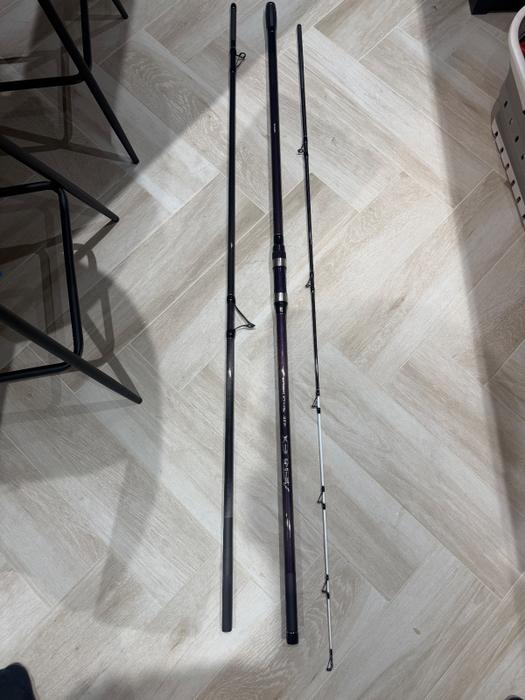
Shimano Aerlex 425cx Tublar 3 Piece Beach / Surf Rod Fishing Rod
£99.00
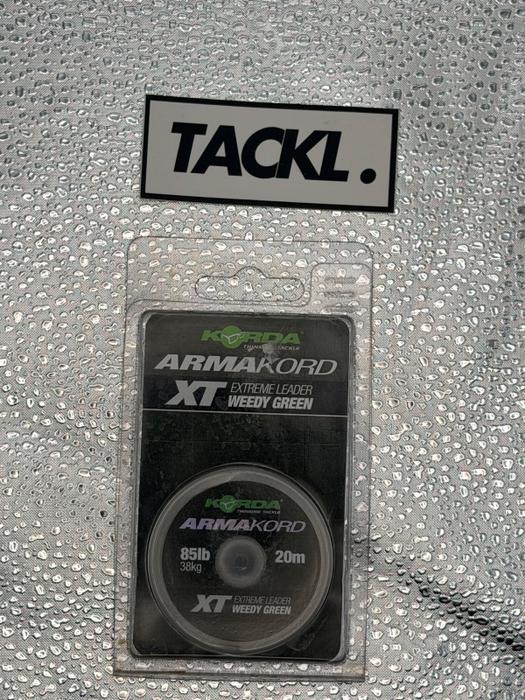
Korda Armakord extreme leader weedy green
£10.00
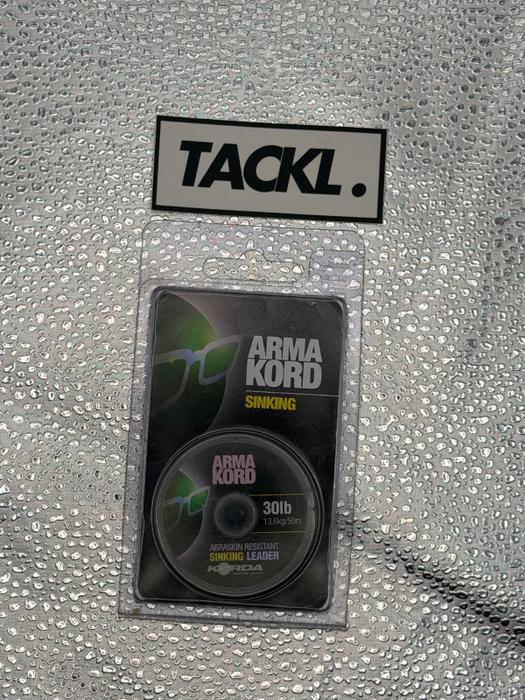
Korda Armamord sinking leader
£15.00
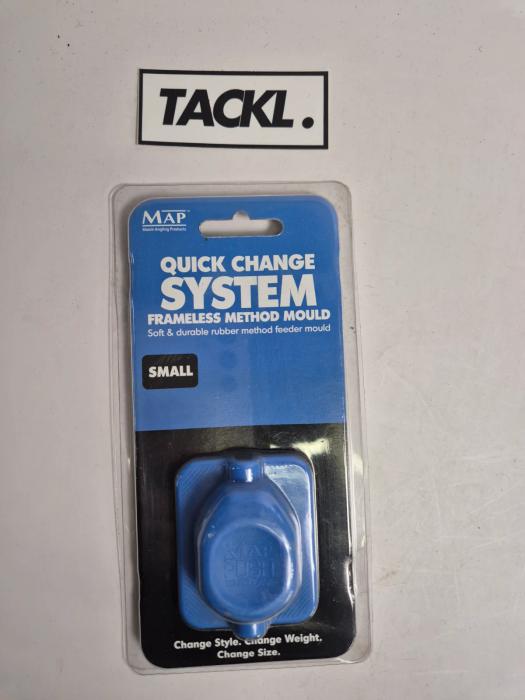
MAP quick change system frameless method mould small
£2.00
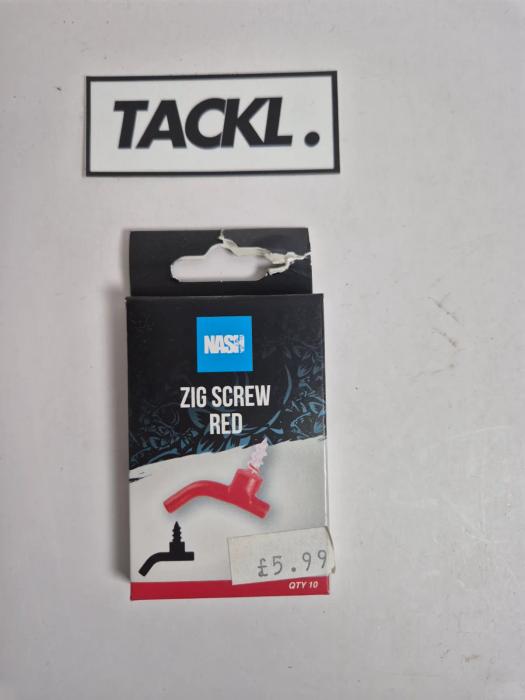
Nash zig screw red
£4.00
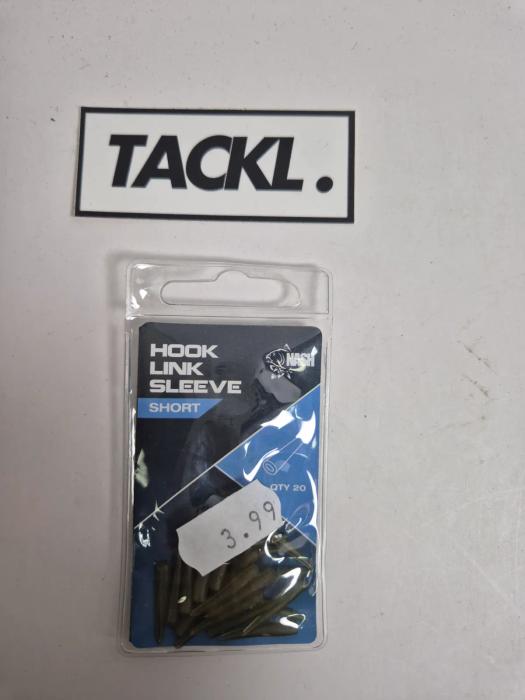
Nash hook link sleeve short
£2.50
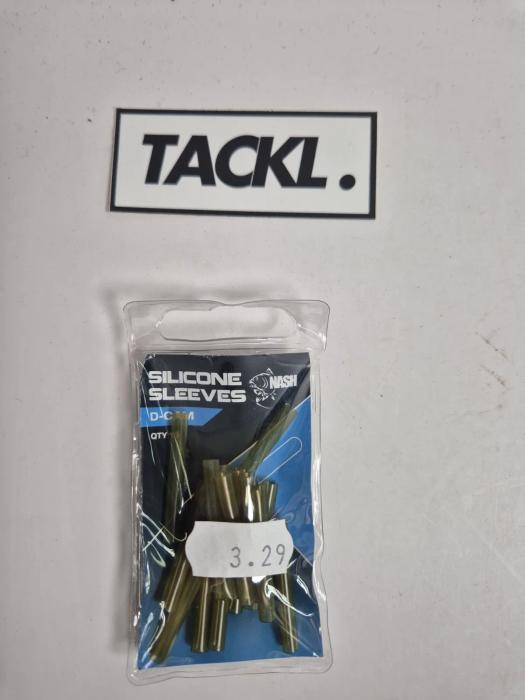
Nash silicone sleeve d_cam
£2.00
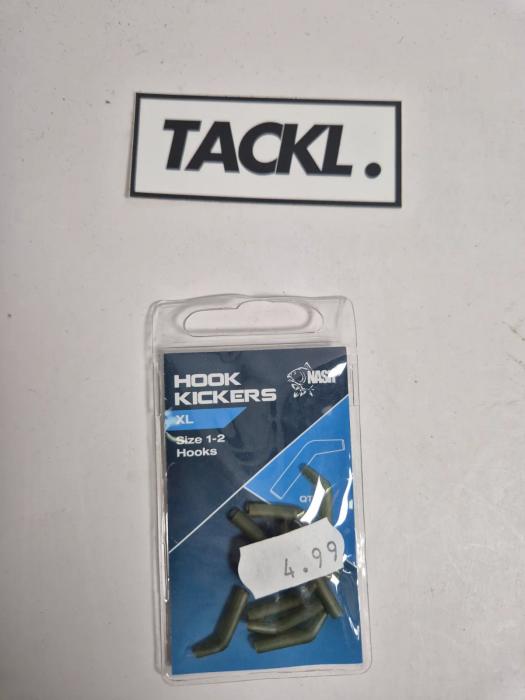
Nash hook kickers
£3.00
Black Bream guides
Black Bream fishing questions
What is the best bait for black bream?
Thin strips of squid and sections of ragworm are the top baits, fished on size 4–1 hooks. Squid stays on the hook well when bream peck at it, and ragworm gives movement and scent. Small soft lures and scented artificial worms on LRF or drop-shot rigs can also catch very well.
Can you eat black bream?
Yes, black bream are excellent eating, with firm white flesh that cooks well whole or as fillets. They can be slow to grow, so many anglers keep only the odd fish for the table and return the rest. Check the size and bag rules for your area below before keeping any.
When can I catch black bream from the shore?
Mainly from late spring through summer and into early autumn, depending on water temperature. They move inshore to spawn and feed in spring, then stay around reefs and rocks through summer. Dawn and dusk sessions on a flooding tide around rocky ground are usually the most productive.


