

European Bass Fishing UK
By Tackl · Updated 30 October 2026

Dicentrarchus labrax
A prized, silver-flanked predatory fish, the European Bass is a marine species famed for its fighting ability. It frequently ventures into estuaries and the lower tidal reaches of UK rivers during warmer months, presenting an exciting challenge for anglers who encounter it in these brackish environments.
Photo: Miguel Mendez from Malahide, Ireland, CC BY 2.0, via Wikimedia Commons
- Typical size
- 1-5lb, with fish over 8lb considered specimens.
- British record
- 19lb 12oz (Shore, 2000)
- From the shore
- Beaches, rocks, estuaries
- Found in
- estuary, river
- Peak season
- Summer and Autumn
How to identify a european bass
The bass is a streamlined predator with a silver body, olive-grey back, and white belly. It has two distinct dorsal fins; the first is composed of 8-10 sharp spines. The gill cover (operculum) also has sharp spines, requiring careful handling. Its large mouth extends back to below the eye, a key feature distinguishing it from mullet species, which have much smaller mouths. Mullet also have dorsal fins set closer together. The bass's powerful, muscular body and forked tail are built for hunting in strong currents and surf, making its profile unmistakable once seen. Its scales are relatively large and clearly defined.
Where it lives
While a marine species, bass are common visitors to UK estuaries and the tidal sections of rivers from spring to autumn. They are ambush predators that relate strongly to structure and current. Look for them around bridge supports, piers, groynes, rocky outcrops, and submerged weed beds where they can hide and attack prey. They thrive in turbulent water, such as surf zones, tidal rips, and estuary mouths where strong flows concentrate baitfish. While they can tolerate low salinity, their presence far upriver into pure freshwater is uncommon but has been recorded in some southern river systems during the summer.
What it eats and the best baits
An opportunistic predator, the bass has a varied diet primarily consisting of smaller fish such as sandeels, sprats, and gobies. It also feeds heavily on crustaceans, particularly prawns and shore crabs (peeler crabs are a key food source). Marine worms like ragworm and lugworm are also taken, especially by juvenile fish. In estuaries, they will ambush any available prey, their diet shifting based on what the tide brings in, making them a highly adaptable hunter in these dynamic environments.
- Peeler crab
- King ragworm
- Sandeel (live or frozen)
- Mackerel strip
- Squid
- Plugs / Hard lures
- Soft plastic shads
- Surface poppers
Best time of year
- Jan – quieter
- Feb – quieter
- Mar – quieter
- Apr – quieter
- May – good
- Jun – good
- Jul – good
- Aug – good
- Sep – good
- Oct – good
- Nov – quieter
- Dec – quieter
As a sea fish, bass are not subject to the freshwater coarse fish close season. However, specific bass fishing restrictions (e.g. catch and release periods) are set annually by the Marine Management Organisation (MMO) and these must be followed.
Typical best months for shore anglers in England and Wales. What's in season
How to catch european bass
For anglers targeting bass in estuaries, lure fishing is a primary method. A medium spinning rod of 9-10ft, casting 20-60g, paired with a 4000-size reel loaded with 20lb braid and a fluorocarbon leader is ideal. Casting diving plugs, surface lures, or soft plastics around structure and into tidal currents is highly effective. Bait fishing with a whole peeler crab, a large king ragworm bait, or a live sandeel on a running ledger rig is a classic approach, particularly in areas of strong flow. Fly fishing with saltwater patterns that imitate baitfish can also provide fantastic sport. Whichever method is chosen, success often depends on fishing during a moving tide, typically a few hours either side of high or low water when bass are most actively feeding.
Size and bag rules
Strict national recreational rules: bag limits and catch-and-release periods change yearly
| Area | Rule | Source |
|---|---|---|
| Bass rules for England (MMO guidance) | Minimum size 42cmUp to 3 bass per angler per day (outside the catch-and-release period)Catch and release only from 1 February to 31 MarchEngland. Applies from the shore and from boats. Bass nursery areas have extra catch-and-release rules: check the MMO guidance for your area. | Official page |
| Wales | Minimum size 42cmBag limits and catch-and-release periods in Wales are in the Welsh Government's bass guidance, updated each year. Check it before you keep a bass. | Official page |
Other areas (no confirmed number for this species yet): Northumberland IFCA, North Eastern IFCA, Eastern IFCA, Kent & Essex IFCA, Sussex IFCA, Southern IFCA, Devon & Severn IFCA, Cornwall IFCA, Isles of Scilly IFCA, North Western IFCA, Scotland, Northern Ireland.
Rules last checked 23 October 2026. Rules change, especially for bass: always check the official source before keeping a fish. All sea fishing rules
Best shore marks for european bass
Legal notes
If fishing for bass within an estuary or tidal river in England and Wales, you must hold a valid Environment Agency rod licence. Crucially, there are strict national regulations regarding bass, including a Minimum Conservation Reference Size (MCRS) and often a 'catch and release only' law. These rules can change annually, so you must check the current government (MMO) guidance for recreational sea angling before targeting bass.
Rules change. Check current Environment Agency, NRW or Scottish regulations and the venue's own rules before fishing. Not professional or legal advice.
Where to catch european bass in the UK
We don't have venues confirmed for european bass yet. Browse all venues.
Tackle for european bass
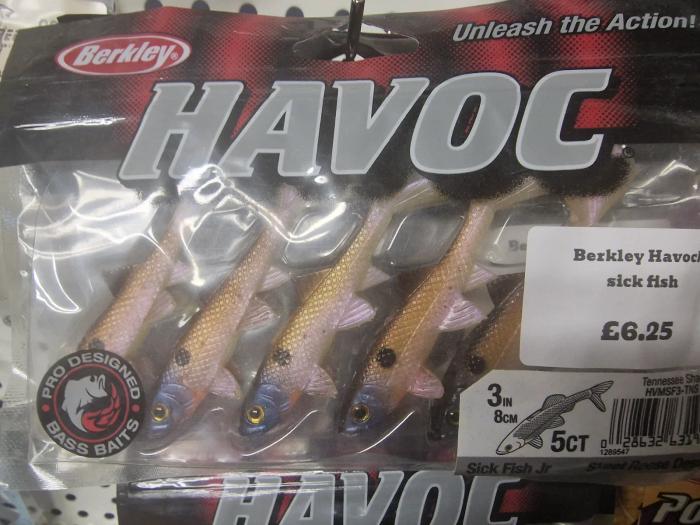
Berkley Havoc perch sick fish lure for bass/ Pike
£6.25
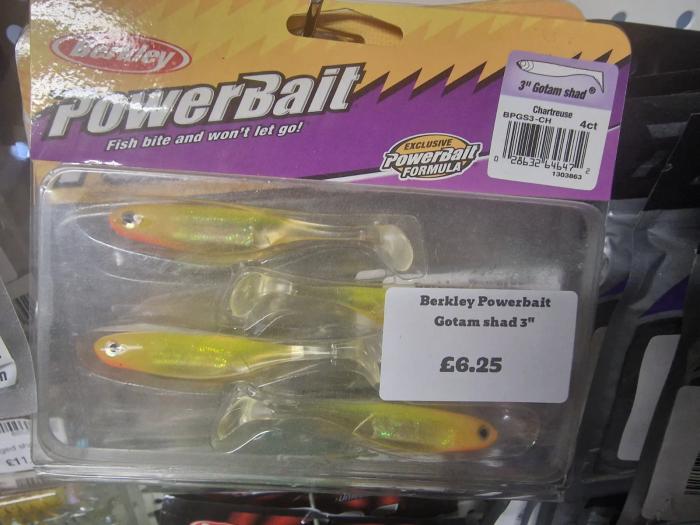
Berkley Soft Plastic / Shad Fishing Lure
£6.25
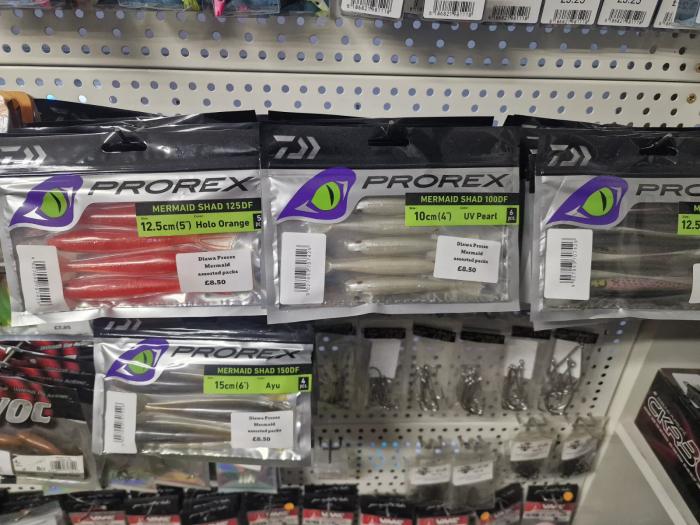
Daiwa Soft Plastic / Bass Fishing Lure Prorex mermaid
£8.50
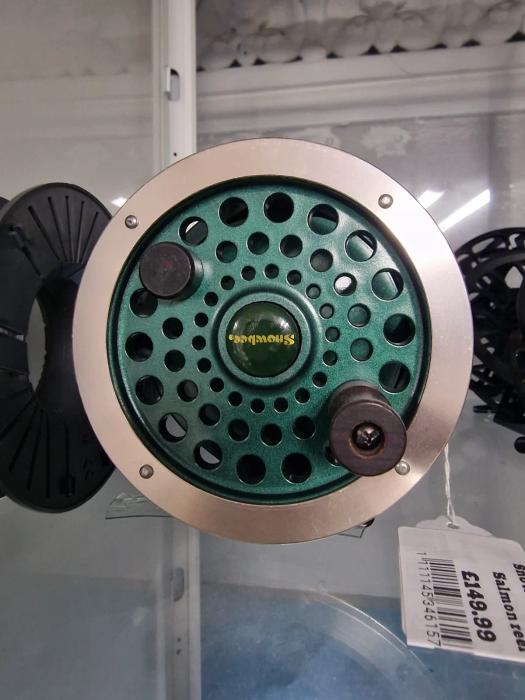
Snowbee Fly Fishing Reel
£149.99
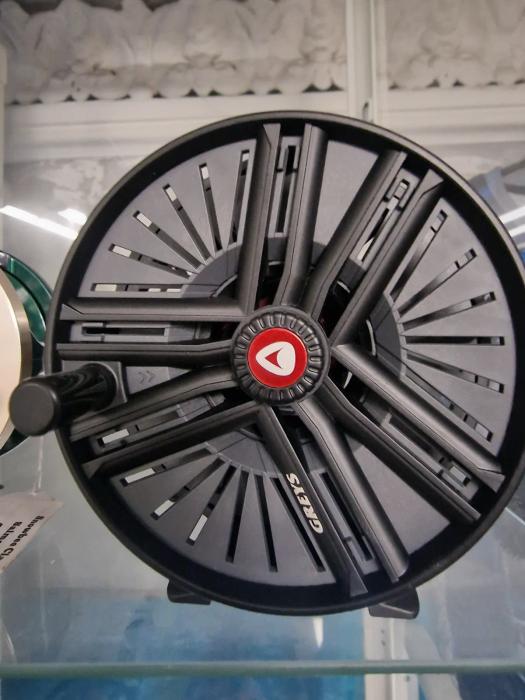
Fishing Reel Greys fin Cassette salmon
£59.99
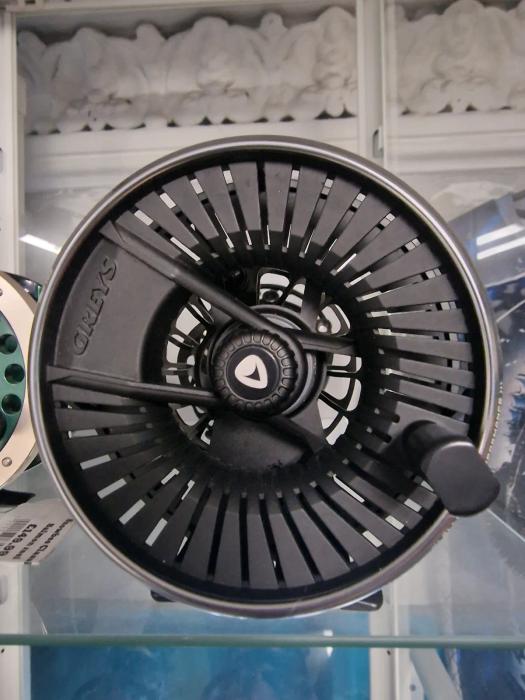
Greys Fly Reel Fishing Reel
£59.99
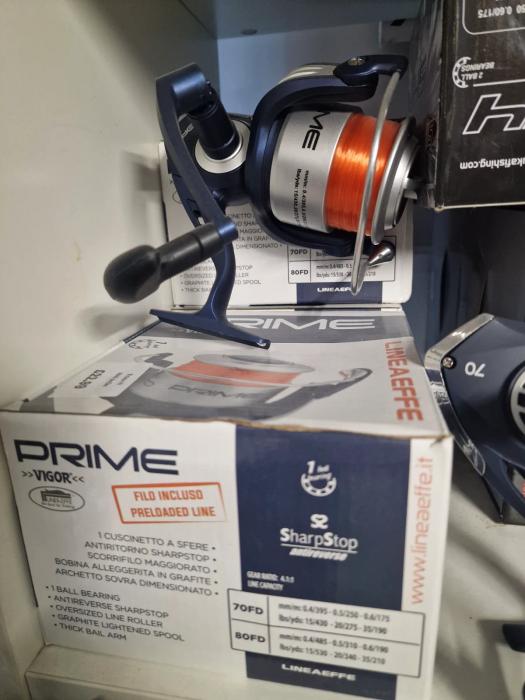
Lineaeffe Spinning 7000 Fishing Reel
£19.99
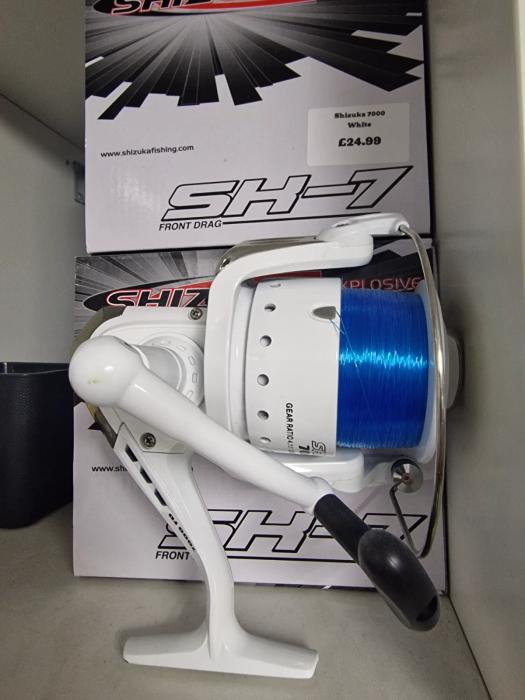
Shizuka Big Pit 7000 Fishing Reel
£23.99
European Bass guides
European Bass fishing questions
Do I need a rod licence for bass in an estuary?
Yes. In England and Wales, you must hold a valid Environment Agency rod licence when fishing in estuaries or the tidal stretches of rivers, regardless of the species you are targeting. The location dictates the licence requirement.
What is the minimum size for keeping a bass?
This is governed by a Minimum Conservation Reference Size (MCRS), which is subject to change. There are often also specific 'catch and release' periods. You must check the latest UK government guidance for recreational bass fishing before your session.
Can you distinguish a bass from a mullet?
Easily. A bass has a much larger mouth that extends back beneath its eye and two separate dorsal fins, the front one being very spiny. A mullet has a very small mouth and its two dorsal fins are set much closer together.
What's the best tide for bass fishing?
Most anglers favour periods of moving water, typically two to three hours either side of high or low tide. This 'push' or 'pull' of the tide concentrates baitfish and encourages bass to switch into a more aggressive feeding mode.
Are bass edible?
Bass are considered a prime eating fish. However, due to conservation concerns, there are strict legal limits on the number and size of fish you can retain. Always check the current regulations before keeping any bass.


