

Flounder Fishing UK
By Tackl · Updated 30 October 2026

Platichthys flesus
A fascinating flatfish, the flounder is unique for its willingness to leave the sea and travel far upriver into freshwater, offering a unique challenge for UK anglers. Typically right-eyed, it buries itself in sediment, ambushing prey with surprising speed. It is a prized, if sometimes elusive, catch in tidal rivers.
Photo: Hans Hillewaert, CC BY-SA 4.0, via Wikimedia Commons
- Typical size
- 8oz to 2lb; a fish over 3lb is a specimen.
- British record
- 5 lb 7 oz (1994, B. Sokell, River Teign)
- From the shore
- Estuaries, beaches
- Found in
- river, estuary, drain
- Peak season
- Autumn and winter
How to identify a flounder
The flounder is a right-eyed flatfish with a diamond-shaped body. Its most telling feature is its skin, which feels rough like sandpaper, particularly when stroked from tail to head. It possesses a line of distinct, hard, bony tubercles or 'stones' at the base of the dorsal and anal fins, and often along the lateral line. Colouration is variable for camouflage, ranging from sandy brown to dark olive, often with darker blotches and occasionally faint orange spots (though not as bright as a plaice). The underside is a uniform pearly-white. Unlike the dab, its lateral line is mostly straight, without a pronounced curve over the pectoral fin.
Where it lives
A marine species highly tolerant of freshwater, the flounder is most common in estuaries and the tidal reaches of UK rivers. It can penetrate many miles inland, well beyond the influence of salt, into traditional coarse fishing territory. Flounders are bottom-dwellers, preferring soft sediment like sand, mud, or fine gravel where they can bury themselves for camouflage. In riverine environments, they seek out areas of slacker flow, such as the inside of bends, deeper pools, behind structures like bridge supports or weir sills, and around creek mouths or outfalls. They lie in wait on the riverbed, often in surprisingly shallow water.
What it eats and the best baits
Primarily a predator of invertebrates and small fish. In estuaries and lower rivers, its diet consists of marine worms, shrimps, prawns, small crabs, and molluscs like cockles. As it moves further upstream into fresher water, it adapts its feeding to include freshwater insect larvae (caddis, chironomids), freshwater shrimps, and small coarse fish like minnows, sticklebacks, and gobies. They are opportunistic, using their camouflage to ambush prey from the river or estuary bed, actively hunting during a running tide.
- Ragworm
- Lugworm
- Peeler crab
- Prawns
- Mackerel strip
- Lobworm
- Shrimps
- Sandeel
Best time of year
- Jan – good
- Feb – good
- Mar – quieter
- Apr – quieter
- May – quieter
- Jun – quieter
- Jul – quieter
- Aug – quieter
- Sep – good
- Oct – good
- Nov – good
- Dec – good
When fishing on rivers in England and Wales, the coarse fish close season (15 March to 15 June inclusive) applies and must be observed. This statutory close season does not apply to most canals or stillwaters, though some private fisheries may have their own rules.
In season now. Typical best months for shore anglers in England and Wales. What's in season
How to catch flounder
The classic technique is simple ledgering. A running ledger rig is ideal, as it minimises resistance when a flounder picks up the bait. A 1oz to 3oz weight, either a flat 'coffin' lead or a bomb, is used to hold bottom in the flow. The hooklink should be between 18 inches and 3 feet long to allow the bait to move naturally. Hook sizes from 4 to 1/0 are suitable, depending on bait. Light beachcasters, Avon rods, or medium-heavy feeder rods of 11-12ft are perfect. Cast to a likely-looking slack or crease and await a bite. These can be surprisingly gentle, often just a series of taps or a slow, steady pull-round of the tip. A roving approach, spending 20 minutes in each spot, can be very effective for locating pockets of fish.
Size and bag rules
| Area | Rule | Source |
|---|---|---|
| Cornwall IFCA | Minimum size 25cmFrom byelaws Cornwall IFCA inherited; some rivers and estuaries aren't covered. Check the official page. | Official page |
| North Western IFCA | Minimum size 25cm | Official page |
Other areas (no confirmed number for this species yet): Northumberland IFCA, North Eastern IFCA, Eastern IFCA, Kent & Essex IFCA, Sussex IFCA, Southern IFCA, Devon & Severn IFCA, Isles of Scilly IFCA, Wales, Scotland, Northern Ireland.
Rules last checked 23 October 2026. Rules change, especially for bass: always check the official source before keeping a fish. All sea fishing rules
Best shore marks for flounder
Legal notes
A valid Environment Agency rod licence is a legal requirement to fish for any species in freshwater in England and Wales. In Scotland, there is no national rod licence, but permits are required for most fisheries. As a sea fish, regional minimum conservation reference sizes (MCRS) may apply, so check local Inshore Fisheries and Conservation Authority (IFCA) byelaws.
Rules change. Check current Environment Agency, NRW or Scottish regulations and the venue's own rules before fishing. Not professional or legal advice.
Where to catch flounder in the UK
We don't have venues confirmed for flounder yet. Browse all venues.
Tackle for flounder
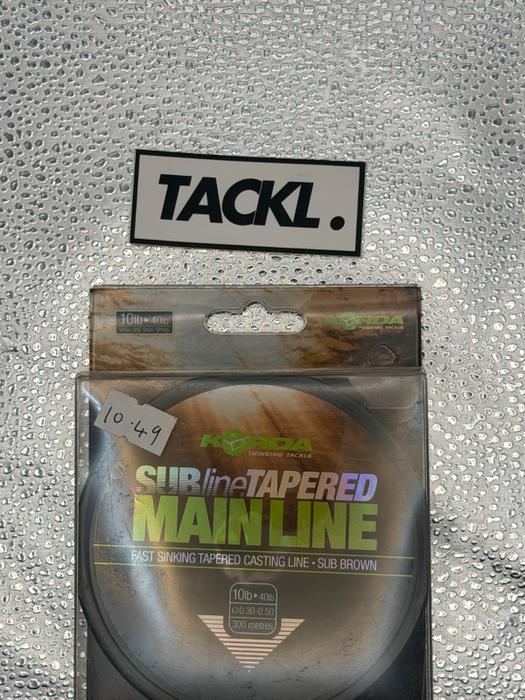
Korda Subline Tapered mainline
£8.00
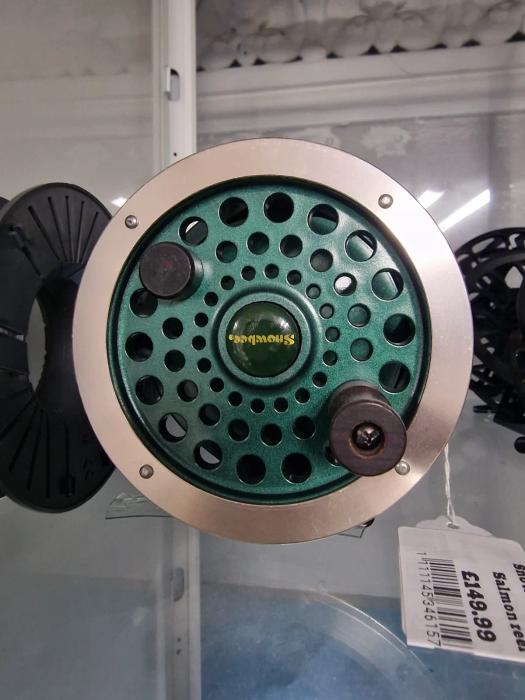
Snowbee Fly Fishing Reel
£149.99
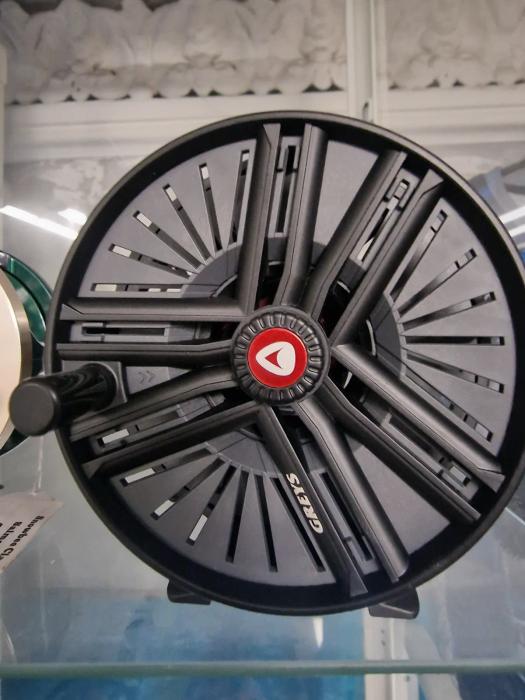
Fishing Reel Greys fin Cassette salmon
£59.99
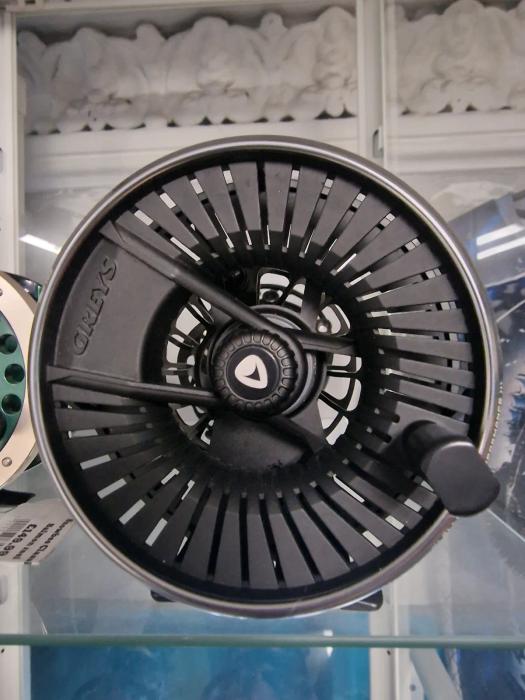
Greys Fly Reel Fishing Reel
£59.99
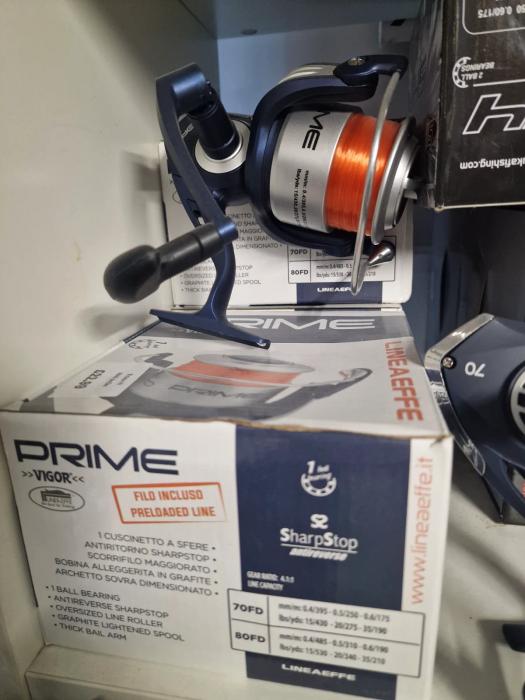
Lineaeffe Spinning 7000 Fishing Reel
£19.99
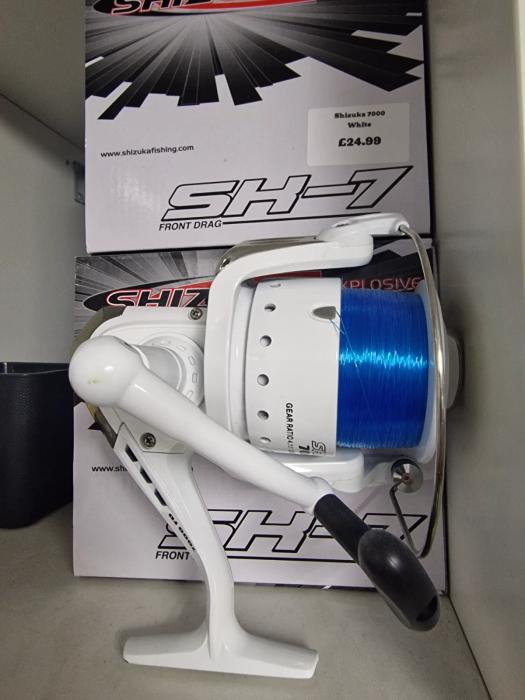
Shizuka Big Pit 7000 Fishing Reel
£23.99
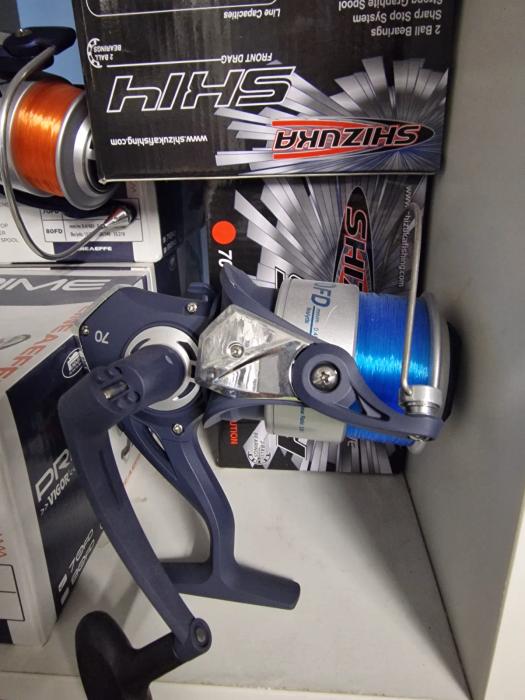
Shizuka Spinning 7000 Fishing Reel
£21.99
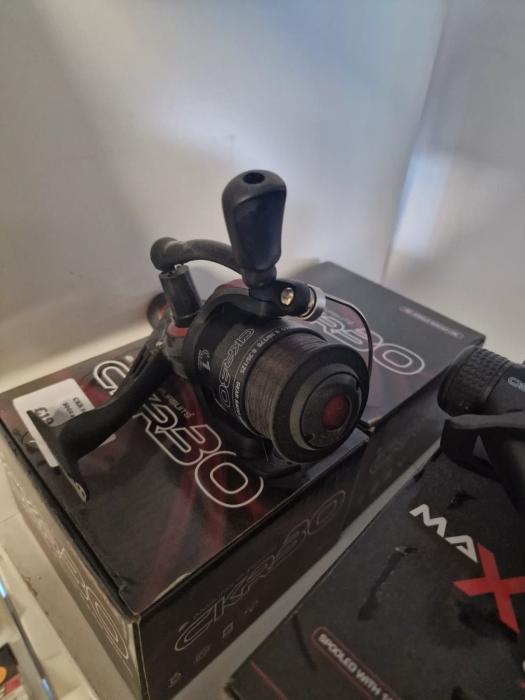
Angling Pursuits Rear Drag 3000 Fishing Reel
£19.99
Flounder guides
Flounder fishing questions
How far upriver can flounder travel?
Flounder can travel tens of miles inland, far from the sea into purely freshwater environments. They have been recorded in non-tidal sections of major UK rivers like the Thames, Severn, and Trent, often surprising anglers targeting traditional coarse fish.
Do I need a freshwater rod licence for flounder?
Yes. If you are fishing within the jurisdiction of the Environment Agency (i.e. in freshwater rivers or estuaries in England and Wales), you must have a freshwater rod licence, regardless of whether you are targeting a sea fish species like flounder.
What is the difference between a flounder and a plaice?
A flounder has rough skin with hard, bony knobs, particularly along the lateral line. A plaice has very smooth skin and distinctive, bright orange or red spots. Flounder are also much more tolerant of freshwater than plaice.
Are flounder good to eat?
Yes, flounder are an excellent eating fish with delicate white flesh. However, always be mindful of the water quality where you are fishing and check for any local advisories regarding the consumption of fish from that particular stretch of river.
When is the best time of day to catch river flounder?
In tidal stretches, the period around high or low water slack can be productive, as can a running tide which stirs up food. In non-tidal freshwater, feeding can occur at any time, but the low light periods of dawn and dusk are often favoured.


