

Thin-lipped Mullet Fishing UK
By Tackl · Updated 30 October 2026

Chelon ramada
A shy, shoaling species found in UK estuaries and tidal rivers. Renowned for being exceptionally difficult to catch, thin-lips are powerful fighters on light tackle. They are primarily surface and mid-water feeders, requiring a stealthy approach from the angler to tempt a bite on baits like bread or maggots.
Photo: riblje-oko.hr, CC BY-SA 3.0, via Wikimedia Commons
- Typical size
- 1-3lb; a fish over 4lb is a specimen.
- British record
- 8lb 8oz (3.855kg), P. T. Stote, River Thaw, 1991
- From the shore
- Estuaries
- Found in
- river, estuary, drain
- Peak season
- Summer and early autumn
How to identify a thin-lipped mullet
The key identifier is the very thin upper lip, which is smooth and lacks the fleshy, warty papillae found on the thick-lipped mullet. The lower lip is also thin and has a straight edge. Their torpedo-shaped body is silvery-grey, often with a blue or greenish tinge on the back, fading to a silver-white belly. Faint, dark longitudinal lines run along the flanks. Compared to the thick-lipped mullet, the thin-lip has a more slender, streamlined profile. A small, dark spot is often visible at the base of the pectoral fin. They are smaller on average than thick-lipped mullet and have a more pointed head shape.
Where it lives
Thin-lipped mullet are coastal fish that venture into brackish and fresh water. In the UK, they are most common along the southern and western coasts of England and Wales, and around Ireland. They thrive in estuaries, tidal rivers, harbours, and sheltered bays. During warmer months, shoals can be found surprisingly far upstream in freshwater river systems, often congregating around structures like bridges, weirs, and marinas that offer both cover and a rich food supply. They are less frequently encountered on the UK's north-eastern coast and are relatively scarce in Scotland. Their presence is a good indicator of a healthy connection between river and sea.
What it eats and the best baits
Thin-lipped mullet are primarily detritivores and herbivores. They use their uniquely shaped mouths to skim organic matter, algae, and tiny invertebrates from the water's surface, submerged structures, and the top layer of silt or mud. Their diet consists of diatoms, green algae, decaying plant matter, and the microscopic organisms living within this film. They will also occasionally take small crustaceans and worms, but their main feeding strategy involves filtering out fine particles, which is why groundbait is so crucial for success.
- bread flake
- bread paste
- maggots
- earthworm sections
- fish fragments
- algae paste
Best time of year
- Jan – quieter
- Feb – quieter
- Mar – quieter
- Apr – quieter
- May – good
- Jun – good
- Jul – good
- Aug – good
- Sep – good
- Oct – good
- Nov – quieter
- Dec – quieter
As thin-lipped mullet are found in rivers, they are subject to the coarse fish close season in England and Wales, which prohibits fishing for them from 15th March to 15th June inclusive. There is no equivalent statutory close season in Scotland.
Typical best months for shore anglers in England and Wales. What's in season
How to catch thin-lipped mullet
Stealth is the single most important factor. Anglers should dress in drab colours and keep movement and noise to an absolute minimum. The classic method is float fishing with bread flake or paste on a small, fine-wire hook (size 10-14). Use a clear bubble float or a loaded crystal waggler with light line (4-6lb) to avoid spooking the fish. Constant, patient feeding with mashed bread or fine groundbait is vital to attract a shoal and build their confidence. Fly fishing with small, imitative patterns like algae or shrimp flies on a long leader is also highly effective and increasingly popular. In faster flows, a light ledger rig with a small feeder filled with mashed bread can work well. Bites can be incredibly subtle, so concentration is key to connecting with these phantom-like fish.
Size and bag rules
| Area | Rule | Source |
|---|---|---|
| Cornwall IFCA | Minimum size 20cmListed as grey mullet. From byelaws Cornwall IFCA inherited; some rivers and estuaries aren't covered. Check the official page. | Official page |
Other areas (no confirmed number for this species yet): Northumberland IFCA, North Eastern IFCA, Eastern IFCA, Kent & Essex IFCA, Sussex IFCA, Southern IFCA, Devon & Severn IFCA, Isles of Scilly IFCA, North Western IFCA, Wales, Scotland, Northern Ireland.
Rules last checked 23 October 2026. Rules change, especially for bass: always check the official source before keeping a fish. All sea fishing rules
Legal notes
A valid Environment Agency rod licence is mandatory for all anglers aged 13 or over fishing for thin-lipped mullet in the freshwater rivers and estuaries of England and Wales. Anglers must also adhere to any specific local or regional byelaws. Although not a protected species, they often share habitats with salmon, sea trout and eels, so care must be taken to abide by rules governing these species.
Rules change. Check current Environment Agency, NRW or Scottish regulations and the venue's own rules before fishing. Not professional or legal advice.
Where to catch thin-lipped mullet in the UK
We don't have venues confirmed for thin-lipped mullet yet. Browse all venues.
Tackle for thin-lipped mullet
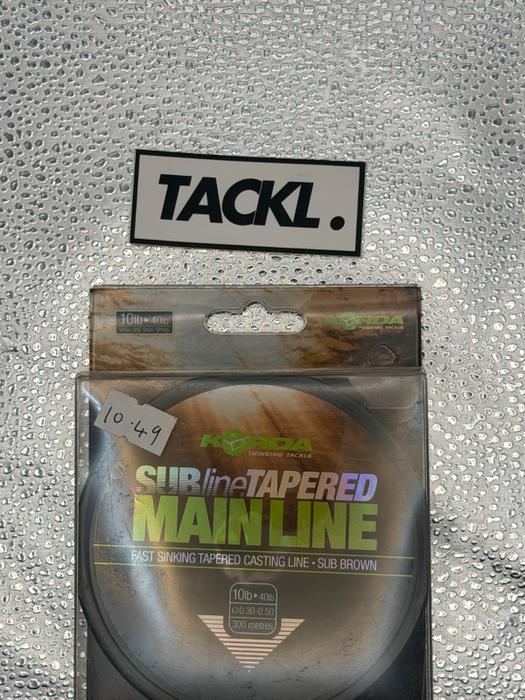
Korda Subline Tapered mainline
£8.00
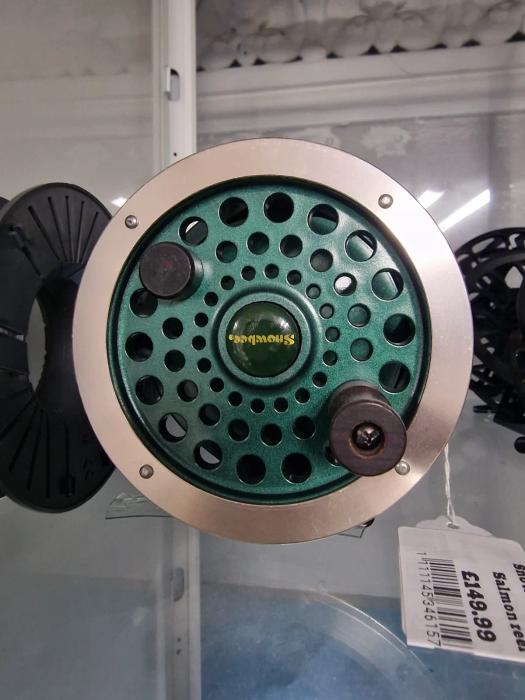
Snowbee Fly Fishing Reel
£149.99
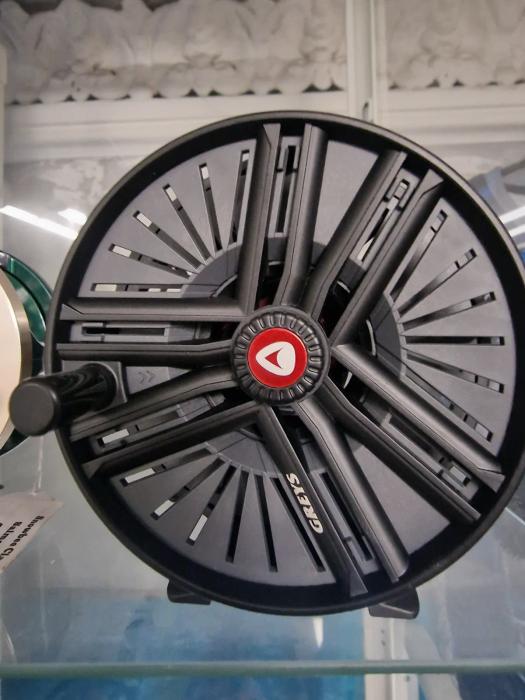
Fishing Reel Greys fin Cassette salmon
£59.99
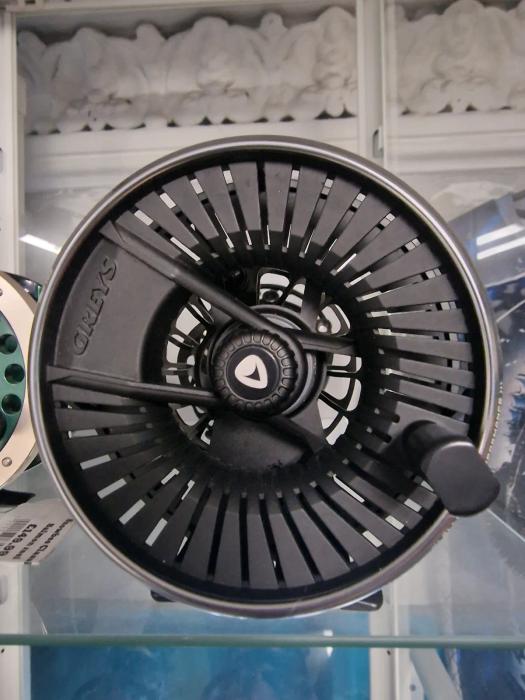
Greys Fly Reel Fishing Reel
£59.99
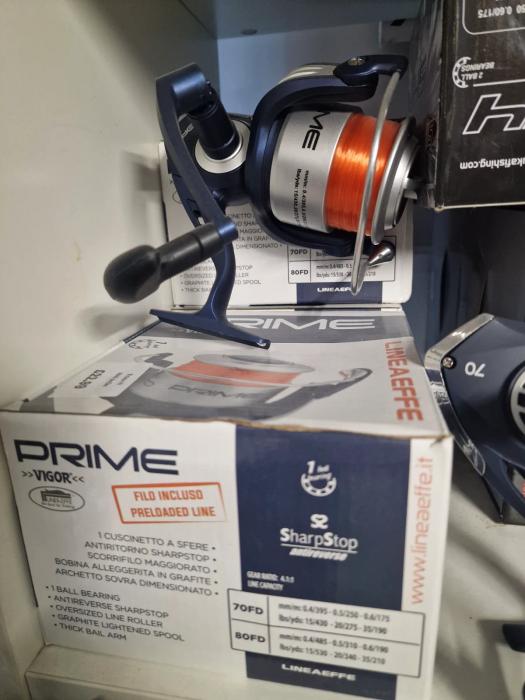
Lineaeffe Spinning 7000 Fishing Reel
£19.99
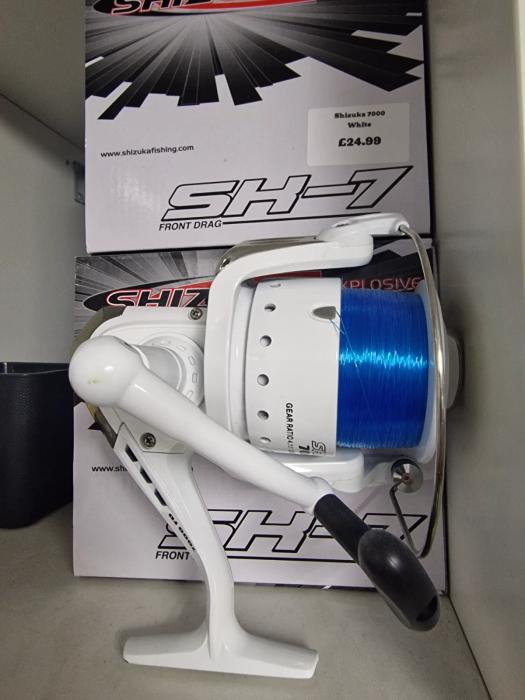
Shizuka Big Pit 7000 Fishing Reel
£23.99
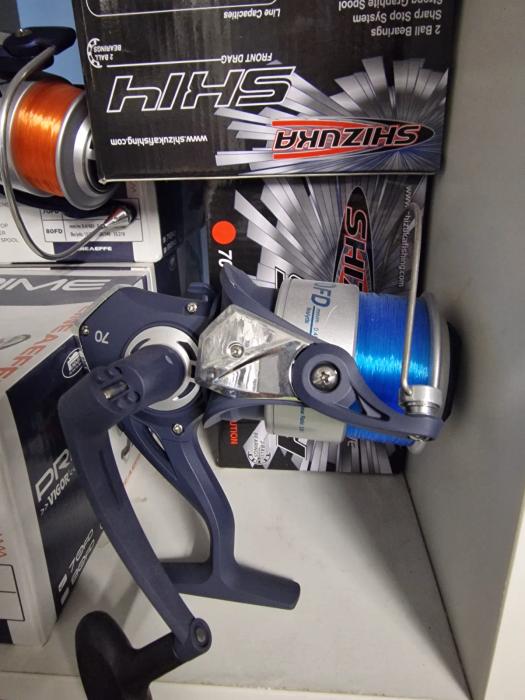
Shizuka Spinning 7000 Fishing Reel
£21.99
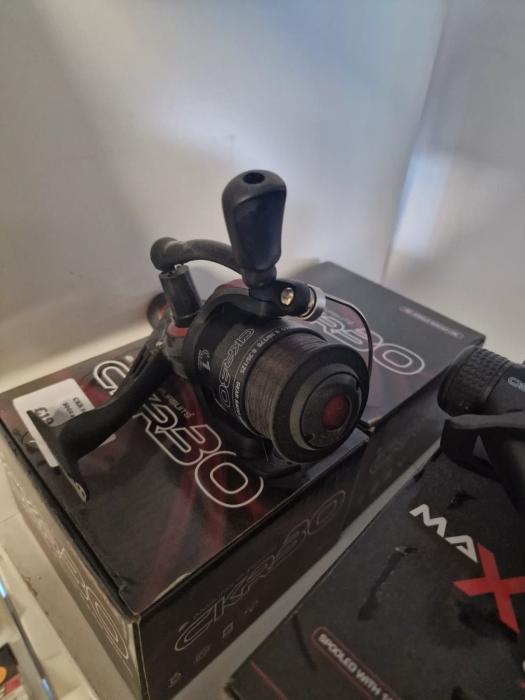
Angling Pursuits Rear Drag 3000 Fishing Reel
£19.99
Thin-lipped Mullet guides
Thin-lipped Mullet fishing questions
How do I tell a thin-lipped mullet from a thick-lipped mullet?
The definitive feature is the upper lip. On a thin-lip, it is narrow and smooth. On a thick-lip, it is swollen, fleshy, and covered in small bumps (papillae). Thin-lips are also generally more slender in profile.
Why are mullet notoriously hard to catch?
Mullet possess exceptional eyesight and hearing, making them extremely wary of bankside movement, noise, and clumsy tackle. They are also discerning feeders, often 'mouthing' baits cautiously before accepting them, leading to many missed bites for impatient anglers.
What's the best tide to fish for mullet in rivers?
Many experienced mullet anglers prefer the first few hours of a flooding tide. This pushes fresh food sources and feeding fish up into the estuary and lower river sections. Slack water at high tide can also be a productive time.
Can you eat thin-lipped mullet?
Yes, they are edible, with firm, white flesh. However, their diet means their flavour can be variable. Fish caught in clean, open water are generally considered superior to those from heavily silted harbours or marinas.
What rod and line is best for mullet fishing?
A light Avon or float rod around 11-13ft is ideal, providing the sensitivity for bite detection and softness to cushion their powerful runs. Pair this with 4lb-6lb monofilament line and a small fixed-spool reel with a reliable drag.


