

Gilthead Bream Fishing UK
By Tackl · Updated 30 October 2026

Sparus aurata
The gilthead bream is a deep-bodied, silver sea bream with a gold band between its eyes. Once rare in the UK, it is now a regular summer and autumn visitor to southern estuaries. Shore anglers prize it as a cautious, hard-fighting fish that is a real test of light tackle and patience.
Photo: Julien Renoult, CC BY 4.0, via Wikimedia Commons
- Typical size
- 1–4lb from the shore; a fish over 5lb is a specimen.
- From the shore
- Estuaries (south)
- Found in
- sea, estuary
- Peak season
- Summer and early autumn
How to identify a gilthead bream
Gilthead bream have a deep, oval, silver body with a steep forehead and a distinctive gold or yellowish band between the eyes. There is a dark blotch on the gill cover, often with a red tinge, and faint dark lines can run along the flanks. The single dorsal fin has a spiny front section. Black bream are greyer with darker vertical bars and no gold band. Red bream are pinkish with a dark spot at the start of the lateral line. Bass are slimmer with a separate spiny dorsal fin.
Where it lives
Gilthead bream live in warm, shallow coastal water and are mostly caught in the UK from estuaries and sheltered harbours on the south coast. They are commonest in south-west England and along the Channel, with numbers spreading further east and into Wales in recent years. They feed over mud, sand and mussel beds, often in surprisingly shallow water. Estuary channels, creek mouths and mussel-covered ground are classic marks.
What it eats and the best baits
Gilthead bream feed on shellfish such as mussels, cockles and clams, plus crabs, shrimps and worms. Their strong, flat teeth crush hard shells with ease. Peeler crab is one of the best baits because crabs are a natural food. Mussel matches the shellfish beds where they often feed, and lugworm or ragworm also catch fish.
- Peeler crab
- Mussel
- Lugworm
- Ragworm
- Cockle
- Razor clam
Best time of year
- Jan – quieter
- Feb – quieter
- Mar – quieter
- Apr – quieter
- May – quieter
- Jun – good
- Jul – good
- Aug – good
- Sep – good
- Oct – good
- Nov – quieter
- Dec – quieter
Typical best months for shore anglers in England and Wales. What's in season
How to catch gilthead bream
Use a light running leger or a simple one-hook flowing trace, with a strong size 1 to 2/0 hook and 2 to 3oz lead, or less in sheltered water. A light bass rod or carp-style rod is ideal, with 10 to 15lb line and a fluorocarbon trace. Baits should be neat, as gilthead are cautious; a whole peeler crab section or a few fresh mussels bound with elastic work well. Fishing is best on the flood tide in warm water from summer into autumn, often in daylight, though dawn and dusk can be good. Bites are tentative rattles and taps as the fish crush the bait, so let the bite develop into a pull before winding into it. Strong hooks matter, as the teeth can crush weak ones.
Size and bag rules
We haven't confirmed a gilthead bream size or bag limit from an official source yet. Check: Northumberland IFCA, North Eastern IFCA, Eastern IFCA, Kent & Essex IFCA, Sussex IFCA, Southern IFCA, Devon & Severn IFCA, Cornwall IFCA, Isles of Scilly IFCA, North Western IFCA, Wales, Scotland, Northern Ireland.
Rules change, especially for bass: always check the official source before keeping a fish. All sea fishing rules
Handling and release
Handle gilthead bream with wet hands and watch the sharp dorsal spines. Support the body and avoid holding the fish by the jaw. Unhook quickly with forceps and return it in shallow water, holding it upright until it swims away. They are slow to reach maturity, so careful release is encouraged.
Where to catch gilthead bream in the UK
We don't have venues confirmed for gilthead bream yet. Browse all venues.
Tackle for gilthead bream
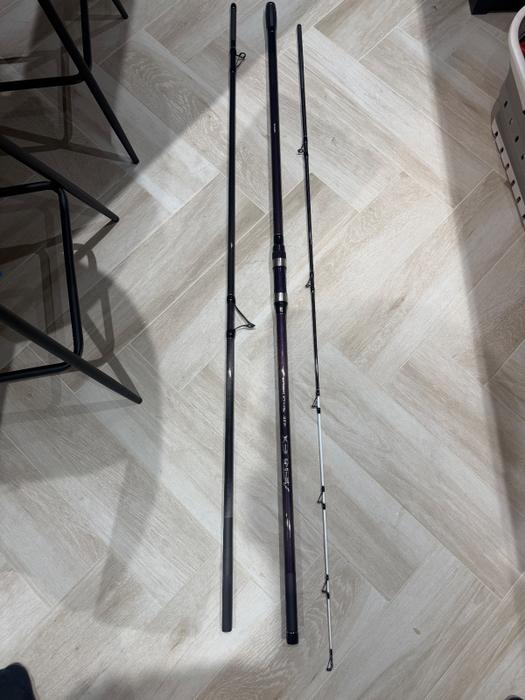
Shimano Aerlex 425cx Tublar 3 Piece Beach / Surf Rod Fishing Rod
£99.00
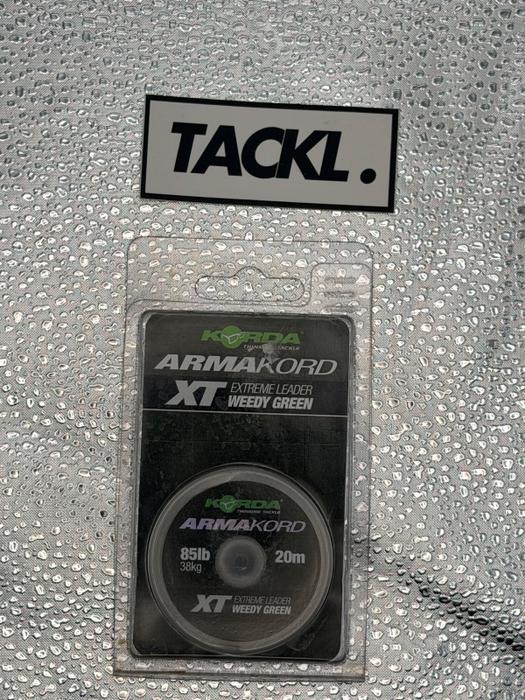
Korda Armakord extreme leader weedy green
£10.00
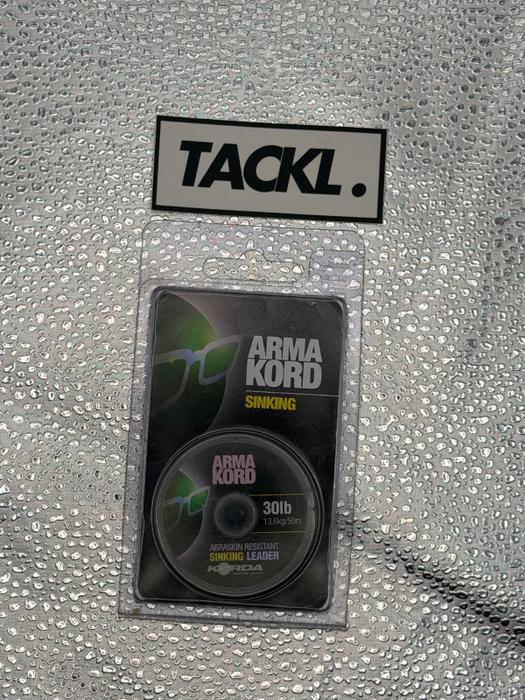
Korda Armamord sinking leader
£15.00
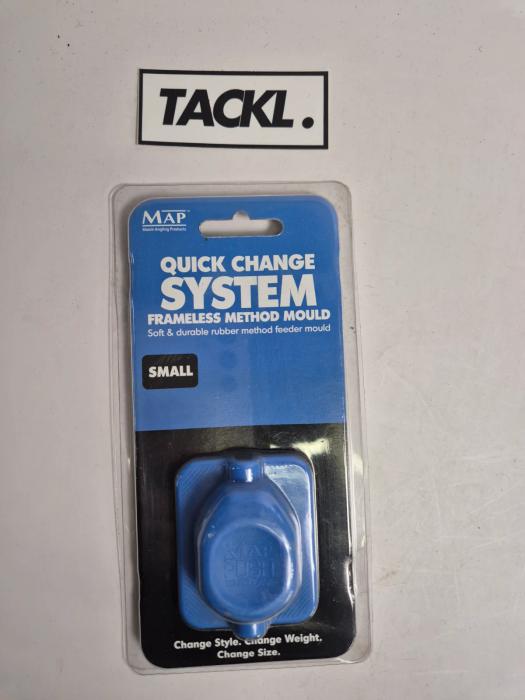
MAP quick change system frameless method mould small
£2.00
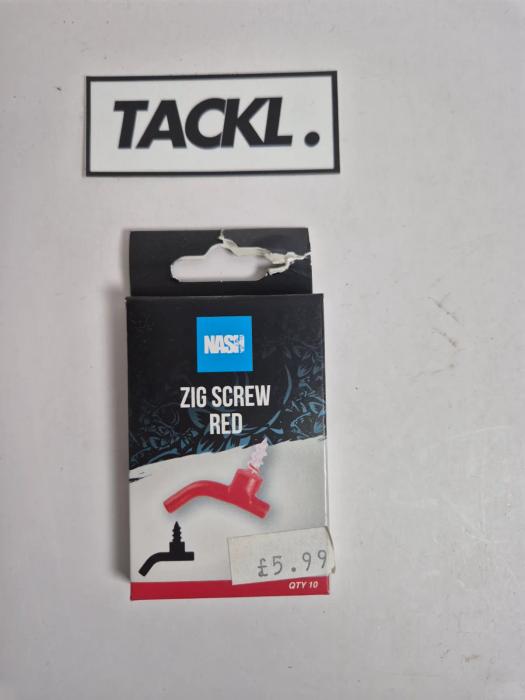
Nash zig screw red
£4.00
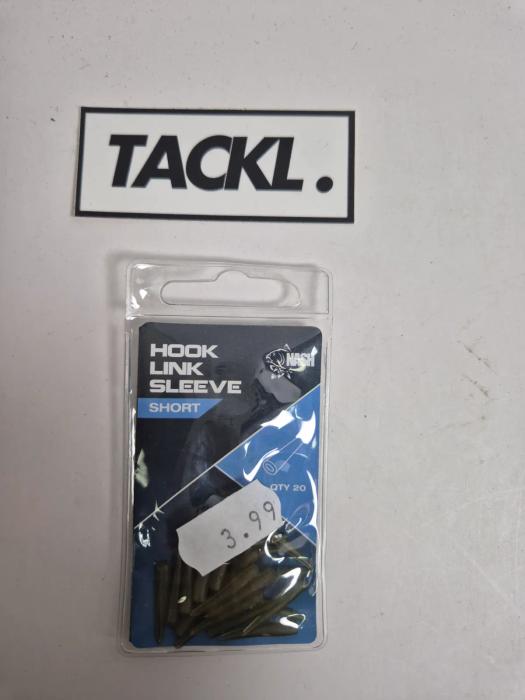
Nash hook link sleeve short
£2.50
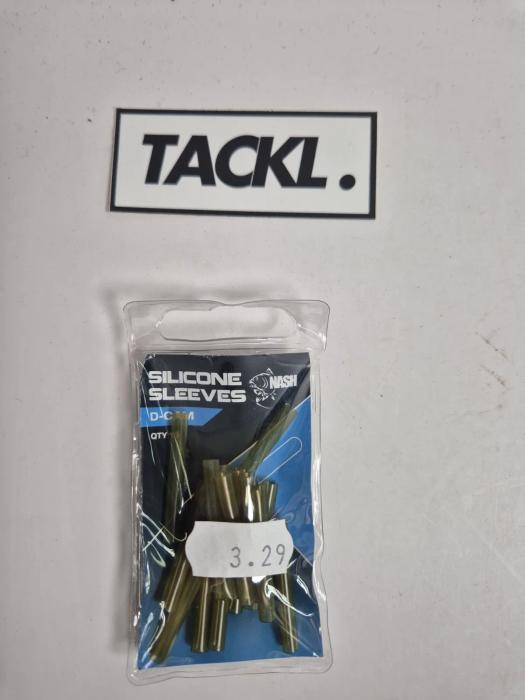
Nash silicone sleeve d_cam
£2.00
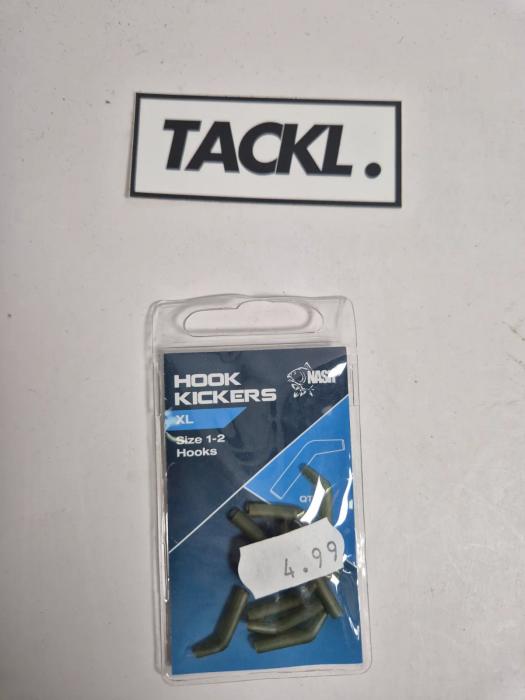
Nash hook kickers
£3.00
Gilthead Bream guides
Gilthead Bream fishing questions
Where can I catch gilthead bream in the UK?
Gilthead bream are mostly caught in estuaries and sheltered harbours on the south coast, particularly in south-west England and along the Channel. Look for shallow channels, creek mouths and mussel beds on a flooding tide. They are now being found in more places, including parts of Wales.
What is the best bait for gilthead bream?
Peeler crab is the top bait, with fresh mussel and worm close behind. Keep baits neat and fish them on light tackle with a fluorocarbon trace, as gilthead are wary. A strong hook is important, because their crushing teeth can damage or straighten weaker patterns.
How do I tell a gilthead from a black bream?
Gilthead bream are silver with a gold band between the eyes and a dark mark on the gill cover. Black bream are greyer with darker vertical bars and no gold band. Black bream also tend to be smaller and are more often found over rocky reef than in estuaries.


