

Garfish Fishing UK
By Tackl · Updated 30 October 2026

Belone belone
Garfish are long, slender fish with a beak full of fine teeth, often arriving inshore with the mackerel in spring. They are famous for leaping and tail-walking when hooked, which makes them brilliant fun on light tackle. Float fishing from piers and rocks in summer is the classic way to catch them.
Photo: Sarah Faulwetter, CC BY 4.0, via Wikimedia Commons
- Typical size
- 8oz–1lb from the shore; a fish over 2lb is a specimen.
- From the shore
- Piers, rocks
- Found in
- sea
- Peak season
- Late spring and summer
How to identify a garfish
Unmistakable once seen: a long, eel-like but rigid body with long, beak-like jaws lined with small, sharp teeth. The back is green-blue, the flanks and belly bright silver, and the single dorsal fin and anal fin are set far back near the forked tail. The bones are green, which surprises many anglers when they cook one, but they are perfectly safe. The skipper, or saury, looks similar but is rarer, has shorter jaws, and has a row of small finlets behind its dorsal and anal fins, which the garfish lacks. Young garfish can look like sandeels at a glance, but the beak gives them away.
Where it lives
Garfish are found around much of the UK coast in summer, swimming near the surface in clear water. They are caught from piers, harbour walls, breakwaters and rock marks, often alongside mackerel, and they love areas with tide flow and clear water. They tend to be most common along the south coast, in south-west England, Wales and the west of Ireland, but they also show along other coasts, including parts of the North Sea coast, in warmer months.
What it eats and the best baits
Garfish feed near the surface on small fish such as sandeels, whitebait and young herring, and on shrimps and other small crustaceans. A thin strip of mackerel, cut to flutter like a small fish, works well under a float because it sits right in the feeding zone. Small spinners, metals and slim surface lures copy fleeing baitfish and trigger their predatory instinct.
- Mackerel strip
- Sandeel
- Small spinners
- Metal lures
- Fish strip
- Ragworm
Best time of year
- Jan – quieter
- Feb – quieter
- Mar – quieter
- Apr – quieter
- May – good
- Jun – good
- Jul – good
- Aug – good
- Sep – good
- Oct – quieter
- Nov – quieter
- Dec – quieter
Typical best months for shore anglers in England and Wales. What's in season
How to catch garfish
Float fishing is the best way to catch garfish. Use a light spinning or float rod of 9–12ft, 6–10lb main line, and a small sliding or fixed float set two to six feet deep. A size 6–2 fine-wire hook baited with a long, thin strip of mackerel belly works well, as does a small sliver of sandeel. Garfish also take small spinners, metals and slim lures retrieved quickly near the surface. Calm, clear and sunny days are usually best, with flooding tides and the top of the tide producing more fish. Bites are often a float that slides away or skates across the surface. Give a moment before striking, as garfish often grab the bait by the beak first. Once hooked they leap, tail-walk and dart, so keep a steady pressure and a slightly soft drag.
Size and bag rules
We haven't confirmed a garfish size or bag limit from an official source yet. Check: Northumberland IFCA, North Eastern IFCA, Eastern IFCA, Kent & Essex IFCA, Sussex IFCA, Southern IFCA, Devon & Severn IFCA, Cornwall IFCA, Isles of Scilly IFCA, North Western IFCA, Wales, Scotland, Northern Ireland.
Rules change, especially for bass: always check the official source before keeping a fish. All sea fishing rules
Handling and release
Garfish have bony beaks and small, sharp teeth, so hold them gently but firmly around the body with wet hands and keep fingers clear of the jaws. Use forceps to unhook, as hooks often lodge in the beak. Support the fish rather than gripping the beak or hanging it by the jaw, and return it quickly while it is still lively.
Where to catch garfish in the UK
We don't have venues confirmed for garfish yet. Browse all venues.
Tackle for garfish
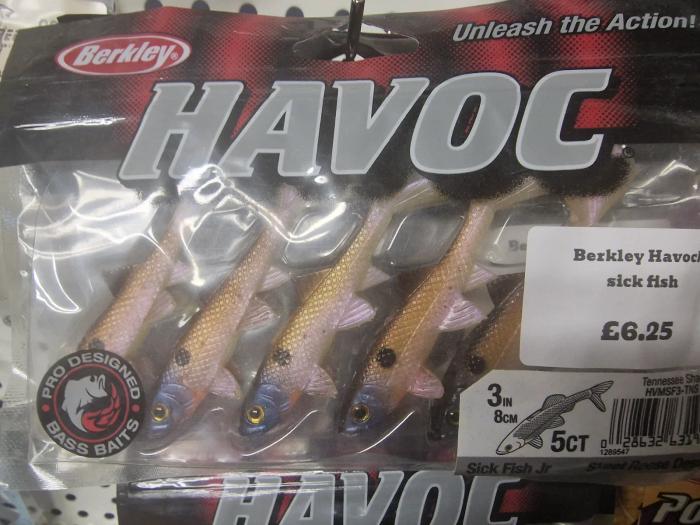
Berkley Havoc perch sick fish lure for bass/ Pike
£6.25
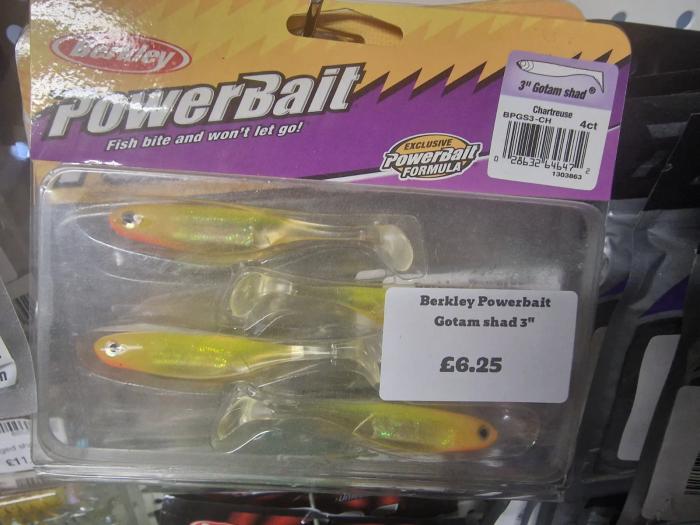
Berkley Soft Plastic / Shad Fishing Lure
£6.25
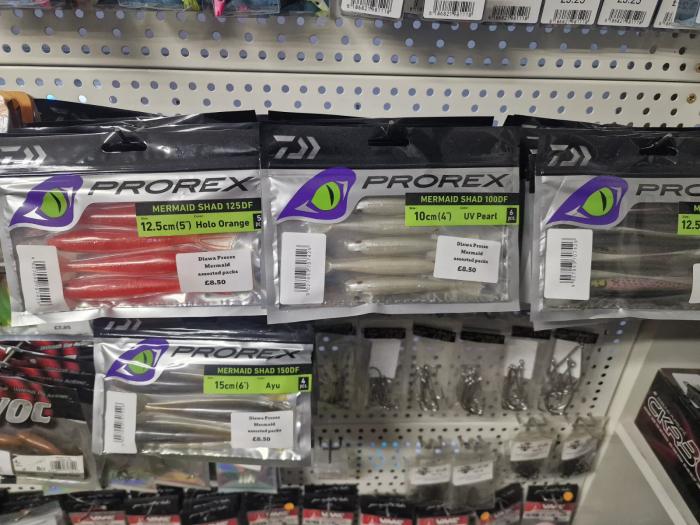
Daiwa Soft Plastic / Bass Fishing Lure Prorex mermaid
£8.50
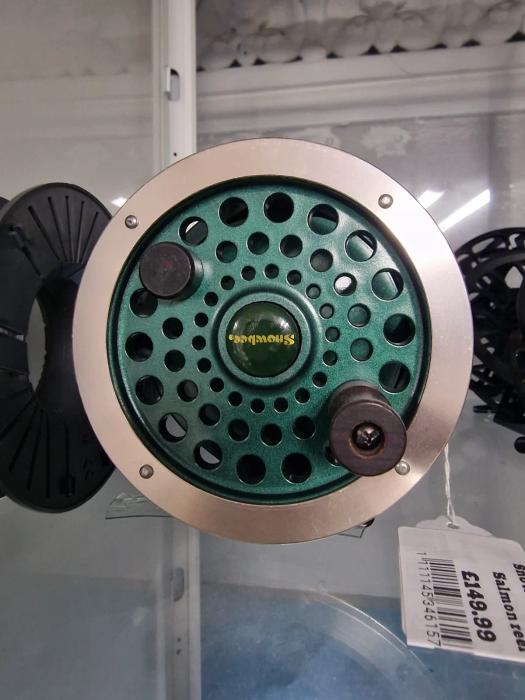
Snowbee Fly Fishing Reel
£149.99
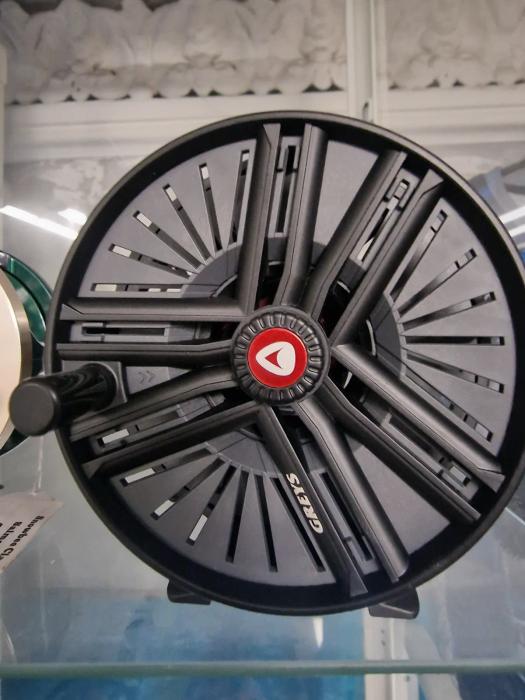
Fishing Reel Greys fin Cassette salmon
£59.99
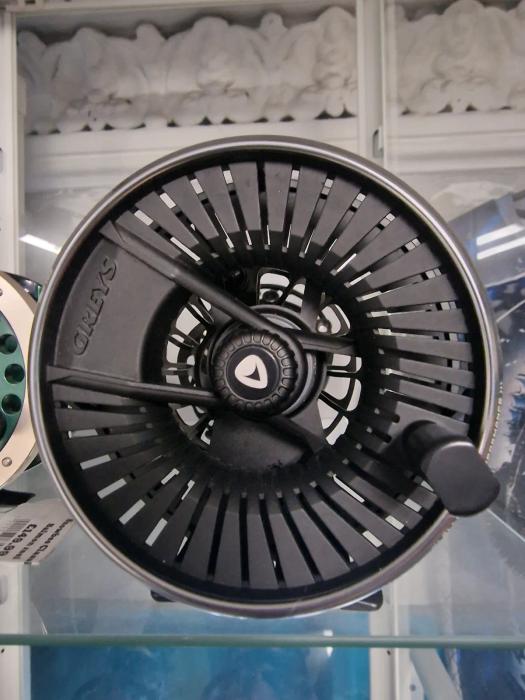
Greys Fly Reel Fishing Reel
£59.99
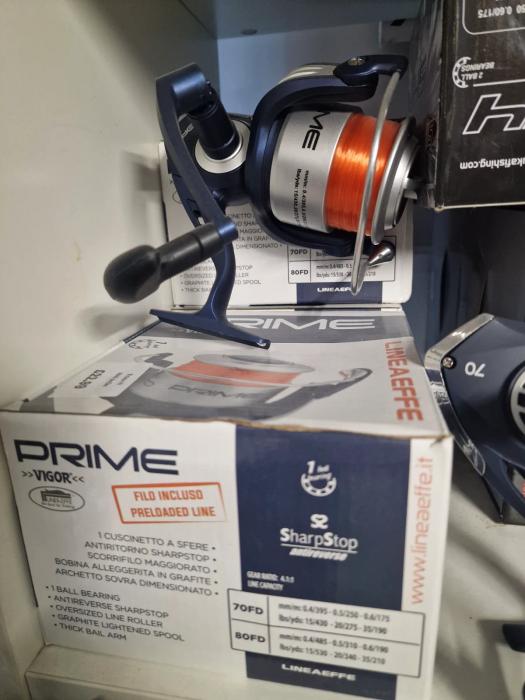
Lineaeffe Spinning 7000 Fishing Reel
£19.99
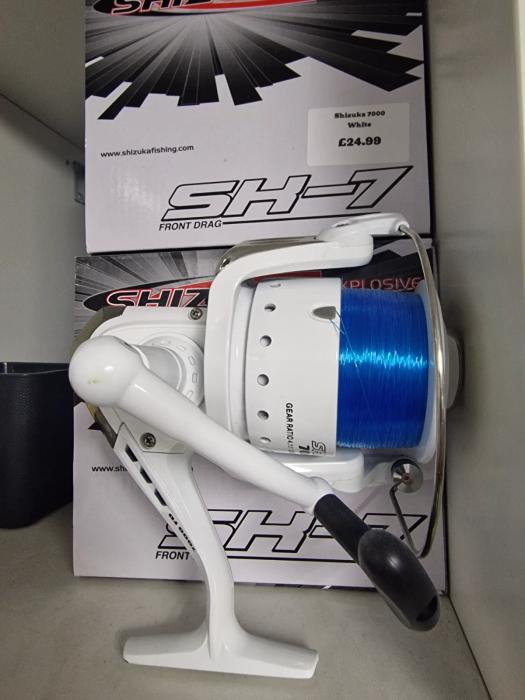
Shizuka Big Pit 7000 Fishing Reel
£23.99
Garfish guides
Garfish fishing questions
Are garfish safe to eat with their green bones?
Yes. The green colour comes from a natural pigment and is completely harmless. Garfish have firm, tasty flesh and are good grilled or fried. They are slender and fairly bony, so many anglers prefer to return them. If you keep one, check the size and bag rules for your area below.
What is the best way to catch garfish?
Float fishing a thin strip of mackerel two to six feet deep from a pier or rock mark is the classic method. Light tackle makes the fight much more fun. Small spinners and metals work too. Clear, calm summer days with a rising tide are usually ideal for garfish.
Why do I keep missing garfish bites?
Garfish often grab the bait in the tip of their beak, swim off with it and then turn it. Striking too early pulls the bait free. Wait a couple of seconds after the float goes, use a fine-wire hook and a long, thin bait, and make sure the hook point is exposed.


