

Mackerel Fishing UK
By Tackl · Updated 30 October 2026

Scomber scombrus
Mackerel are fast, hard-fighting shoal fish that arrive inshore in late spring and stay through summer into autumn. For many UK shore anglers they are the first sea fish ever caught. They are easy to find from piers, harbours and rocks, great fun on light tackle, and the best fresh bait you can get for bigger species.
Photo: Hans Hillewaert, CC BY-SA 4.0, via Wikimedia Commons
- Typical size
- 8oz–1lb from the shore; a fish over 2lb is a specimen.
- From the shore
- Piers, harbours, rocks
- Found in
- sea
- Peak season
- Late spring to early autumn
How to identify a mackerel
A streamlined, torpedo-shaped fish with a blue-green back marked by dark, wavy tiger stripes and a bright silver-white belly. It has two well-separated dorsal fins, a row of small finlets running to a deeply forked tail, and smooth skin with tiny scales. Scad, often called horse mackerel, are caught in the same places but have a line of hard, bony plates along the lateral line and no tiger stripes. Chub mackerel, turning up more often in the south, have larger eyes and wavy dark spots or blotches on the lower flanks and belly, where Atlantic mackerel are plain.
Where it lives
Mackerel are found all around the UK coast in summer, moving inshore as the water warms and following shoals of whitebait, sandeel and sprat. They are caught from piers, harbour walls, breakwaters and deep-water rock marks, and from steep shingle beaches where deep water runs close in. Marks with tidal flow and clear water usually fish best. They tend to show earliest and stay longest in south-west England and the south coast, with shorter seasons further north and on the North Sea coast.
What it eats and the best baits
Mackerel feed on small fish such as sandeels, whitebait, sprats and young herring, plus shrimps and other plankton. Feathers and sabiki rigs imitate a small shoal of baitfish, and flashing spinners and metal lures copy a fleeing sandeel. A thin strip of mackerel belly fished under a float looks and smells like an injured baitfish, which is hard for a feeding mackerel to ignore.
- Feathers
- Sabiki rigs
- Spinners
- Metal lures
- Mackerel strip
- Sandeel
Best time of year
- Jan – quieter
- Feb – quieter
- Mar – quieter
- Apr – quieter
- May – good
- Jun – good
- Jul – good
- Aug – good
- Sep – good
- Oct – good
- Nov – quieter
- Dec – quieter
Typical best months for shore anglers in England and Wales. What's in season
How to catch mackerel
The classic method is a string of three to six feathers or a sabiki rig with a 2–4oz lead, cast out and retrieved in steady sweeps, working through the water from the bottom up until you find the shoal. A spinning rod of 9–11ft rated to 40–60g is ideal for casting metals of 20–40g, and makes the fight far more enjoyable than a beachcaster. Float fishing a mackerel strip on a size 4–1 hook, set two to ten feet deep, is a lovely way to catch them and also picks up garfish. Dawn and dusk are usually best, and a flooding tide around high water often brings shoals within range. Bites are unmistakable: the rod tip jags hard and you will often feel several fish hit the feathers at once. Mackerel run deep and fast when hooked, so keep a steady pressure on.
Size and bag rules
| Area | Rule | Source |
|---|---|---|
| Eastern IFCA | Minimum size 30cm in the North Sea, 20cm elsewhere | Official page |
| Kent & Essex IFCA | Minimum size 30cm north of 51°N (North Sea), 20cm south of 51°N (eastern Channel) | Official page |
| North Eastern IFCA | Minimum size 30cm | Official page |
| North Western IFCA | Minimum size 20cm | Official page |
Other areas (no confirmed number for this species yet): Northumberland IFCA, Sussex IFCA, Southern IFCA, Devon & Severn IFCA, Cornwall IFCA, Isles of Scilly IFCA, Wales, Scotland, Northern Ireland.
Rules last checked 23 October 2026. Rules change, especially for bass: always check the official source before keeping a fish. All sea fishing rules
Handling and release
Mackerel are delicate and do not survive long out of the water, so decide quickly whether you are keeping a fish. If you are returning it, use wet hands, unhook it with forceps while it stays on the rig or over the water, and put it back straight away. Take only what you need for the table or bait, and dispatch kept fish quickly and humanely.
Best shore marks for mackerel
- Amble, Northumberland
- Ardrossan, North Ayrshire
- Brighton Marina, East Sussex
- Brixham Breakwater, Devon
- Chesil Beach, Abbotsbury, Dorset
- Chesil Beach, West Bexington, Dorset
- Dover Admiralty Pier, Kent
- Falmouth, Cornwall
- Folkestone Harbour Arm, Kent
- Llandudno Pier, Conwy
- Looe Banjo Pier, Cornwall
- Lyme Regis Cobb, Dorset
Where to catch mackerel in the UK
We don't have venues confirmed for mackerel yet. Browse all venues.
Tackle for mackerel
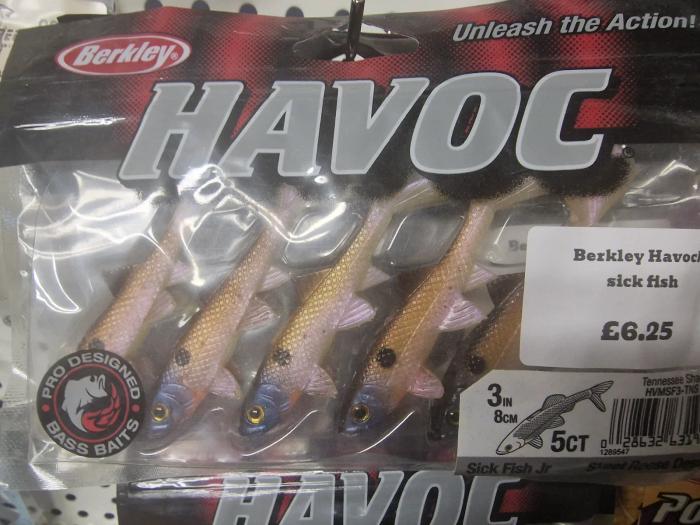
Berkley Havoc perch sick fish lure for bass/ Pike
£6.25
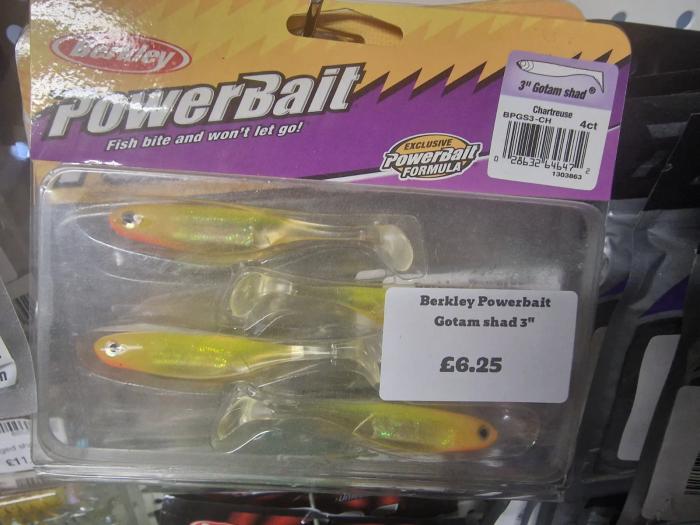
Berkley Soft Plastic / Shad Fishing Lure
£6.25
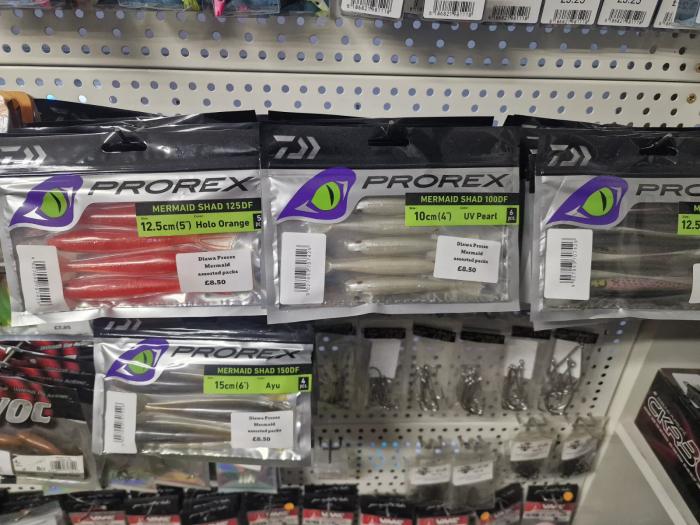
Daiwa Soft Plastic / Bass Fishing Lure Prorex mermaid
£8.50
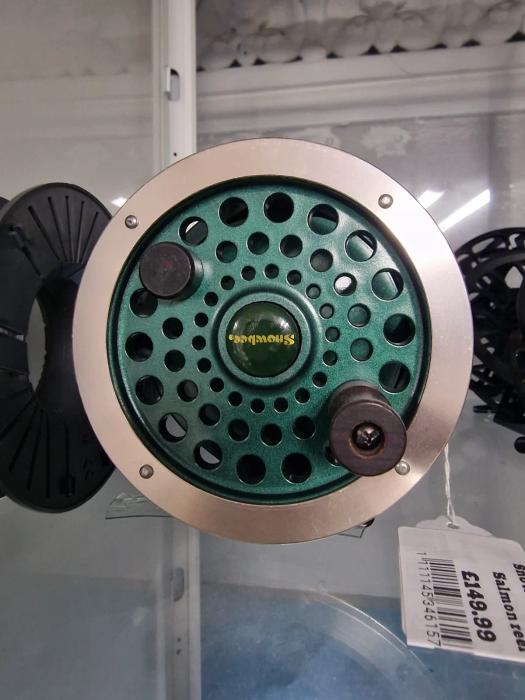
Snowbee Fly Fishing Reel
£149.99
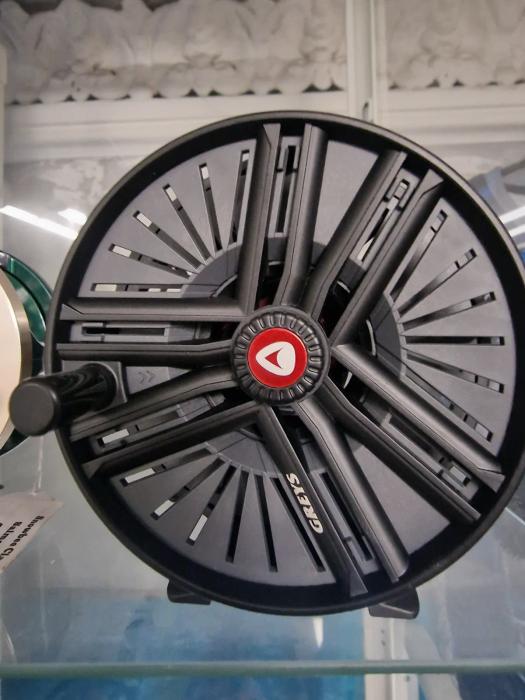
Fishing Reel Greys fin Cassette salmon
£59.99
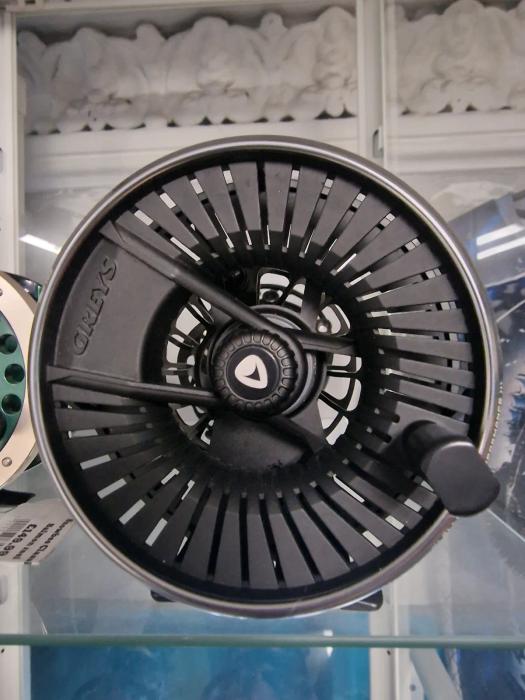
Greys Fly Reel Fishing Reel
£59.99
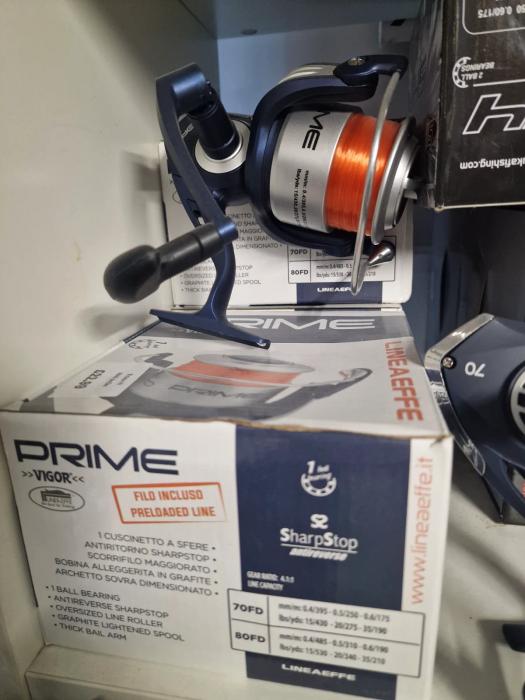
Lineaeffe Spinning 7000 Fishing Reel
£19.99
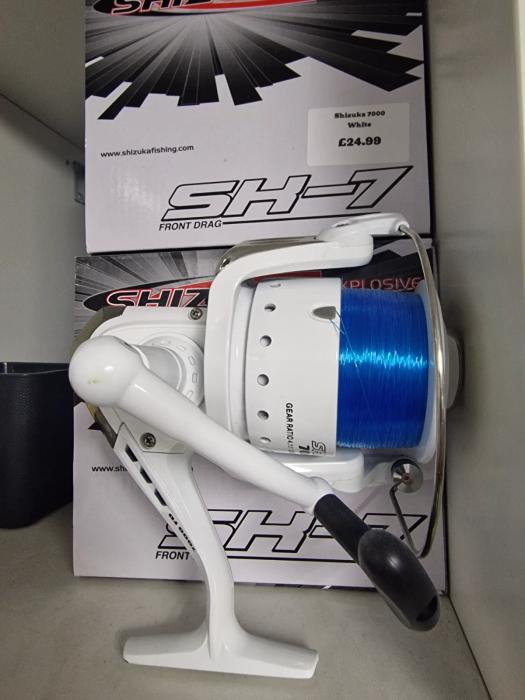
Shizuka Big Pit 7000 Fishing Reel
£23.99
Mackerel guides
Mackerel fishing questions
When and where can I catch mackerel from the shore?
From around May to October, with the peak usually in mid to late summer. Fish from piers, harbour walls, breakwaters and rocks with deep water close in. Early morning and evening, especially on a rising tide, tend to be best. Watch for diving gulls and fizzing baitfish, as they often show where the shoals are.
Can you eat mackerel?
Yes, mackerel are excellent eating and full of healthy oils. They spoil quickly, though, so dispatch and gut them promptly, keep them cool in a bag or cool box, and eat them the same day or freeze them. Only keep what you will actually eat or use for bait, and check the size and bag rules for your area below.
How do I tell a mackerel from a scad?
Mackerel have dark wavy stripes on a blue-green back, smooth skin and small finlets near the tail. Scad, or horse mackerel, look plainer and greyer and have a row of hard, bony scales along the lateral line that you can feel when you run a finger towards the tail. Scad also have noticeably larger eyes.


