

Coalfish Fishing UK
By Tackl · Updated 30 October 2026

Pollachius virens
Coalfish, also known as saithe or coley, are a powerful member of the cod family that shoal around rocks, piers and harbours, especially in northern waters. Smaller fish arrive inshore in good numbers from autumn into winter, giving shore anglers lively sport on lures and fish strip when many summer species have gone.
Photo: Tino Strauss, CC BY-SA 3.0, via Wikimedia Commons
- Typical size
- 1–3lb from the shore; a fish over 5lb is a specimen.
- From the shore
- Rocks, piers (north)
- Found in
- sea
- Peak season
- Autumn and winter
How to identify a coalfish
A streamlined, cod-shaped fish with a dark green to almost black back, silvery-grey flanks and a pale belly. It has three dorsal fins and two anal fins, and a clear, straight, pale lateral line running along the side. The lower jaw is level with, or only slightly longer than, the upper jaw, and small fish may have a tiny chin barbel. The tail is slightly forked. Pollack are the main look-alike: they have a bronze or olive-brown colour, a strongly protruding lower jaw, and a dark lateral line with a distinct curve over the pectoral fin. Cod and whiting are thicker, with a different pattern and colouring.
Where it lives
Coalfish live around rocky coasts, reefs, kelp beds and structures such as harbour walls and piers. They are caught most often from the shore in Scotland, northern England, Northern Ireland and along the North Sea coast, where small shoaling fish come inshore in good numbers, especially during the colder months. Rock marks with deep water close in, harbour entrances and breakwaters are prime spots. They are also caught further south, but in smaller numbers.
What it eats and the best baits
Coalfish hunt in shoals, feeding mainly on small fish such as sandeels, sprats and young herring, and on shrimps and other crustaceans. Lures that imitate baitfish, such as metal jigs, soft shads and feathers, work because they match the coalfish's hunting style. A strip of fresh mackerel or herring adds scent and flash, which coalfish find hard to resist.
- Metal lures
- Soft plastic shads
- Feathers
- Mackerel strip
- Herring strip
- Sandeel
Best time of year
- Jan – good
- Feb – good
- Mar – good
- Apr – quieter
- May – quieter
- Jun – quieter
- Jul – quieter
- Aug – quieter
- Sep – good
- Oct – good
- Nov – good
- Dec – good
In season now. Typical best months for shore anglers in England and Wales. What's in season
How to catch coalfish
Spinning with metals of 20–40g or soft plastic shads on a 9–11ft lure rod is the most enjoyable way to catch them, retrieving steadily through mid-water and near the surface. Feathers or sabiki rigs with a 2–4oz lead are also effective around piers and harbours. For bait fishing, a two-hook flapper or paternoster with size 1–2/0 hooks baited with mackerel or herring strip works well. Float fishing a fish strip close to rocks and pier pilings is another good method. Dawn and dusk are usually the best times, and coalfish often feed hardest after dark under harbour lights. Fish around the top of the tide and the first part of the ebb at rock marks. Bites tend to be sharp, positive pulls, and coalfish fight hard, diving for cover, so keep the rod up and steer them away from snags.
Size and bag rules
| Area | Rule | Source |
|---|---|---|
| North Western IFCA | Minimum size 35cmListed as saithe. | Official page |
Other areas (no confirmed number for this species yet): Northumberland IFCA, North Eastern IFCA, Eastern IFCA, Kent & Essex IFCA, Sussex IFCA, Southern IFCA, Devon & Severn IFCA, Cornwall IFCA, Isles of Scilly IFCA, Wales, Scotland, Northern Ireland.
Rules last checked 23 October 2026. Rules change, especially for bass: always check the official source before keeping a fish. All sea fishing rules
Handling and release
Handle coalfish with wet hands and keep them out of the water as briefly as possible. Unhook with forceps, and support the fish under the belly rather than holding it up by the jaw. Small coalfish are fragile, so return them quickly and gently over the water rather than dropping them from a height. Take only what you need, and check the size and bag rules for your area below.
Best shore marks for coalfish
Where to catch coalfish in the UK
We don't have venues confirmed for coalfish yet. Browse all venues.
Tackle for coalfish
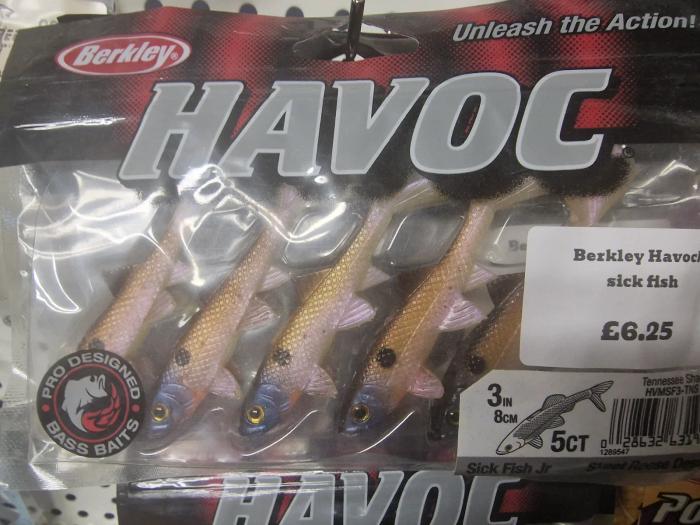
Berkley Havoc perch sick fish lure for bass/ Pike
£6.25
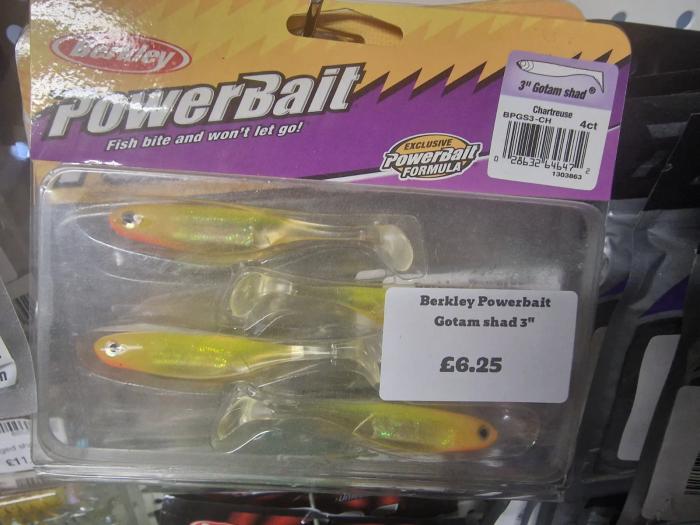
Berkley Soft Plastic / Shad Fishing Lure
£6.25
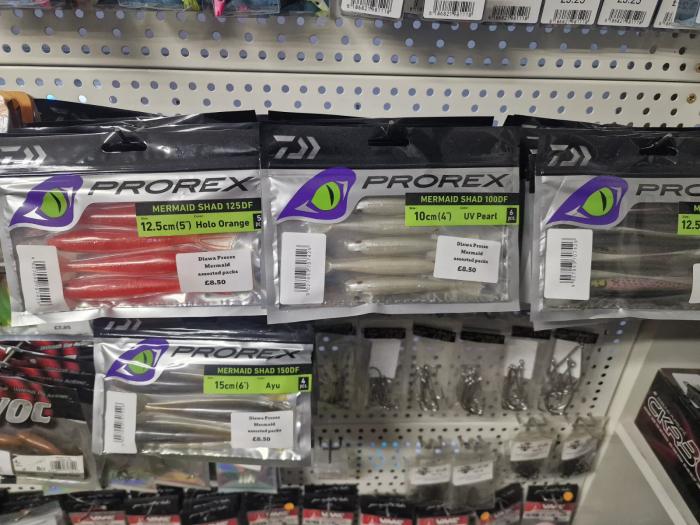
Daiwa Soft Plastic / Bass Fishing Lure Prorex mermaid
£8.50
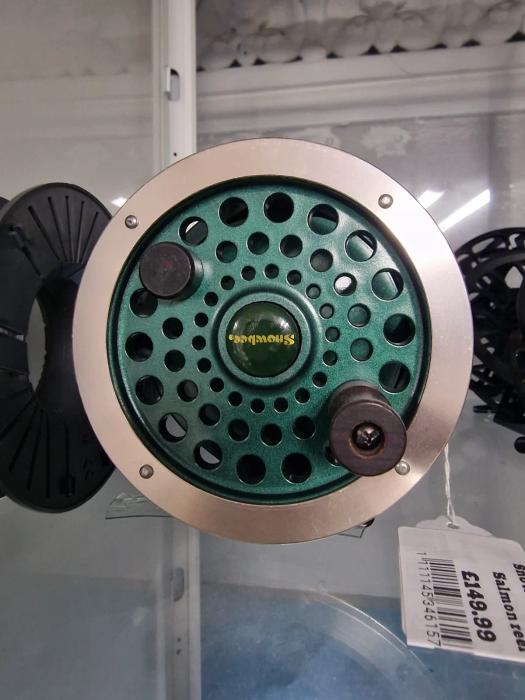
Snowbee Fly Fishing Reel
£149.99
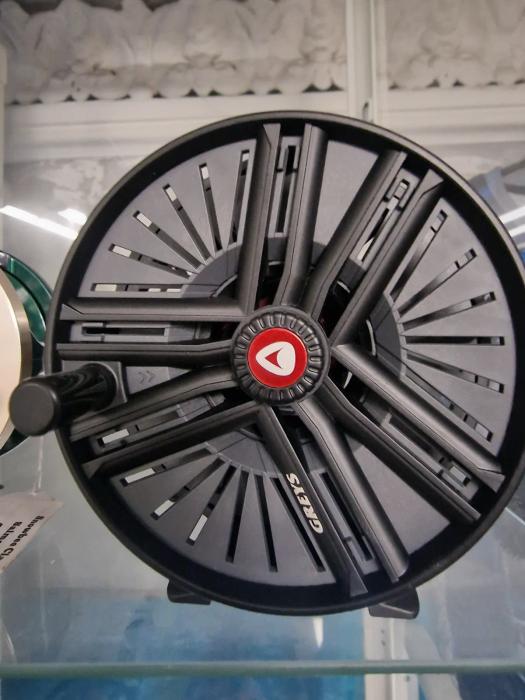
Fishing Reel Greys fin Cassette salmon
£59.99
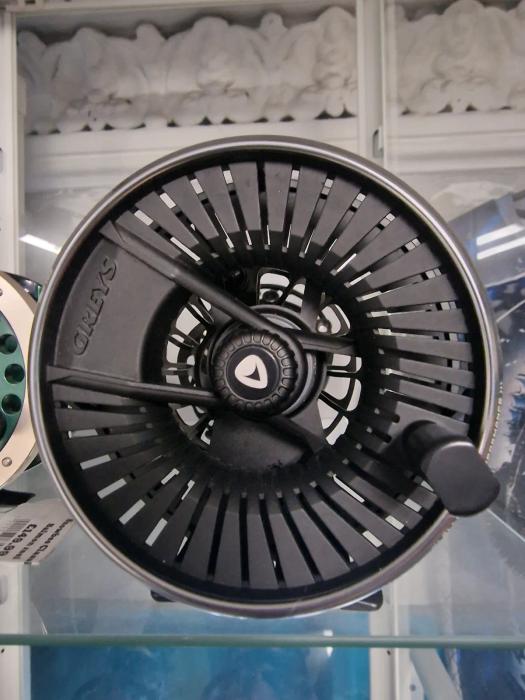
Greys Fly Reel Fishing Reel
£59.99
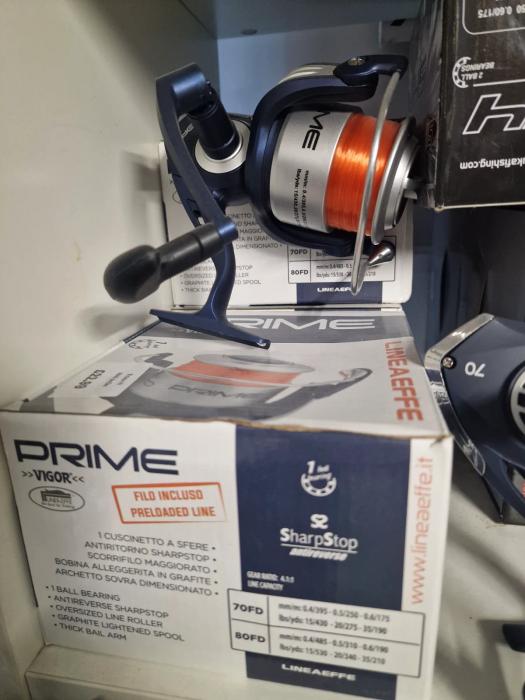
Lineaeffe Spinning 7000 Fishing Reel
£19.99
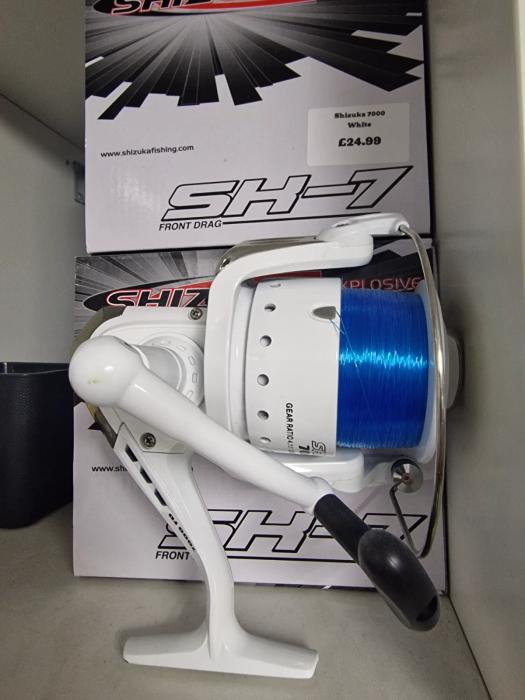
Shizuka Big Pit 7000 Fishing Reel
£23.99
Coalfish guides
Coalfish fishing questions
Where is the best place to catch coalfish from the shore?
Rocky coasts, harbours and piers in Scotland, northern England, Northern Ireland and the North Sea coast are best. Look for deep water close to rocks, harbour entrances and breakwaters, especially from autumn into winter. Harbour lights after dark often attract small coalfish feeding on baitfish, so these can be productive spots.
How do I tell a coalfish from a pollack?
Check the lateral line and jaw. Coalfish have a straight, pale lateral line and the jaws are almost level. Pollack have a dark lateral line with a curve over the pectoral fin and a strongly protruding lower jaw. Coalfish are also usually darker on the back, with a greener or blacker tone.
Can you eat coalfish?
Yes, coalfish, often sold as coley or saithe, are perfectly good eating, with firm white flesh that suits fish pies, curries and fish cakes. The flesh can look slightly grey when raw but turns white when cooked. Only keep what you need, and check the size and bag rules for your area below.


