

Herring Fishing UK
By Tackl · Updated 30 October 2026

Clupea harengus
Herring are small, silvery shoaling fish that come inshore around piers and harbours in winter. Catching them on small feathers is a traditional cold-weather pastime, great for families, and herring are both excellent to eat and one of the best fresh baits for bigger fish such as cod, rays and bass.
- Typical size
- 4–8oz from the shore; a fish over 12oz is a good one.
- From the shore
- Piers, harbours
- Found in
- sea
- Peak season
- Late autumn and winter
How to identify a herring
Herring have a slim, silvery body with a blue-green back, a single dorsal fin placed in the middle of the back, and a forked tail. The scales are large and come off easily, and the lower jaw sticks out slightly. Sprats are smaller and have a sharp, saw-edged keel along the belly, while herring have a smooth belly. In herring the dorsal fin starts in front of the pelvic fins. Shad are deeper bodied, usually with dark spots behind the gill cover.
Where it lives
Herring are open-water shoaling fish found all around the UK. From the shore, they are mostly caught from piers, harbour walls and breakwaters when shoals move inshore in late autumn and winter. They are especially common along the North Sea coast, in Scotland, the north-east of England and Wales, but turn up widely. Deep harbours and sheltered piers with clear water and lights are often the best spots.
What it eats and the best baits
Herring feed on plankton, including tiny shrimps, copepods and the larvae of fish and crustaceans, filtering and picking them from the water. Small feathers and sabiki rigs work because the tiny flashing lures imitate this plankton and small baitfish. Very small pieces of fish or shrimp on tiny hooks can also catch herring.
- Sabiki rigs
- Small feathers
- Fish strip
- Shrimp
Best time of year
- Jan – good
- Feb – good
- Mar – quieter
- Apr – quieter
- May – quieter
- Jun – quieter
- Jul – quieter
- Aug – quieter
- Sep – quieter
- Oct – good
- Nov – good
- Dec – good
In season now. Typical best months for shore anglers in England and Wales. What's in season
How to catch herring
Sabiki rigs or small feathers with size 8 to 14 hooks are the main method. Jig them slowly up and down at different depths from a pier or harbour wall until you find the shoal. A light spinning or LRF rod with a small lead or weight on the bottom of the rig is ideal. Herring are often found in midwater, so try varying the depth. Shoals are often most active at dawn, dusk and after dark near lights, and around high water. Bites are quick, light taps and the rod tip will flicker. Herring have soft mouths, so wind in steadily without jerking. When the shoal is in, you can catch several on one drop.
Size and bag rules
| Area | Rule | Source |
|---|---|---|
| Eastern IFCA | Minimum size 20cm | Official page |
| Kent & Essex IFCA | Minimum size 20cm | Official page |
| North Western IFCA | Minimum size 20cm | Official page |
Other areas (no confirmed number for this species yet): Northumberland IFCA, North Eastern IFCA, Sussex IFCA, Southern IFCA, Devon & Severn IFCA, Cornwall IFCA, Isles of Scilly IFCA, Wales, Scotland, Northern Ireland.
Rules last checked 23 October 2026. Rules change, especially for bass: always check the official source before keeping a fish. All sea fishing rules
Handling and release
Herring are delicate and their scales come off easily, so they do not survive handling well. If you do not plan to keep them, handle as little as possible, unhook while still in the water where you can, and return them quickly. Keep only what you will eat or use for bait.
Where to catch herring in the UK
We don't have venues confirmed for herring yet. Browse all venues.
Tackle for herring
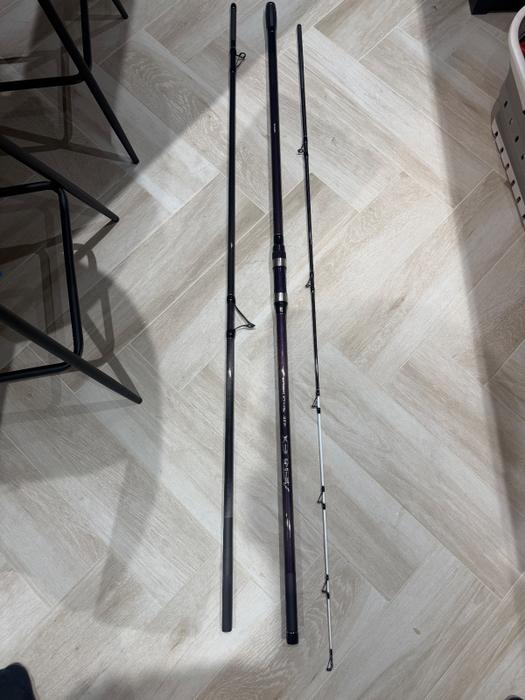
Shimano Aerlex 425cx Tublar 3 Piece Beach / Surf Rod Fishing Rod
£99.00
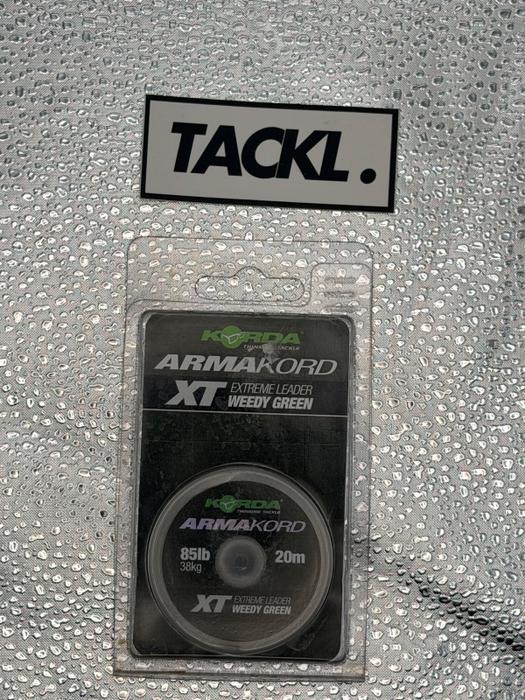
Korda Armakord extreme leader weedy green
£10.00
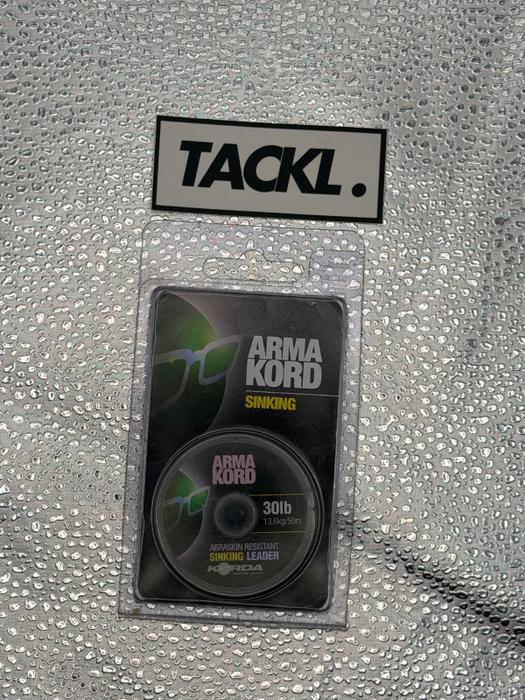
Korda Armamord sinking leader
£15.00
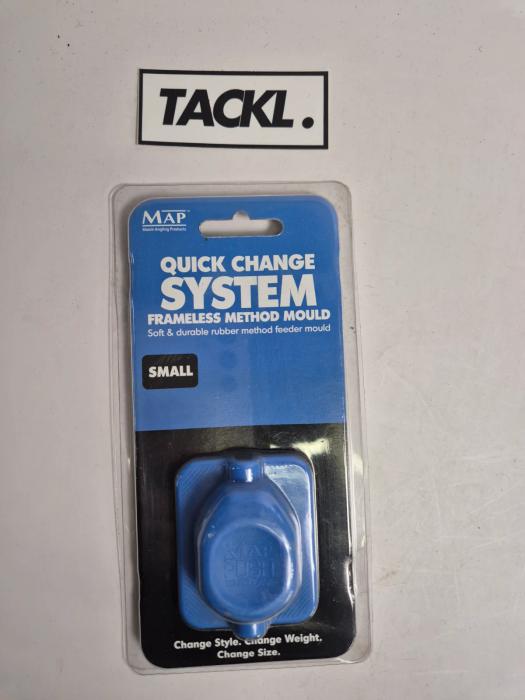
MAP quick change system frameless method mould small
£2.00
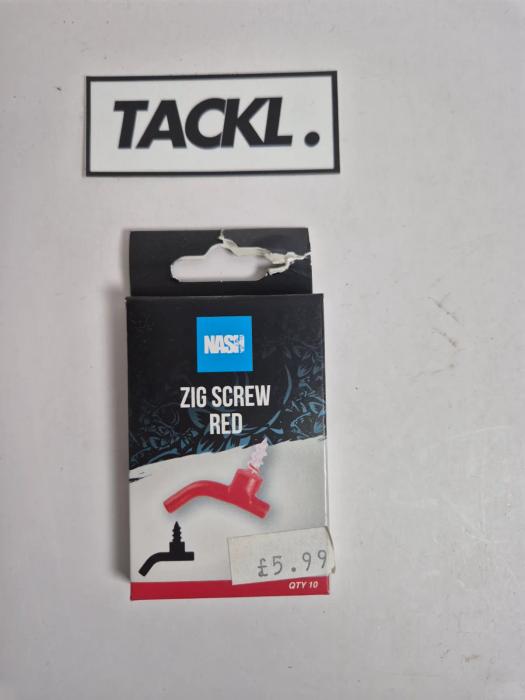
Nash zig screw red
£4.00
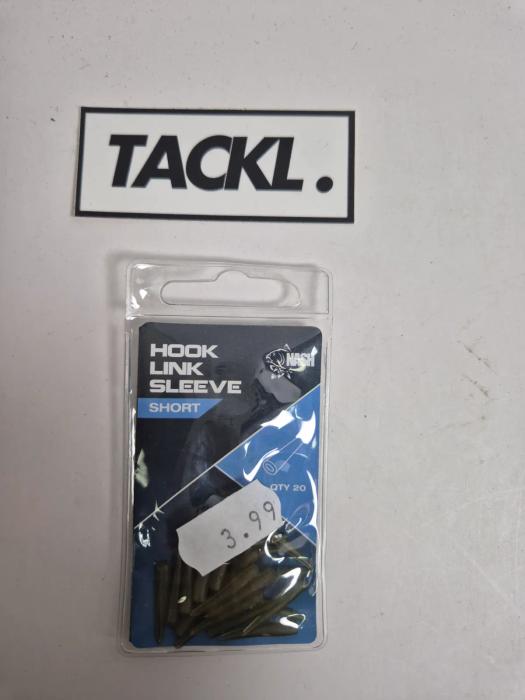
Nash hook link sleeve short
£2.50
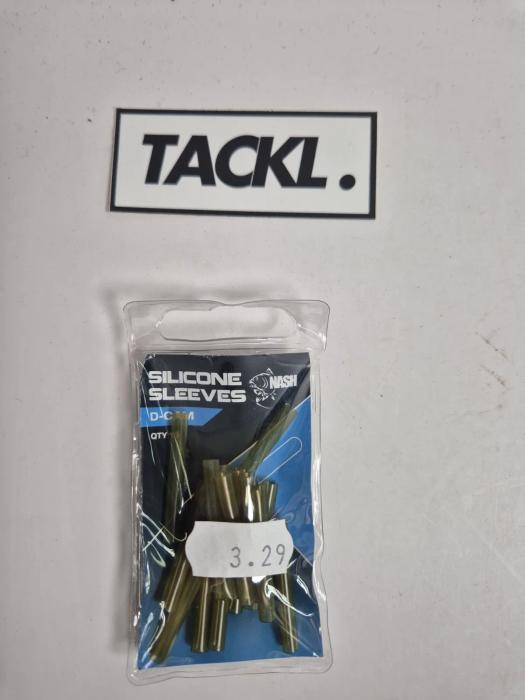
Nash silicone sleeve d_cam
£2.00
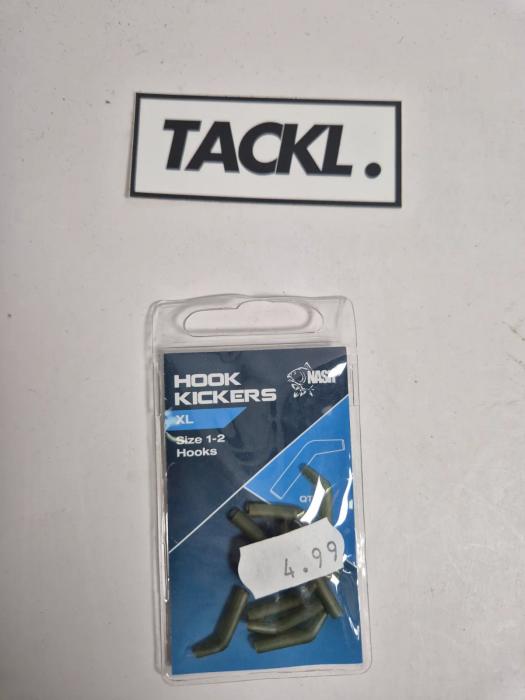
Nash hook kickers
£3.00
Herring guides
Herring fishing questions
How do you catch herring from a pier?
Use a sabiki rig or small feathers with a light weight and jig them slowly at different depths until you find the shoal. Herring often feed in midwater, especially at dawn, dusk and after dark. Wind in steadily, as they have soft mouths and can easily drop off.
Can you eat herring?
Yes, herring are excellent eating and very nutritious, with rich, oily flesh. They are good grilled, fried, pickled or smoked. Keep them cool and eat them fresh. Many anglers also freeze them for bait. Take only what you need and check the size and bag rules for your area below.
How do I tell a herring from a sprat?
Run your finger along the belly. Sprats have a sharp, saw-like keel, while herring have a smooth belly. Herring are also larger, and their dorsal fin starts in front of the pelvic fins. In sprats, the dorsal fin starts level with or behind the pelvic fins.


