

Spotted Ray Fishing UK
By Tackl · Updated 30 October 2026

Raja montagui
The spotted ray, also known as the homelyn ray, is one of the smaller rays caught around the UK. It is common over sand and mixed ground, takes baits readily from beaches and rocks, and is a pleasing summer catch for shore anglers who want a ray without needing to fish huge baits or extreme distances.
Photo: Elch33, CC BY-SA 3.0, via Wikimedia Commons
- Typical size
- 2–4lb from the shore; a fish over 5lb is a specimen.
- From the shore
- Beaches, rocks
- Found in
- sea
- Peak season
- Spring to autumn
How to identify a spotted ray
The spotted ray is a fairly small ray with a light brown or sandy upper side covered in small, neat dark spots. The key feature is that the spots stop short of the wing edges, leaving a clear unspotted margin. Many fish also carry a pale-ringed dark marking, like an eye spot, on each wing. The underside is white and the snout is short. Blonde rays look similar but grow much bigger and have spots that run right to the edges of the wings. Thornback rays have a rough back with large thorns and a mottled rather than spotted pattern.
Where it lives
Spotted rays live over sand, gravel and mixed sandy ground near rocks, from fairly shallow water down to deeper offshore marks. They are found right around the UK and are frequently caught from the shore in the south-west of England, the English Channel, Wales, the Irish Sea and parts of Scotland. Beaches backed by rocky outcrops, sandy gullies among rocks and steep beaches that drop into deeper water are good places to try, especially at night.
What it eats and the best baits
Spotted rays feed mainly on crustaceans such as shrimps, prawns and small crabs, plus small fish and worms. Sandeel works well because it is a natural food over sandy ground and gives a strong scent trail. Squid is tough, stays on the hook through casting and the attentions of crabs, and its scent draws rays from a distance. A sandeel and squid wrap combines the best of both.
- Sandeel
- Squid
- Mackerel strip
- Peeler crab
- Sandeel and squid wrap
Best time of year
- Jan – quieter
- Feb – quieter
- Mar – quieter
- Apr – good
- May – good
- Jun – good
- Jul – good
- Aug – good
- Sep – good
- Oct – good
- Nov – quieter
- Dec – quieter
Typical best months for shore anglers in England and Wales. What's in season
How to catch spotted ray
A pulley dropper or a pulley pennel rig with 1/0 to 3/0 hooks suits spotted rays, which have smaller mouths than many other rays, so keep baits modest. A 12 to 14ft beachcaster with 5 to 6oz leads is ideal on open beaches, with grip leads if there is tide or swell. From rocks, use a rotten-bottom link to the lead to cut losses. Night tides are usually best, particularly the last of the flood and the first of the ebb, though fish can be caught in daylight in coloured water. Bites are often modest: a few taps and a slow bend of the rod tip as the ray settles over the bait. Give it a moment, then wind down and lift firmly. They fight with a steady, flapping resistance rather than fast runs.
Size and bag rules
| Area | Rule | Source |
|---|---|---|
| North Western IFCA | Minimum size 45cm wing tip to wing tipApplies to any skate or ray. | Official page |
Other areas (no confirmed number for this species yet): Northumberland IFCA, North Eastern IFCA, Eastern IFCA, Kent & Essex IFCA, Sussex IFCA, Southern IFCA, Devon & Severn IFCA, Cornwall IFCA, Isles of Scilly IFCA, Wales, Scotland, Northern Ireland.
Rules last checked 23 October 2026. Rules change, especially for bass: always check the official source before keeping a fish. All sea fishing rules
Handling and release
Spotted rays are slow growing, and like all rays they benefit from careful release. Handle them with wet hands, support the body under the wings and keep fingers clear of the thorny tail. Never lift a ray by the snout or tail. Unhook quickly using forceps and return it to the water promptly, letting it swim off in its own time.
Where to catch spotted ray in the UK
We don't have venues confirmed for spotted ray yet. Browse all venues.
Tackle for spotted ray
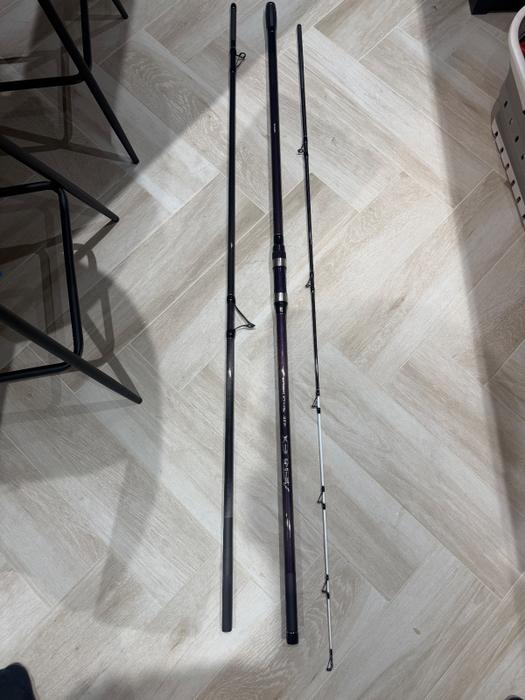
Shimano Aerlex 425cx Tublar 3 Piece Beach / Surf Rod Fishing Rod
£99.00
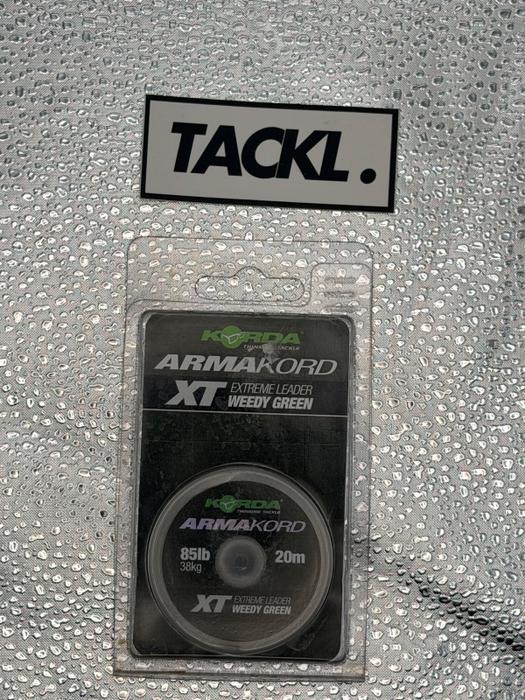
Korda Armakord extreme leader weedy green
£10.00
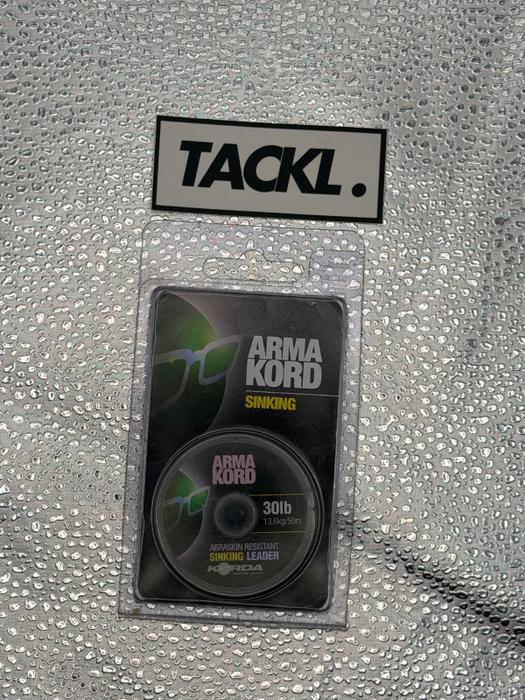
Korda Armamord sinking leader
£15.00
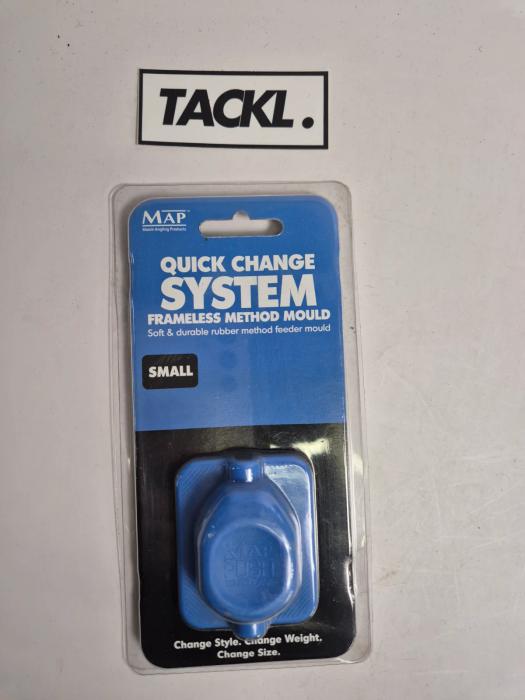
MAP quick change system frameless method mould small
£2.00
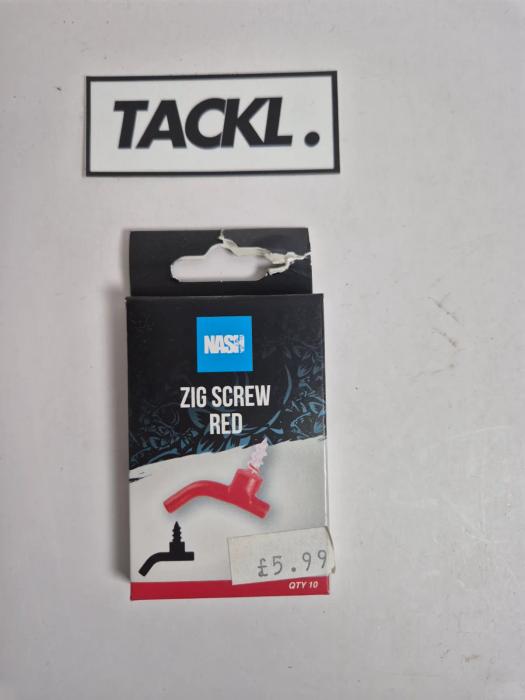
Nash zig screw red
£4.00
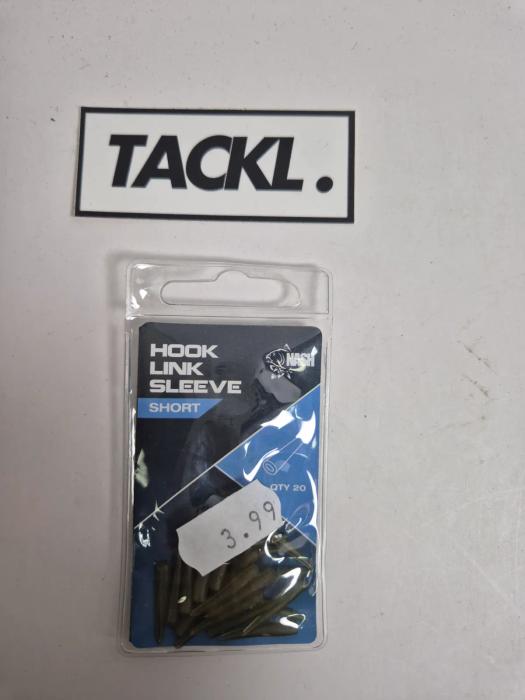
Nash hook link sleeve short
£2.50
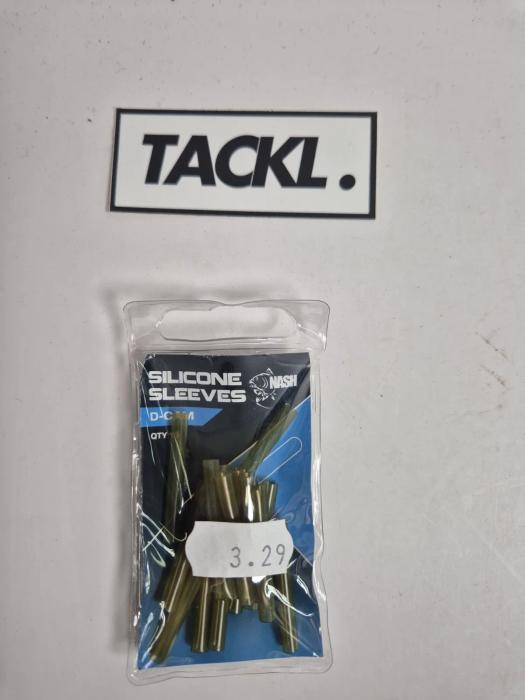
Nash silicone sleeve d_cam
£2.00
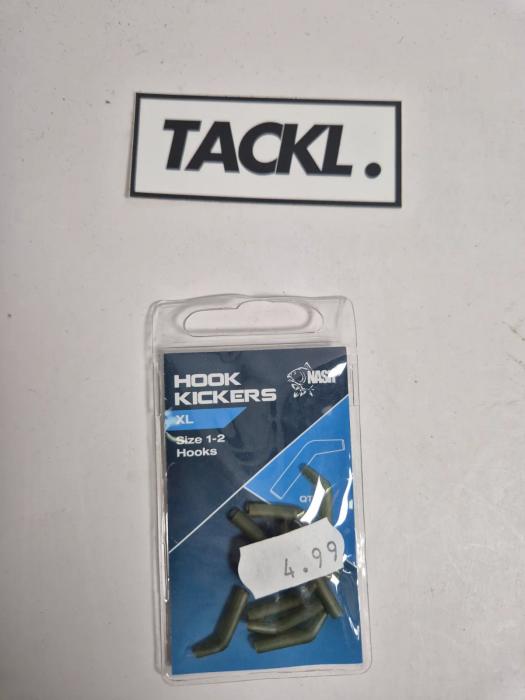
Nash hook kickers
£3.00
Spotted Ray guides
Spotted Ray fishing questions
How do I tell a spotted ray from a blonde ray?
Look at the edges of the wings. On a spotted ray the small dark spots stop short of the margin, leaving a clear unspotted edge, and there is often a ringed eye spot on each wing. Blonde rays have spots running right to the wing edges and grow much larger.
What is the best bait for spotted ray?
Sandeel and squid are the top choices, either alone or wrapped together. Keep baits fairly small, as spotted rays have smaller mouths than thornbacks or blondes. Mackerel strip and peeler crab also catch, and fresh bait almost always beats tired, washed-out offerings.
When is the best time to catch spotted ray from the shore?
From spring through to autumn, with night tides usually the most productive. The hours either side of high water on beaches next to rocks can be excellent. A little colour in the water after a blow often brings them closer in during daylight too.


