

Thornback Ray Fishing UK
By Tackl · Updated 30 October 2026

Raja clavata
The thornback ray is the most common ray caught from UK shores. Named after the sharp thorns on its back and tail, it is a favourite target on estuaries and sandy beaches from spring to autumn, offering a heavy, determined fight and a real chance of a good fish on a summer night.
Photo: Bj.schoenmakers, CC0, via Wikimedia Commons
- Typical size
- 3–8lb from the shore; a fish over 10lb is a specimen.
- From the shore
- Beaches, estuaries
- Found in
- sea, estuary
- Peak season
- Spring to autumn
How to identify a thornback ray
Thornbacks have a diamond-shaped body with a fairly short snout. The back is brown or grey with a marbled pattern of lighter and darker blotches and pale spots. Large thorns called bucklers sit along the middle of the back and the tail, and females often have thorns on the underside too. Blonde rays have small dark spots right out to the edge of the wings and lack the big thorns. Spotted rays are smaller and often have a pair of eye-spots. Small-eyed rays have pale stripes running parallel to the wing edges.
Where it lives
Thornbacks live on sand, mud, gravel and mixed ground, from shallow estuaries out to deeper water. Shore anglers catch them from beaches, estuary channels, harbours and piers. They are particularly common in the Thames Estuary, the Solent, the Bristol Channel, Wales, the Irish Sea coast and western Scotland. They move into shallower water from spring, and estuaries with mixed sandy and muddy ground are prime marks, especially near channels and gullies.
What it eats and the best baits
Thornbacks hunt on or near the seabed for crabs, shrimps, prawns, sandeels, small flatfish and other small fish. Sandeel is a natural summer food and gives off an oily scent. Peeler crab is irresistible because shore crabs are a major part of their diet, and mackerel produces a strong scent trail rays follow from a distance.
- Sandeel
- Peeler crab
- Mackerel
- Squid
- Herring
- Sprat
Best time of year
- Jan – quieter
- Feb – quieter
- Mar – good
- Apr – good
- May – good
- Jun – good
- Jul – good
- Aug – good
- Sep – good
- Oct – good
- Nov – quieter
- Dec – quieter
Typical best months for shore anglers in England and Wales. What's in season
How to catch thornback ray
A pulley rig or pulley pennel rig with two 2/0 to 4/0 hooks is the standard choice, as it casts well and protects the line when the fish lies on the bottom. Bulky baits of sandeel, peeler crab or mackerel strip, bound with bait elastic, hold together. A 5 to 6oz grip lead holds in tide, cast from a 13 to 15ft beachcaster. Rays feed best after dark and over the flood tide, though coloured estuary water can produce in daylight. Bites are distinctive: the rod tip nods gently as the ray settles on the bait, then a steady pull or slack line follows. Give the fish time to take the bait properly before winding into it with a steady lift.
Size and bag rules
| Area | Rule | Source |
|---|---|---|
| North Western IFCA | Minimum size 45cm wing tip to wing tipApplies to any skate or ray. | Official page |
Other areas (no confirmed number for this species yet): Northumberland IFCA, North Eastern IFCA, Eastern IFCA, Kent & Essex IFCA, Sussex IFCA, Southern IFCA, Devon & Severn IFCA, Cornwall IFCA, Isles of Scilly IFCA, Wales, Scotland, Northern Ireland.
Rules last checked 23 October 2026. Rules change, especially for bass: always check the official source before keeping a fish. All sea fishing rules
Handling and release
Rays are slow growing and late to mature, so please return as many as you can. Never lift a ray by the tail or the eyes. Support it under the wings with both hands, and watch out for the sharp thorns on the back and tail. Unhook with long-nose pliers, keep it wet and return it promptly.
Best shore marks for thornback ray
Where to catch thornback ray in the UK
We don't have venues confirmed for thornback ray yet. Browse all venues.
Tackle for thornback ray
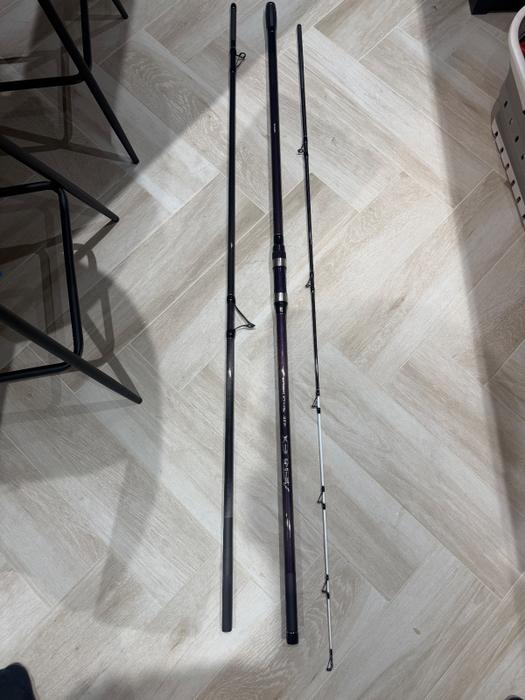
Shimano Aerlex 425cx Tublar 3 Piece Beach / Surf Rod Fishing Rod
£99.00
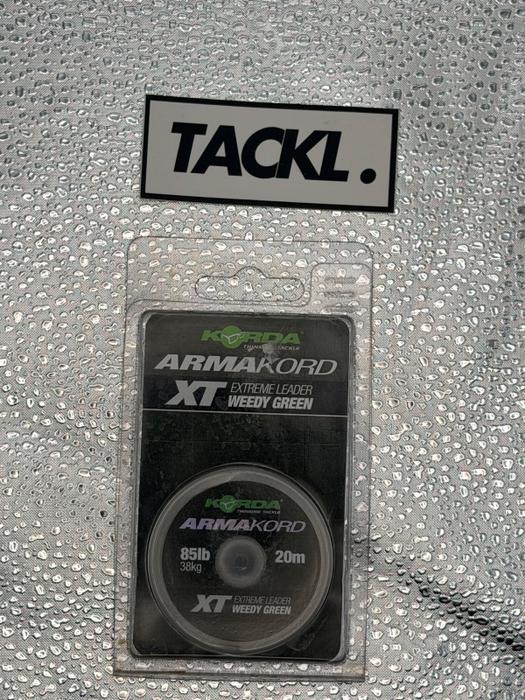
Korda Armakord extreme leader weedy green
£10.00
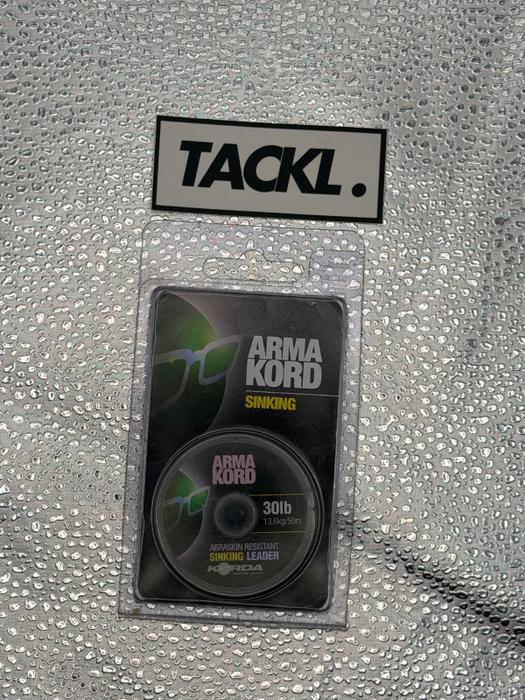
Korda Armamord sinking leader
£15.00
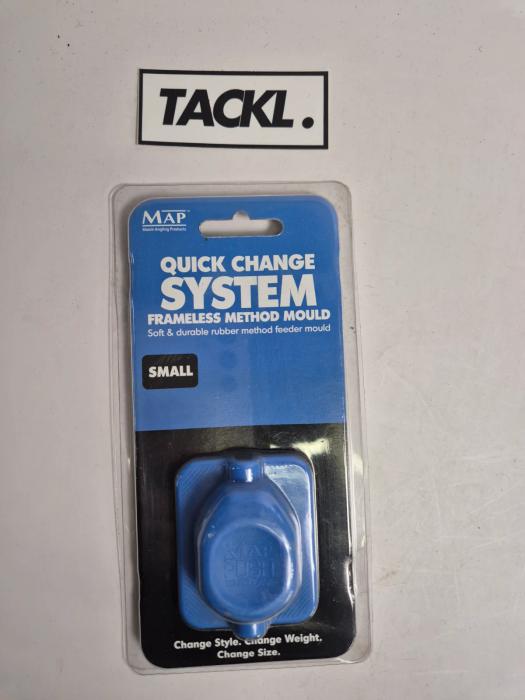
MAP quick change system frameless method mould small
£2.00
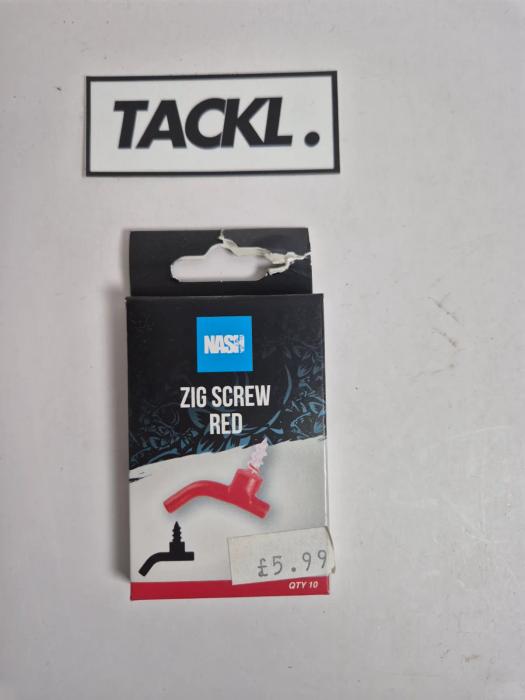
Nash zig screw red
£4.00
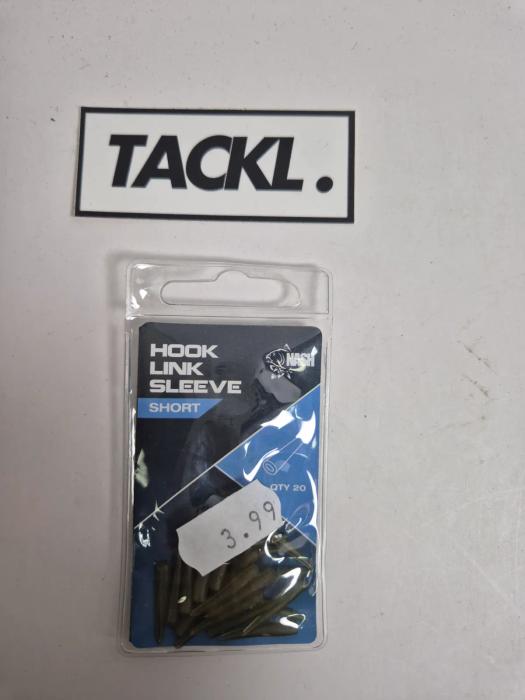
Nash hook link sleeve short
£2.50
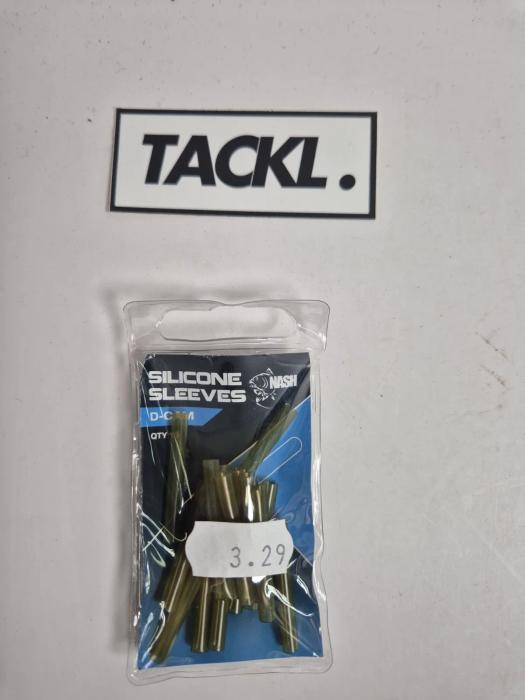
Nash silicone sleeve d_cam
£2.00
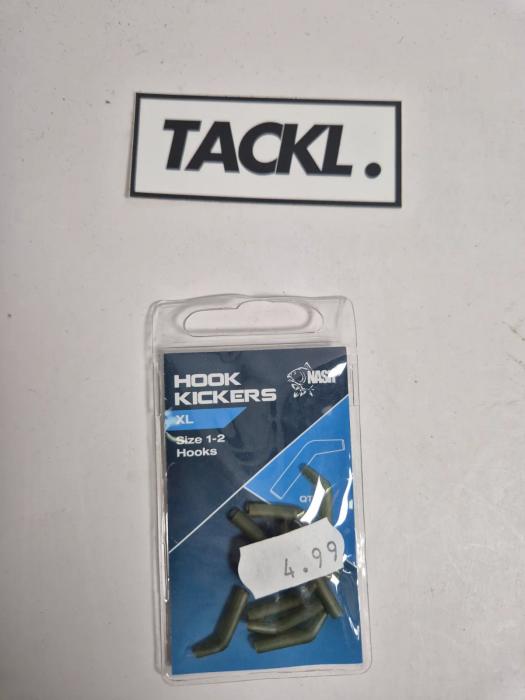
Nash hook kickers
£3.00
Thornback Ray guides
Thornback Ray fishing questions
When is the best time to catch thornback ray from the shore?
Rays move inshore in spring and are caught through summer into autumn, with April to June often a peak on many estuaries. Night tides are usually best, especially the flood. A coloured, slightly rough sea or a tide pushing up an estuary channel can bring fish close in daylight too.
Can you eat thornback ray?
Ray wings are good eating. However, rays are slow growing, so many anglers now return most or all of their catch. If you do keep one, take only a single fish for the table and check the size and bag rules for your area below first.
How do I tell a thornback ray from a blonde ray?
Look at the back. Thornbacks have big thorns down the middle and a marbled pattern with pale spots. Blonde rays are smoother, with small dark spots reaching right to the edge of the wings, and they are usually found in deeper water with stronger tides.


