

Undulate Ray Fishing UK
By Tackl · Updated 30 October 2026

Raja undulata
The undulate ray is one of the most beautiful rays in UK waters, with striking wavy patterns on its back. It is a fish of southern beaches and clean sandy ground, where anglers target it on summer nights with fish and squid baits. It has a limited range and is generally treated as a fish to photograph and return.
Photo: jmerelo, derivative work by Haplochromis, CC BY-SA 2.0, via Wikimedia Commons
- Typical size
- 5–10lb from the shore; a fish over 12lb is a specimen.
- From the shore
- Southern beaches
- Found in
- sea
- Peak season
- Spring to autumn
How to identify a undulate ray
A medium-sized ray with a short snout and a diamond-shaped disc. The upper side is ochre to light brown, covered in dark, wavy bands that are edged with rows of small white or cream dots, giving the undulating pattern it is named after. The underside is white. There is a row of thorns along the tail and down the back. The small-eyed ray, or painted ray, also has pale lines, but they run parallel to the edges of the wings without dark wavy bands. Thornback rays have a mottled pattern and large, stout thorns on the back and wings.
Where it lives
Undulate rays have a patchy range and are mainly caught in the south, most often along parts of the south coast of England, around the Channel Islands and in south-west Ireland, with occasional fish elsewhere. They favour clean sand and sand mixed with gravel, often in shallow bays, where they can be caught from open beaches and sometimes from rocks overlooking sand. Because their range is so localised, local knowledge counts for a lot.
What it eats and the best baits
Undulate rays feed on the seabed, taking crabs, shrimps, prawns and other crustaceans, along with sandeels and small fish. Sandeel and squid work well because they are natural food with plenty of scent and stay on the hook for long casts. A sandeel and squid cocktail, or a wrap of mackerel, is a reliable choice, and peeler crab can also be very effective.
- Sandeel
- Squid
- Mackerel strip
- Peeler crab
- Sandeel and squid wrap
Best time of year
- Jan – quieter
- Feb – quieter
- Mar – quieter
- Apr – good
- May – good
- Jun – good
- Jul – good
- Aug – good
- Sep – good
- Oct – good
- Nov – quieter
- Dec – quieter
Typical best months for shore anglers in England and Wales. What's in season
How to catch undulate ray
A pulley pennel rig with two 2/0–4/0 hooks is a good choice, as it presents a large bait neatly and helps the lead clear the bottom when you retrieve. A clipped-down rig helps get extra distance, though rays can often be caught at modest range over clean sand. Use a 5–6oz grip lead and a 13–15ft beachcaster with line of around 15–20lb plus a shockleader. Whole sandeel, squid strips or a sandeel and squid wrap bound with bait elastic are the standard baits. The best results are often after dark and over the bigger tides, with the flood and the first of the ebb worth fishing hard. Ray bites are usually slow: the rod nods as the fish settles on the bait, then a steady pull develops. Give it time before setting the hook, and then pump the fish in with steady pressure.
Size and bag rules
Check retention rules — often release only
| Area | Rule | Source |
|---|---|---|
| North Western IFCA | Minimum size 45cm wing tip to wing tipApplies to any skate or ray. | Official page |
Other areas (no confirmed number for this species yet): Northumberland IFCA, North Eastern IFCA, Eastern IFCA, Kent & Essex IFCA, Sussex IFCA, Southern IFCA, Devon & Severn IFCA, Cornwall IFCA, Isles of Scilly IFCA, Wales, Scotland, Northern Ireland.
Rules last checked 23 October 2026. Rules change, especially for bass: always check the official source before keeping a fish. All sea fishing rules
Handling and release
Keep undulate rays out of the water as briefly as possible. Hold them by the wings with wet hands, support the body, and watch the thorny tail, which can thrash and scratch. Never lift a ray by its eyes or gill slits. Unhook with long forceps and return it promptly. Check the rules for your area below, as release is often expected and is always good practice.
Where to catch undulate ray in the UK
We don't have venues confirmed for undulate ray yet. Browse all venues.
Tackle for undulate ray
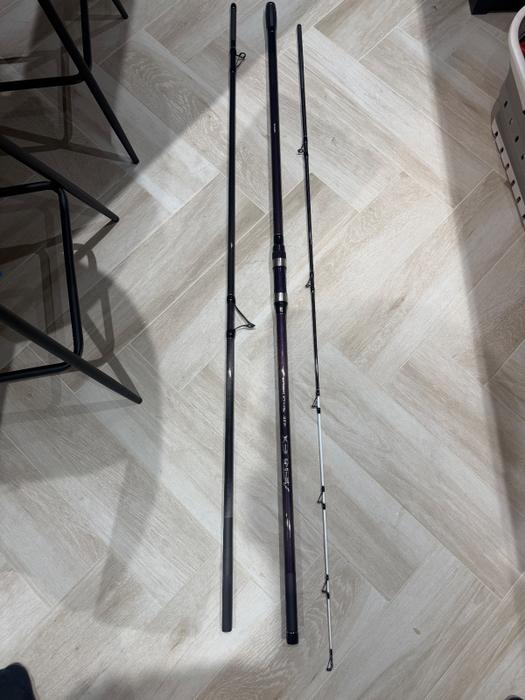
Shimano Aerlex 425cx Tublar 3 Piece Beach / Surf Rod Fishing Rod
£99.00
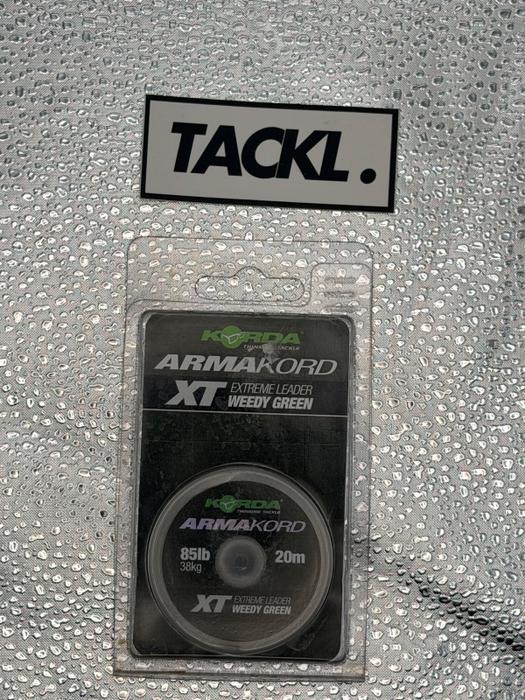
Korda Armakord extreme leader weedy green
£10.00
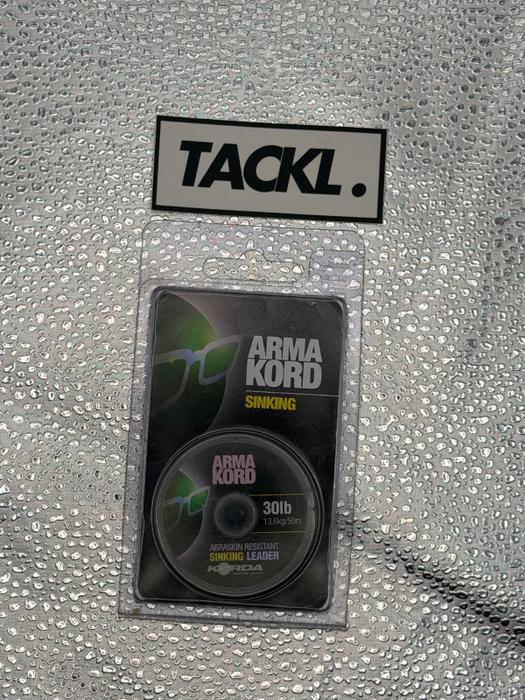
Korda Armamord sinking leader
£15.00
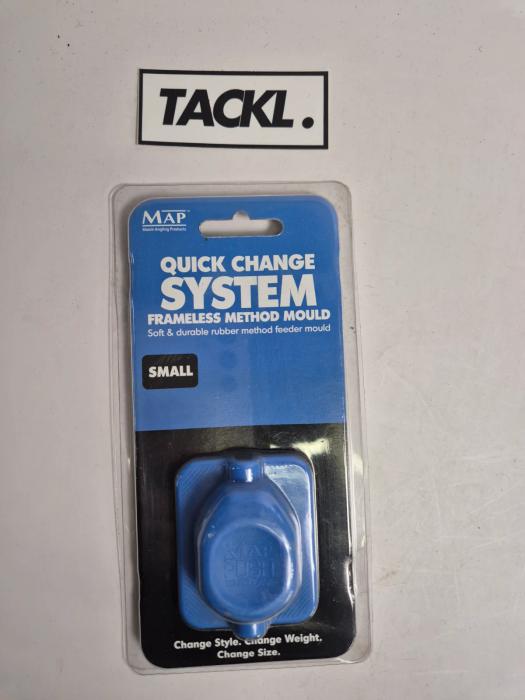
MAP quick change system frameless method mould small
£2.00
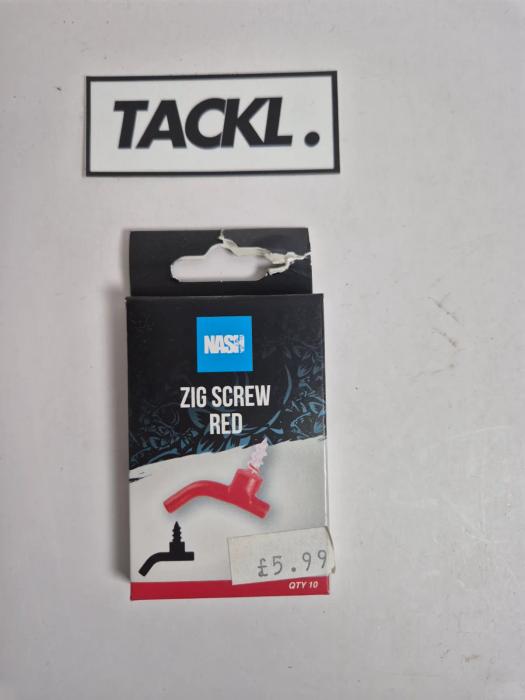
Nash zig screw red
£4.00
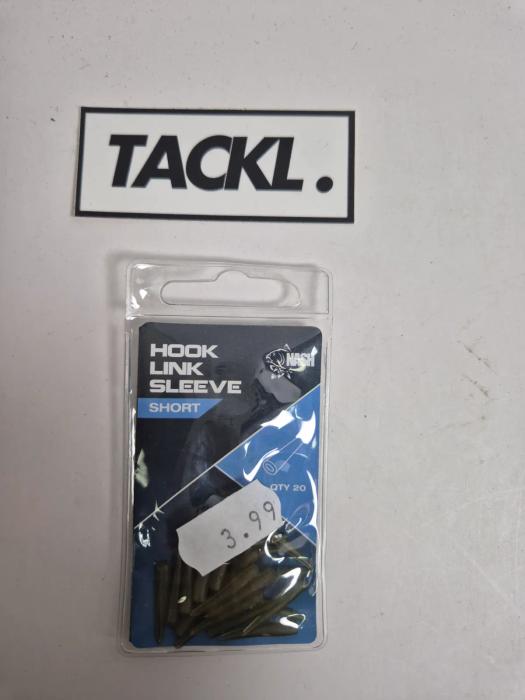
Nash hook link sleeve short
£2.50
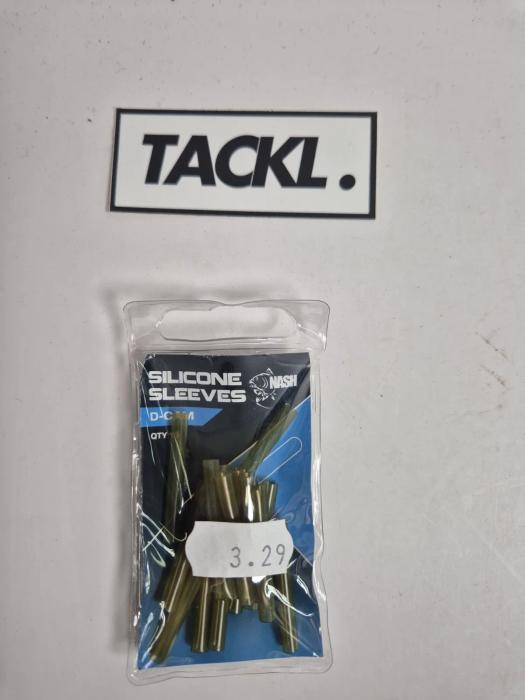
Nash silicone sleeve d_cam
£2.00
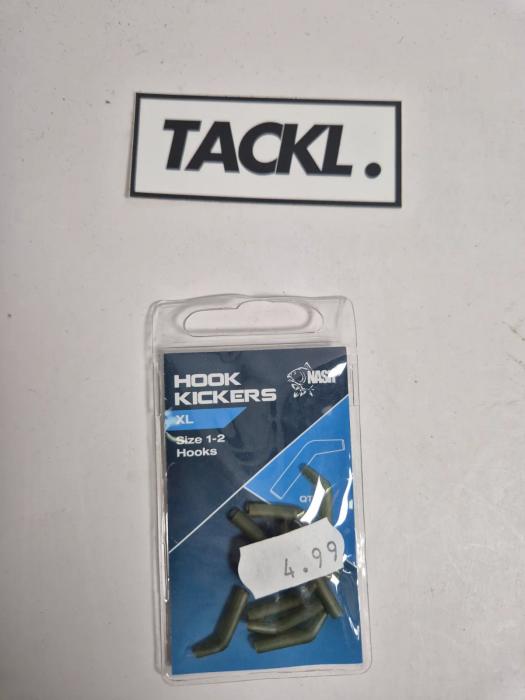
Nash hook kickers
£3.00
Undulate Ray guides
Undulate Ray fishing questions
Can I keep an undulate ray?
Retention rules for undulate rays have been tight and vary by area, so check the size and bag rules for your area below before even considering it. Most anglers simply photograph them and put them back. Their range is limited, and every fish returned helps protect local populations for the future.
What is the best bait for undulate ray?
Sandeel and squid, either on their own or wrapped together as a cocktail on a pulley pennel rig, are hard to beat. Mackerel strip and peeler crab also catch well. Fresh or well-frozen bait matters, and bigger baits help keep smaller fish such as dogfish and pouting busy while a ray finds them.
How can I tell an undulate ray from a small-eyed ray?
The undulate ray has dark wavy bands edged with white dots across a light brown back. The small-eyed ray, also called the painted ray, is grey-brown with pale cream lines and spots running roughly parallel to the edges of its wings, without those dark wavy bands.


