

Brill Fishing UK
By Tackl · Updated 30 October 2026

Scophthalmus rhombus
Brill are large, left-eyed flatfish that live on sandy ground and hunt small fish. They are a prized catch from sandy beaches in summer, often taken by anglers fishing sandeel or fish baits for bass, rays or turbot. Brill are also one of the finest fish to eat, making them a welcome bonus catch.
Photo: Holger Krisp, CC BY 4.0, via Wikimedia Commons
- Typical size
- 2–4lb from the shore; a fish over 5lb is a specimen.
- From the shore
- Sandy beaches
- Found in
- sea
- Peak season
- Summer and early autumn
How to identify a brill
A broad, oval flatfish with the eyes on the left side when the fish lies dark side up. The upper side is sandy brown to grey with darker and paler mottling and small spots, and the underside is white. The skin is smooth with small scales. The first rays of the dorsal fin are branched and frilly, and stand free at the front. Turbot are more diamond-shaped, have bony knobs on the upper side instead of scales, and lack the frilly dorsal rays. Plaice and dabs are right-eyed, with orange spots on plaice and a curved lateral line on dabs.
Where it lives
Brill live on sandy and mixed ground, often in moderately deep water, but move into shallower water to feed. Shore anglers catch them from sandy beaches, surf beaches and sandy bays. They are most common along the south coast, in south-west England and around Wales, with fewer fish further north and east. Summer and early autumn are the best times to catch them from the shore.
What it eats and the best baits
Brill are active predators, feeding on sandeels, small fish such as sprats and whitebait, and some crustaceans. Sandeel works because it is a key natural food, and fresh or frozen sandeel fished on the seabed or slowly retrieved attracts brill. Small fish baits such as mackerel strip or whole small fish also match their diet and trigger a hunting response.
- Sandeel
- Mackerel strip
- Small whole fish
- Squid strip
- Soft sandeel lures
Best time of year
- Jan – quieter
- Feb – quieter
- Mar – quieter
- Apr – quieter
- May – good
- Jun – good
- Jul – good
- Aug – good
- Sep – good
- Oct – quieter
- Nov – quieter
- Dec – quieter
Typical best months for shore anglers in England and Wales. What's in season
How to catch brill
A pulley pennel rig or running leger with size 1/0–3/0 hooks baited with whole sandeel, sandeel sections or mackerel strip works well. Use a 4–6oz lead depending on surf and tide, and a 12–15ft beachcaster. Fish at moderate range, as brill often feed close to the shore on surf beaches. Slowly retrieving the bait along the seabed can trigger takes. Small lures such as soft sandeel imitations or small metals worked along the bottom can also catch brill. Dawn and dusk, flooding tides and calm or gently surfing seas usually give the best chances. Bites are positive pulls and rattles, as brill take baits firmly. Once hooked, they use their broad body to resist, so keep steady pressure and bring them in smoothly.
Size and bag rules
| Area | Rule | Source |
|---|---|---|
| Cornwall IFCA | Minimum size 30cmFrom byelaws Cornwall IFCA inherited; some rivers and estuaries aren't covered. Check the official page. | Official page |
| North Western IFCA | Minimum size 30cm | Official page |
Other areas (no confirmed number for this species yet): Northumberland IFCA, North Eastern IFCA, Eastern IFCA, Kent & Essex IFCA, Sussex IFCA, Southern IFCA, Devon & Severn IFCA, Isles of Scilly IFCA, Wales, Scotland, Northern Ireland.
Rules last checked 23 October 2026. Rules change, especially for bass: always check the official source before keeping a fish. All sea fishing rules
Handling and release
Brill have smooth skin, so handle them with wet hands and support the body rather than holding them by the jaw. Use forceps to unhook and return fish promptly if you are not keeping them. Avoid dropping or squeezing the fish. Check the size and bag rules for your area below if you plan to keep one.
Where to catch brill in the UK
We don't have venues confirmed for brill yet. Browse all venues.
Tackle for brill
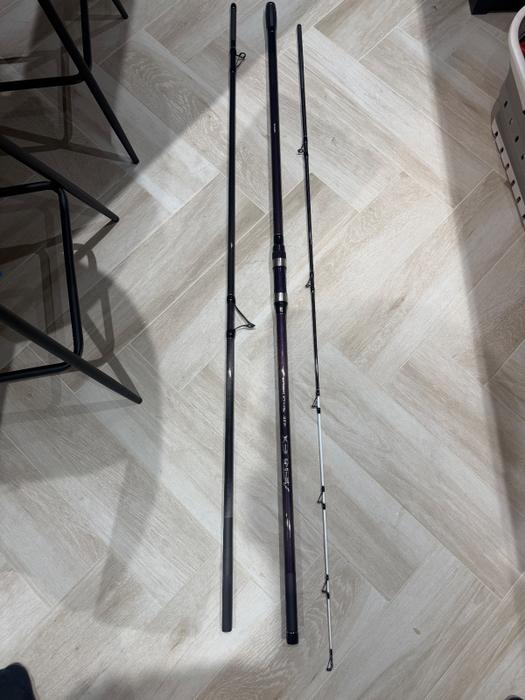
Shimano Aerlex 425cx Tublar 3 Piece Beach / Surf Rod Fishing Rod
£99.00
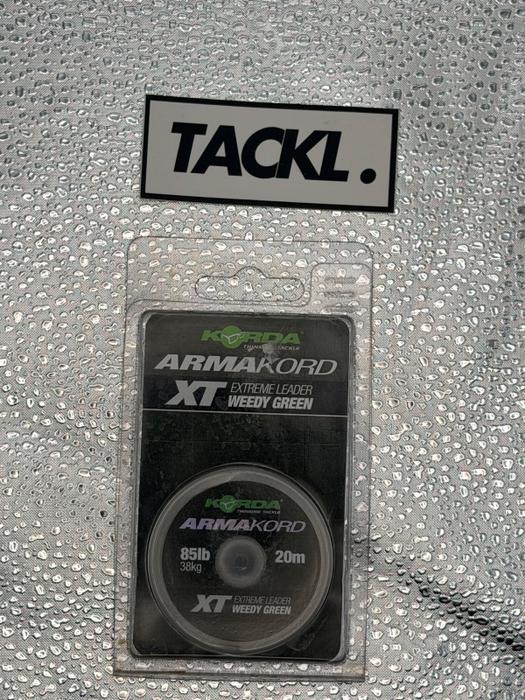
Korda Armakord extreme leader weedy green
£10.00
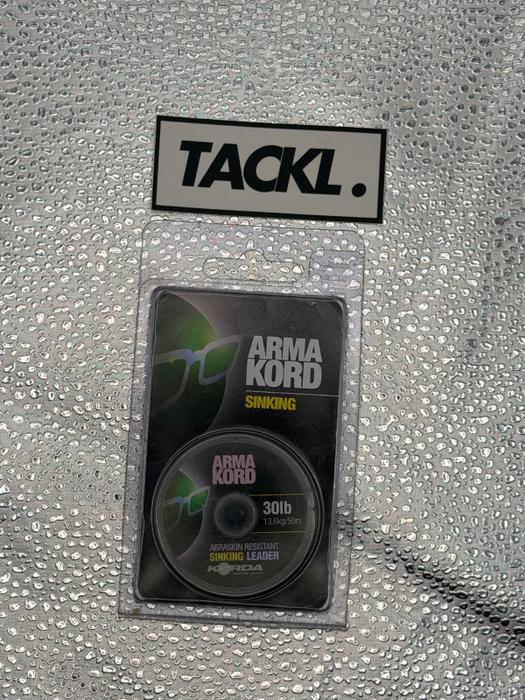
Korda Armamord sinking leader
£15.00
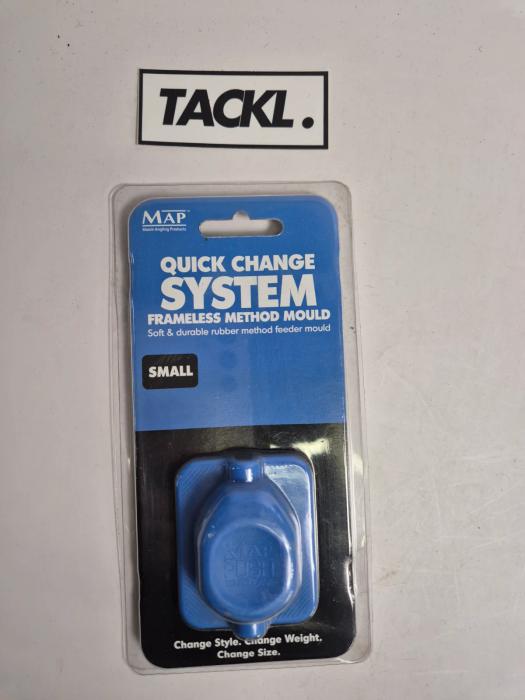
MAP quick change system frameless method mould small
£2.00
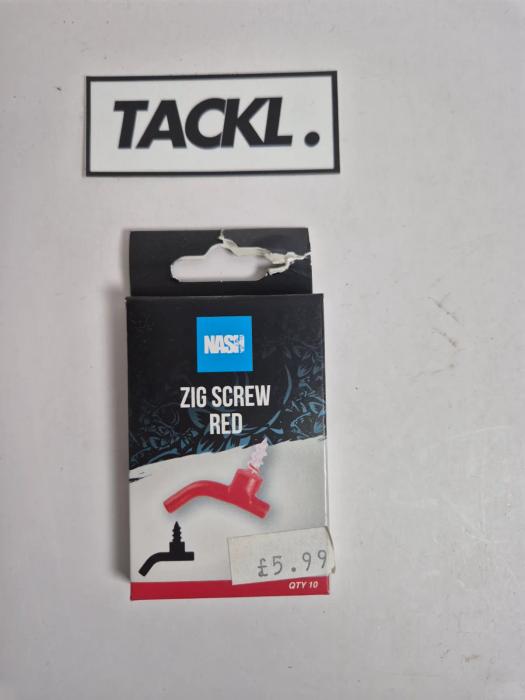
Nash zig screw red
£4.00
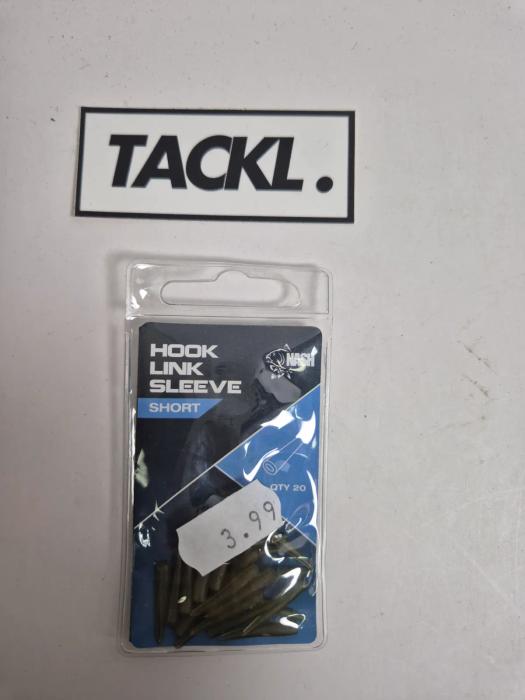
Nash hook link sleeve short
£2.50
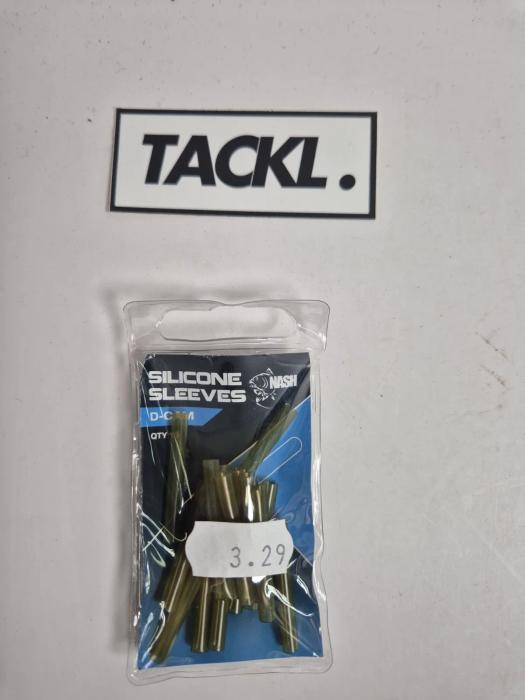
Nash silicone sleeve d_cam
£2.00
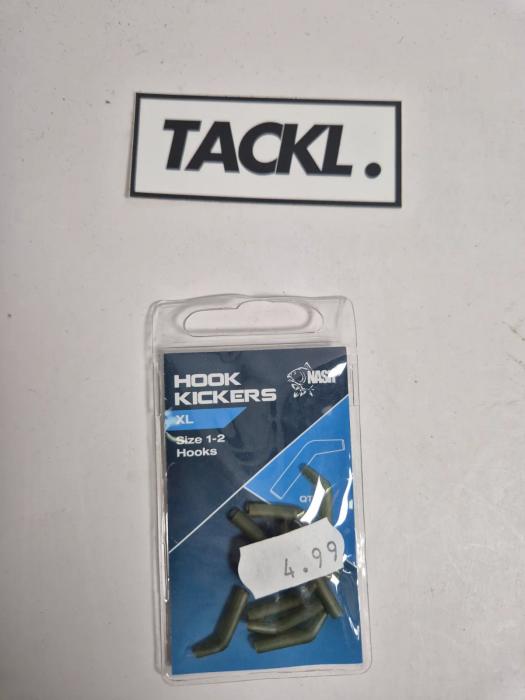
Nash hook kickers
£3.00
Brill guides
Brill fishing questions
How do I tell a brill from a turbot?
Brill are more oval and have smooth skin with small scales, plus frilly, branched rays at the front of the dorsal fin. Turbot are more diamond-shaped and have bony knobs on the upper side instead of scales. Both are left-eyed, so the shape and skin are the best guides.
Can you eat brill?
Yes, brill are excellent eating, with delicate, sweet white flesh that is highly regarded. They can be cooked whole, baked or filleted. Only keep what you need, and check the size and bag rules for your area below before keeping any fish.
What is the best bait for brill from the shore?
Fresh or well-frozen sandeel, whole or in sections, is the top bait. Mackerel strip and small whole fish also work well. Fishing these on a pulley pennel or running leger on sandy beaches at dawn or dusk gives the best chances of a brill.


