

Dover Sole Fishing UK
By Tackl · Updated 30 October 2026

Solea solea
The Dover sole is a small, oval flatfish that feeds mainly at night over sand and mud. It is a prized catch for summer beach anglers, partly because it is one of the finest fish you can eat and partly because it takes some skill to catch, with small hooks, fresh worm baits and patient night sessions.
Photo: Hans Hillewaert, CC BY-SA 4.0, via Wikimedia Commons
- Typical size
- 8oz–1lb from the shore; a fish over 2lb is a specimen.
- From the shore
- Sandy and muddy beaches at night
- Found in
- sea
- Peak season
- Summer, especially warm nights
How to identify a dover sole
A right-eyed flatfish, so with the eyes on the right side when the fish lies dark side up. The body is a long oval with a rounded snout and a small, curved mouth set low on the head. The upper side is greyish to mid brown with darker blotches, and the tip of the pectoral fin on the dark side carries a distinctive black spot. The dorsal and anal fins run almost the whole length of the body. Plaice and dab have more pointed heads and straight mouths. Sand sole look very similar, but have an enlarged rosette-shaped nostril on the white underside, where the Dover sole's is small.
Where it lives
Sole live on sandy, muddy and mixed ground, often in fairly shallow water, and move close inshore on warm summer nights. The best shore marks are low-lying sand and shingle beaches with a gentle slope, the mouths of estuaries, and sheltered bays, especially after dark on calm or slightly coloured seas. They are most often caught along the south coast, in south-west England and around Wales, becoming scarcer further north, though they turn up along much of the English coast.
What it eats and the best baits
Sole hunt by smell and touch rather than sight, feeding on worms, small shellfish, shrimps and other tiny crustaceans buried in the sand and mud. That is why fresh lugworm and ragworm are such good baits: they are exactly what sole are already rooting out, they give off plenty of scent, and they can be presented on small hooks that suit the sole's little mouth.
- Lugworm
- Ragworm
- Harbour ragworm
- White ragworm
- Razor clam
- Peeler crab
Best time of year
- Jan – quieter
- Feb – quieter
- Mar – quieter
- Apr – quieter
- May – good
- Jun – good
- Jul – good
- Aug – good
- Sep – good
- Oct – good
- Nov – quieter
- Dec – quieter
Typical best months for shore anglers in England and Wales. What's in season
How to catch dover sole
A two-hook flapper rig or a long-snood paternoster with fine-wire size 4–6 Aberdeen or long-shank hooks is the standard set-up. Small, neat baits catch better than big sausages of worm, so thread a short length of lugworm or ragworm up the hook and leave a little tail. Use a grip lead of 3–5oz depending on the tide, and a beachcaster or lighter bass rod with a sensitive tip. Sole often feed surprisingly close in, so do not always cast to the horizon. The best fishing is usually after dark on warm summer nights, on a flooding tide, and calm conditions after a little swell has coloured the water can be excellent. Bites are small rattles and gentle nods rather than big pulls, so give them a little time to take the bait before lifting into them.
Size and bag rules
| Area | Rule | Source |
|---|---|---|
| Eastern IFCA | Minimum size 24cm | Official page |
| Kent & Essex IFCA | Minimum size 24cm | Official page |
| North Eastern IFCA | Minimum size 24cm | Official page |
| North Western IFCA | Minimum size 24cm | Official page |
Other areas (no confirmed number for this species yet): Northumberland IFCA, Sussex IFCA, Southern IFCA, Devon & Severn IFCA, Cornwall IFCA, Isles of Scilly IFCA, Wales, Scotland, Northern Ireland.
Rules last checked 23 October 2026. Rules change, especially for bass: always check the official source before keeping a fish. All sea fishing rules
Handling and release
Sole have a small mouth and can swallow small hooks, so strike bites reasonably promptly and carry forceps or a disgorger. Handle them with wet hands, support the flat body rather than squeezing it, and unhook gently. Fish you are returning should go back quickly, low to the water, while still lively. If you keep one, check the size and bag rules for your area below.
Best shore marks for dover sole
Where to catch dover sole in the UK
We don't have venues confirmed for dover sole yet. Browse all venues.
Tackle for dover sole
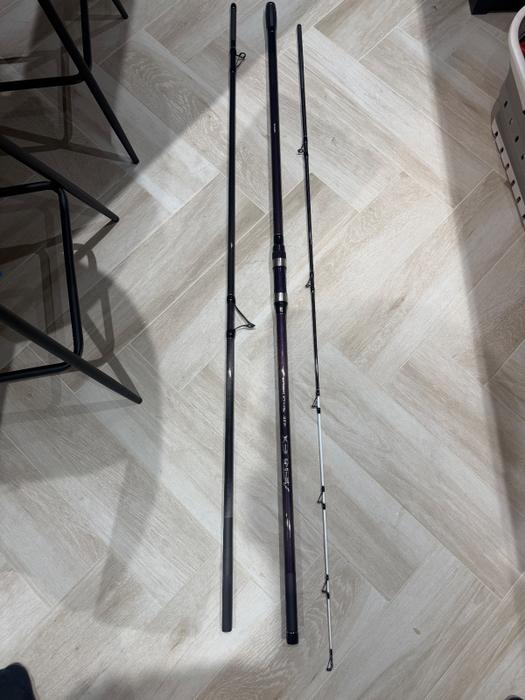
Shimano Aerlex 425cx Tublar 3 Piece Beach / Surf Rod Fishing Rod
£99.00
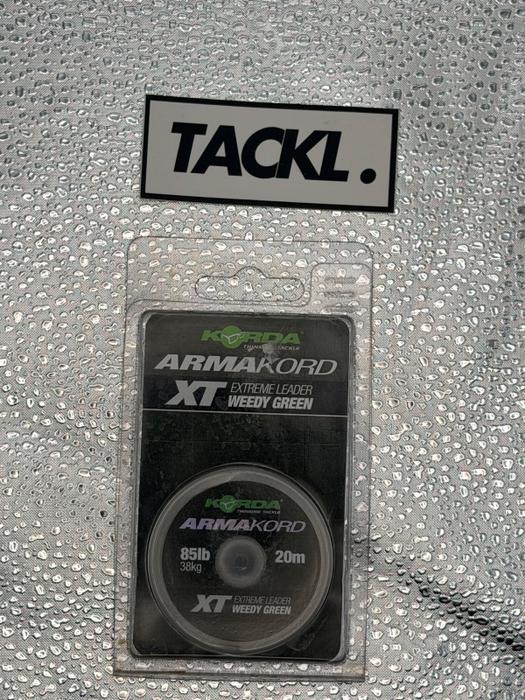
Korda Armakord extreme leader weedy green
£10.00
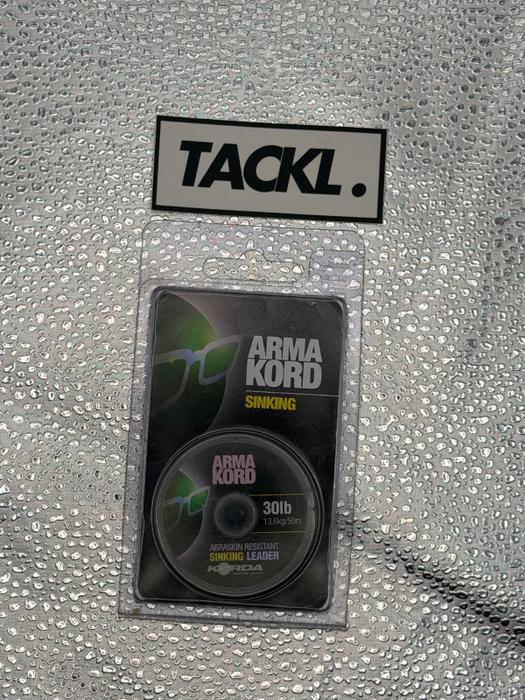
Korda Armamord sinking leader
£15.00
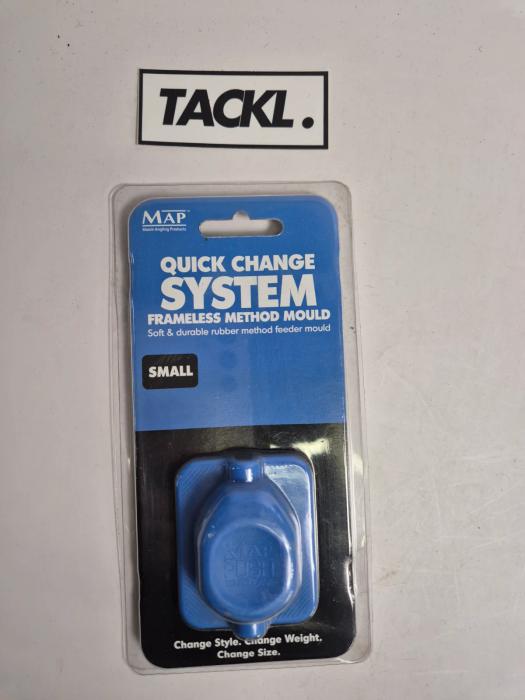
MAP quick change system frameless method mould small
£2.00
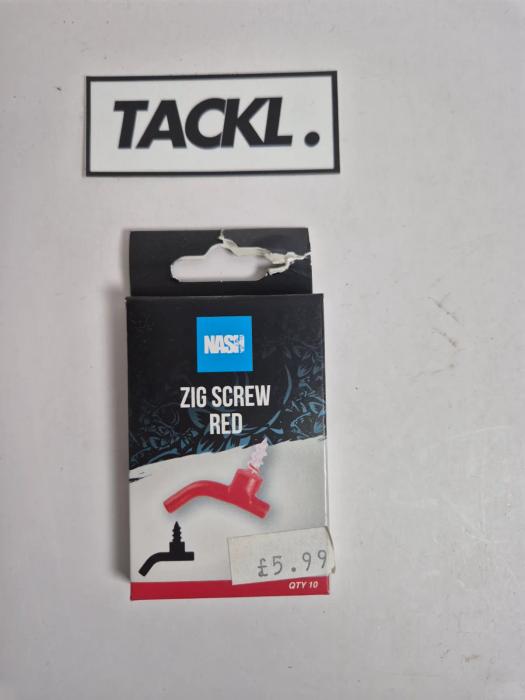
Nash zig screw red
£4.00
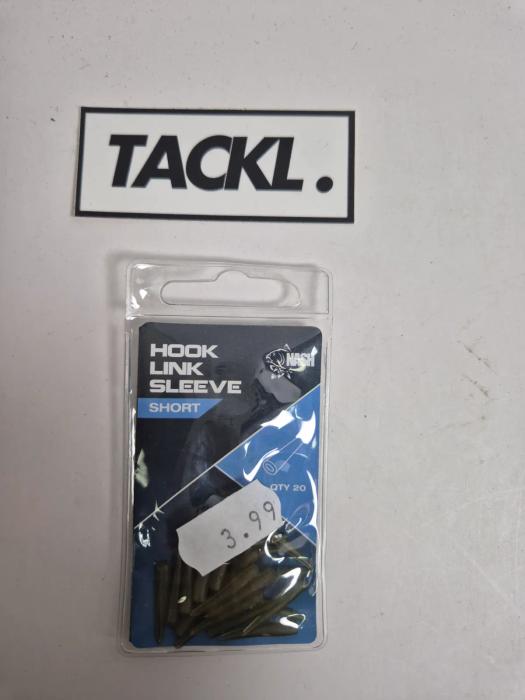
Nash hook link sleeve short
£2.50
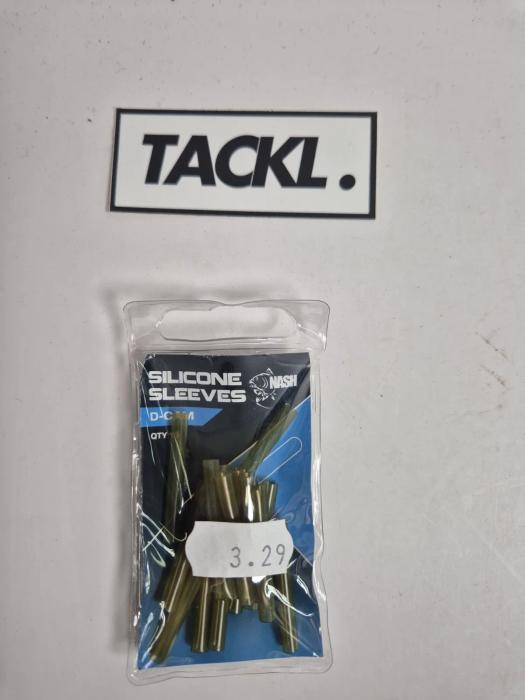
Nash silicone sleeve d_cam
£2.00
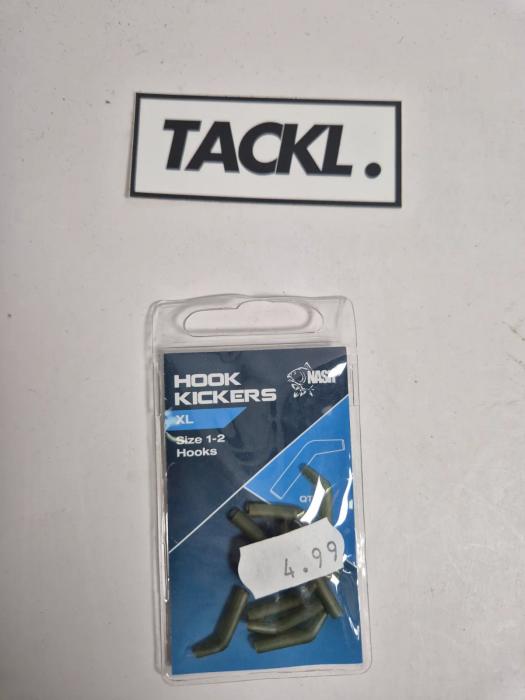
Nash hook kickers
£3.00
Dover Sole guides
Dover Sole fishing questions
What is the best bait for sole from the beach?
Fresh lugworm and ragworm are the top baits, fished in small, neat portions on size 4–6 fine-wire hooks. Harbour ragworm and white ragworm can be very good, too. The key is freshness and presentation rather than size, because sole have small mouths and feed largely by scent along the seabed.
Do you have to fish at night for sole?
Not always, but the vast majority of shore-caught sole come after dark. They feed most actively at night, moving into shallow water to forage. Warm, settled summer nights with a flooding tide are usually best, and a slightly coloured sea can bring them on the feed during daylight as well, especially at dusk.
How do I tell a Dover sole from a sand sole?
They look very alike. Turn the fish over and check the nostril on the white underside: in the sand sole it is enlarged into a small rosette, while in the Dover sole it is small and simple. The Dover sole also has a clear black spot at the tip of its pectoral fin.


