

Turbot Fishing UK
By Tackl · Updated 30 October 2026

Scophthalmus maximus
Turbot are large, broad flatfish prized by anglers and cooks alike. Most are caught from boats, but in summer shore anglers on sandy beaches and banks occasionally connect with one, especially where sandeels gather. A shore-caught turbot is a real prize and a highlight of any summer beach session.
Photo: Luc Viatour, CC BY-SA 3.0, via Wikimedia Commons
- Typical size
- 2–5lb from the shore; a fish over 8lb is a specimen.
- From the shore
- Sandy beaches, sandbanks
- Found in
- sea
- Peak season
- Summer
How to identify a turbot
Turbot are left-eyed flatfish, so with the dark side facing you and the head up, the eyes sit on the left. The body is very broad, almost circular or diamond-shaped, and the upper side is brown or grey with darker and lighter mottling. There are no scales, but the upper side is covered in scattered bony knobs or tubercles. Brill are the main look-alike: they are more oval, have smooth, scaled skin without the bony knobs and the first dorsal rays are branched and frilly. Other flatfish such as plaice and flounder are right-eyed.
Where it lives
Turbot live over clean sand, gravel and shell, often near sandbanks, tide races and the edges of channels where sandeels and small fish gather. In summer, some move into shallow water within casting range of surf beaches and steep sandy shores. They are found around much of the UK, with most shore catches coming from the south-west of England, the English Channel, Wales and parts of Ireland. Beaches with strong sandeel populations are the best bet.
What it eats and the best baits
Turbot are predators that feed mainly on small fish, especially sandeels, plus small flatfish, gobies, sprats and some crustaceans. They lie camouflaged on the bottom and ambush prey that comes within reach. A sandeel, fresh or frozen, matches their natural food closely, and small fish such as sprats or mackerel strip give off a strong scent trail that draws them in.
- Sandeel
- Mackerel strip
- Sprat
- Launce
- Squid
- Sandeel lures
Best time of year
- Jan – quieter
- Feb – quieter
- Mar – quieter
- Apr – quieter
- May – good
- Jun – good
- Jul – good
- Aug – good
- Sep – good
- Oct – quieter
- Nov – quieter
- Dec – quieter
Typical best months for shore anglers in England and Wales. What's in season
How to catch turbot
A long-trace running ledger or a pulley rig with a single 2/0 to 4/0 hook presents a sandeel or fish bait naturally in the tide. Many anglers use a long flowing trace of a metre or more to let the bait move. A 13 to 15ft beachcaster with 5 to 6oz grip leads holds bottom on surf beaches, while a bass rod and lighter lead suit calmer days. Spinning with sandeel-imitation lures close to sandbanks occasionally produces a turbot too. Fish the flood tide and the first of the ebb on beaches with sandeels, with dawn, dusk and after dark often best. Bites can be a few firm knocks and a slow, steady pull. Give the fish time to take the bait properly, then lift into it and keep a steady pressure as it uses its broad body against you.
Size and bag rules
| Area | Rule | Source |
|---|---|---|
| Cornwall IFCA | Minimum size 30cmFrom byelaws Cornwall IFCA inherited; some rivers and estuaries aren't covered. Check the official page. | Official page |
| North Western IFCA | Minimum size 30cm | Official page |
Other areas (no confirmed number for this species yet): Northumberland IFCA, North Eastern IFCA, Eastern IFCA, Kent & Essex IFCA, Sussex IFCA, Southern IFCA, Devon & Severn IFCA, Isles of Scilly IFCA, Wales, Scotland, Northern Ireland.
Rules last checked 23 October 2026. Rules change, especially for bass: always check the official source before keeping a fish. All sea fishing rules
Handling and release
Turbot are slow to mature, so consider returning any small fish. Use a landing net if possible and handle with wet hands, supporting the full body rather than holding it by the head or gill cover. Lay it on a wet, smooth surface away from dry sand. Unhook quickly with forceps or pliers and return it gently, letting it swim down.
Where to catch turbot in the UK
We don't have venues confirmed for turbot yet. Browse all venues.
Tackle for turbot
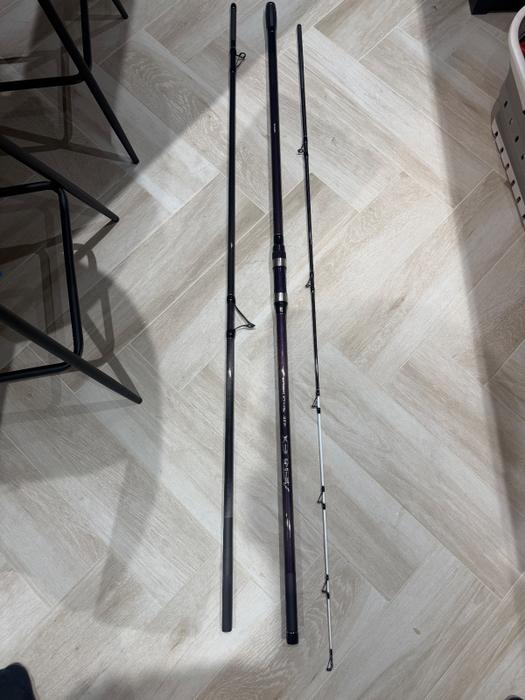
Shimano Aerlex 425cx Tublar 3 Piece Beach / Surf Rod Fishing Rod
£99.00
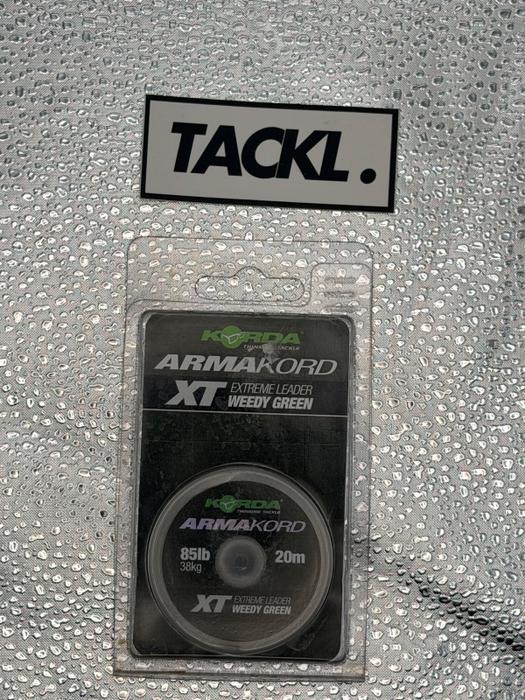
Korda Armakord extreme leader weedy green
£10.00
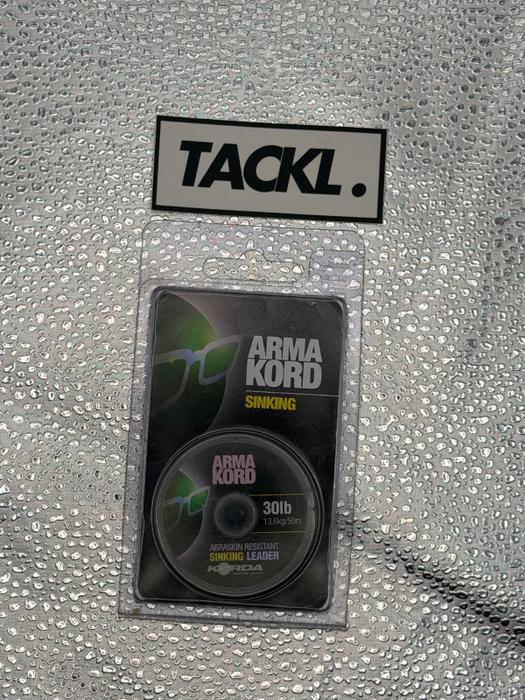
Korda Armamord sinking leader
£15.00
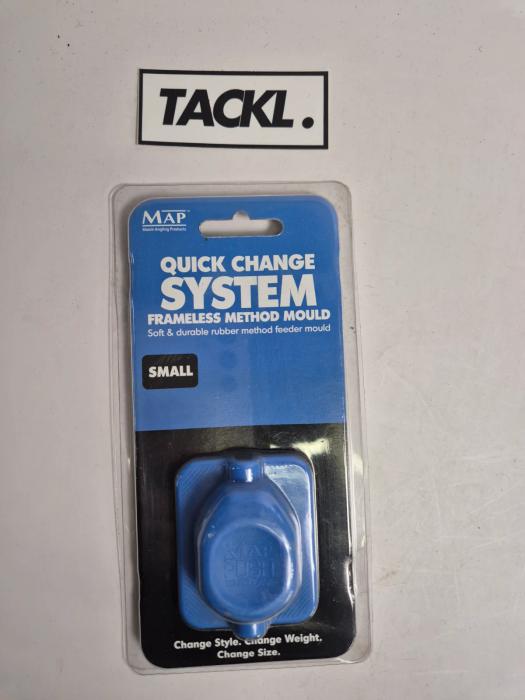
MAP quick change system frameless method mould small
£2.00
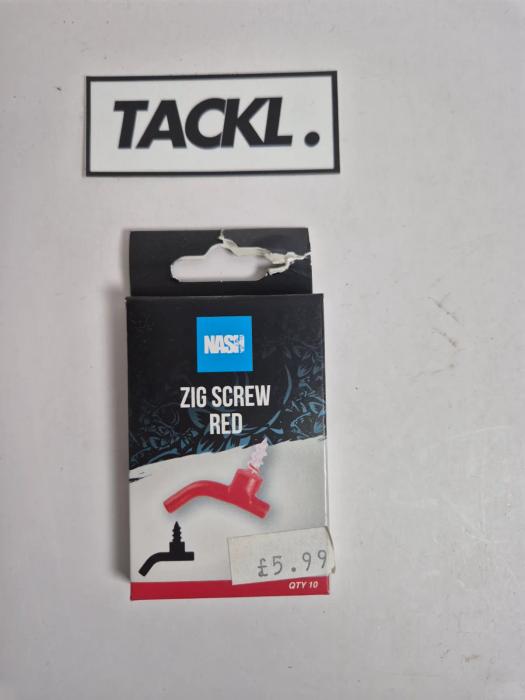
Nash zig screw red
£4.00
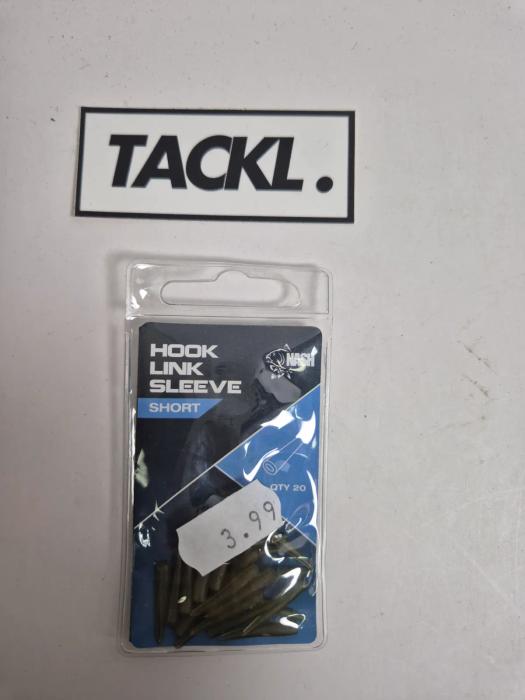
Nash hook link sleeve short
£2.50
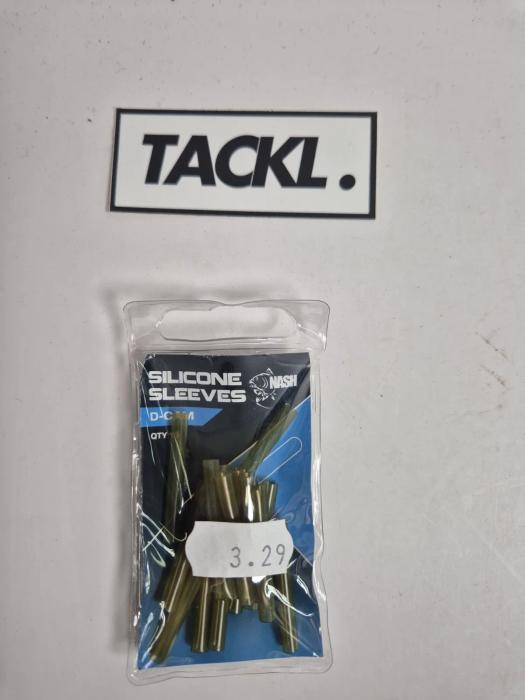
Nash silicone sleeve d_cam
£2.00
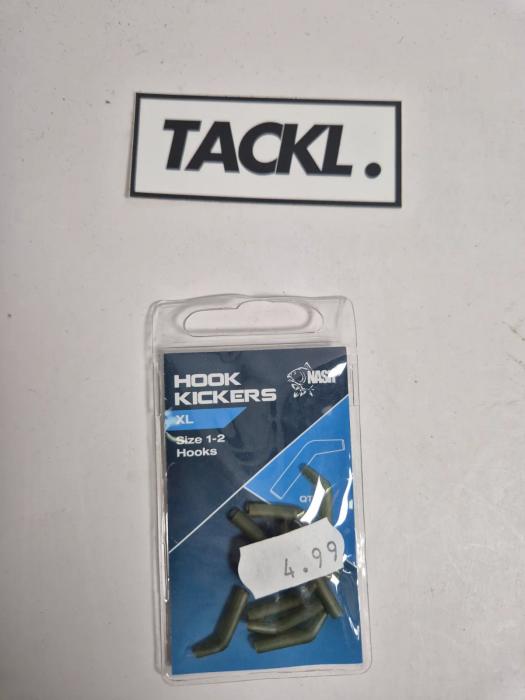
Nash hook kickers
£3.00
Turbot guides
Turbot fishing questions
Can you catch turbot from the shore?
Yes, though they are not a common shore catch. Most shore turbot are caught on sandy surf beaches or near sandbanks in summer, where sandeels gather. Fishing a fresh sandeel on a long flowing trace in the south-west, Wales or the Channel coast gives the best chance.
How do I tell a turbot from a brill?
Turbot are broader, almost round, with no scales and scattered bony knobs on the upper side. Brill are more oval, have smooth, scaly skin without bony knobs and branched, frilly first dorsal fin rays. Both are left-eyed, so eye side alone does not separate them.
Is turbot good to eat?
Turbot is one of the finest eating fish there is, with firm, white, delicately flavoured flesh. It is excellent baked, grilled or poached. If you catch one you want to keep, make sure you check the size and bag rules for your area below.


