

Plaice Fishing UK
By Tackl · Updated 30 October 2026

Pleuronectes platessa
Plaice are the UK's best-known flatfish, instantly recognised by the bright orange spots on their brown backs. Shore anglers target them from spring to early autumn on sandy beaches and banks, where they give a satisfying scrap on light tackle and rank among the tastiest fish you can catch.
Photo: Hans Hillewaert, CC BY-SA 4.0, via Wikimedia Commons
- Typical size
- 1–2lb from the shore; a fish over 3lb is a specimen.
- From the shore
- Sandy beaches, sandbanks
- Found in
- sea
- Peak season
- Spring and summer
How to identify a plaice
Plaice are right-eyed flatfish, so with the dark side facing you and the head up, the eyes sit on the right. The upper side is brown with clear orange or red spots, and the underside is white. A row of four to seven bony knobs runs behind the eyes on the head, and the skin feels smooth. Flounder can have faint orange marks, but they feel rough along the lateral line and fin bases and lack the bony head knobs. Dab are smaller, rough-skinned when stroked from tail to head and have a lateral line that curves sharply over the pectoral fin.
Where it lives
Plaice live on clean sand, fine gravel and muddy sand, often near mussel beds, worm beds and sandbanks. Shore anglers find them on gently shelving sandy beaches, in sheltered bays and around the edges of channels and estuary mouths. They are found all around the UK, with good shore fishing in parts of the south and south-west of England, Wales, the north-west and Scotland. After spawning in late winter they move inshore to feed hard through spring and summer.
What it eats and the best baits
Plaice feed on the bottom, eating worms, small shellfish such as razor clams, cockles and mussels, plus shrimps and small crabs. Lugworm and ragworm match their natural food and release plenty of scent. Mussel is a traditional bait in spring, when plaice graze shellfish beds to regain condition after spawning, and it is often used as a cocktail with worm.
- Lugworm
- Ragworm
- Mussel
- Razor clam
- Peeler crab
- Squid
Best time of year
- Jan – quieter
- Feb – quieter
- Mar – quieter
- Apr – good
- May – good
- Jun – good
- Jul – good
- Aug – good
- Sep – good
- Oct – quieter
- Nov – quieter
- Dec – quieter
Typical best months for shore anglers in England and Wales. What's in season
How to catch plaice
Light beach gear is ideal: an 11 to 13ft rod casting 3 to 5oz, or even a bass or bait rod on calm days. A two-hook flapper or a long-snood running rig works well, as plaice like a bait that moves slightly in the tide. Use size 2 to 1/0 long-shank hooks and add a few coloured beads, sequins or a small spoon above the hook, which plaice find hard to resist. Fishing a little closer than you might expect often pays, especially on the edges of gullies and sandbanks. Daytime fishing is productive, with the flood tide and the first of the ebb usually best. Slowly retrieving the lead a few turns every few minutes can trigger takes. Bites tend to be slow and deliberate, a few knocks then a steady pull, so give the fish time to take the bait.
Size and bag rules
| Area | Rule | Source |
|---|---|---|
| Eastern IFCA | Minimum size 27cm | Official page |
| Kent & Essex IFCA | Minimum size 27cm | Official page |
| North Eastern IFCA | Minimum size 27cm | Official page |
| North Western IFCA | Minimum size 27cm | Official page |
Other areas (no confirmed number for this species yet): Northumberland IFCA, Sussex IFCA, Southern IFCA, Devon & Severn IFCA, Cornwall IFCA, Isles of Scilly IFCA, Wales, Scotland, Northern Ireland.
Rules last checked 23 October 2026. Rules change, especially for bass: always check the official source before keeping a fish. All sea fishing rules
Handling and release
Handle plaice with wet hands and support the whole body, laying the fish on a wet, smooth surface rather than dry sand or shingle. Use long-shank hooks, which make unhooking easier, and forceps if the hook is deep. Return undersized or unwanted fish quickly and lower them gently into the water. Avoid holding them by the gill cover or jaw.
Best shore marks for plaice
Where to catch plaice in the UK
We don't have venues confirmed for plaice yet. Browse all venues.
Tackle for plaice
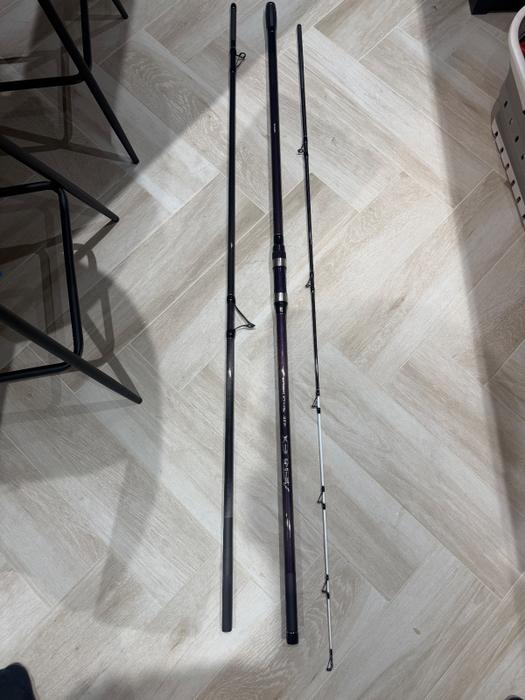
Shimano Aerlex 425cx Tublar 3 Piece Beach / Surf Rod Fishing Rod
£99.00
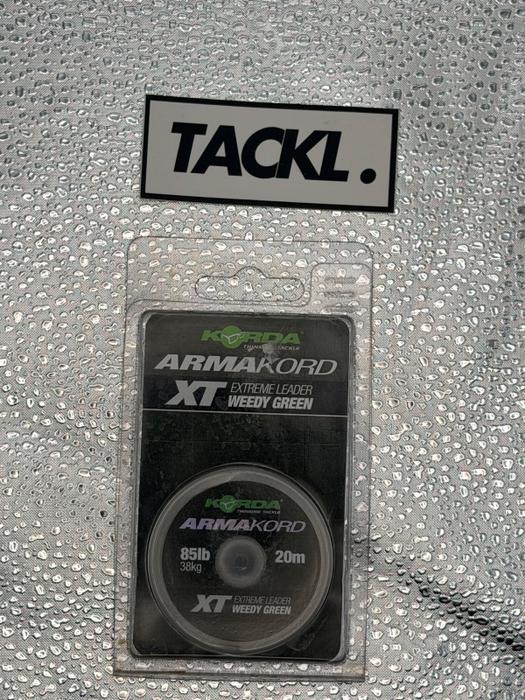
Korda Armakord extreme leader weedy green
£10.00
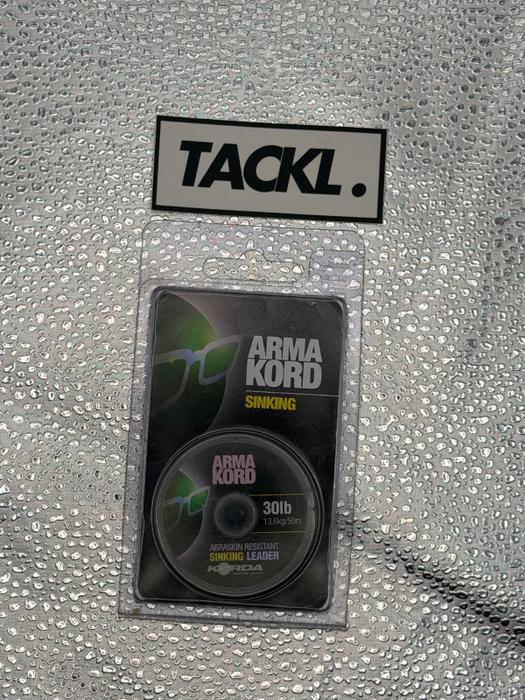
Korda Armamord sinking leader
£15.00
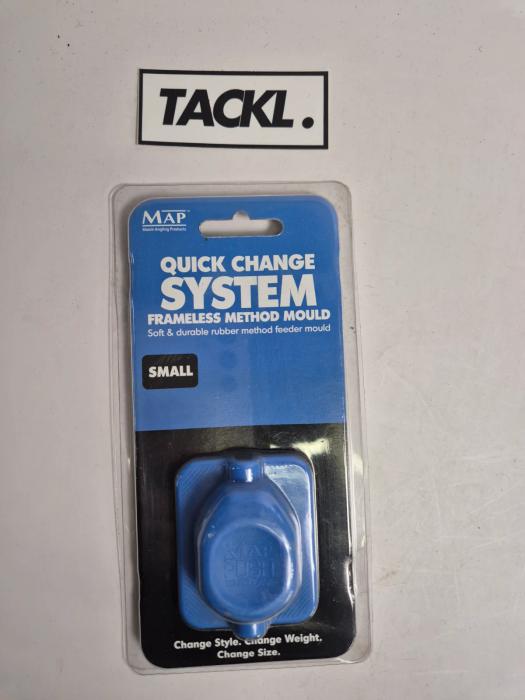
MAP quick change system frameless method mould small
£2.00
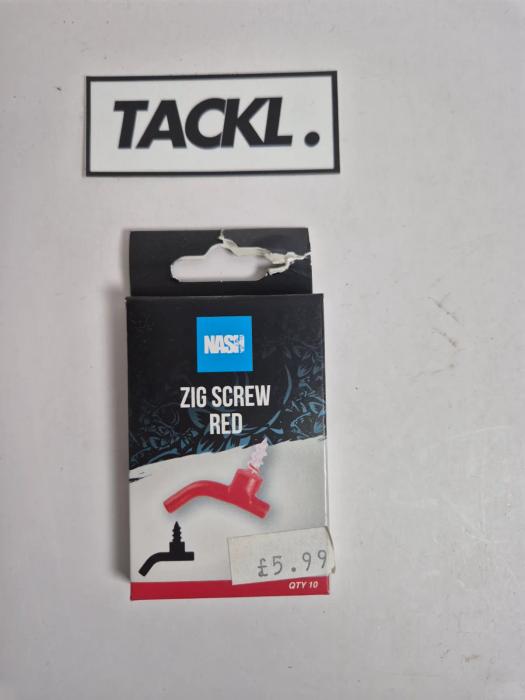
Nash zig screw red
£4.00
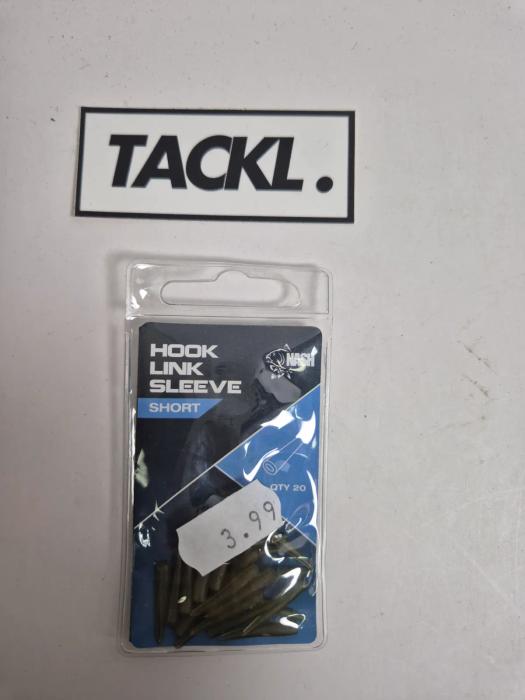
Nash hook link sleeve short
£2.50
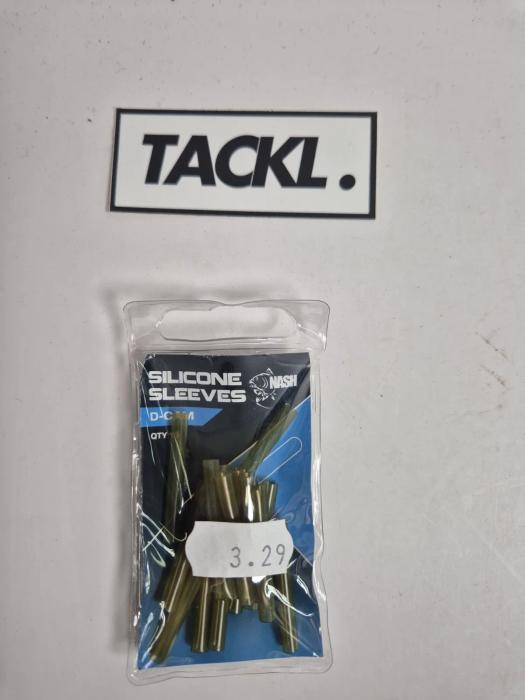
Nash silicone sleeve d_cam
£2.00
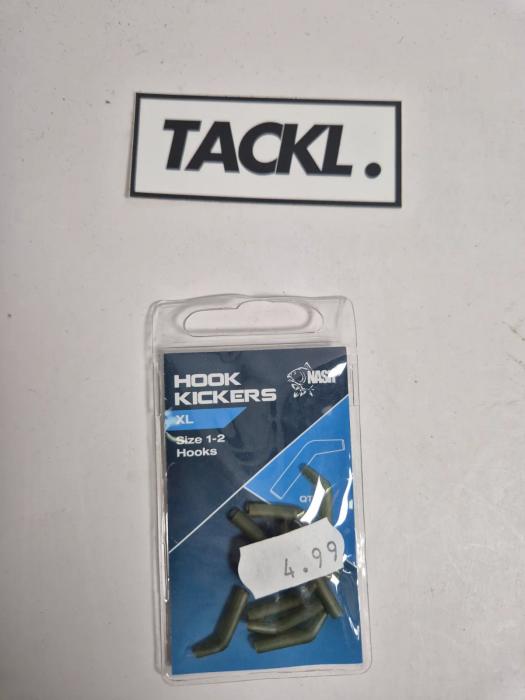
Nash hook kickers
£3.00
Plaice guides
Plaice fishing questions
What is the best bait for plaice?
Lugworm and ragworm are the most reliable, often tipped with a slither of squid or a piece of mussel. Many anglers swear by adding beads or sequins above the hook. In spring, mussel fished near shellfish beds can be especially good, as plaice feed heavily on them after spawning.
How do I tell a plaice from a flounder?
Plaice have clear orange spots, a smooth skin and a row of bony knobs behind the eyes. Flounder lack those knobs and feel rough along the lateral line and the base of the fins. Flounder are also far more common in estuaries and fresher water, while plaice prefer clean saltwater sand.
Can you eat plaice?
Yes, plaice is one of the finest eating fish around the UK coast, with sweet, delicate white flesh. Fish caught in spring can be thin after spawning, so many anglers return those. If you keep one, check the size and bag rules for your area below.


