

Golden Grey Mullet Fishing UK
By Tackl · Updated 30 October 2026

Chelon auratus
The golden grey mullet is the smallest and most bait-friendly of the UK's three grey mullet species. Unlike its cousins, it often feeds in the surf on sandy beaches and takes worm baits readily. It gives a lively, determined fight on light tackle and is a rewarding summer and autumn target.
Photo: Diego Delso, CC BY-SA 4.0, via Wikimedia Commons
- Typical size
- 8oz–1.5lb from the shore; a fish over 2lb is a specimen.
- From the shore
- Surf beaches
- Found in
- sea
- Peak season
- Summer and early autumn
How to identify a golden grey mullet
A slim, silvery mullet with a grey-blue back, faint dark stripes along the flanks and a pointed head. The key feature is a golden patch on the gill cover and cheek, which is often bright. The lips are thin and the pectoral fins are fairly short, and it has two dorsal fins, the first with spines. Thick-lipped mullet have a much thicker upper lip with rows of small bumps. Thin-lipped mullet are very similar but usually have a dark spot or bar at the base of the pectoral fin and a less pronounced golden patch. Bass have one large, spiny dorsal fin and a bigger mouth.
Where it lives
Golden grey mullet are found mainly along the south coast, in south-west England and around Wales, with some fish further north in summer. Unlike other mullet, they often feed in the surf on clean sandy beaches, just beyond the breaking waves. They are also caught from rocky coves, harbours and estuary mouths. Surf beaches with gentle waves, clear water and warm conditions usually offer the best chances.
What it eats and the best baits
Golden grey mullet feed on small worms, shrimps, tiny crustaceans and other invertebrates in the sand, along with some algae and organic matter. Ragworm works because it is a natural food that matches what they forage for in the surf and gives off plenty of scent. Small baits on small hooks suit their modest mouths and cautious feeding.
- Ragworm
- Small ragworm sections
- Harbour ragworm
- Lugworm
- Baited spoon
Best time of year
- Jan – quieter
- Feb – quieter
- Mar – quieter
- Apr – quieter
- May – quieter
- Jun – good
- Jul – good
- Aug – good
- Sep – good
- Oct – good
- Nov – quieter
- Dec – quieter
Typical best months for shore anglers in England and Wales. What's in season
How to catch golden grey mullet
Light leger tactics on surf beaches are most effective. Use a light bass rod, spinning rod or quivertip rod with a 1–2oz lead and a long, fine trace of 6–8lb line. Small size 8–12 hooks baited with a section of ragworm, threaded on neatly, are ideal. Some anglers also use small spoons or spinners tipped with ragworm, retrieved slowly through the surf. Fish just behind the breaking waves on a flooding tide, and look for calm or gently surfing conditions with clear water. Late afternoon into dusk is often productive, as is the top of the tide. Bites are a series of sharp knocks and twitches on the rod tip. Strike positively but gently. Golden greys fight hard for their size, with fast runs and twisting dives, so use a soft drag.
Size and bag rules
| Area | Rule | Source |
|---|---|---|
| Cornwall IFCA | Minimum size 20cmListed as grey mullet. From byelaws Cornwall IFCA inherited; some rivers and estuaries aren't covered. Check the official page. | Official page |
Other areas (no confirmed number for this species yet): Northumberland IFCA, North Eastern IFCA, Eastern IFCA, Kent & Essex IFCA, Sussex IFCA, Southern IFCA, Devon & Severn IFCA, Isles of Scilly IFCA, North Western IFCA, Wales, Scotland, Northern Ireland.
Rules last checked 23 October 2026. Rules change, especially for bass: always check the official source before keeping a fish. All sea fishing rules
Handling and release
Mullet are slow-growing and can be delicate, so handle them with wet hands, support the body and keep them out of the water briefly. Use forceps for small hooks and avoid squeezing the fish or holding it by the jaw. Return fish quickly and gently, as many anglers practise catch and release with mullet to protect stocks.
Where to catch golden grey mullet in the UK
We don't have venues confirmed for golden grey mullet yet. Browse all venues.
Tackle for golden grey mullet
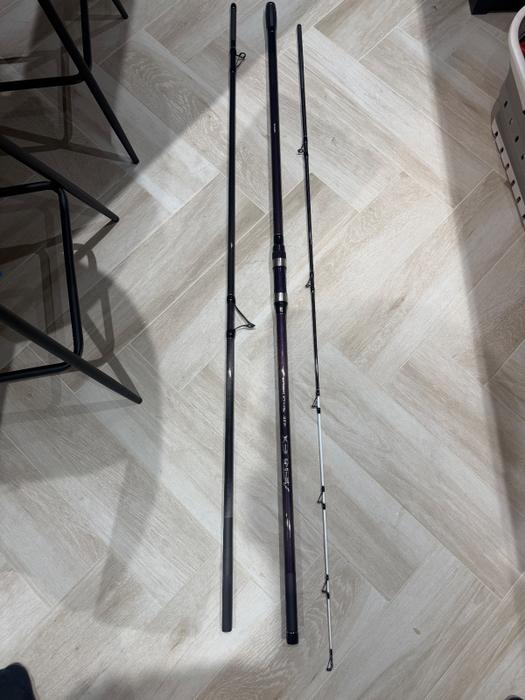
Shimano Aerlex 425cx Tublar 3 Piece Beach / Surf Rod Fishing Rod
£99.00
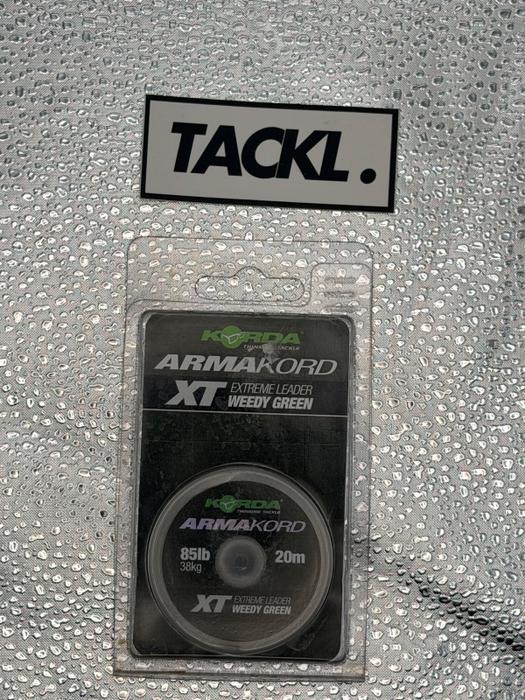
Korda Armakord extreme leader weedy green
£10.00
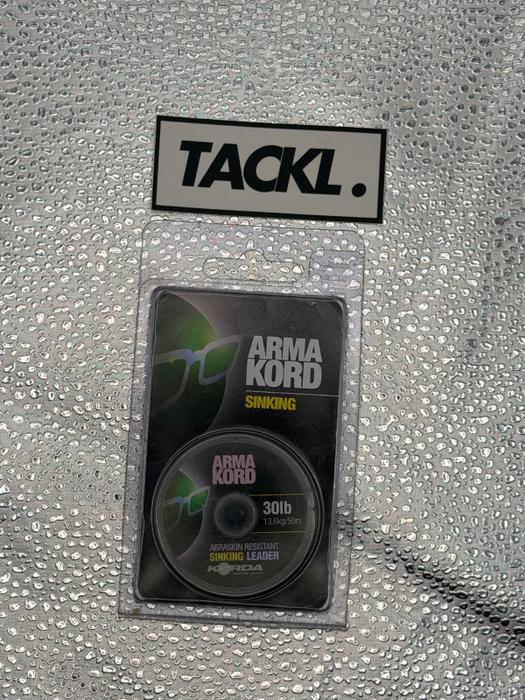
Korda Armamord sinking leader
£15.00
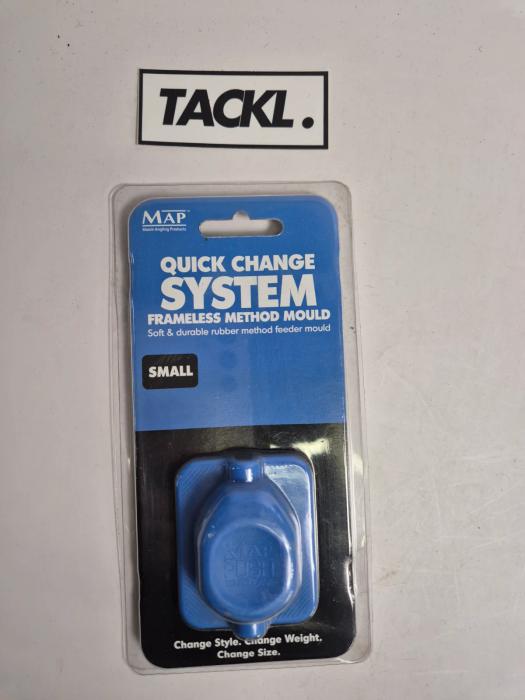
MAP quick change system frameless method mould small
£2.00
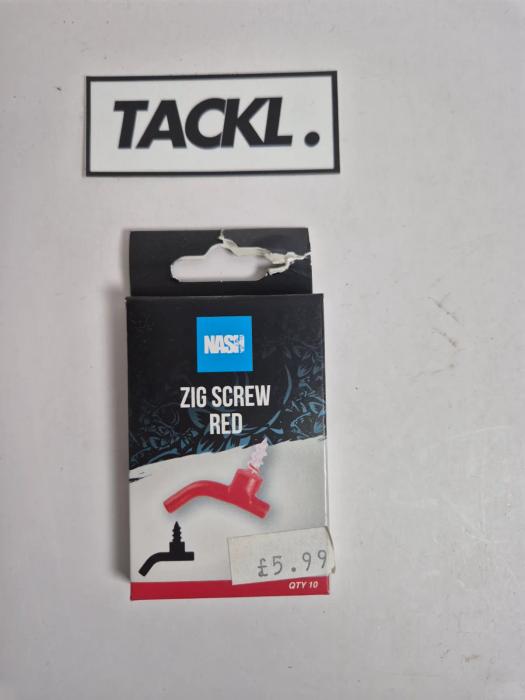
Nash zig screw red
£4.00
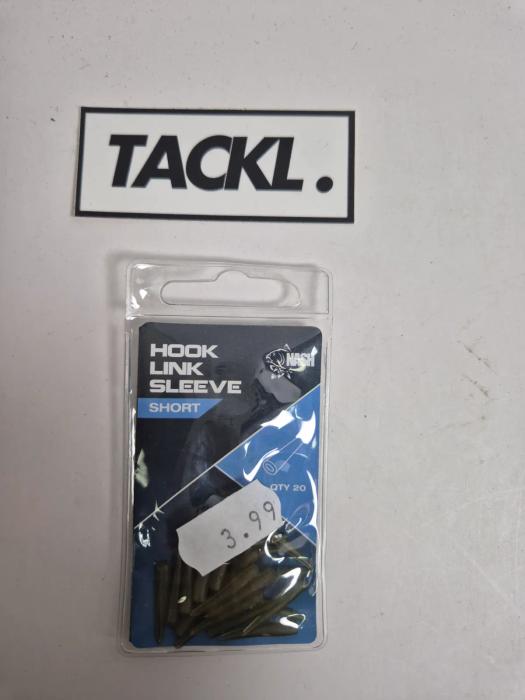
Nash hook link sleeve short
£2.50
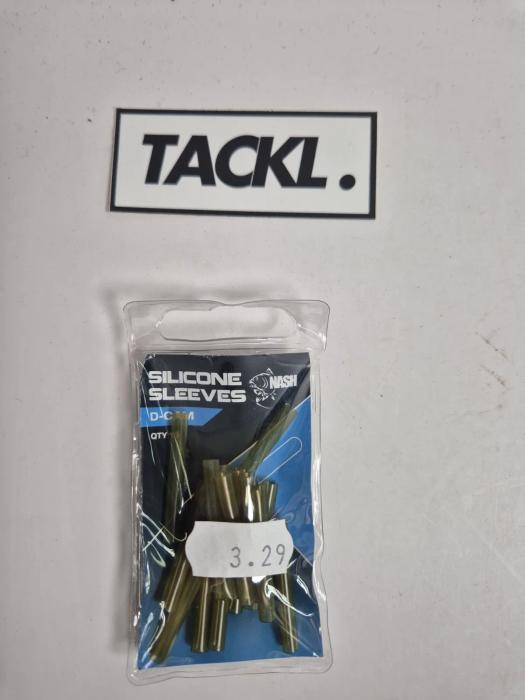
Nash silicone sleeve d_cam
£2.00
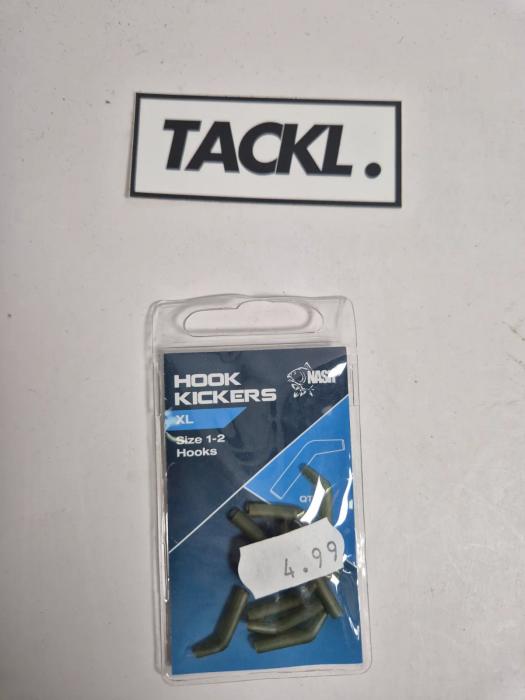
Nash hook kickers
£3.00
Golden Grey Mullet guides
Golden Grey Mullet fishing questions
How do I tell a golden grey mullet from a thin-lipped mullet?
Golden grey mullet have a bright golden patch on the gill cover and cheek, and lack the dark spot at the base of the pectoral fin that thin-lipped mullet usually have. Thin-lipped mullet are more often found in estuaries, while golden greys favour surf beaches.
What is the best bait for golden grey mullet?
Small sections of ragworm on size 8–12 hooks fished in the surf on a light leger are the most effective method. Some anglers use a small baited spoon tipped with ragworm, retrieved slowly. Keep baits small and neat to match the fish's modest mouth and cautious feeding behaviour.
Can you eat golden grey mullet?
They are edible, but mullet are slow-growing and many anglers prefer to return them. If you do keep one, it is best from clean water, prepared promptly and cooked fresh. Check the size and bag rules for your area below before keeping any fish.


