

Thick-lipped Grey Mullet Fishing UK
By Tackl · Updated 30 October 2026

Chelon labrosus
The thick-lipped grey mullet is the commonest large mullet in UK harbours and estuaries. Wary, powerful and often seen cruising near the surface, it is a challenging fish that rewards patience, fine tackle and a careful approach, and many anglers consider it one of the most satisfying shore fish to catch.
Photo: Roberto Pillon, CC BY 3.0, via Wikimedia Commons
- Typical size
- 2–4lb from the shore; a fish over 6lb is a specimen.
- From the shore
- Harbours, estuaries
- Found in
- sea, estuary
- Peak season
- Late spring to autumn
How to identify a thick-lipped grey mullet
Thick-lipped grey mullet have a torpedo-shaped body, a grey-blue back, silver flanks with faint grey stripes and two well-separated dorsal fins, the first with four spines. The best feature is the upper lip: it is deep, at least half the diameter of the eye, and the lower part is covered in small wart-like bumps. Thin-lipped grey mullet have a much narrower, smooth upper lip and usually a dark spot at the base of the pectoral fin. Golden grey mullet have a gold patch on the cheek and gill cover.
Where it lives
Thick-lipped mullet are found around the whole UK coast but are most numerous in the south and west. They frequent harbours, marinas, estuaries, sheltered bays and rocky coves, and often enter brackish water. Fish gather where food collects, such as around outfalls, moored boats and harbour walls, and often feed over mud and weed. They arrive inshore in good numbers in late spring and stay until the water cools in autumn.
What it eats and the best baits
Mullet graze on algae, diatoms, detritus and tiny invertebrates scraped from rocks, weed and mud, which is why they can be fussy. Bread works because they become used to scraps around harbours, and flake or crust drifts naturally. Small flies imitate the tiny food items they pick from the surface film, and small pieces of ragworm suit fish feeding over mud and weed.
- Bread flake
- Bread crust
- Ragworm
- Small flies
- Fish paste
- Harbour mash
Best time of year
- Jan – quieter
- Feb – quieter
- Mar – quieter
- Apr – quieter
- May – good
- Jun – good
- Jul – good
- Aug – good
- Sep – good
- Oct – good
- Nov – quieter
- Dec – quieter
Typical best months for shore anglers in England and Wales. What's in season
How to catch thick-lipped grey mullet
Fine tackle and stealth are key. A light float rod or 10 to 12ft match or feeder rod with 4 to 8lb line suits most marks. A small waggler or stick float presenting bread flake or a piece of ragworm on a size 10 to 6 hook is the classic method, fished just under the surface or at the depth fish are feeding. Introduce a groundbait mash of soaked bread, little and often, to draw mullet in and hold them. Freelined bread crust on the surface works when fish are cruising. Fly anglers use small flies on a light rod. Early morning, the evening and the flood tide are often best. Bites can be tiny dips of the float; strike gently and use a soft drag, as mullet fight powerfully and hooks can pull from their soft mouths.
Size and bag rules
| Area | Rule | Source |
|---|---|---|
| Cornwall IFCA | Minimum size 20cmListed as grey mullet. From byelaws Cornwall IFCA inherited; some rivers and estuaries aren't covered. Check the official page. | Official page |
| North Western IFCA | Minimum size 20cmListed as thick-lip mullet. | Official page |
Other areas (no confirmed number for this species yet): Northumberland IFCA, North Eastern IFCA, Eastern IFCA, Kent & Essex IFCA, Sussex IFCA, Southern IFCA, Devon & Severn IFCA, Isles of Scilly IFCA, Wales, Scotland, Northern Ireland.
Rules last checked 23 October 2026. Rules change, especially for bass: always check the official source before keeping a fish. All sea fishing rules
Handling and release
Mullet are slow growing and long lived, so please consider returning them. Use a landing net, handle with wet hands and support the body, keeping the fish out of the water only briefly. Unhook carefully, as their mouths are soft. Return them gently, holding them upright in the water until they swim off strongly.
Best shore marks for thick-lipped grey mullet
Where to catch thick-lipped grey mullet in the UK
We don't have venues confirmed for thick-lipped grey mullet yet. Browse all venues.
Tackle for thick-lipped grey mullet
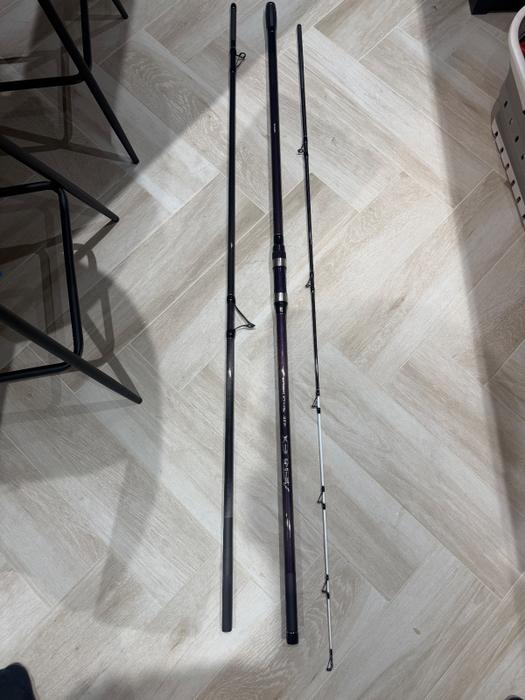
Shimano Aerlex 425cx Tublar 3 Piece Beach / Surf Rod Fishing Rod
£99.00
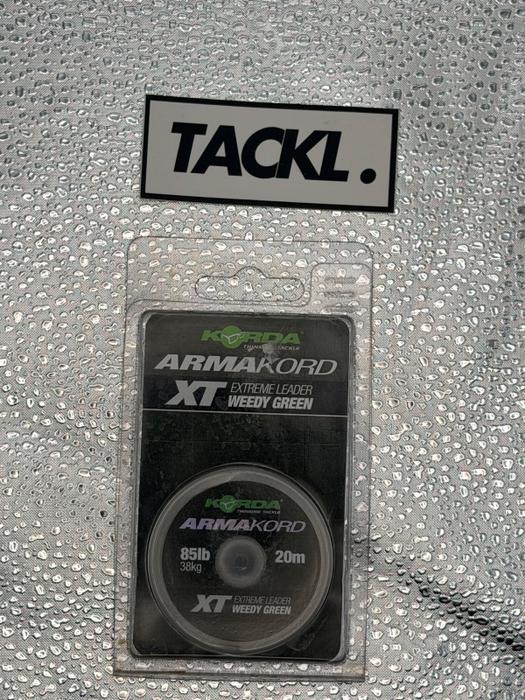
Korda Armakord extreme leader weedy green
£10.00
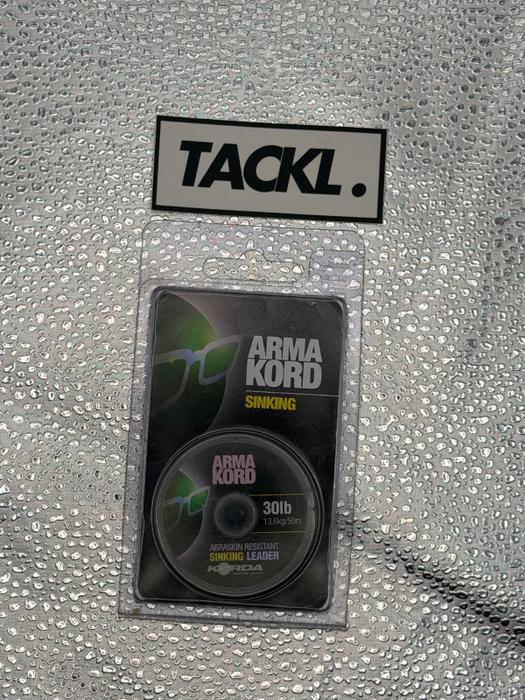
Korda Armamord sinking leader
£15.00
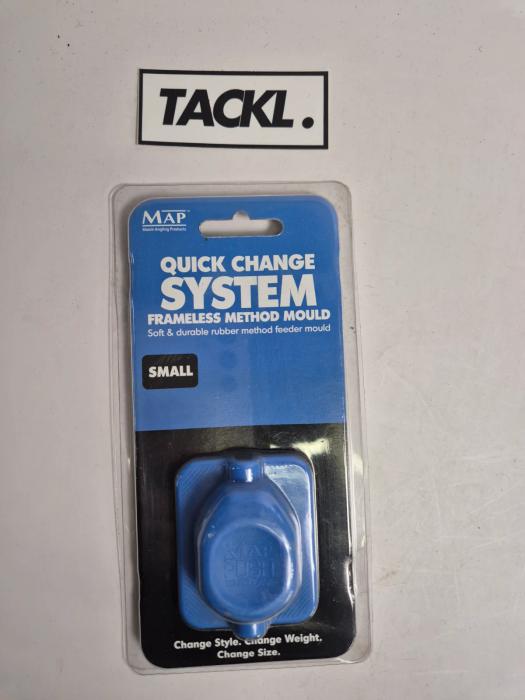
MAP quick change system frameless method mould small
£2.00
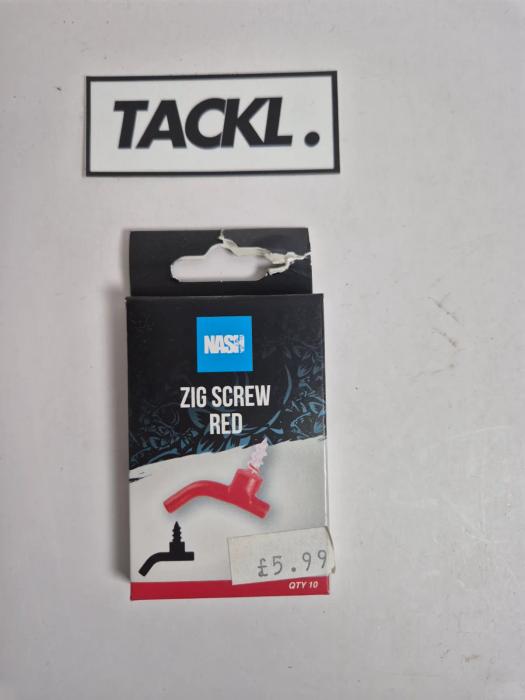
Nash zig screw red
£4.00
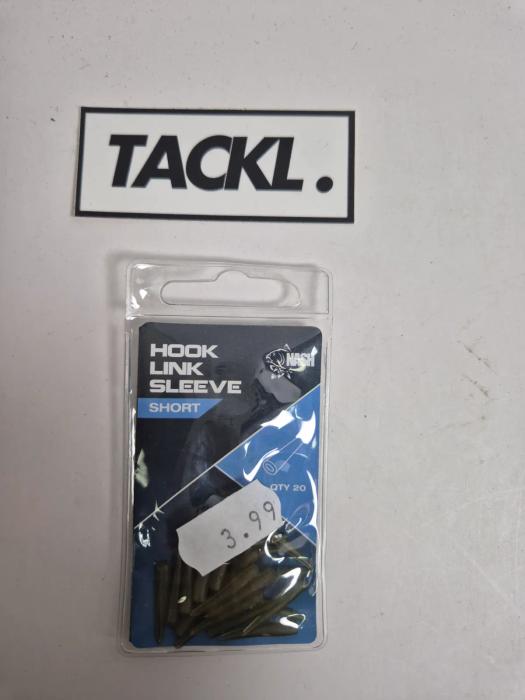
Nash hook link sleeve short
£2.50
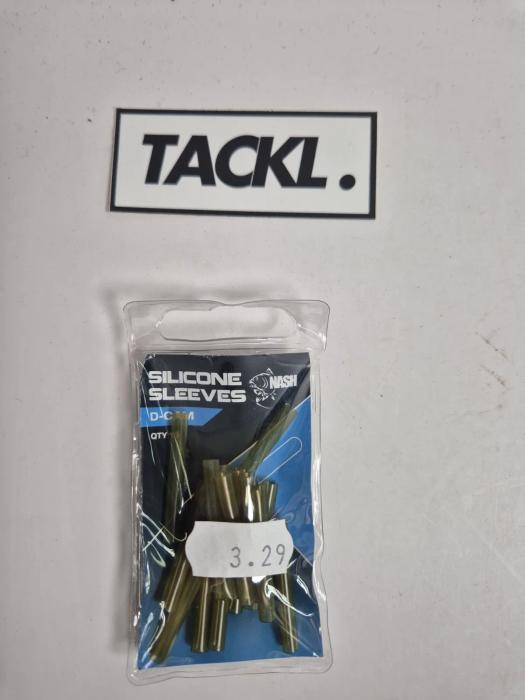
Nash silicone sleeve d_cam
£2.00
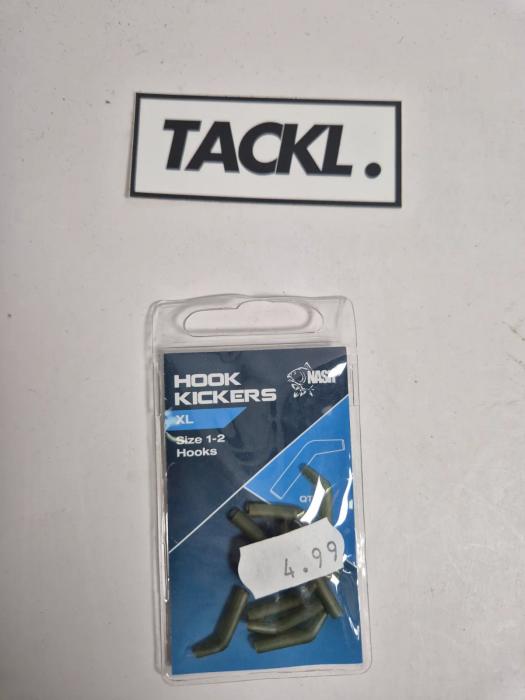
Nash hook kickers
£3.00
Thick-lipped Grey Mullet guides
Thick-lipped Grey Mullet fishing questions
What is the best bait for thick-lipped mullet?
Bread is the most reliable, either as flake under a small float or as crust freelined on the surface. Feed a mash of soaked bread to draw fish in. In some areas small pieces of ragworm or small flies work better, especially where mullet are not used to bread being thrown in.
How do I tell a thick-lipped mullet from a thin-lipped mullet?
Look at the upper lip. Thick-lipped mullet have a deep upper lip at least half the eye's width, with small bumps on its lower edge. Thin-lipped mullet have a narrow, smooth lip and often a dark spot at the base of the pectoral fin.
Why are mullet so hard to catch?
Mullet are naturally wary, feed on tiny food items and have soft mouths. They spook easily at shadows and heavy line, and often ignore baits that look unnatural. Fine line, small hooks, regular groundbaiting and patience are the keys to catching them consistently.


