

Spurdog Fishing UK
By Tackl · Updated 30 October 2026

Squalus acanthias
The spurdog is a slim, grey shark with a sharp spine in front of each dorsal fin. Once common, its numbers have fallen and it is now treated as a fish to return alive. Shore anglers catch spurdog mostly from deep-water marks in the colder months, when packs can move close inshore.
Photo: Doug Costa, NOAA/SBNMS, Public domain, via Wikimedia Commons
- Typical size
- 5–10lb from the shore; a fish over 15lb is a specimen.
- From the shore
- Deeper rocks and beaches
- Found in
- sea
- Peak season
- Autumn and winter
How to identify a spurdog
A slender, grey to brownish-grey shark, often with small white spots on the back and sides, especially in younger fish, and a pale belly. The snout is pointed, the eyes are large and greenish. There is a strong, sharp spine in front of each of the two dorsal fins, and there is no anal fin. The skin is rough. Smoothhounds have no spines and have an anal fin. Tope have no spines, a larger first dorsal fin, and an anal fin. Lesser spotted dogfish are spotty brown with no spines and have an anal fin.
Where it lives
Spurdog live in moderately deep water over sand, mud and mixed ground, and move in large packs, often sorted by size and sex. Shore anglers catch them mostly from deep-water rock marks, steep beaches and piers with deep water close in. They are most often caught from the shore in western Scotland, Wales, the Irish Sea, Ireland and parts of south-west England, especially in autumn and winter.
What it eats and the best baits
Spurdog hunt fish such as herring, mackerel, whiting and sandeels, and also take squid and crustaceans. Mackerel and squid baits work because they match their natural food and give off strong scent. Spurdog often hunt in packs, so a scented bait can attract several fish to the area.
- Mackerel
- Squid
- Herring
- Mackerel and squid cocktail
- Sandeel
- Whiting
Best time of year
- Jan – good
- Feb – good
- Mar – good
- Apr – quieter
- May – quieter
- Jun – quieter
- Jul – quieter
- Aug – quieter
- Sep – good
- Oct – good
- Nov – good
- Dec – good
In season now. Typical best months for shore anglers in England and Wales. What's in season
How to catch spurdog
Use a 13–15ft beachcaster with 18–25lb line and a shockleader. A pulley rig or running leger with a heavy mono trace of 60–80lb or a short wire trace protects against the spurdog's sharp teeth and rough skin. Hooks of 3/0–5/0, circle hooks if possible, baited with mackerel, squid or a mackerel and squid cocktail work well. Use a 5–6oz lead to hold bottom in deep water. Fish from deep-water marks in autumn and winter, with evening and night often best, especially on flooding tides. Bites are firm pulls and rattles, often followed by a steady run. Spurdog fight hard, twisting and rolling, so keep steady pressure. They often come in packs, so if you catch one, more may follow.
Size and bag rules
Return alive — check current rules
We haven't confirmed a spurdog size or bag limit from an official source yet. Check: Northumberland IFCA, North Eastern IFCA, Eastern IFCA, Kent & Essex IFCA, Sussex IFCA, Southern IFCA, Devon & Severn IFCA, Cornwall IFCA, Isles of Scilly IFCA, North Western IFCA, Wales, Scotland, Northern Ireland.
Rules change, especially for bass: always check the official source before keeping a fish. All sea fishing rules
Handling and release
Spurdog have venomous spines in front of each dorsal fin that can cause painful wounds, so handle them very carefully. Hold them firmly behind the head, avoiding the spines, and wear gloves. Their skin is rough. Use long forceps to unhook and cut the trace close if the hook is deep. Spurdog are slow-growing and vulnerable, so always return them alive. Check the current rules for your area below.
Where to catch spurdog in the UK
We don't have venues confirmed for spurdog yet. Browse all venues.
Tackle for spurdog
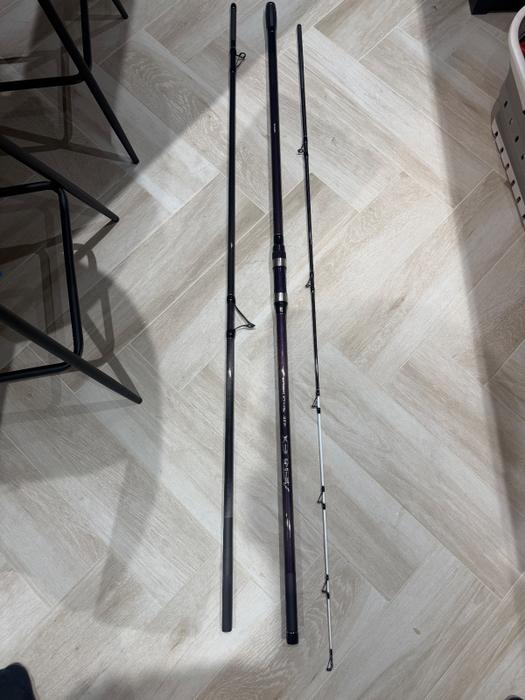
Shimano Aerlex 425cx Tublar 3 Piece Beach / Surf Rod Fishing Rod
£99.00
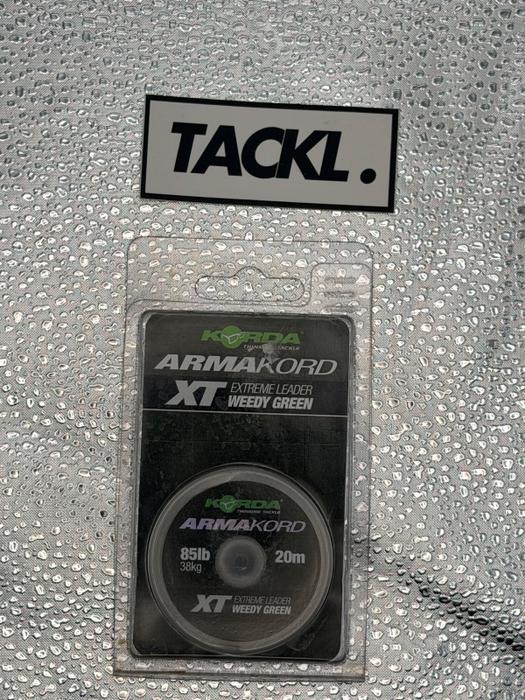
Korda Armakord extreme leader weedy green
£10.00
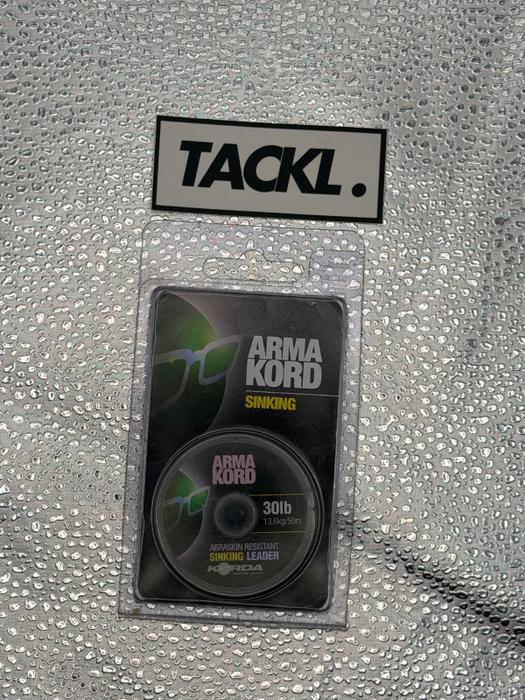
Korda Armamord sinking leader
£15.00
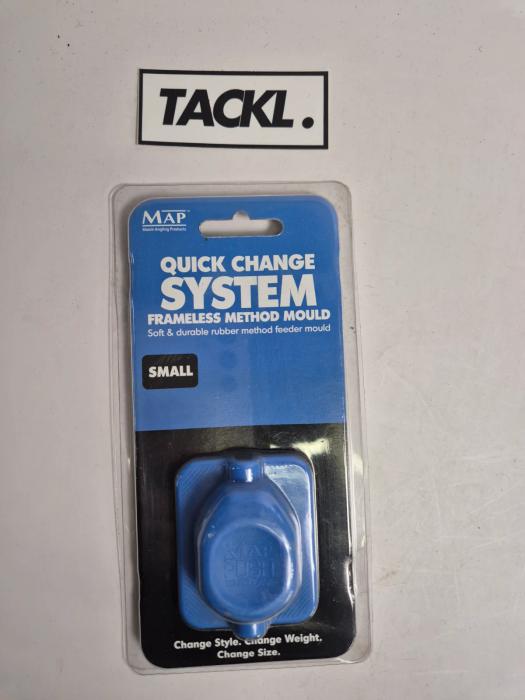
MAP quick change system frameless method mould small
£2.00
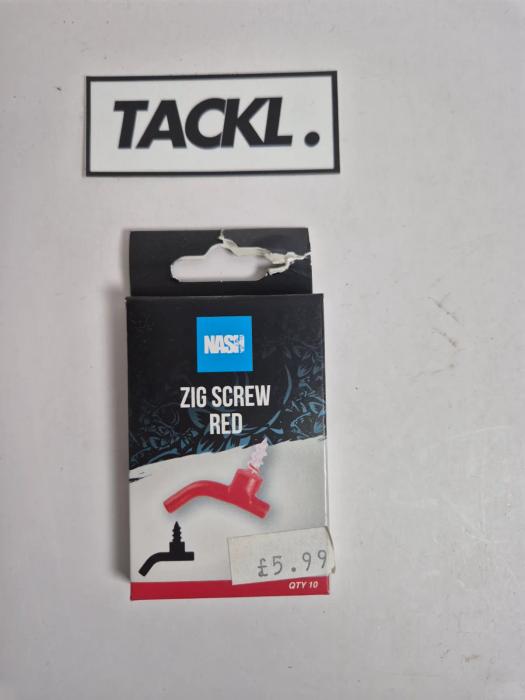
Nash zig screw red
£4.00
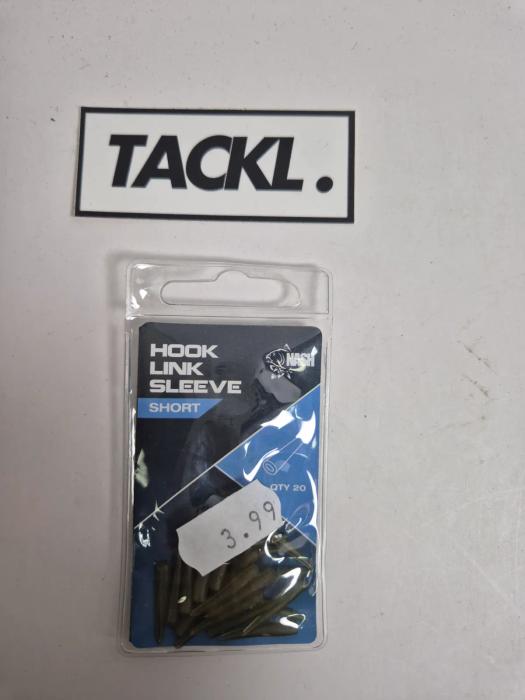
Nash hook link sleeve short
£2.50
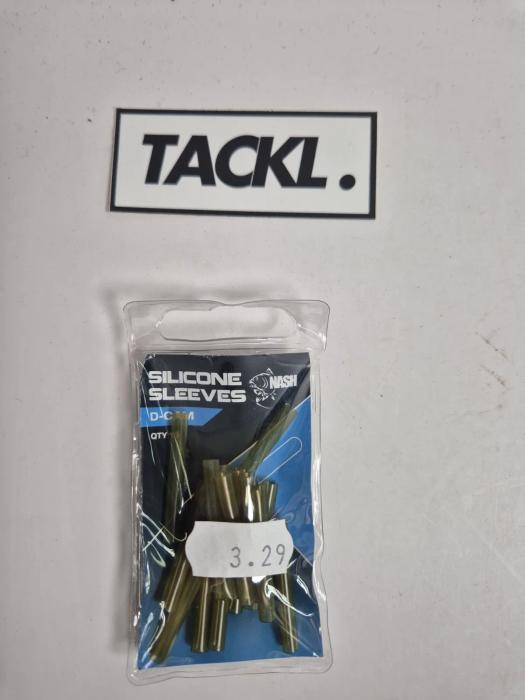
Nash silicone sleeve d_cam
£2.00
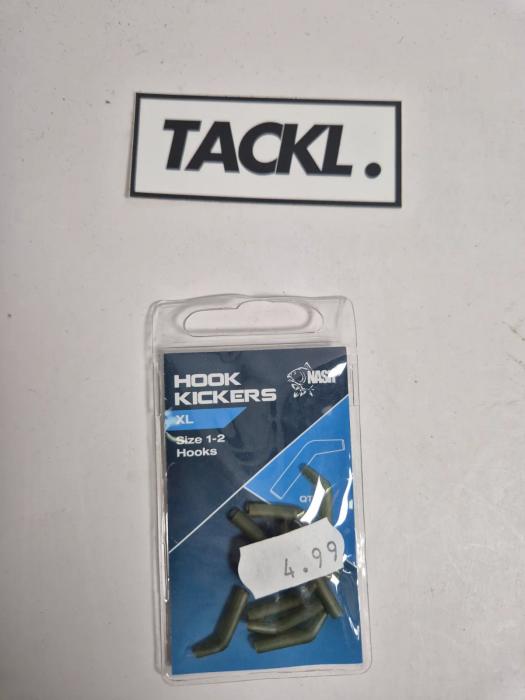
Nash hook kickers
£3.00
Spurdog guides
Spurdog fishing questions
Can I keep a spurdog?
Spurdog should be returned alive. They are slow-growing, mature late and produce few young, so populations recover slowly. Recreational anglers treat them as catch and release. Check the current rules for your area below, and handle them carefully to ensure they survive release.
How do I tell a spurdog from a smoothhound?
Spurdog have a sharp spine in front of each dorsal fin and no anal fin. Smoothhounds have no spines and do have an anal fin. Starry smoothhounds can also have white spots, so look for the spines, and handle with care, as spurdog spines are venomous.
When and where can I catch spurdog from the shore?
Spurdog are most often caught from deep-water rock marks, steep beaches and piers in autumn and winter. Western Scotland, Wales, the Irish Sea and Ireland are good areas. Evening and night sessions on flooding tides give the best chances, as packs move inshore to feed.


