

Cod Fishing UK
By Tackl · Updated 30 October 2026

Gadus morhua
Cod are the classic winter fish of the UK shore, a hard-fighting member of the cod family that moves inshore as the water cools. Shore anglers target them for their size, their fine white flesh and the excitement of a big fish on a rough night when a storm has stirred the beach.
Photo: Wilhelm Thomas Fiege, CC BY-SA 4.0, via Wikimedia Commons
- Typical size
- 2–5lb from the shore; a fish over 10lb is a specimen.
- From the shore
- Beaches, piers, rocks
- Found in
- sea
- Peak season
- Autumn and winter
How to identify a cod
Cod have three dorsal fins, two anal fins and a single barbel under the chin. The upper jaw overhangs the lower. The body is mottled olive, brown or reddish, with a creamy belly and a pale lateral line that curves up over the pectoral fin. Pouting are deeper bodied with copper bands and a dark spot at the pectoral base. Whiting are silvery with a tiny or missing barbel. Pollack have a jutting lower jaw and a dark lateral line, while coalfish have a straight pale lateral line and darker backs.
Where it lives
Cod are found all around the UK, but shore fishing is best in the north and east, including the North Sea coast, the north-east of England, Scotland, the Bristol Channel and parts of Wales. They feed over sand, shingle, mud and mixed ground, and like rough, broken ground and kelp edges. Steep shingle beaches, rocky platforms and long piers all produce, especially after onshore winds colour the water. Bigger fish often come from rock marks next to deep water.
What it eats and the best baits
Cod are greedy hunters that eat worms, crabs, shrimps, squid, sandeels and small fish, plus shellfish washed out by rough seas. Lugworm matches the worms dug out by storms, and its scent spreads well in coloured water. Squid adds a tough, visible bait that survives crabs, and peeler crab is a top natural food, especially in spring and over rough ground.
- Lugworm
- Squid
- Peeler crab
- Black lugworm
- Mussel
- Razor clam
Best time of year
- Jan – good
- Feb – good
- Mar – good
- Apr – quieter
- May – quieter
- Jun – quieter
- Jul – quieter
- Aug – quieter
- Sep – quieter
- Oct – good
- Nov – good
- Dec – good
In season now. Typical best months for shore anglers in England and Wales. What's in season
How to catch cod
On open beaches, a pulley pennel rig with two 3/0 to 5/0 hooks carries a big worm and squid cocktail and casts well. A two-hook flapper with size 1/0 to 2/0 hooks works when codling are thick. Over rough ground, use a rotten-bottom link so a snagged lead can break free. Grip leads of 5 to 6oz hold in tide and surf, cast from a 13 to 15ft beachcaster with strong line and a shock leader. Fishing is usually best after dark, with the flood tide and the first hours of the ebb often strongest, particularly in coloured water after a blow. Bites range from sharp rattles to a firm pull, and a fish that drops the lead often shows as slack line. Wind in to take up the slack and lift into the weight.
Size and bag rules
| Area | Rule | Source |
|---|---|---|
| Eastern IFCA | Minimum size 35cm | Official page |
| Kent & Essex IFCA | Minimum size 35cm | Official page |
| North Eastern IFCA | Minimum size 35cm | Official page |
| North Western IFCA | Minimum size 35cm | Official page |
Other areas (no confirmed number for this species yet): Northumberland IFCA, Sussex IFCA, Southern IFCA, Devon & Severn IFCA, Cornwall IFCA, Isles of Scilly IFCA, Wales, Scotland, Northern Ireland.
Rules last checked 23 October 2026. Rules change, especially for bass: always check the official source before keeping a fish. All sea fishing rules
Handling and release
Cod stocks are under pressure in places, so consider returning smaller codling and keeping only what you need. Handle fish with wet hands, support the body rather than holding by the jaw or gill cover, and use forceps or a disgorger for deep hooks. Keep the fish out of the water briefly and return it gently, head first.
Best shore marks for cod
Where to catch cod in the UK
We don't have venues confirmed for cod yet. Browse all venues.
Tackle for cod
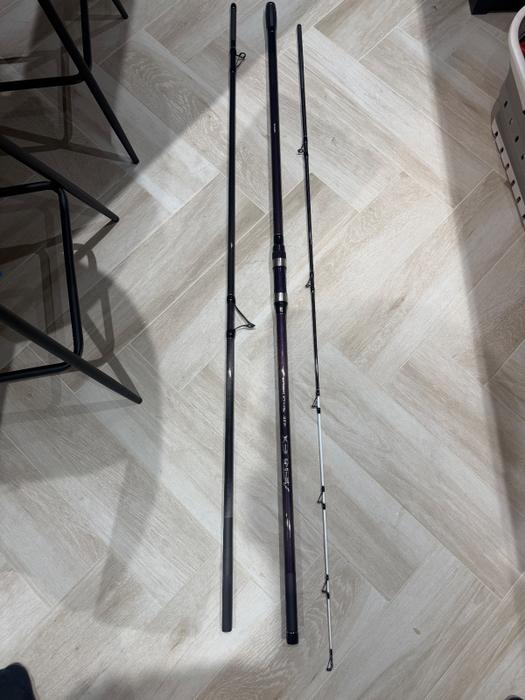
Shimano Aerlex 425cx Tublar 3 Piece Beach / Surf Rod Fishing Rod
£99.00
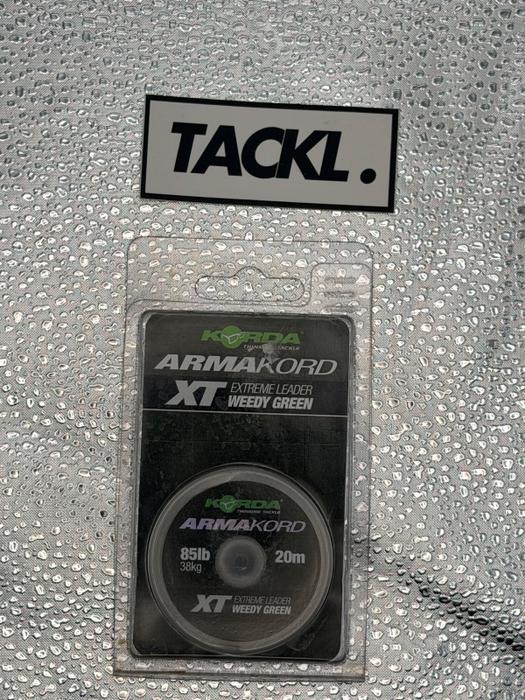
Korda Armakord extreme leader weedy green
£10.00
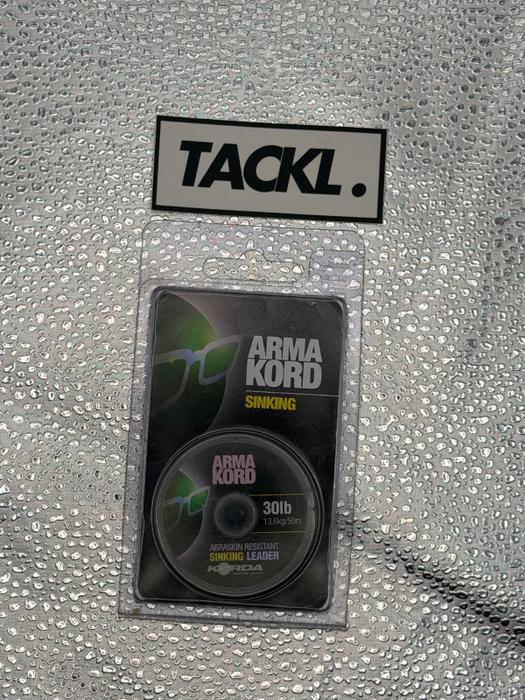
Korda Armamord sinking leader
£15.00
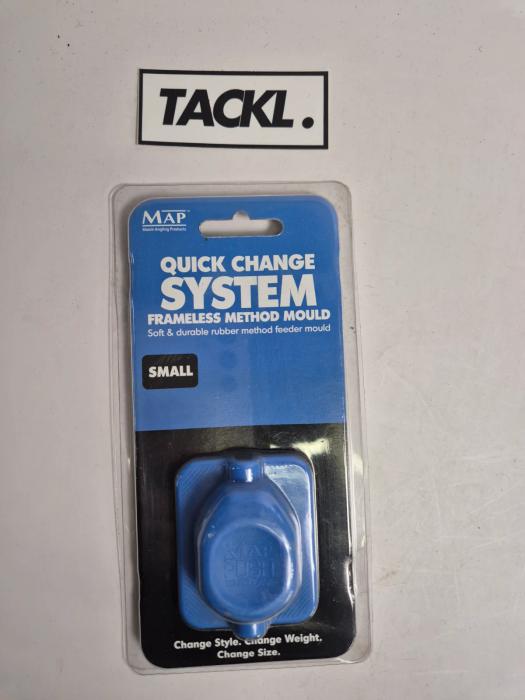
MAP quick change system frameless method mould small
£2.00
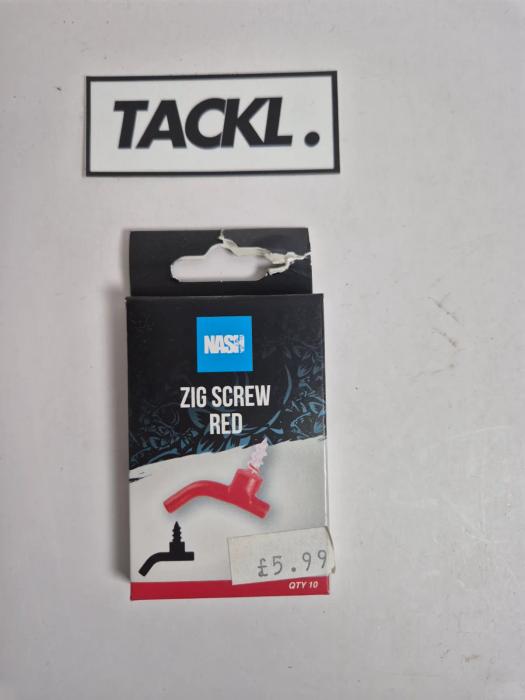
Nash zig screw red
£4.00
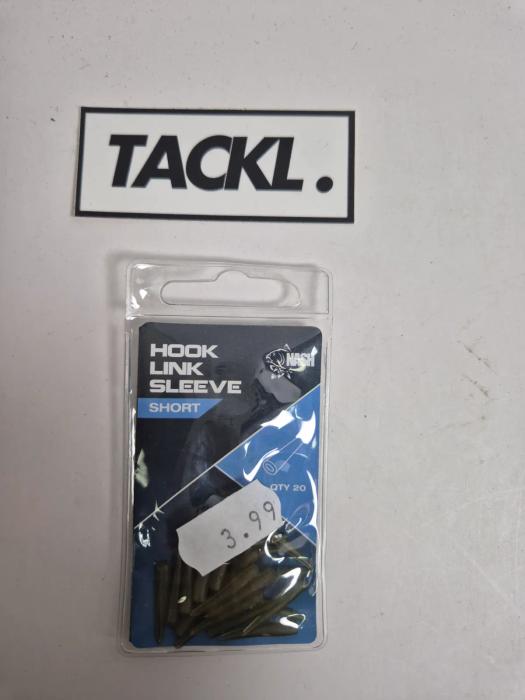
Nash hook link sleeve short
£2.50
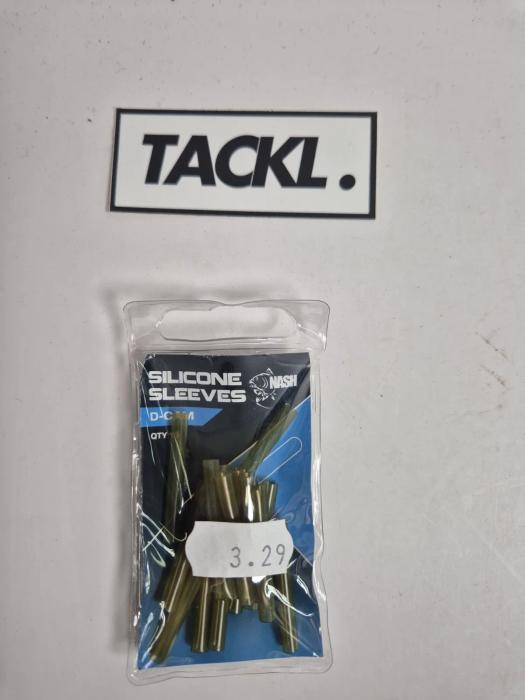
Nash silicone sleeve d_cam
£2.00
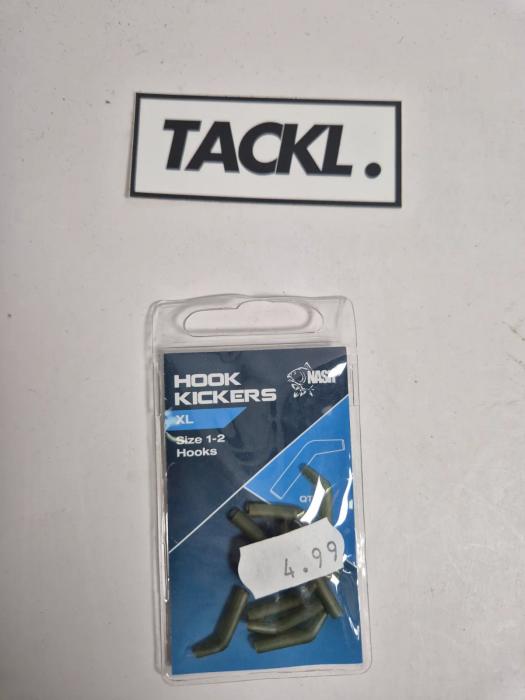
Nash hook kickers
£3.00
Cod guides
Cod fishing questions
What is the best bait for cod from the shore?
Fresh lugworm is the standard winter bait, often tipped with squid to make a bigger, tougher offering that resists crabs. In spring and over rocky ground, peeler crab is excellent. Large, fresh baits fished into coloured water after a storm will usually outscore small or stale ones.
Can you eat shore-caught cod?
Yes, cod is one of the best eating fish in the sea, with firm white flakes. Keep fish you plan to eat cool and gut them promptly. Take only what you need, return smaller fish, and check the size and bag rules for your area below before keeping any.
How do I tell a codling from a pouting or whiting?
Look at the lateral line and colour. Codling have a pale lateral line curving over the pectoral fin and a mottled olive or brown back. Pouting are deep, coppery fish with dark vertical bands. Whiting are slim and silvery with a dark spot at the pectoral base and little or no chin barbel.


