

Whiting Fishing UK
By Tackl · Updated 30 October 2026

Merlangius merlangus
Whiting are slim, silvery members of the cod family that arrive inshore in big numbers as the water cools in autumn. They are the bread-and-butter catch of the winter beach and pier season, biting freely after dark, keeping rods rattling on quiet nights and making a fine, delicate fish for the table.
Photo: Georges Jansoone (JoJan), CC BY 3.0, via Wikimedia Commons
- Typical size
- 8oz–1lb from the shore; a fish over 2lb is a specimen.
- From the shore
- Beaches, piers
- Found in
- sea, estuary
- Peak season
- Autumn and winter
How to identify a whiting
A whiting is long and slender with a silvery-white belly, sandy or bluish-grey back and three dorsal fins. Look for a small dark spot at the base of each pectoral fin and a mouth full of sharp, needle-like teeth. The upper jaw overhangs the lower. Unlike pouting and poor cod, a whiting has no chin barbel, or only a tiny trace of one in small fish, and it lacks the pouting's copper bands and deep body. Codling have a pale curved lateral line, a mottled back and an obvious barbel, so they are easy to separate once you know what to look for.
Where it lives
Whiting live over sand, mud and mixed ground all around the UK coast. In summer they mostly stay in deeper water, then shoal inshore from about October to February, when they can be caught from almost any open beach, pier or harbour wall. Steep shingle beaches, sandy surf beaches and estuary mouths all produce. They are widespread on the east coast, the English Channel, Wales and the north-west, and big shoals often follow a blow that colours the water.
What it eats and the best baits
Whiting are active predators that hunt in shoals, feeding on small fish such as sprats and sandeels, plus shrimps, prawns and worms. Lugworm is the classic winter bait because it gives off a strong scent trail in coloured water. Fish strip and squid suit their fish-eating habits and stay on the hook well, while worm tipped with a sliver of fish or squid often outfishes either bait alone.
- Lugworm
- Mackerel strip
- Squid
- Sandeel
- Ragworm
- Sprat
Best time of year
- Jan – good
- Feb – good
- Mar – quieter
- Apr – quieter
- May – quieter
- Jun – quieter
- Jul – quieter
- Aug – quieter
- Sep – quieter
- Oct – good
- Nov – good
- Dec – good
In season now. Typical best months for shore anglers in England and Wales. What's in season
How to catch whiting
A two- or three-hook flapper rig is the standard approach, letting you cover the bottom with several baits at once. Use size 1 to 2/0 hooks, either fine Aberdeens or short-shank patterns, and keep baits neat and not too big. A 4 to 6oz breakaway or plain lead on a 12 to 15ft beachcaster suits most beaches; lighter gear works from piers. Casting distance rarely matters much as whiting often feed close in after dark. The hours after dusk and the first half of the flood are usually best, and a big tide with a little colour can bring shoals of fish. Bites are unmistakable: sharp rattles and nods of the rod tip, often followed by a slack line as a fish swims towards you. Wait for a firm pull before winding in steadily.
Size and bag rules
| Area | Rule | Source |
|---|---|---|
| Eastern IFCA | Minimum size 27cm | Official page |
| Kent & Essex IFCA | Minimum size 27cm | Official page |
| North Eastern IFCA | Minimum size 27cm | Official page |
| North Western IFCA | Minimum size 27cm | Official page |
Other areas (no confirmed number for this species yet): Northumberland IFCA, Sussex IFCA, Southern IFCA, Devon & Severn IFCA, Cornwall IFCA, Isles of Scilly IFCA, Wales, Scotland, Northern Ireland.
Rules last checked 23 October 2026. Rules change, especially for bass: always check the official source before keeping a fish. All sea fishing rules
Handling and release
Whiting are often caught in numbers, so only keep what you will eat and return the rest quickly. Wet your hands before handling, hold the fish gently around the body and unhook with forceps or a disgorger, as their teeth are sharp and they often swallow baits. Avoid hanging them by the jaw or line. Barbless or crushed-barb hooks make quick releases easier.
Best shore marks for whiting
Where to catch whiting in the UK
We don't have venues confirmed for whiting yet. Browse all venues.
Tackle for whiting
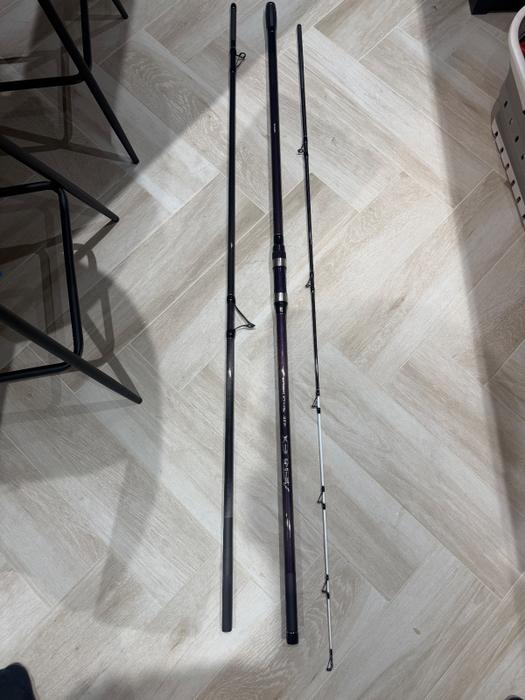
Shimano Aerlex 425cx Tublar 3 Piece Beach / Surf Rod Fishing Rod
£99.00
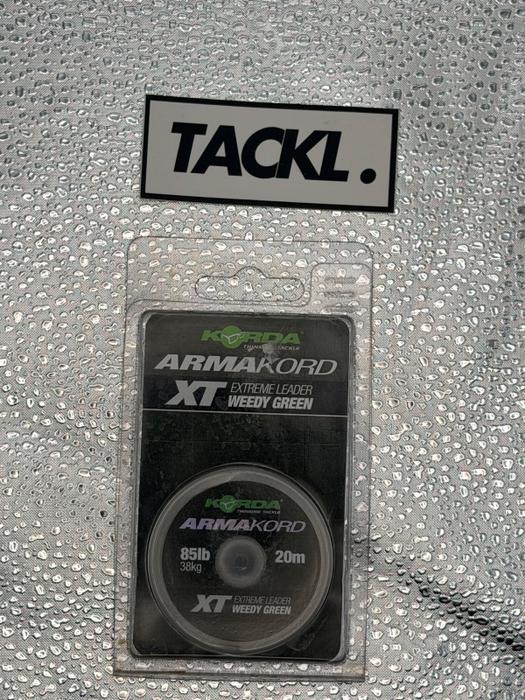
Korda Armakord extreme leader weedy green
£10.00
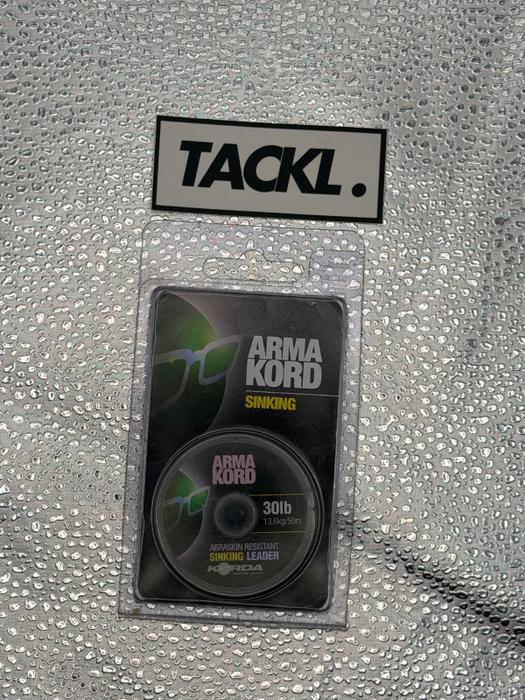
Korda Armamord sinking leader
£15.00
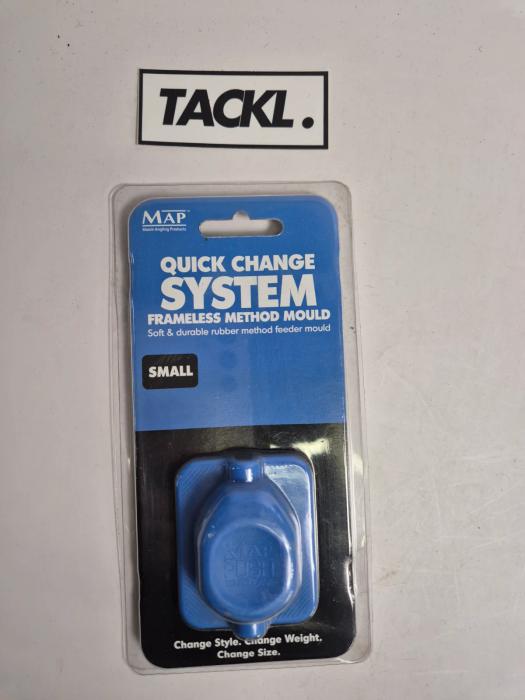
MAP quick change system frameless method mould small
£2.00
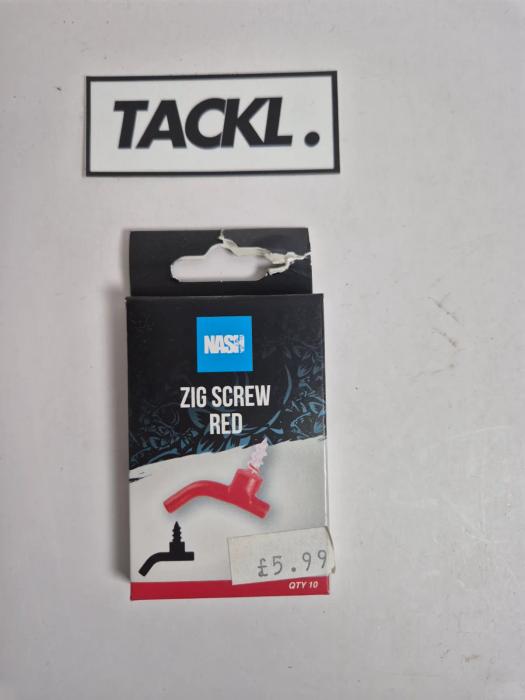
Nash zig screw red
£4.00
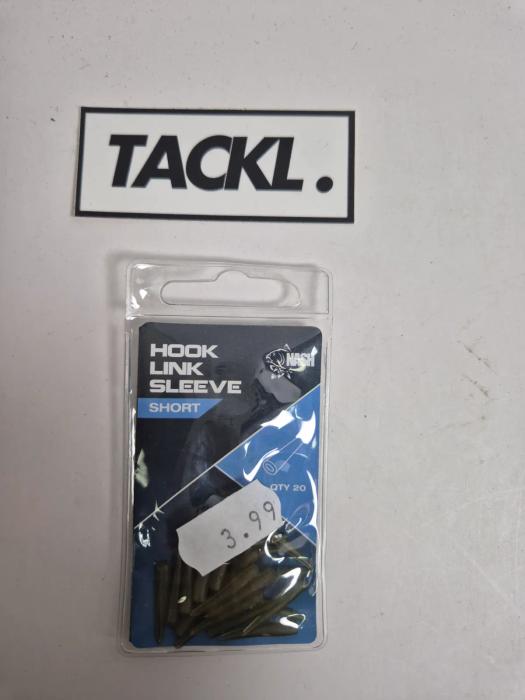
Nash hook link sleeve short
£2.50
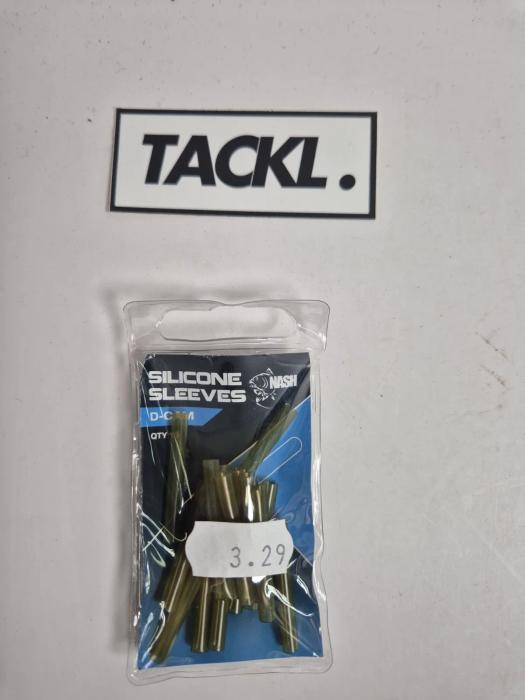
Nash silicone sleeve d_cam
£2.00
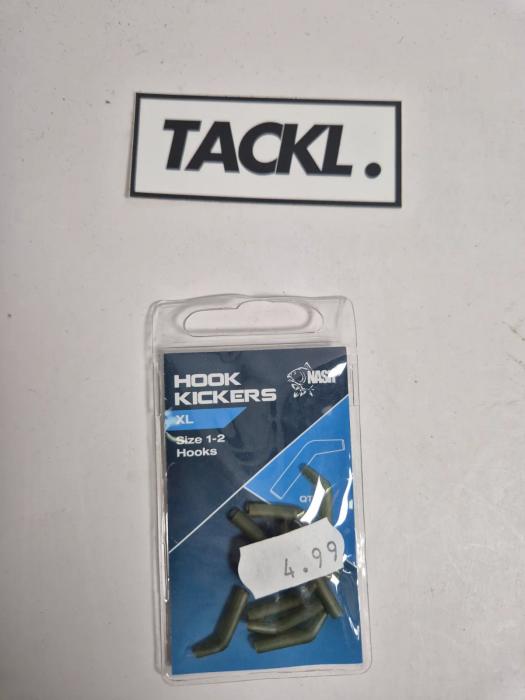
Nash hook kickers
£3.00
Whiting guides
Whiting fishing questions
What is the best bait for whiting?
Fresh lugworm is hard to beat, especially in coloured water after a blow. Tipping worm with a small strip of mackerel or squid adds scent and helps the bait stay on. On clear, calm nights fish strip or sprat on its own can be just as good, and keeping baits small helps hook the fish.
Can you eat whiting?
Yes. Whiting has soft, white, mild-tasting flesh that is excellent fried or in fish pie. It is best eaten fresh, so keep any fish for the pot cool and gut them promptly. Only take what you need and check the size and bag rules for your area below.
When is the best time to catch whiting from the shore?
From late October to February, after dark. Whiting shoal close inshore in the colder months and feed most confidently at night, particularly on the flood tide. A rough sea that has settled and left the water coloured can produce excellent catches from beaches and piers.


