

Pouting Fishing UK
By Tackl · Updated 30 October 2026

Trisopterus luscus
Pouting, also known as bib or pout, are small, bronze members of the cod family found in huge numbers around piers, wrecks and rough ground. They bite freely almost all year, which makes them a great fish for beginners and youngsters, and a handy fresh bait for bigger predators such as conger and bass.
Photo: H. Zell, CC BY-SA 3.0, via Wikimedia Commons
- Typical size
- 4oz–1lb from the shore; a fish over 2lb is a specimen.
- From the shore
- Piers, rough ground
- Found in
- sea
- Peak season
- All year, best autumn and winter
How to identify a pouting
Pouting are deep-bodied for a member of the cod family, with three dorsal fins, two anal fins and a long chin barbel. The body is coppery bronze with four or five dark vertical bands that are clearest in fresh fish. There is a dark spot at the base of the pectoral fin. Poor cod look similar but are slimmer, smaller and lack the bands. Young cod have a pale lateral line and mottled skin, while whiting are slim and silvery with only a tiny barbel.
Where it lives
Pouting live around rocks, reefs, wrecks, piers and harbour walls all round the UK, often in large shoals. From the shore they are caught from piers, harbours, breakwaters, rocky marks and beaches with mixed or rough ground. They are especially common in the south and west, including the Channel coast, south-west England and Wales, but turn up widely elsewhere. Larger pouting tend to come from deeper rough ground and at night.
What it eats and the best baits
Pouting feed on shrimps, prawns, small crabs, worms, squid and small fish around structures and the seabed. They are not fussy, which is why so many baits work. Squid is tough and stays on the hook. Ragworm and lugworm match the worms they find naturally, and fish strip gives off scent and attracts the bigger fish.
- Squid
- Ragworm
- Lugworm
- Mackerel strip
- Peeler crab
- Prawn
Best time of year
- Jan – good
- Feb – good
- Mar – good
- Apr – good
- May – good
- Jun – good
- Jul – good
- Aug – good
- Sep – good
- Oct – good
- Nov – good
- Dec – good
In season now. Typical best months for shore anglers in England and Wales. What's in season
How to catch pouting
A two or three-hook flapper rig is ideal, with size 1 to 2/0 hooks depending on bait size. Over rough ground use a rotten-bottom lead link to cut down on lost tackle. A 3 to 5oz lead is usually enough from piers and harbours. A light beachcaster, a bass rod or even a strong spinning rod gives good sport. Small baits catch numbers, while bigger strips of squid or fish pick out the larger specimens. LRF tackle with small hooks and soft lures also catches pouting around harbour walls. They feed day and night but bigger fish come after dark, often on the flood tide. Bites are fast, rattling taps; wait for the rod to pull round before lifting.
Size and bag rules
We haven't confirmed a pouting size or bag limit from an official source yet. Check: Northumberland IFCA, North Eastern IFCA, Eastern IFCA, Kent & Essex IFCA, Sussex IFCA, Southern IFCA, Devon & Severn IFCA, Cornwall IFCA, Isles of Scilly IFCA, North Western IFCA, Wales, Scotland, Northern Ireland.
Rules change, especially for bass: always check the official source before keeping a fish. All sea fishing rules
Handling and release
Pouting are often hooked in deep water and can suffer from pressure changes when wound up quickly, so return unwanted fish straight away. Wet your hands, hold them gently and avoid squeezing. Use a disgorger for swallowed hooks. Do not throw them back from a height; lower them or slide them into the water where you can.
Where to catch pouting in the UK
We don't have venues confirmed for pouting yet. Browse all venues.
Tackle for pouting
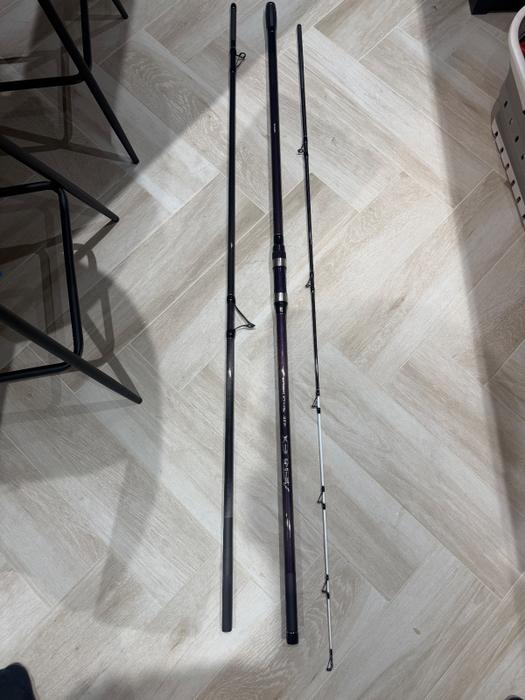
Shimano Aerlex 425cx Tublar 3 Piece Beach / Surf Rod Fishing Rod
£99.00
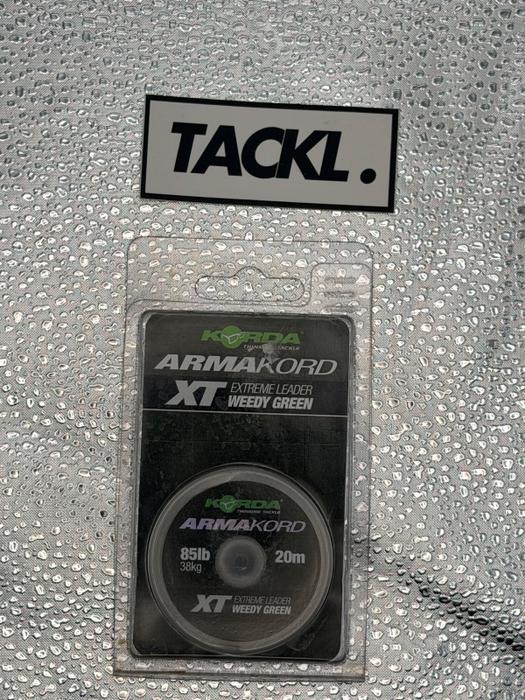
Korda Armakord extreme leader weedy green
£10.00
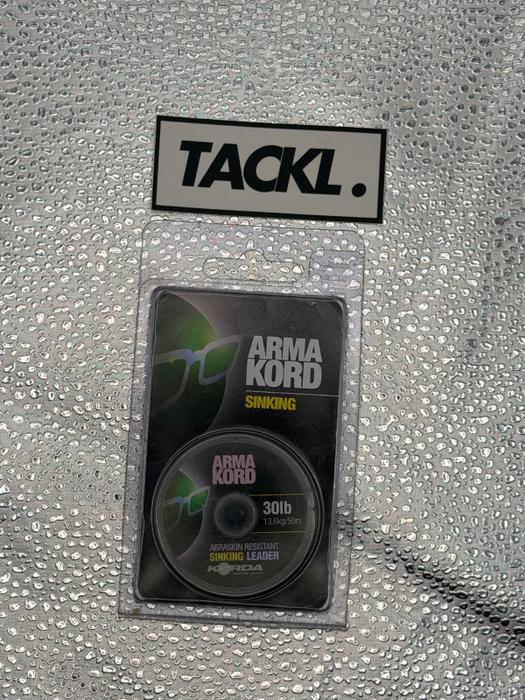
Korda Armamord sinking leader
£15.00
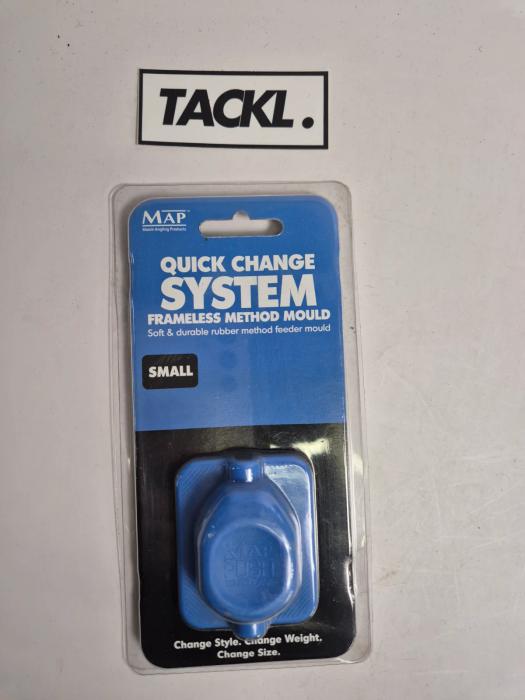
MAP quick change system frameless method mould small
£2.00
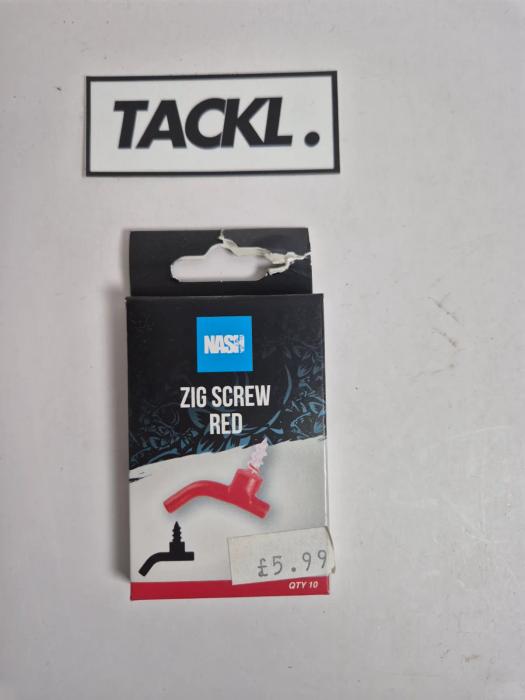
Nash zig screw red
£4.00
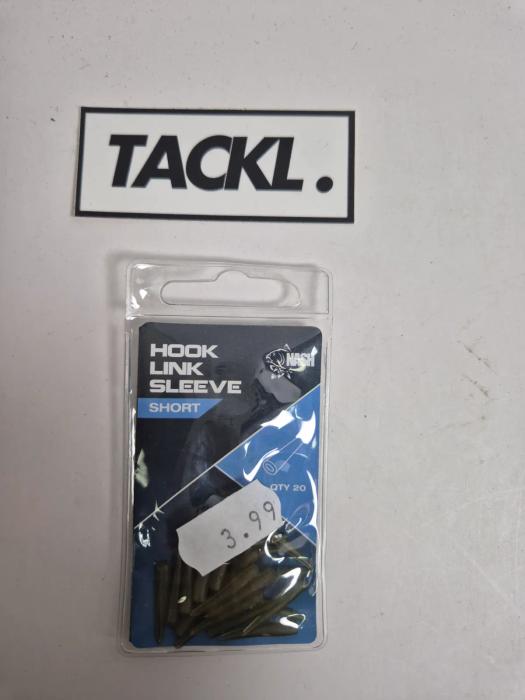
Nash hook link sleeve short
£2.50
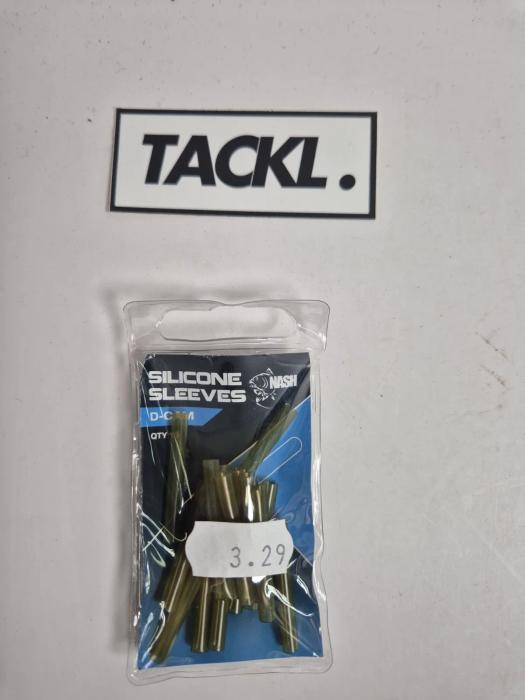
Nash silicone sleeve d_cam
£2.00
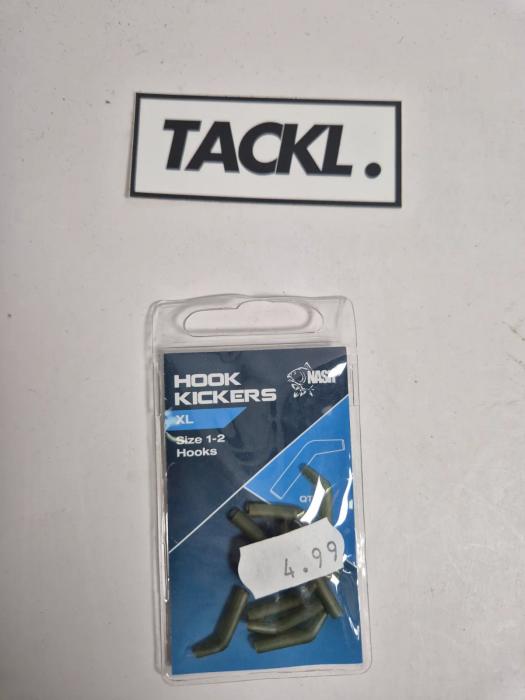
Nash hook kickers
£3.00
Pouting guides
Pouting fishing questions
Are pouting good to eat?
Pouting have soft white flesh that is perfectly edible but spoils quickly. If you want to eat them, keep them cold and cook them on the day of capture. Many anglers prefer to use them as fresh bait for conger, bass or huss. Check the size and bag rules for your area below.
Where can I catch pouting from the shore?
Fish close to structure: piers, harbour walls, breakwaters and rocky ground. Pouting shoal around pier legs and boulders. Bigger fish are usually found on deeper rough ground, especially at night in autumn and winter, while small ones are present at many harbours all year.
How do I tell a pouting from a poor cod?
Pouting are deeper bodied and coppery with dark vertical bands, a long chin barbel and a dark spot at the base of the pectoral fin. Poor cod are slimmer and plainer, lacking the strong bands, and they are usually smaller. Poor cod also have a larger eye compared to their head.


