

Haddock Fishing UK
By Tackl · Updated 30 October 2026

Melanogrammus aeglefinus
Haddock are a close relative of cod, famous for the dark thumbprint mark on their flanks. They are mainly a boat fish, but in the north of England and Scotland anglers catch them from deep shore marks in autumn and winter. A shore-caught haddock is a welcome prize and excellent on the table.
Photo: Steven G. Johnson, CC BY-SA 3.0, via Wikimedia Commons
- Typical size
- 1–3lb from the shore; a fish over 4lb is a specimen.
- From the shore
- Deep shore marks (north and Scotland)
- Found in
- sea
- Peak season
- Autumn and winter
How to identify a haddock
Haddock have three dorsal fins, the first tall and pointed, a dark grey-purple back, silvery flanks and a white belly. The two key features are a black lateral line and a dark blotch, often called the thumbprint or St Peter's mark, above the pectoral fin. There is a small chin barbel. Cod and codling have a pale lateral line, a mottled sandy or greenish back and a bigger barbel. Whiting lack a proper barbel and have a small dark spot at the base of the pectoral fin rather than on the flank.
Where it lives
Haddock live over sand, gravel, mud and mixed ground, usually in fairly deep water. From the shore they are mainly caught in the north, especially around Scotland and parts of north-east England, where deep water lies close in. Deep rock marks, sea lochs, piers and harbour walls with depth beneath are the best bets. They are seldom caught from beaches in the south. They come inshore most often in autumn and winter.
What it eats and the best baits
Haddock feed on the bottom, eating worms, molluscs, brittlestars, sea urchins, small crustaceans and small fish. Mussel is a traditional northern haddock bait and matches their shellfish diet. Worm, such as lugworm or ragworm, gives off plenty of scent and is a natural food. Fish strip, particularly mackerel, is tough and oily, drawing haddock in from deeper water.
- Mussel
- Lugworm
- Ragworm
- Mackerel strip
- Squid
- Peeler crab
Best time of year
- Jan – good
- Feb – good
- Mar – good
- Apr – quieter
- May – quieter
- Jun – quieter
- Jul – quieter
- Aug – quieter
- Sep – quieter
- Oct – good
- Nov – good
- Dec – good
In season now. Typical best months for shore anglers in England and Wales. What's in season
How to catch haddock
A two- or three-hook flapper rig with size 1 to 2/0 hooks is the standard approach, with baits of mussel, worm or fish strip. Use a 12 to 14ft beachcaster with 4 to 6oz leads, enough to reach the deeper water where haddock feed and to hold bottom in tide. Over rough ground, use a rotten-bottom link to the lead to cut tackle losses. Many anglers tip worm with mussel or fish to boost the scent. Haddock tend to feed best after dark, and the flood tide and the hours around high water are often most productive. Bites are usually firm rattles and pulls on the rod tip. Give them a moment to take the bait, then wind down and lift. Their mouths are fairly soft, so play them steadily.
Size and bag rules
| Area | Rule | Source |
|---|---|---|
| Eastern IFCA | Minimum size 30cm | Official page |
| Kent & Essex IFCA | Minimum size 30cm | Official page |
| North Western IFCA | Minimum size 30cm | Official page |
Other areas (no confirmed number for this species yet): Northumberland IFCA, North Eastern IFCA, Sussex IFCA, Southern IFCA, Devon & Severn IFCA, Cornwall IFCA, Isles of Scilly IFCA, Wales, Scotland, Northern Ireland.
Rules last checked 23 October 2026. Rules change, especially for bass: always check the official source before keeping a fish. All sea fishing rules
Handling and release
Haddock have fairly soft mouths, so unhook them gently with forceps or a disgorger. Wet your hands before handling and support the body, avoiding holding them up by the jaw or gill cover. Return any small or unwanted fish quickly and lower them gently into the water. Only keep what you need for the table.
Where to catch haddock in the UK
We don't have venues confirmed for haddock yet. Browse all venues.
Tackle for haddock
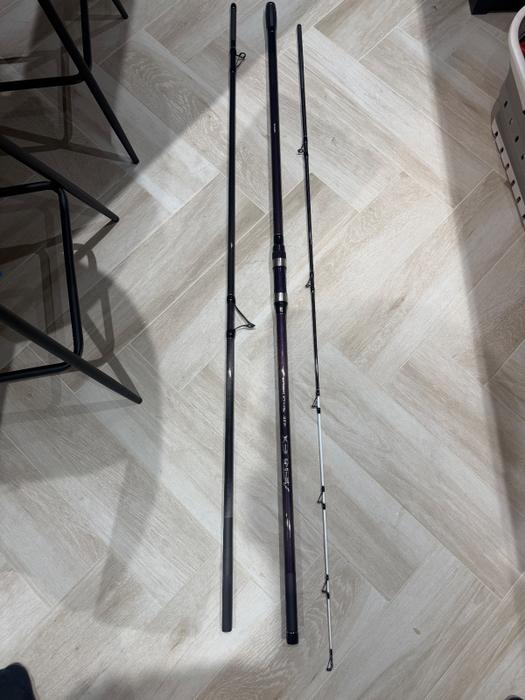
Shimano Aerlex 425cx Tublar 3 Piece Beach / Surf Rod Fishing Rod
£99.00
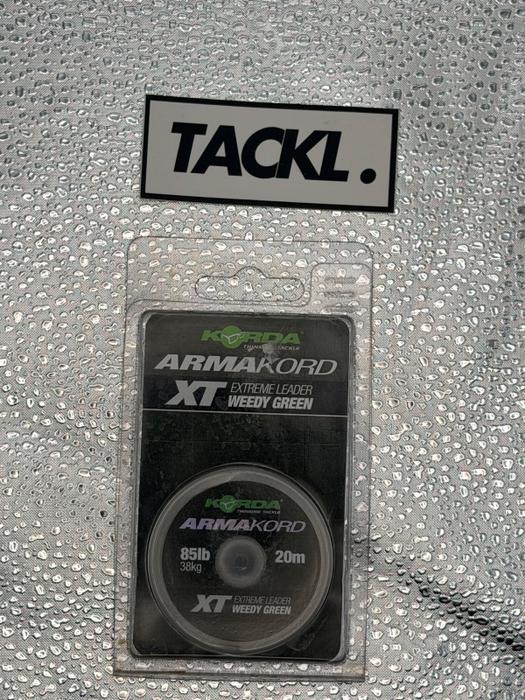
Korda Armakord extreme leader weedy green
£10.00
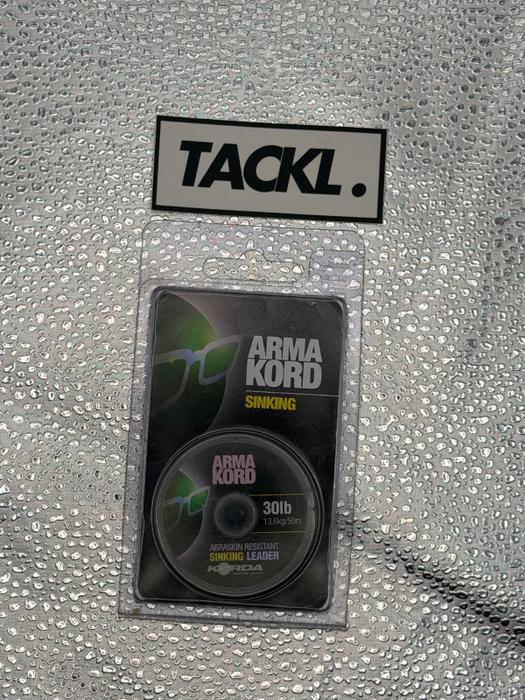
Korda Armamord sinking leader
£15.00
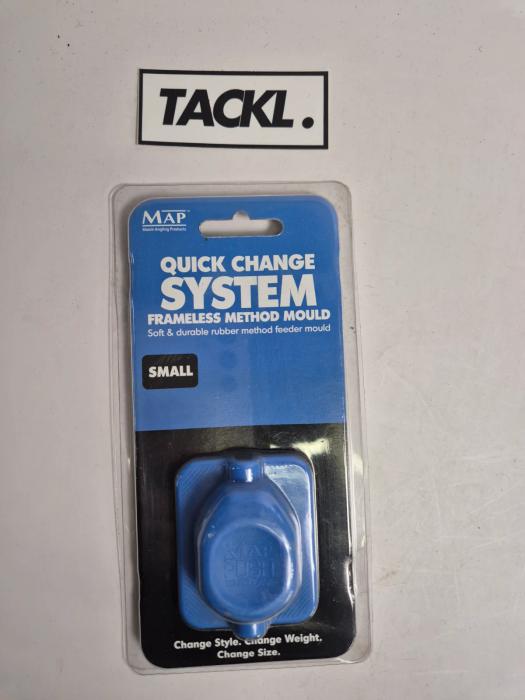
MAP quick change system frameless method mould small
£2.00
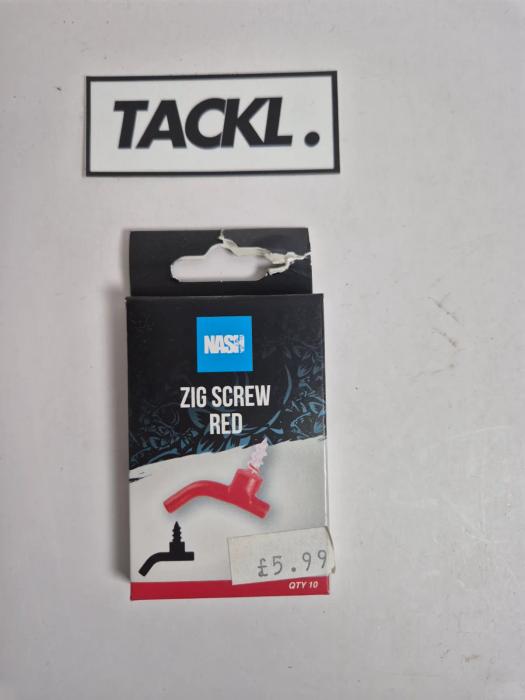
Nash zig screw red
£4.00
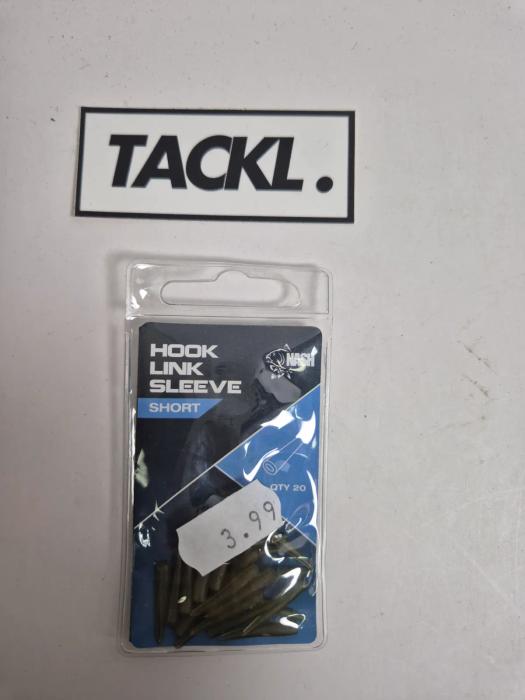
Nash hook link sleeve short
£2.50
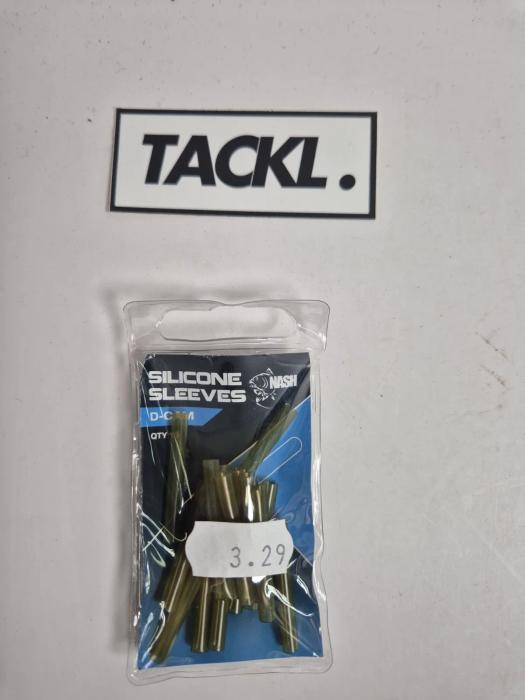
Nash silicone sleeve d_cam
£2.00
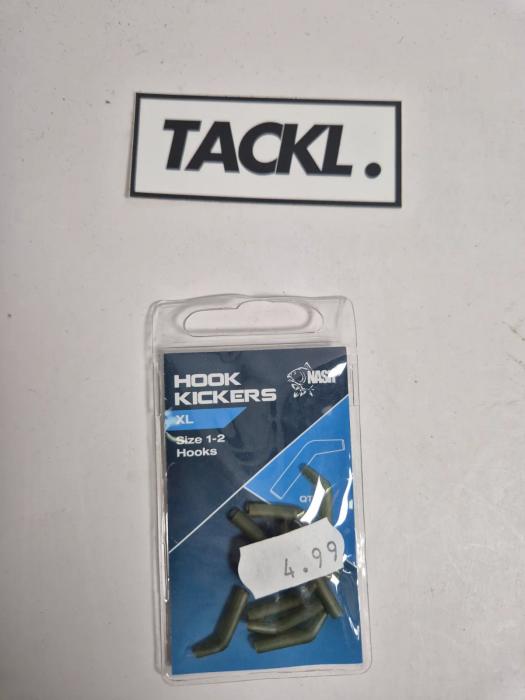
Nash hook kickers
£3.00
Haddock guides
Haddock fishing questions
Can you catch haddock from the shore?
Yes, but mainly in the north of England and Scotland, where deep water comes close to the shore. Deep rock marks, sea lochs and harbour walls with plenty of depth are best, particularly after dark in autumn and winter. They are rarely caught from beaches further south.
How do I tell a haddock from a codling?
Haddock have a black lateral line and a dark thumbprint mark above the pectoral fin, with a small chin barbel and grey-purple back. Codling have a pale lateral line, a mottled sandy or greenish back and a larger barbel. The thumbprint is the easiest feature to spot.
What is the best bait for haddock from the shore?
Mussel is a traditional favourite, especially in Scotland and the north-east. Lugworm and ragworm also work well, and many anglers tip worm with mussel or a strip of mackerel to boost scent. Keep baits fresh and fish them on a two- or three-hook flapper rig.


