

Poor Cod Fishing UK
By Tackl · Updated 30 October 2026

Trisopterus minutus
Poor cod are small members of the cod family found over rough and rocky ground right around the UK. They rarely grow large, but they are often among the first fish youngsters and newcomers catch from piers and rocks, and they bite readily all year. They also make useful bait for bigger predators.
Photo: Julien Renoult, CC BY 4.0, via Wikimedia Commons
- Typical size
- 2–6oz from the shore; a fish over 8oz is a big one.
- From the shore
- Rough ground
- Found in
- sea
- Peak season
- All year, best after dark
How to identify a poor cod
Poor cod are small and fairly slim, with a coppery-brown to bronze back fading to silver on the sides and belly. They have a short chin barbel, three dorsal fins, a large eye and a small dark spot at the base of the pectoral fin. Pouting, the main look-alike, have a deeper body, often show dark vertical bars or a coppery tint along the flanks and grow larger. Whiting lack a proper barbel and have sharp teeth. Small codling have a pale lateral line and mottled, sandy or greenish colouring.
Where it lives
Poor cod live over rough ground, rocks, reefs and wrecks, as well as mixed sand and stones, usually in deeper water but often within casting range of the shore. They are common from piers, harbour walls and rock marks around the whole UK coast, especially in the west and south-west of England, Wales and Scotland. Rocky gullies and the edges of weed beds near piers can hold large numbers, particularly after dark.
What it eats and the best baits
Poor cod feed on small crustaceans such as shrimps, prawns and amphipods, plus worms and tiny fish. Ragworm and lugworm are natural foods and release scent that draws them out of rocky cover. Fish strip, particularly mackerel, gives a strong oily scent trail and is tough enough to withstand the constant nibbling of small fish around rough ground.
- Ragworm
- Lugworm
- Mackerel strip
- Squid
- Prawn
- Mussel
Best time of year
- Jan – good
- Feb – good
- Mar – good
- Apr – good
- May – good
- Jun – good
- Jul – good
- Aug – good
- Sep – good
- Oct – good
- Nov – good
- Dec – good
In season now. Typical best months for shore anglers in England and Wales. What's in season
How to catch poor cod
Simple tackle is ideal. A two- or three-hook flapper rig with size 4 to 1 hooks suits most marks, or use LRF gear with a small drop-shot or running rig and size 8 to 4 hooks for sport from harbour walls. Keep baits small. A light beachcaster or bass rod with 2 to 5oz leads works from piers, and a rotten-bottom link on the lead helps save tackle on rough ground. Poor cod feed in daylight but are most active after dark, and the flood tide is often best, although they can be caught at most states of tide. Bites show as fast, sharp rattles on the rod tip. Because they are greedy, a quick strike or simply winding down when the tip pulls round usually connects.
Size and bag rules
We haven't confirmed a poor cod size or bag limit from an official source yet. Check: Northumberland IFCA, North Eastern IFCA, Eastern IFCA, Kent & Essex IFCA, Sussex IFCA, Southern IFCA, Devon & Severn IFCA, Cornwall IFCA, Isles of Scilly IFCA, North Western IFCA, Wales, Scotland, Northern Ireland.
Rules change, especially for bass: always check the official source before keeping a fish. All sea fishing rules
Handling and release
Poor cod are small and delicate, so handle them gently with wet hands and unhook quickly with forceps or a disgorger, as they can swallow baits deeply. Keep them out of the water only briefly and return them carefully rather than throwing them. Avoid holding them by the jaw or line. Small hooks with crushed barbs help with quick releases.
Where to catch poor cod in the UK
We don't have venues confirmed for poor cod yet. Browse all venues.
Tackle for poor cod
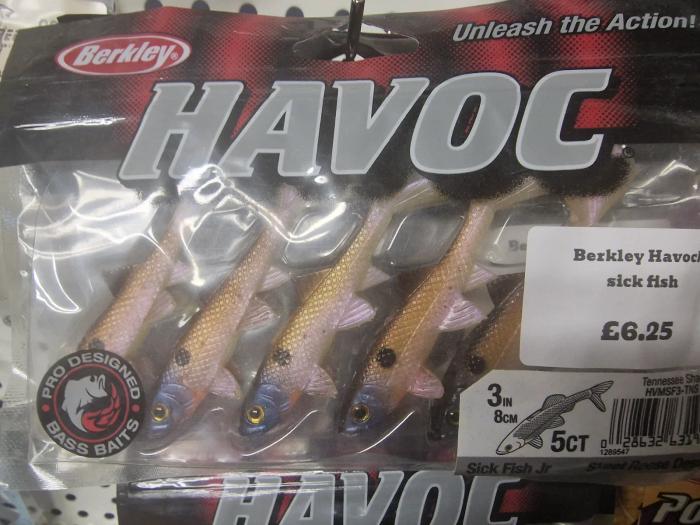
Berkley Havoc perch sick fish lure for bass/ Pike
£6.25
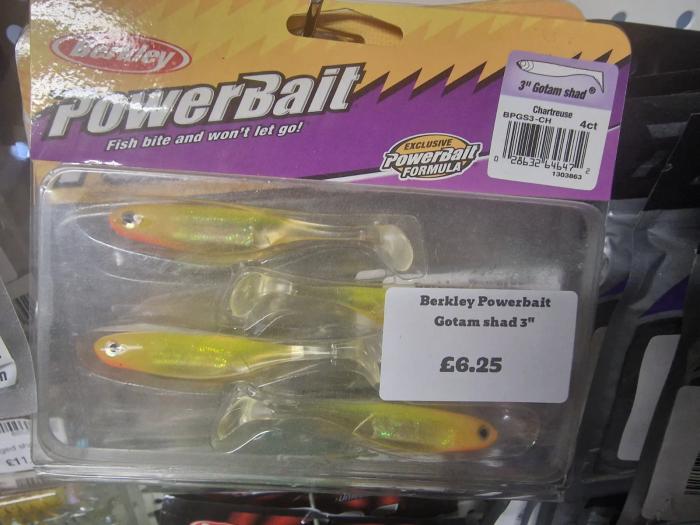
Berkley Soft Plastic / Shad Fishing Lure
£6.25
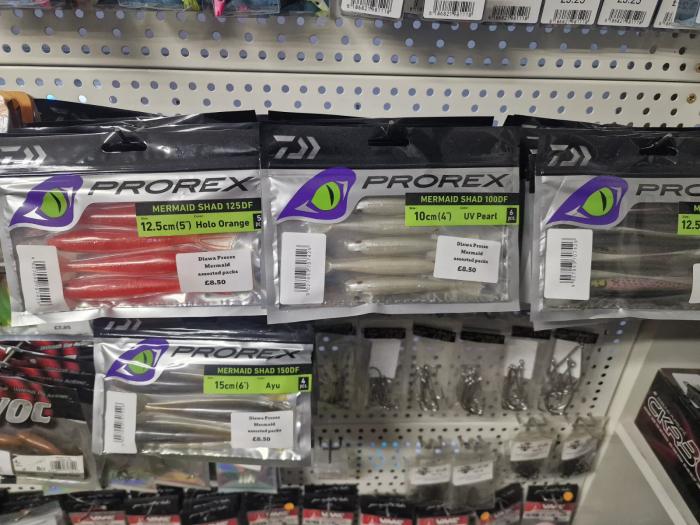
Daiwa Soft Plastic / Bass Fishing Lure Prorex mermaid
£8.50
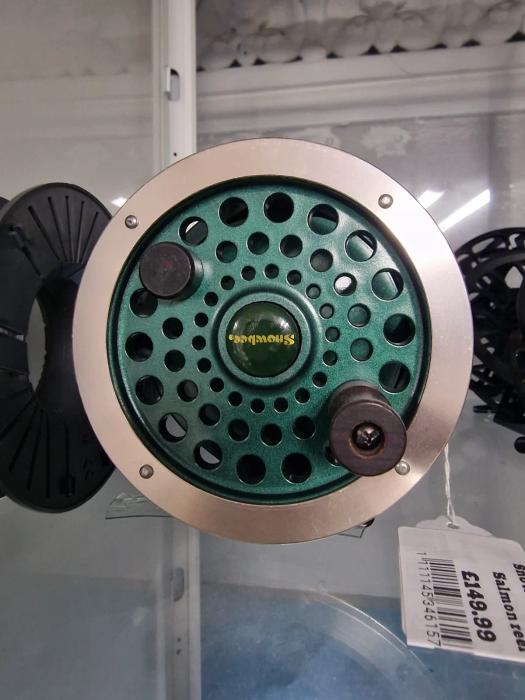
Snowbee Fly Fishing Reel
£149.99
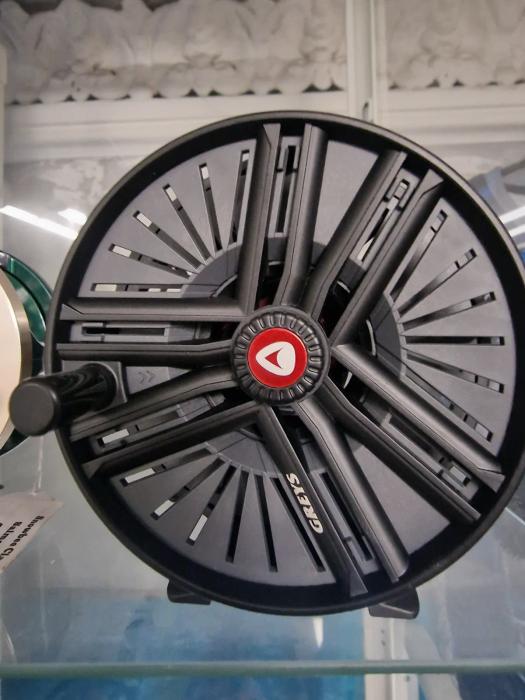
Fishing Reel Greys fin Cassette salmon
£59.99
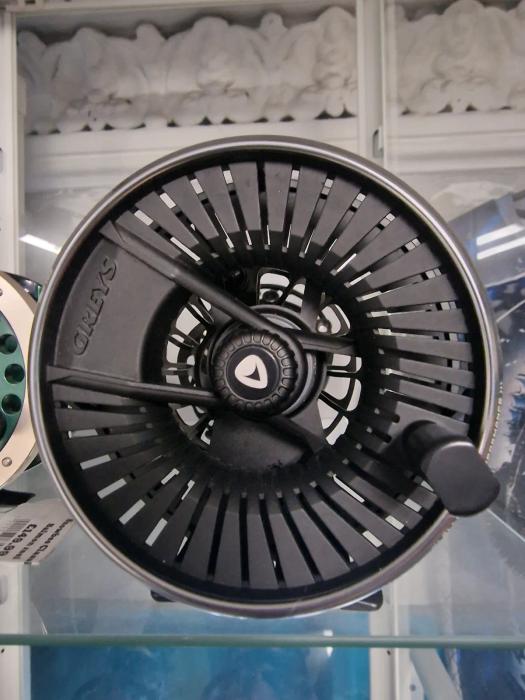
Greys Fly Reel Fishing Reel
£59.99
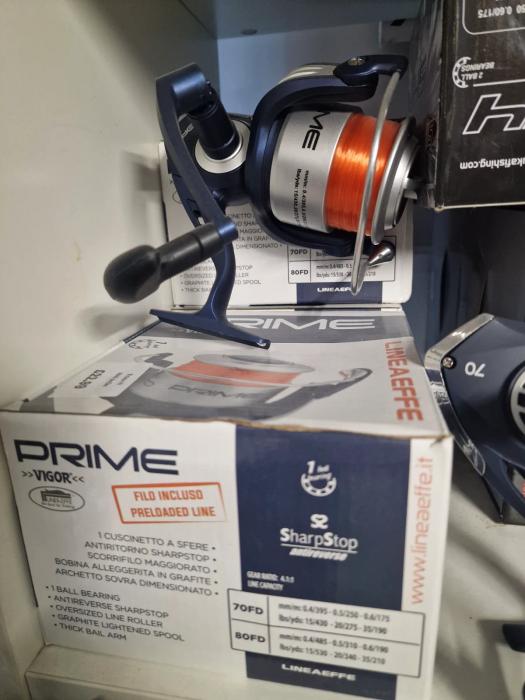
Lineaeffe Spinning 7000 Fishing Reel
£19.99
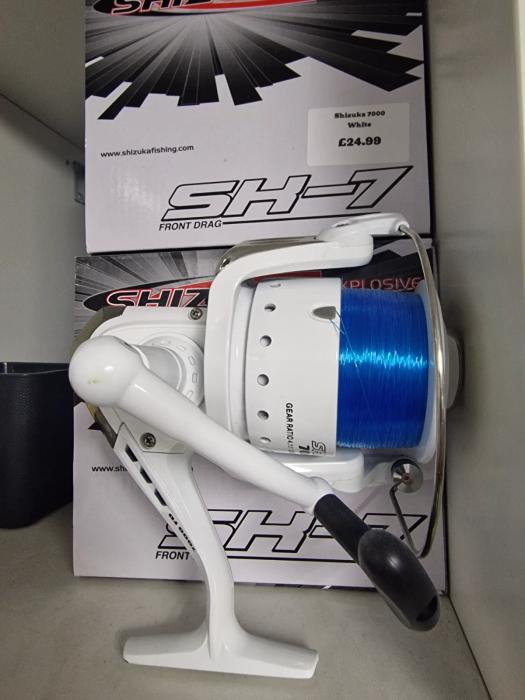
Shizuka Big Pit 7000 Fishing Reel
£23.99
Poor Cod guides
Poor Cod fishing questions
How do I tell a poor cod from a pouting?
Pouting have a deeper body, often show dark vertical bars and grow larger. Poor cod are slimmer, smaller and lack the bars, with a silvery coppery sheen and a large eye. Both have a chin barbel and a dark spot at the pectoral base, so body shape is the key.
Can you eat poor cod?
They are edible, but most are too small to be worth taking for the table, as there is little flesh on them. Many anglers simply return them, or keep the odd fish to use as fresh bait for bass, conger or other predators where that is allowed locally.
What is the best way to catch poor cod?
Fish small pieces of ragworm or fish strip on size 4 to 1 hooks over rough ground near piers or rocks, ideally after dark. A two-hook flapper rig or light LRF tackle both work well. They bite eagerly, so small baits and small hooks give the best hook-up rate.


