

Three-bearded Rockling Fishing UK
By Tackl · Updated 30 October 2026

Gaidropsarus vulgaris
The three-bearded rockling is a small, eel-like member of the cod family that lives among rocks and weed around the UK coast. It is a common winter catch from piers and rock marks after dark, usually turning up while anglers fish for whiting, codling or pouting, and it is a pleasant bonus fish.
Photo: jujurenoult, CC BY 4.0, via Wikimedia Commons
- Typical size
- 4–12oz from the shore; a fish over 1lb is a specimen.
- From the shore
- Rocks, piers
- Found in
- sea
- Peak season
- Autumn and winter, after dark
How to identify a three-bearded rockling
Three-bearded rocklings have a long, slender body, a small first dorsal fin made of a single ray followed by a fringe of short rays in a groove, and a long second dorsal fin. As the name suggests, they have three barbels: two on the snout and one on the chin. Colour is usually pinkish, orange or reddish-brown with dark brown spots and blotches. The shore rockling also has three barbels but is plain brown without spots. Five-bearded rocklings have five barbels and are smaller and plain brown.
Where it lives
Three-bearded rocklings live among rocks, weed, boulders and rough ground, from the lower shore down to deeper water. They hide in crevices by day and come out to feed at night. From the shore they are caught off rock marks, harbour walls, breakwaters and piers over rough ground. They are found all around the UK, but are especially common in the south and west of England, Wales and western Scotland, and move closer inshore during autumn and winter.
What it eats and the best baits
Rocklings feed on crabs, shrimps, prawns, worms and small fish, using their sensitive barbels to find food among rocks at night. Worm, particularly ragworm and lugworm, is a natural food and gives off plenty of scent. Crab suits their habit of hunting crustaceans in crevices, while fish strip is tough and oily enough to draw them out of cover.
- Ragworm
- Lugworm
- Peeler crab
- Mackerel strip
- Squid
- Prawn
Best time of year
- Jan – good
- Feb – good
- Mar – good
- Apr – quieter
- May – quieter
- Jun – quieter
- Jul – quieter
- Aug – quieter
- Sep – quieter
- Oct – good
- Nov – good
- Dec – good
In season now. Typical best months for shore anglers in England and Wales. What's in season
How to catch three-bearded rockling
A simple two-hook flapper or a single-hook running ledger with size 4 to 1/0 hooks suits rocklings, with baits kept modest in size. From rock marks and piers, a 12 to 13ft beachcaster or a sturdy bass rod with 3 to 5oz leads works well. Use a rotten-bottom link to the lead over snaggy ground, as rocklings live in places where tackle losses are common. Light rock fishing gear with a small running rig is also fun around harbour walls. Fish after dark, particularly on a flooding tide over the hours around high water, and drop baits close to rocks and weed rather than casting far. Bites are often gentle taps and pulls rather than dramatic rattles, so keep an eye on the rod tip and wind down steadily when it pulls round.
Size and bag rules
We haven't confirmed a three-bearded rockling size or bag limit from an official source yet. Check: Northumberland IFCA, North Eastern IFCA, Eastern IFCA, Kent & Essex IFCA, Sussex IFCA, Southern IFCA, Devon & Severn IFCA, Cornwall IFCA, Isles of Scilly IFCA, North Western IFCA, Wales, Scotland, Northern Ireland.
Rules change, especially for bass: always check the official source before keeping a fish. All sea fishing rules
Handling and release
Rocklings have slimy skin, so wet your hands and handle them gently, supporting the body rather than squeezing it. Unhook quickly with forceps or a disgorger, as they can take baits deeply. Keep them out of the water only briefly and return them gently. Avoid holding them by the jaw, and never throw them back from height.
Where to catch three-bearded rockling in the UK
We don't have venues confirmed for three-bearded rockling yet. Browse all venues.
Tackle for three-bearded rockling
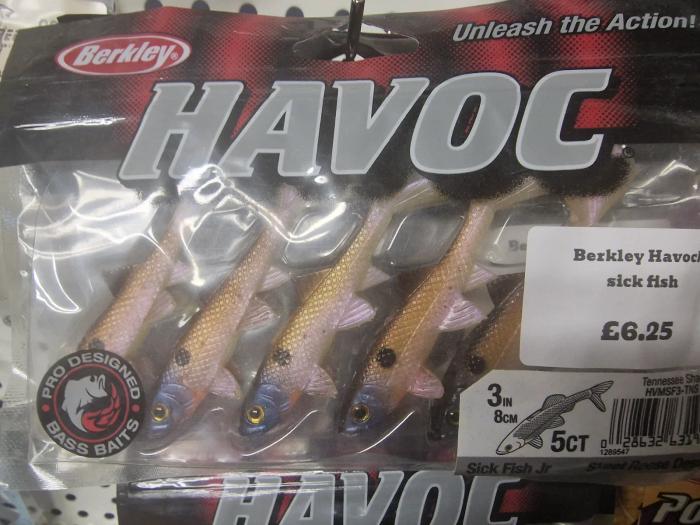
Berkley Havoc perch sick fish lure for bass/ Pike
£6.25
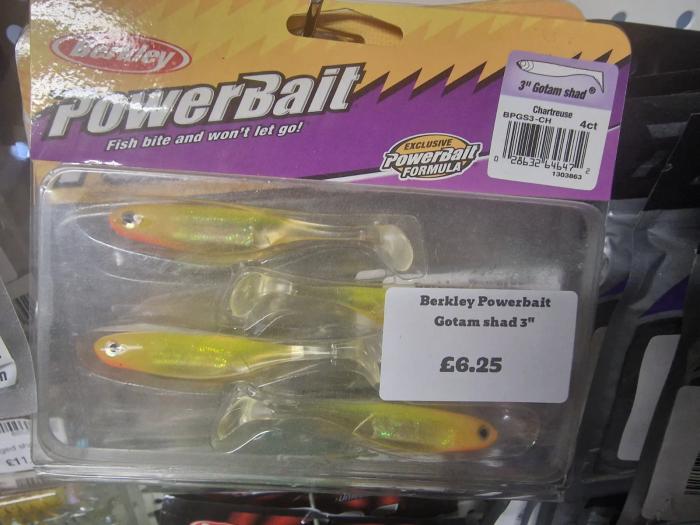
Berkley Soft Plastic / Shad Fishing Lure
£6.25
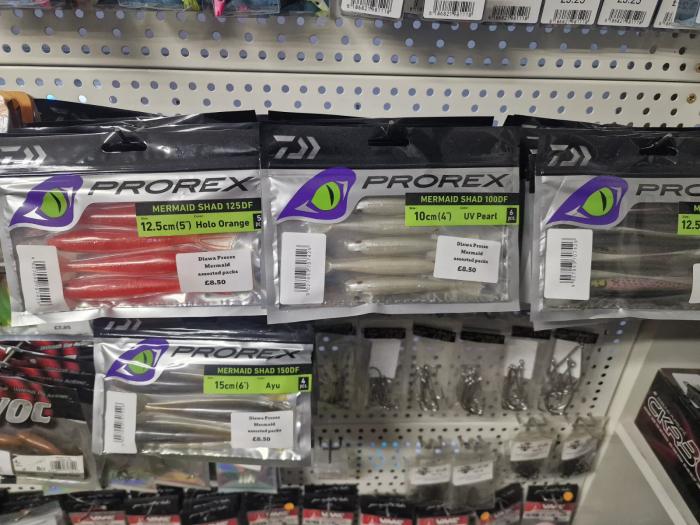
Daiwa Soft Plastic / Bass Fishing Lure Prorex mermaid
£8.50
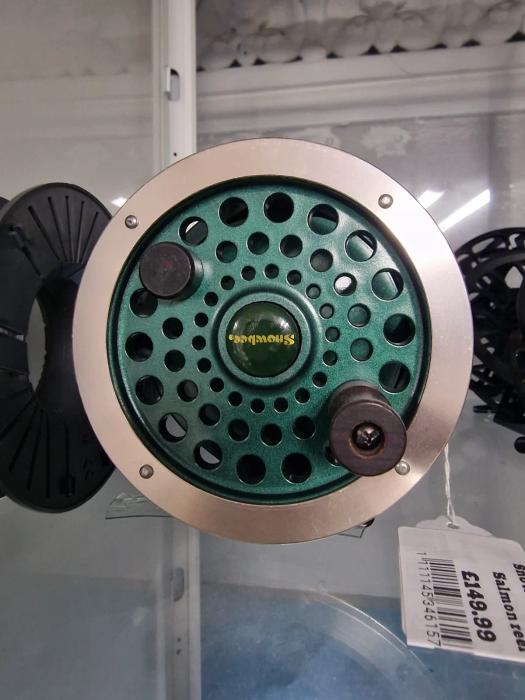
Snowbee Fly Fishing Reel
£149.99

Fishing Reel Greys fin Cassette salmon
£59.99
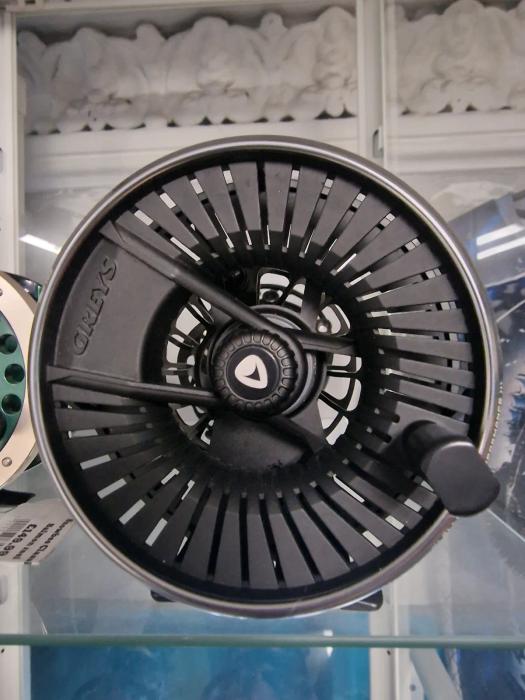
Greys Fly Reel Fishing Reel
£59.99
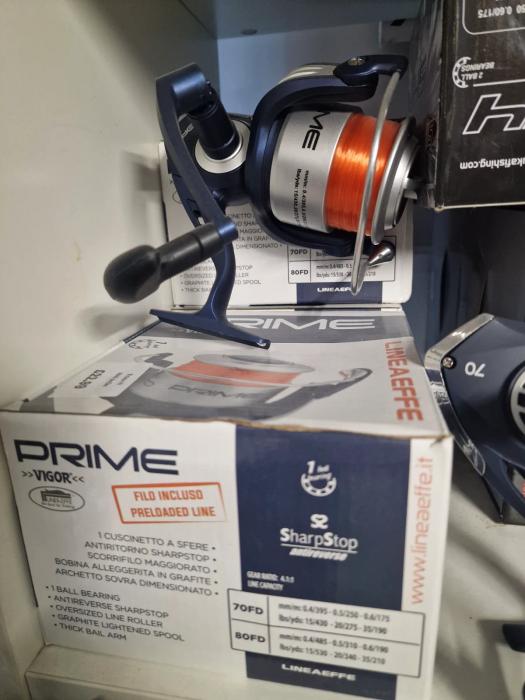
Lineaeffe Spinning 7000 Fishing Reel
£19.99
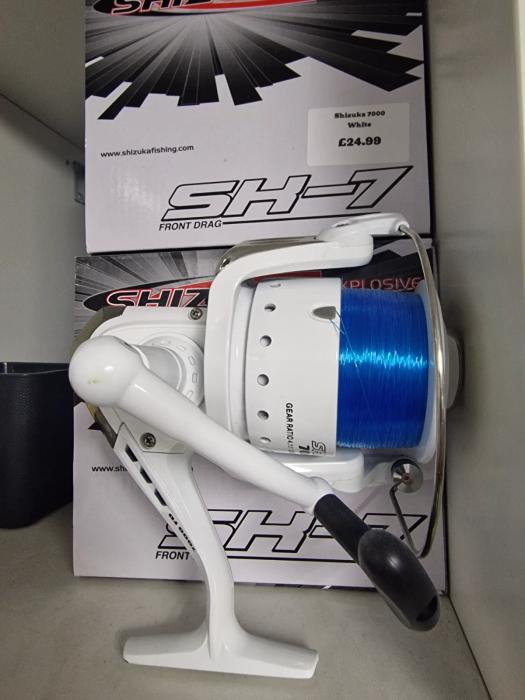
Shizuka Big Pit 7000 Fishing Reel
£23.99
Three-bearded Rockling guides
Three-bearded Rockling fishing questions
How do I tell a three-bearded rockling from a shore rockling?
Both have three barbels, two on the snout and one on the chin. Three-bearded rocklings are pinkish or reddish with clear dark spots and blotches, while shore rocklings are plain brown without spots. Three-bearded rocklings also tend to grow bigger.
Can you eat rockling?
Rocklings are edible, but most are small and bony, so few anglers keep them. They are best returned unless you have caught a larger fish you are keen to try. If keeping one, check the size and bag rules for your area below.
When is the best time to catch rockling?
After dark in autumn and winter is best. Rocklings hide among rocks in daylight and emerge to feed at night. Fishing close to rocks, weed and harbour walls on a flooding tide with worm or crab baits gives a good chance of catching them.


